Elder Scrolls Online vs Guild Wars 2: Which MMO Should You Play in 2026?
Updated: September 2026
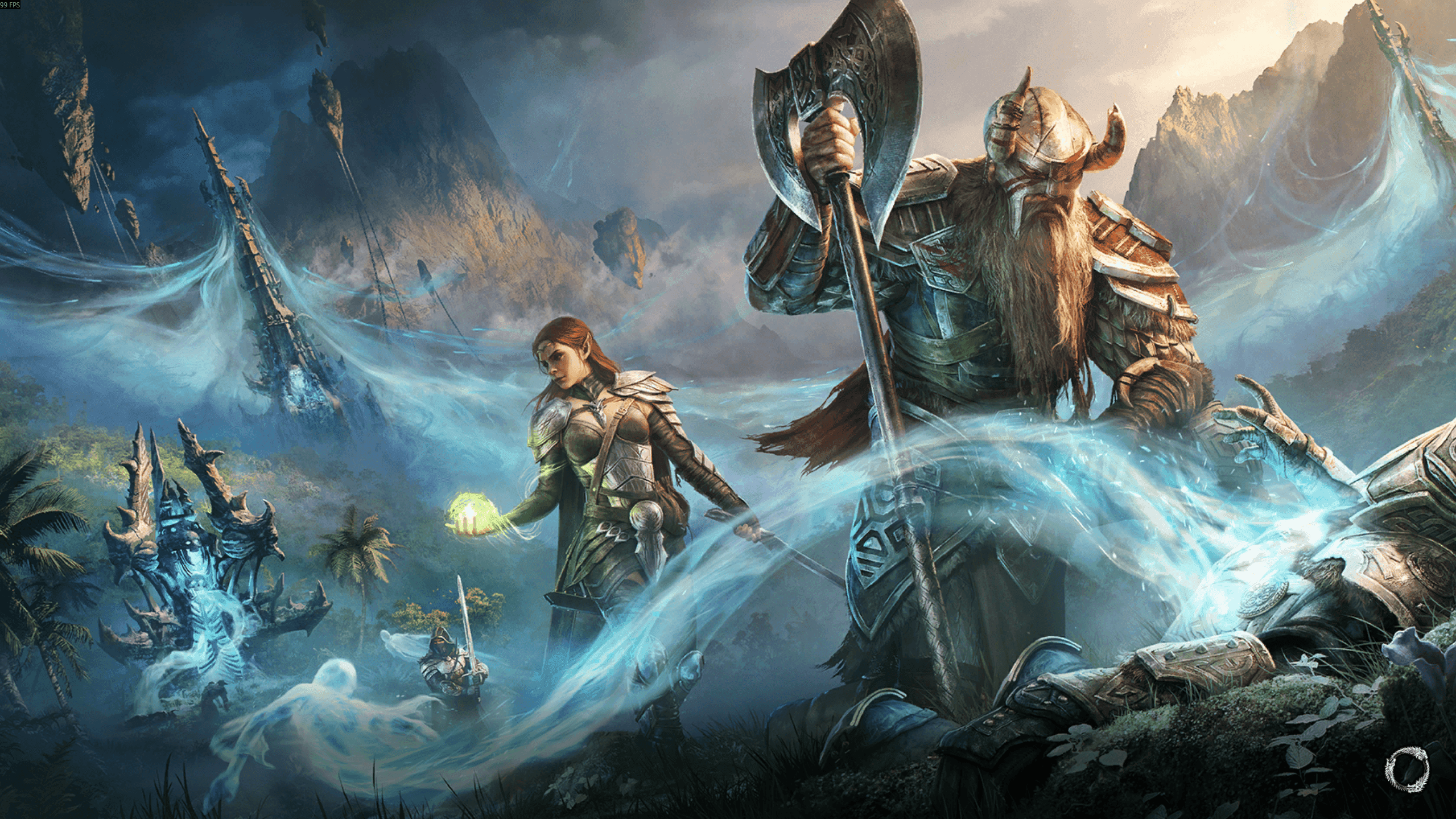
The Elder Scrolls Online invites you into a Tamriel a thousand years before Skyrim — a vast, level-scaled world spanning Morrowind to Summerset, packed with fully voiced stories, dungeons, trials, and large-scale PvP. In 2026 the game moved to free seasonal content for all base-game owners, and Season One brings back the Thieves Guild for its first new chapter in a decade.
No holy trinity, no static quest hubs, and no subscription — Guild Wars 2 built its identity on dynamic events that reshape entire zones and combat that lets any profession fill any role. ArenaNet's MMORPG is currently deep into its sixth expansion, Visions of Eternity, where players chase the Inquest's ambitious leader Vloxx across the ley-magic-rich island of Castora. The latest content update, The Only Way, added five new story chapters and the Eternity's Garden map, with one more major update planned to close out the expansion.
Editor's verdict
ESO and Guild Wars 2 aren't an obvious pair on paper — one launched in 2014 as a traditional subscription MMO and dropped the requirement later, the other was built from day one around skipping the subscription model entirely. But they end up on the same shortlist constantly, because both are buy-once games that don't demand a monthly fee and both reward a relaxed pace over a rushed one. That overlap is exactly why the comparison is worth having.
The Elder Scrolls Online is built around narrative. Every NPC is voiced, and its quest lines read like a series of short stories rather than a checklist — if you want a reason to care about where you're going, not just what drops when you get there, ESO wins that argument easily. Full text localization in several languages is a real advantage over MMOs where non-English speakers are stuck with fan translations. The tradeoff is combat that feels slower and heavier than GW2's, and the early hours can feel solitary if you're not following the main story alongside a wave of other new players.
Guild Wars 2 runs on the opposite philosophy: no vertical treadmill. Gear you earned near launch is still perfectly usable today, which is unusual for a genre where every expansion typically resets your progress. Combat is faster and more mobile, and the open world is full of group events you can wander into without forming a party first. The cost is a story that plays more like a backdrop to the systems than the main event, and a base game that offers noticeably less content than ESO's without buying expansions.
The short version: ESO suits players who want to live inside a story and don't mind climbing a difficulty curve as they go. Guild Wars 2 suits players tired of gear resets who want to play at their own speed for years without their progress expiring. Both games handle long breaks well — if you're unsure which flavor of "unhurried MMO" fits you, that's really the question this comparison comes down to.