 F2P · Live
Lineage 2 Essence
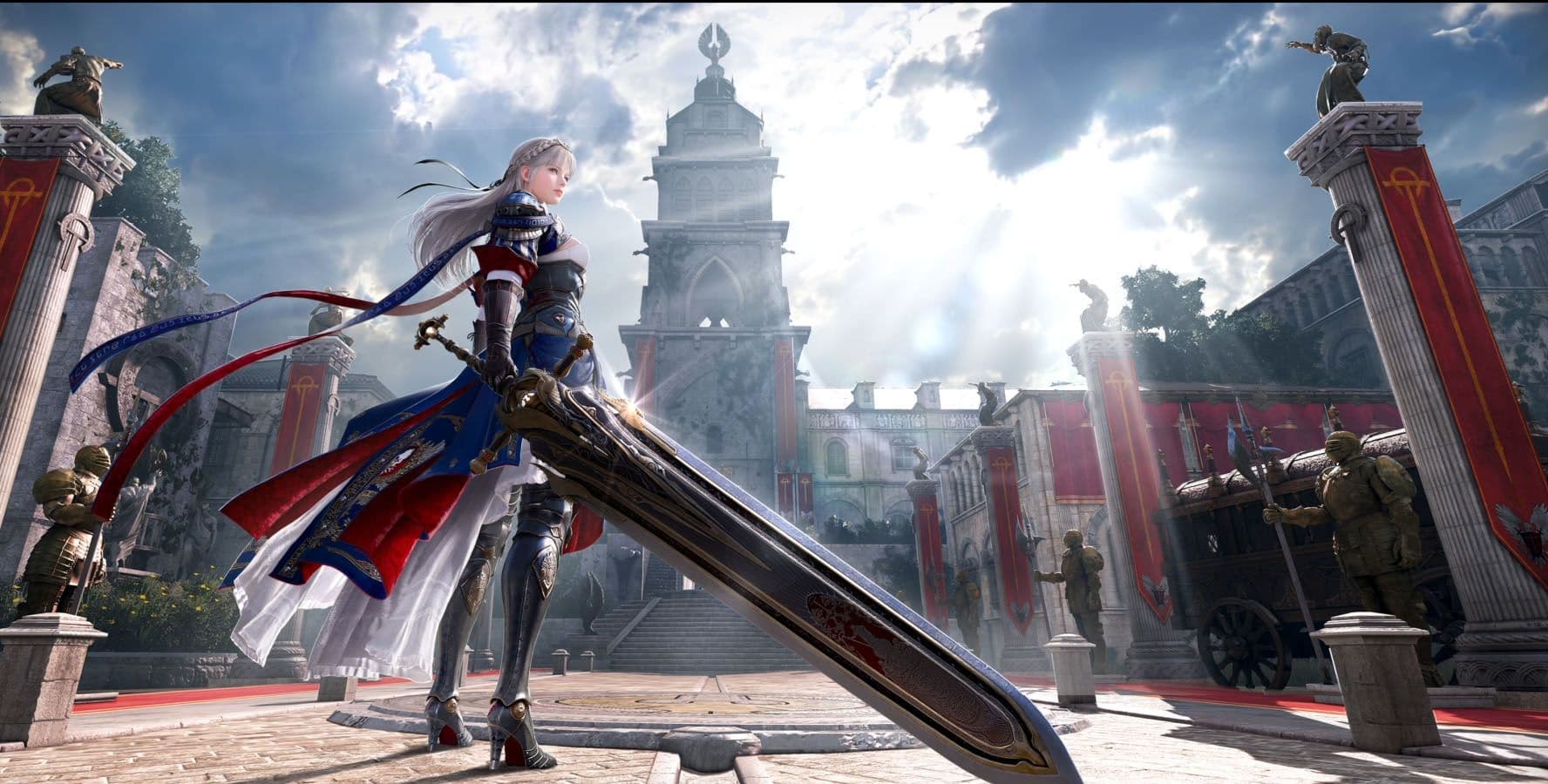
Lineage 2 Essence is NCSoft's free-to-play take on the classic Korean MMORPG Lineage II, built around faster…
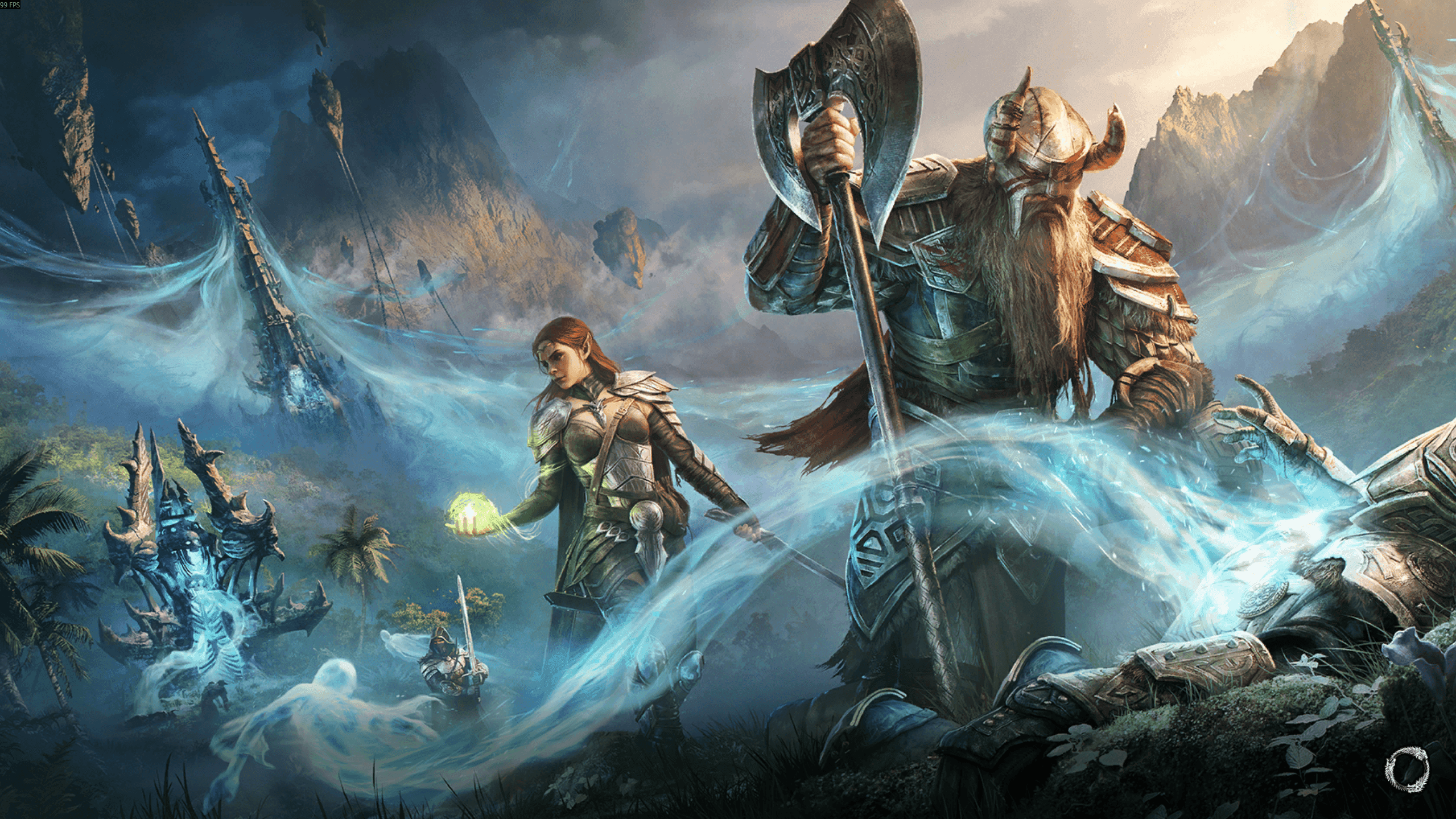
The Elder Scrolls Online invites you into a Tamriel a thousand years before Skyrim — a vast, level-scaled world spanning Morrowind to Summerset, packed with fully voiced stories, dungeons, trials, and...
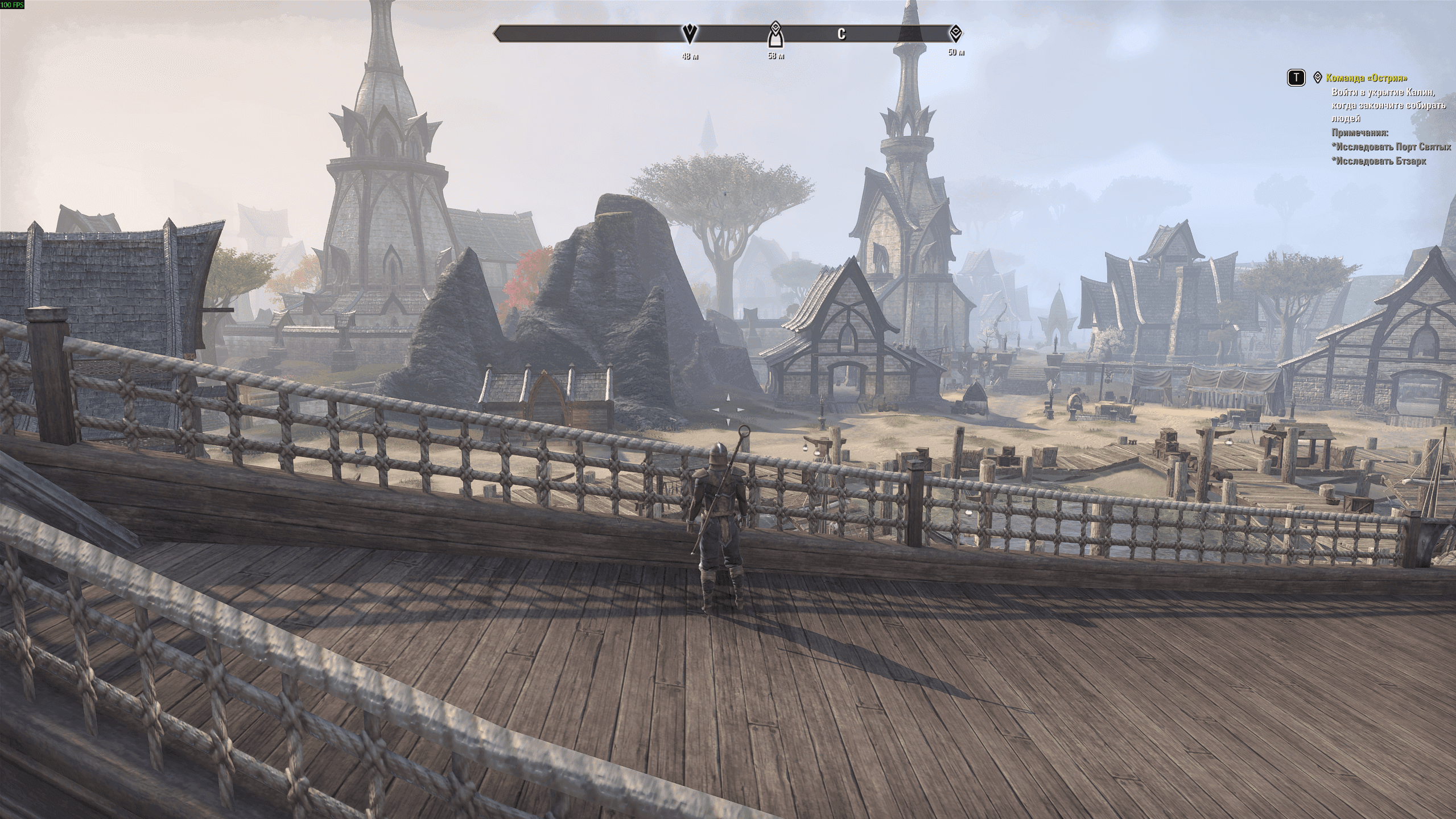
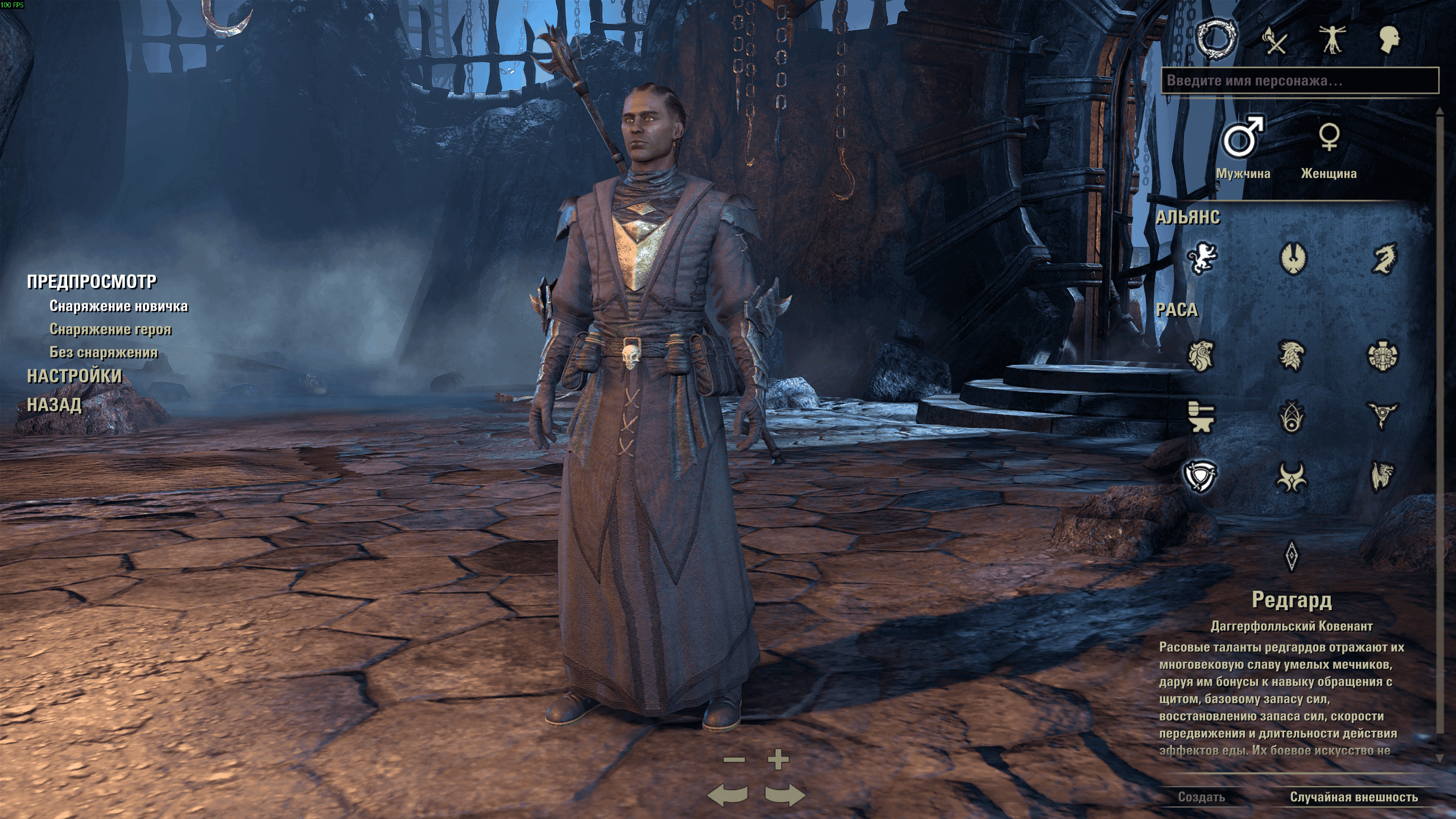
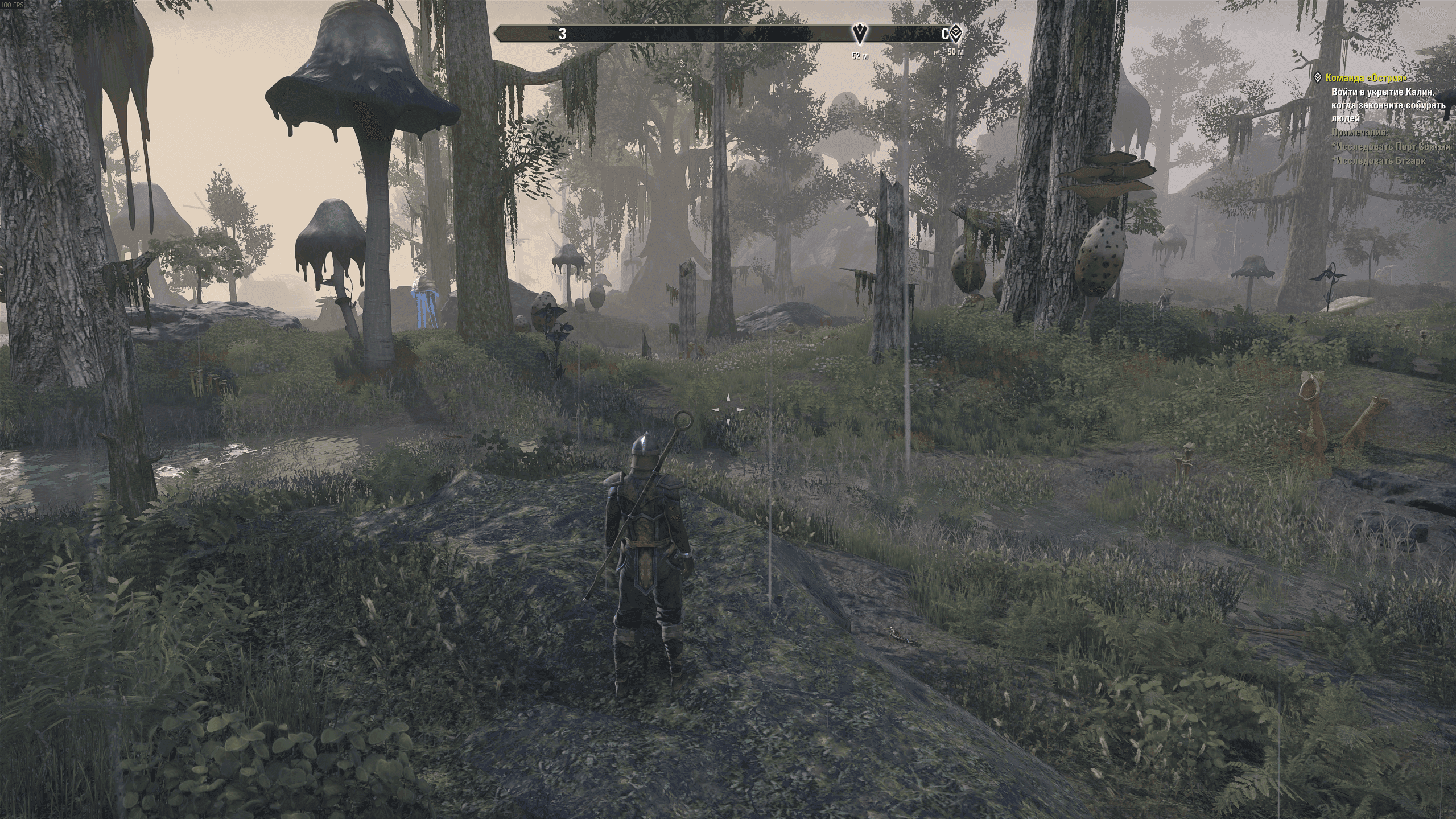
The Elder Scrolls Online is a fantasy MMORPG by ZeniMax Online Studios, launched in 2014 and set across the continent of Tamriel roughly a thousand years before Skyrim. Twelve years later it remains one of the largest MMOs on the market, running on PC, Mac, and two generations of PlayStation and Xbox — and 2026 is the biggest structural shake-up in its history. The annual paid Chapter expansions are gone, replaced by free three-month Seasons, with Season One: Return of the Thieves Guild live right now through October 21. This ESO review looks at what the game offers in its new form, through two sets of eyes: the newcomer arriving via Game Pass, and the veteran deciding whether the seasonal model deserves their trust.
Quick take: The Elder Scrolls Online in 2026 is the best entry point the game has ever offered — the base game now includes years of formerly paid DLC, all new seasonal content is free, and the whole world scales to your level. Veterans get a faster content cadence but smaller portions, and the old sore spots — floaty combat feel, Crown Crates, Cyrodiil performance — moved into the new era intact. Worth playing: yes for explorers and story players, with reservations for hardcore endgame hunters.
The single most important fact about ESO right now is that it no longer sells expansions. From 2017 through 2024, the game ran on annual Chapters — $30–40 boxes like Morrowind, Summerset, and Gold Road that gated each year's zone and story behind a purchase. That model is retired. Starting with Season Zero on April 2, 2026, content arrives in themed three-month Seasons, and every gameplay addition in them — zones, questlines, systems, the new trial — is free for anyone who owns the base game. Update 49 went further and folded the Thieves Guild, Dark Brotherhood, Orsinium, and Imperial City DLCs into the base game permanently.
Money now flows through Tamriel Tomes, ESO's take on a battle pass: a free reward track for everyone, optional premium tracks for buyers, progressed through weekly and seasonal challenges, alongside a new earnable currency spent at the Gold Coast Bazaar. Whether the yearly content total ends up matching a Chapter is the open question of 2026 — three months into the experiment, the Seasons have delivered steadily, but nothing yet on the scale of a Summerset. What's already clear is who benefits most, and that's the subject of the next section.
For a newcomer, ESO in 2026 is close to an embarrassment of riches. The base game — regularly discounted to pocket change, included in PC Game Pass, and handed out through PS Plus this spring — now contains a decade of zones and storylines that used to cost extra. Thanks to the One Tamriel design, every zone scales to your level, so a level-4 character can ride from the starter islands straight into former endgame territory, join any friend anywhere, and follow whichever story hooks them. No other big MMO lets a fresh account roam this freely on day one.
The first hours play like a lighter Skyrim with company. You pick one of seven classes (plus subclassing options added in 2025), wake up in a faction-specific starting zone, and immediately fall into ESO's real strength: quest writing. Side stories here are fully voiced, frequently excellent, and resolve in ways that matter locally — a plague town you actually cure, a matriarch you choose to expose or protect. Dungeons queue from anywhere, overland content rarely demands a group, and the new overland difficulty options added this year finally let players who found Tamriel too gentle turn the world's teeth back on. The newcomer's honest complaint list is short: the skill system explains itself poorly, and the Crown Store icon is never far from view.
ESO's Tamriel is the most complete version of the Elder Scrolls continent ever built — Morrowind's mushroom towers, Summerset's crystal spires, the Alik'r desert, and dozens of zones between, rendered a millennium before the single-player games. The zones are discrete rather than one unbroken landmass, but each is dense with shrines, world bosses, public dungeons, and side caves, and the writing team treats every region as a chance to tell self-contained stories rather than filler between markers. Exploration pays in lore as much as loot, which is precisely the audience this game was built for.
The economy is ESO's strangest and most distinctive system: there is no central auction house. Trading runs through guild traders — NPC merchants that player guilds bid on weekly to rent, each anchored to a physical location. Prices vary by city, arbitrage is a real playstyle, and joining a trading guild is the practical route to selling anything at volume. Crafting sits on top with seven professions, daily research timers that reward long-term commitment, and set-crafting stations scattered across the world that produce some genuinely best-in-slot gear. Housing rounds out the domestic side: purchasable homes from apartments to islands, furnishable with thousands of craftable items — beloved by decorators, and, in fairness, the corner of the game where Crown Store pricing bites hardest.
ESO's combat is the most divisive thing in the game, and the honest answer is: serviceable, improving, and still an acquired taste. It's an action-hybrid system — soft target lock, manual dodges and blocks, six abilities plus an ultimate per bar, with weapon swapping doubling your loadout. Newcomers tend to enjoy it immediately; it's readable, responsive, and forgiving. The friction arrives at the optimization stage, where "light-attack weaving" — canceling a basic attack into every skill — separates casual damage from competitive damage and has annoyed a segment of the playerbase for a decade.
ZeniMax knows, and 2026 is the year it's acting. The Class Identity Refresh is rebalancing and visually overhauling one class per season — Dragonknight in spring, Werewolf and Warden this summer, Sorcerer in winter — with punchier ability effects and clearer class fantasy. A veteran will tell you these refreshes are overdue and won't fix weaving; a newcomer won't notice weaving exists for their first two hundred hours. Both are right, which is ESO's combat story in miniature.
For established players, Season One: Return of the Thieves Guild is the first real test of the seasonal promise, and it lands more content than skeptics expected. The headline is the first new Thieves Guild storyline since 2016, set in a visually refreshed Glenumbra, opening with a heist quest whose single pickable courtyard lock had players forming polite queues on launch day. Around it sit three new systems (Favors daily quests, Rumors, Dynamic Encounters in the overland), the Nowhere Vault puzzle activity, and a six-part Sheogorath storyline arriving July 29 in which the Prince of Madness takes a mortal holiday to attend a cheese festival. The Crimson Veldt trial — the first added to the base game since 2014 — gives raid groups a fresh 12-player target, and the High Seas of Tamriel event brings ship-to-ship naval combat on September 30.
The unresolved veteran grievances are structural, and Seasons don't touch them. Cyrodiil, the large-scale PvP zone, still buckles under load in big fights, a complaint old enough to vote — the new PvP progression system added this year rewards participation but doesn't fix the server performance underneath it. Endgame gearing still leans on trait RNG. And the drip-feed rhythm cuts both ways: content lands every few weeks instead of once a year, but a veteran who cleared the Thieves Guild questline in a weekend now waits for the next beat instead of disappearing into a forty-hour Chapter. Whether that trade reads as "the game respects my time" or "there's less game" is genuinely a matter of temperament.
The Elder Scrolls Online is not pay to win — no purchase adds combat power — but it is one of the most heavily monetized subscription-optional MMOs on the market. The Crown Store sells cosmetics, mounts, houses that can run past a hundred dollars, and convenience items; Crown Crates are straightforward loot boxes at 400 crowns per crate, with the rarest Apex mounts sitting behind low-percentage rolls, softened only by the Seals of Endeavor system that lets active players earn crate items slowly for free. ESO Plus, the optional subscription (~$15/month), bundles a monthly crown allowance with the craft bag — unlimited crafting-material storage that is technically a convenience and practically the single strongest reason to subscribe once you start crafting seriously.
The 2026 model shifts the picture in the player's favor without cleaning it up entirely. New gameplay content no longer costs money, which removes the old yearly toll; the Tamriel Tomes premium tracks are cosmetic. The store's aggressive pricing and the casino mechanics of Crown Crates remain exactly as they were, and a new player should know that some store conveniences — respecs, XP scrolls, food — are cheaply available in-game before spending a single crown on them.
If you want a huge, handsome world to explore at your own pace, with excellent voiced storytelling and no pressure to keep up — start now, because The Elder Scrolls Online has never asked less of your wallet or your schedule. If you bounced off ESO years ago over the cost of keeping current, the 2026 seasonal model removes your specific objection, and Season One is a solid month to return in. If your MMO life is competitive PvP or bleeding-edge raid progression, temper expectations: Crimson Veldt adds one new mountain to climb, but Cyrodiil's performance and the combat's weaving ceiling are the same ones you left. And if loot boxes in a buy-to-play game are a dealbreaker on principle, the Crown Store will not change your mind. For everyone in the first two groups — which is most people reading this — Tamriel is in the best shape it's been in years.
No — ESO requires a one-time base game purchase (frequently discounted to a few dollars) or access via PC Game Pass, with no mandatory subscription and all 2026 seasonal content included free.
Yes for story-driven and exploration-focused players: the base game now bundles years of former DLC, and the new Seasons add free content every few months. Competitive PvP players should read up on Cyrodiil performance first.
Not to start — the subscription's real pull is the unlimited craft bag, which matters once you engage deeply with crafting, not during your first hundred hours.
Season One: Return of the Thieves Guild (July 8 – October 21, 2026) is the first full free season, adding a new Thieves Guild questline in Glenumbra, the Crimson Veldt trial, a Sheogorath storyline, and the High Seas of Tamriel naval event.