 Free To Play
Ragnarok Online
MMORPGReleased
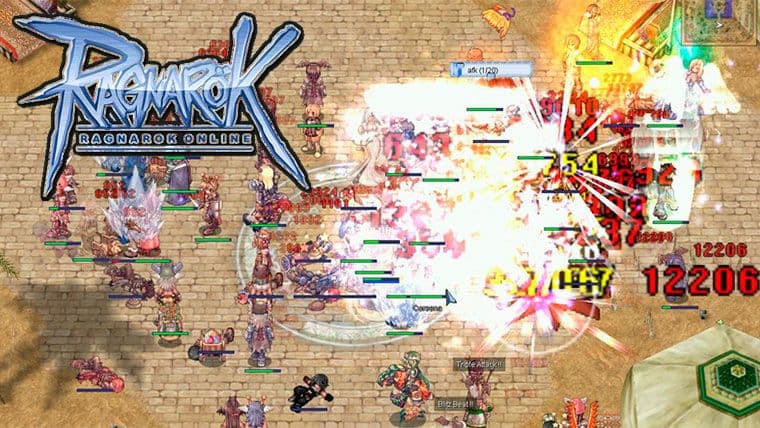
Ragnarok Online has been running since 2002, and the card system it introduced — socketing monster drops into weapons and armor — is still one of the ...
Minimum and recommended PC specs to run the game
← Back to game reviewIf your PC can run this game, you'll also be able to play these:
Free To PlayRagnarok Online has been running since 2002, and the card system it introduced — socketing monster drops into weapons and armor — is still one of the ...
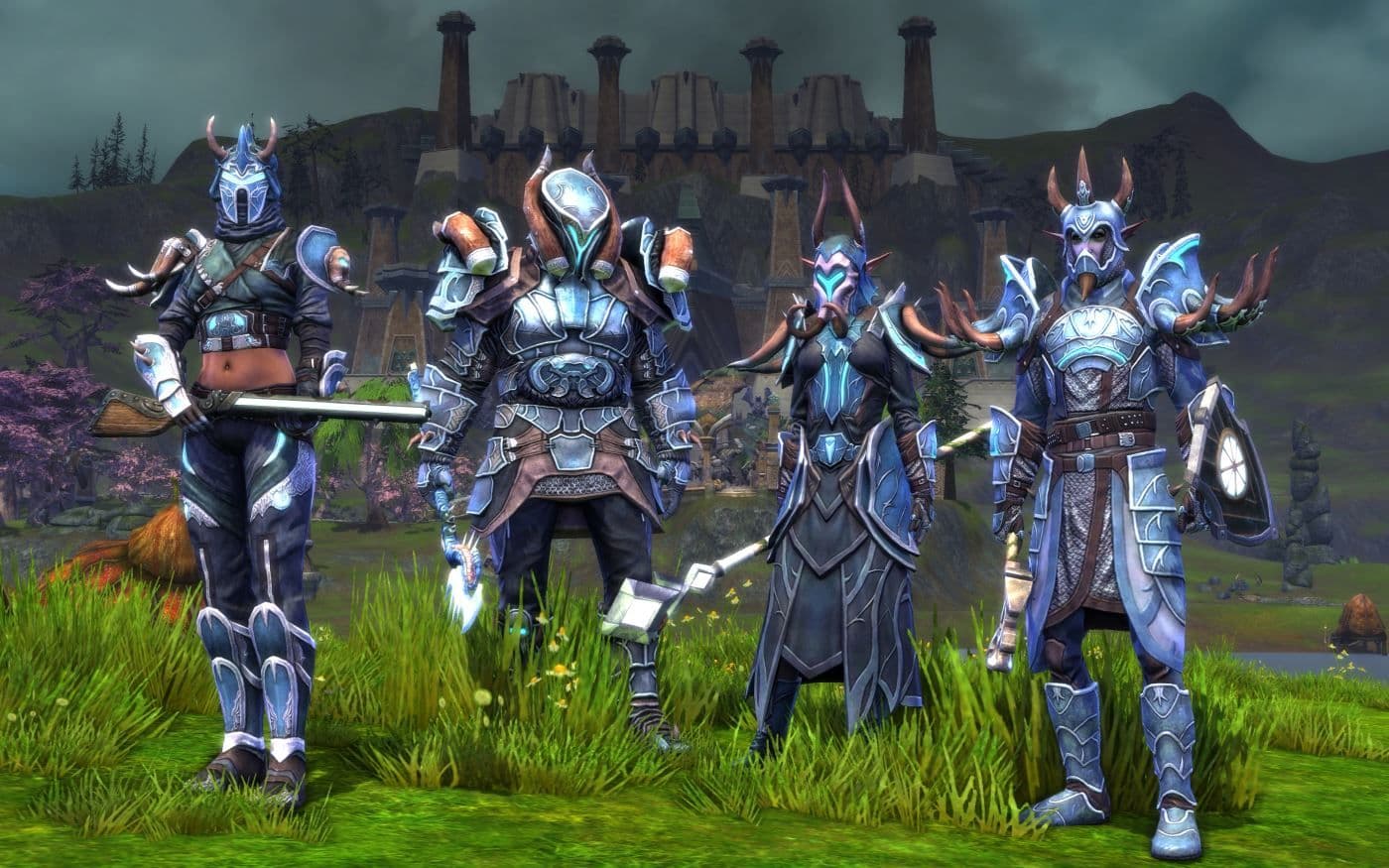
Rifts tear open across the sky at random, spilling elemental invaders into Telara and forcing nearby players to drop what they're doing and fight them...
 Free To Play
Aden's castles never stay in the same hands for long, and Lineage II has built an entire twenty-three-year game around the fight to take and hold them...
The Elder Scrolls Online is one of the least demanding major MMORPGs on paper: a game launched in 2014 whose minimum spec still names a 2011-era quad-core and a graphics card with a single gigabyte of memory. The paper undersells two things, though. The install has swollen to 150 GB after a decade of fully voiced content, and the game's large-scale PvP loads a system in ways the official sheet doesn't capture. Here's what each line of the spec actually pays for.
The GPU gap between the two profiles is the widest in the whole spec, jumping from 1 GB to 4 GB of VRAM — GeForce GTX 560 / Radeon HD 6870 at minimum versus GTX 970 / RX 570 recommended. The minimum reflects ESO's 2014 rendering roots: a zoned world with controlled draw distances, DirectX 11, and texture budgets sized for hardware that predates the game itself. The recommended tier is where the modern game lives. Higher-resolution texture pools, denser cities, particle-heavy trial fights, and the visual refreshes rolling through 2026's seasonal updates all draw on video memory first, and 4 GB is roughly where 1080p on high settings stops stuttering. Anything newer than an RX 570 clears this game with headroom to spare.
ESO asks for the same quad-core in both profiles — Intel Core i5-2300 (4 cores) or AMD FX-4350 (4 cores) — and that repetition is the most telling line in the spec. Combat, movement, and world state are simulated server-side on ZeniMax's megaserver, so the client CPU mainly handles animation, ability effects, interface work, and — on PC — Lua addons. Questing barely moves the needle on a decade-old chip. The unlisted exception is Cyrodiil: when a hundred-plus players collide in one keep fight, the client must process every one of them, and this is where old quad-cores fall behind regardless of what the box says. A modern six-core won't raise your damage, but it will keep large battles playable.
Broadband is listed because ESO runs on megaserver architecture — a single logical server per region (North America and Europe) instead of a shard list, with every action validated server-side. Stable latency matters more than raw bandwidth: ability timing, blocking, and the combat system's animation canceling all respond to ping, and a spiky connection is felt in dungeons long before a slow one is. There is no offline mode; even solo questing is a live server session.
The 150 GB install is the spec's real outlier, and voice acting is the main reason: every quest since 2014 is fully voiced, and twelve years of zones — including the former DLC merged into the base game in 2026 — ship as one package with no optional downloads. The RAM doubling from 4 to 8 GB covers zone assets, city crowds, and addon overhead on PC; 8 GB is a genuine working figure, not marketing padding. The sheet doesn't require an SSD, and the game will run from a hard drive — but zone loads and login times on spinning metal test patience in a way the rest of the requirements never will.