 F2P · Live
Lineage 2
Aden's castles never stay in the same hands for long, and Lineage II has built an entire twenty-three-year…
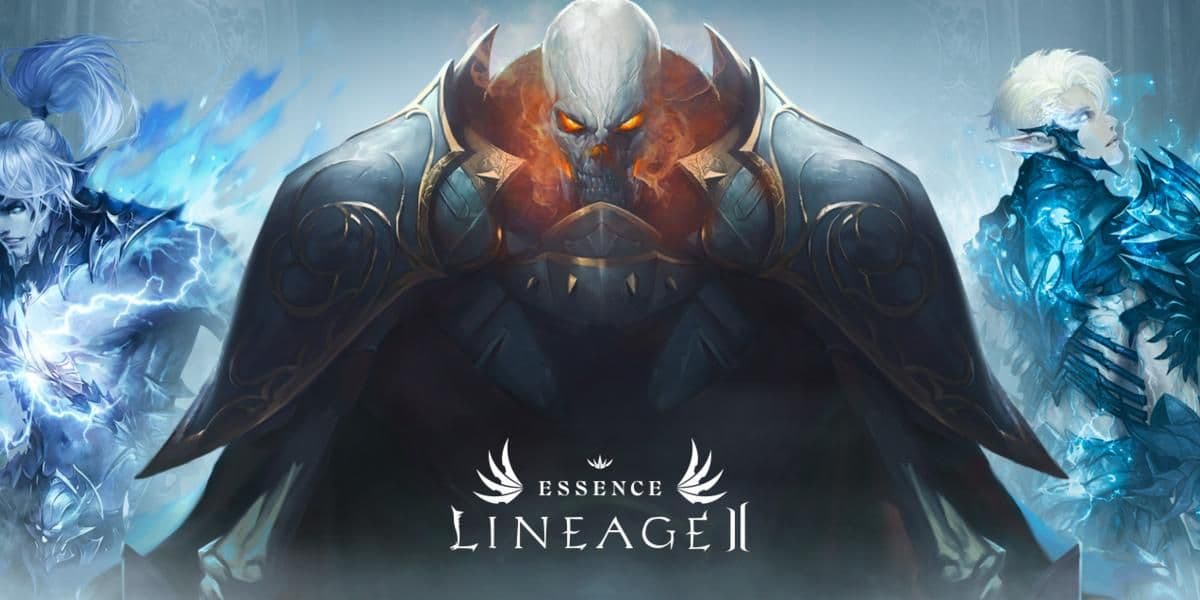
Lineage 2 Essence is NCSoft's free-to-play take on the classic Korean MMORPG Lineage II, built around faster leveling and an auto-hunt system that trains a character while the player is away from the ...
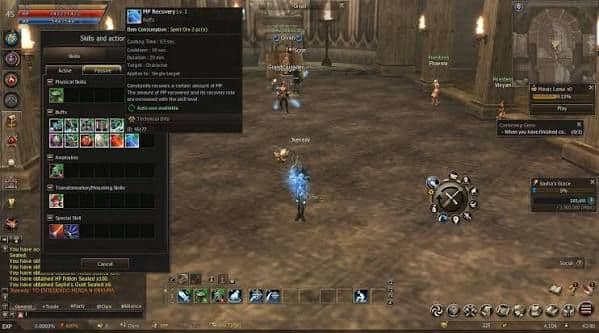
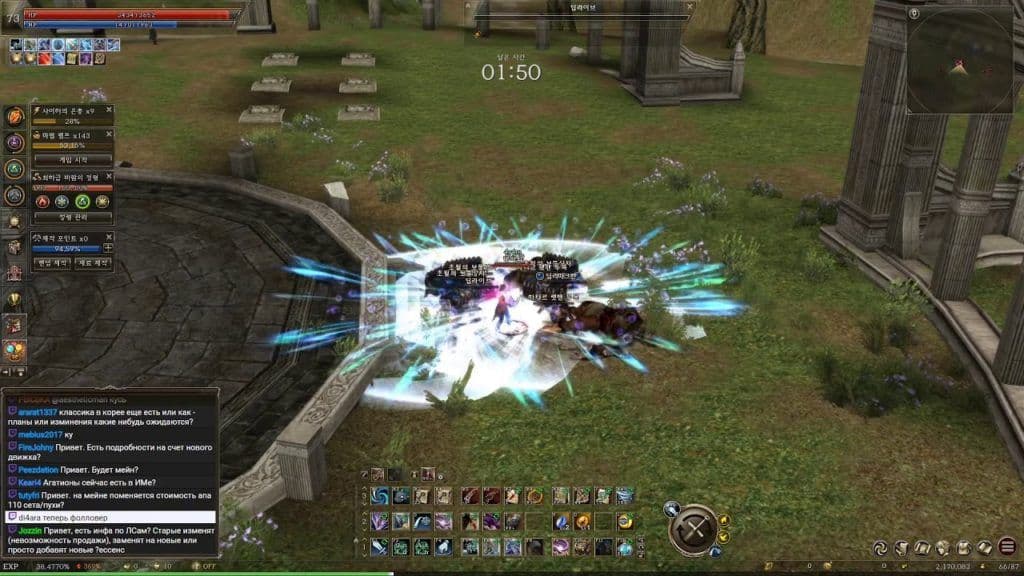
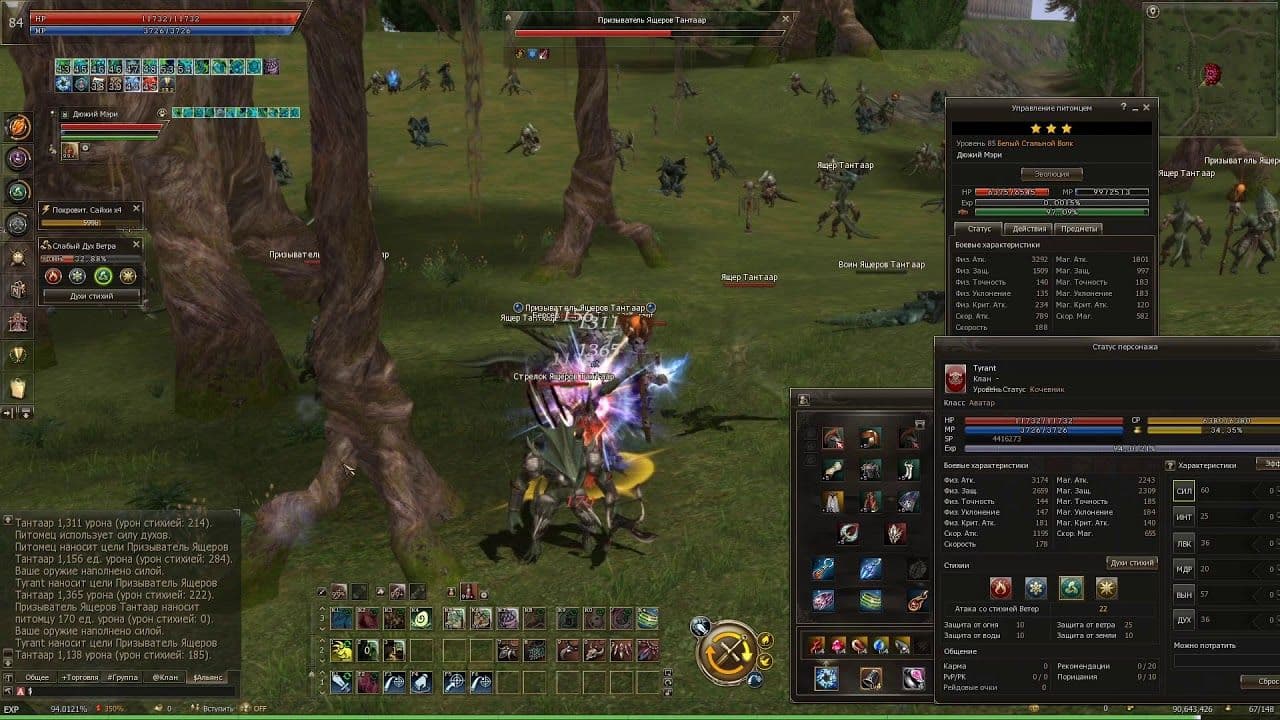
Lineage 2 Essence is NCSoft's free-to-play version of the classic Korean MMORPG Lineage II, published for Russian and CIS players by Innova since April 23, 2019. Rather than reworking the original chronicles, Essence speeds up leveling and adds an auto-hunt system that keeps a character training while the player is away from the keyboard. The game is still actively maintained: a major content update, Echo of Elements, added new zones to the Russian servers in March 2026, and a new class and race arrived within the past two years — for a game whose engine traces back to the original Lineage II's Korean launch in October 2003, that's a rare pace of upkeep.
The world is the same Elmoraden that has anchored Lineage II since 2003: a kingdom worn down by centuries of conflict between humans, elves, orcs, and darker forces, spread across familiar ground from the port city of Giran to the wastelands further east. A fair amount of the original storyline quests were trimmed to keep leveling brisk, so lore here surfaces through quest text and NPC lines rather than driving the experience. That's an honest trade for a version built around combat and territory, not narrative.
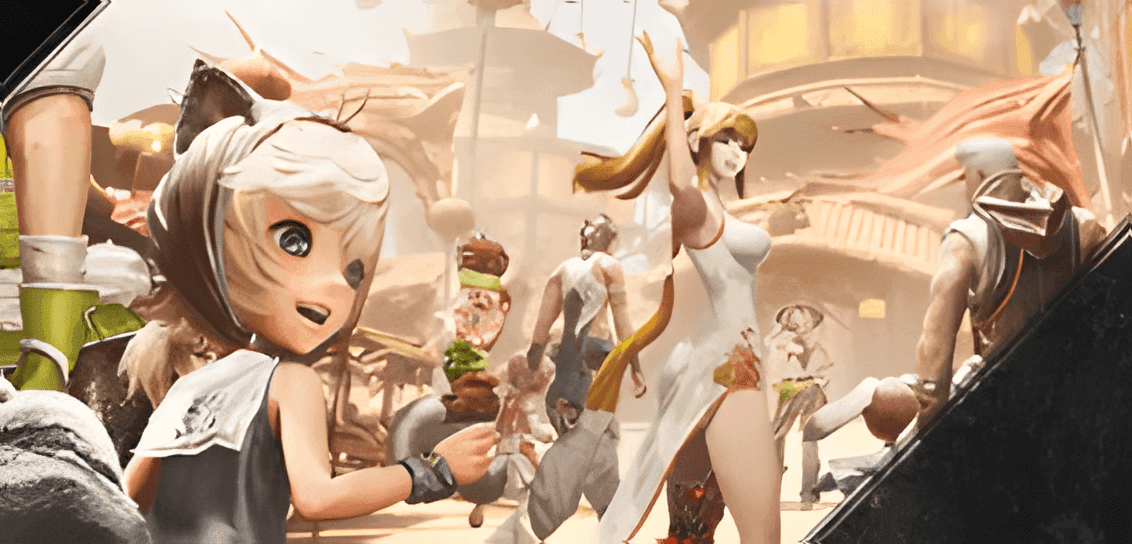
The map hasn't been left to gather dust, either. The Echo of Elements update, which shipped on March 18, 2026, added three new zones — Sky Tower, Shadow Lands, and the Wasteland Oasis — and older cities like Giran periodically get visual refreshes, right down to a new square and a temple skyline. The engine underneath is over two decades old, but the world on top of it keeps getting redecorated.
None of this happens in a vacuum. Regional geography still tracks the leveling curve the way it did in the original Lineage II: coastal towns and their surrounding fields absorb the early levels, inland forests and ruins pick up the mid-game, and the newer zones sit deliberately near the top of the curve, giving veterans a reason to leave the areas they've farmed for years. A returning player who quit before Echo of Elements will still recognize every landmark on the map — they'll just find three more rooms attached to the house.
Character creation starts with one of eight playable races — humans, light and dark elves, orcs, dwarves, kamael, sylphs, and the recently added high elves. Each race has its own starting city and a natural pull toward certain archetypes: dwarves toward crafting and trade, orcs toward brute strength, kamael toward light armor and speed. Appearance customization is modest by 2026 standards — face, hairstyle, hair color — but the race choice itself still feels like a long-term decision rather than a cosmetic one.
What a newcomer notices immediately is something the original Lineage II never offered: every character gets its own set of stat buffs on creation, so the first few hours can be played entirely solo. Early monsters were deliberately weakened, letting even a healer or support class clear them without a party. This is also where auto-hunt comes in — pick consumables (runes and experience scrolls), set a hunting route, and the character trains itself while you answer emails or make dinner, with the option to step in manually at any point.
Starting zones aren't just window dressing. Humans begin on the Isle of Talking and tend to gravitate toward knights and battle mages; elves head into the forests for more technical picks like rangers and spellcasters; orcs and dark elves have historically leaned into aggressive early PvP, and fights over a monster spawn at low levels aren't rare even among first-week characters, karma penalty or not. None of this is forced on a new player — auto-hunt and starting buffs mean anyone can simply avoid the drama and level in peace if that's the goal.
None of the systems that made old Lineage II a small-scale civil war have been removed. PvP still doesn't require flagging: anyone can attack anyone at any time, but killing a peaceful player racks up karma and real penalties — a harsher rule on paper than the opt-in flags used in most modern sandboxes, and one that stays relevant because the choice to fight is always the player's own. The marriage system is intact too, inherited from the original game two decades ago: a ceremony before a priest in Giran, a quest for the wedding outfit, and a divorce that costs money and gets sent to your ex. It's a small, slightly absurd detail sitting right next to a war economy, and it has survived every engine patch since the mid-2000s untouched.
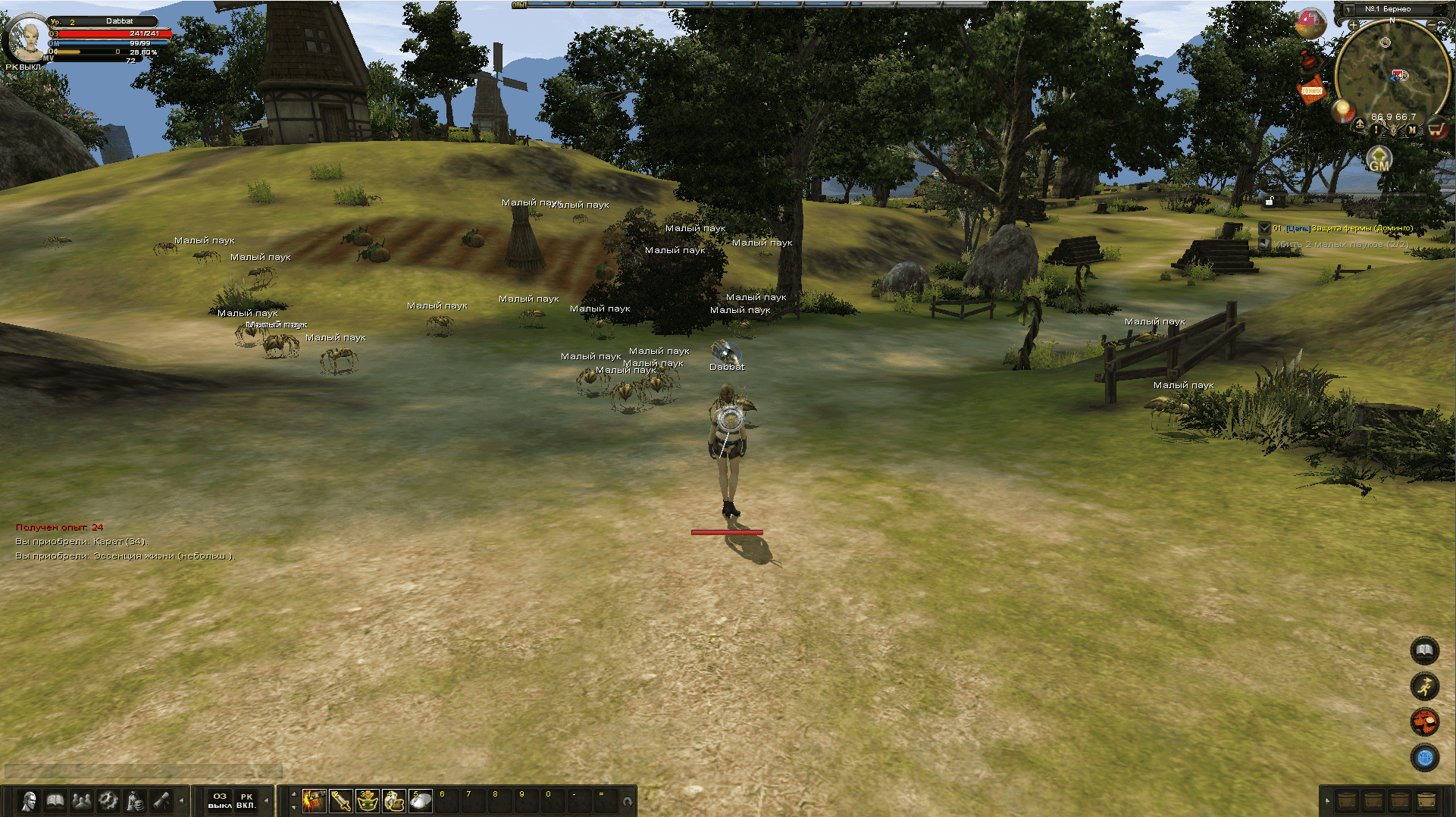
What a veteran forgives and a newcomer might not is the visual layer underneath all of it. Character models are angular, textures are simple, and there's little in the way of modern post-processing — this isn't a photorealism play gone wrong, it's a recognizable early-2000s look with two decades of patches on top. For someone who grew up on this series, that's closer to a time capsule than a limitation.
Clan structure carries over unchanged too, and it rewards exactly the kind of patience a returning player already has. A clan's reputation, level, and war rewards accumulate independently of any single member and never reset when someone quits, so a five-year-old clan with a stable core still outweighs a fresh one stacked with strong individual players. Large alliances have held entire regions of the map for years at a time, and a castle changing hands is rare enough that server chat talks about it for weeks afterward.
Combat runs on classic target-lock tab targeting and a memorized skill rotation, not the dodge-and-aim rhythm of newer action MMOs. Classes fall into familiar archetypes: knights hold the line, melee fighters and rogues burn down single targets, archers kite from range, battle mages burn through enemy resources with area spells, healers and support mages patch up the party, and summoners send spirit companions into the fight on their own. Race and class together define a build far more than starting gear does — the same profession plays noticeably differently on a human versus a dark elf, thanks to racial passives that shape everything from resistances to crit rates.
A couple of classes exist only in Essence. The Death Knight is limited to male human, light elf, and dark elf characters, fights with a two-handed sword, and can temporarily turn into a burning skeleton at peak strength — a flourish found nowhere else in the franchise. The Samurai arrived in late 2025 with its own katana-based style, and the high elf race brought the Elemental Master, who juggles different elemental spheres mid-fight, and the Divine Templar, a knight-priest hybrid whose skills double as both attacks and heals depending on the target. None of these classes replace anything from the base roster — they sit alongside the eight archetypes as extra flavor for players who've already leveled a few characters and want something the original 2003 game never offered.
Fishing is available from level one, requires no party, and runs its own small progression track — rod, bait, inventory and storage expansions earned through fishing experience. It's one of the rare side activities here that doesn't feel bolted on for a checklist; it works as a quiet parallel game for anyone tired of grinding monsters, and it's entirely possible to spend an hour by the water and walk away with a pile of useful odds and ends without ever opening a single combat window.
Crafting leans hard on race: dwarves get a bigger recipe book and access to a dwarven crafting track no other race can learn. Materials rarely just sit on the ground — most come from the spoil skill, looted off monster corpses, then turned into gear components at a dwarven crafting station in any major city. A simple chain looks like this: spoil ore off monsters in a mine, hand it to a dwarven blacksmith, walk away with a metal ingot, craft that ingot into a sword, then sell the sword through a private store to the next player who'd rather skip the whole process. There's no central auction house. Trade runs through private stores that players set up right on the street, searchable server-wide through an in-game menu — a distributed market rather than a single listing board, where price is set by a neighbor rather than an algorithm.
Adena, the local currency, buys almost everything except the very top-end gear, which only drops from bosses and sieges — a deliberate ceiling that keeps the richest players from simply buying their way to the top. Clans build on top of that economy: they form alliances, claim clan halls — permanent or temporary — and fight over territory long before an actual siege is scheduled, and clan progress — reputation, levels, war rewards — accumulates independently of any single member. A clan that loses half its roster to burnout doesn't start from zero the next season; the structure itself remembers what the people inside it earned, which is exactly why recruitment pitches on most servers lead with a clan's age rather than its current headcount.
After enough hours, the game shows its hand. Bosses live in the open world with no instances — the Queen Ant, the Core, Orfen, and others can be found roaming, and their respawn timers were cut down enough that fights over a spawn happen almost back to back. There are clan dungeons for organized groups too, but the real weight sits on the open map, not behind a locked door: a boss spawn with no instance queue means the fight for it often starts before the boss itself even appears, with rival clans staking out the location an hour in advance.
The Siege of Giran remains the centerpiece of the calendar: whichever clan holds the city controls its taxes and claims a status that alliances spend weeks preparing for, stockpiling resources, scouting rival guild movements, and lining up allies. Smaller clan wars run in parallel — no formal siege, same stakes, and starting one just takes an official declaration through the game's clan menu, after which karma stops applying to kills between the two sides. Once a season, the World Olympiad opens up a tournament for the Hero title. On the Project Eva server cluster, the Olympiad was reworked into a 3-on-3 team format, dropping the traditional solo 1-on-1 in favor of coordinated play. Occasionally the publisher runs cross-server wars with real prizes, where the score is kept between whole servers instead of individual clans.
The honest answer depends on which servers you play. On the classic servers, the L-Coin shop has drawn years of community criticism: some of the most important skill books were sold through random boxes with roughly a one-in-four chance of dropping, and a full gear boost could run into the tens of thousands of rubles — a fact backed up by reviews and forum complaints that stretch back years. Reaching endgame without spending a ruble is possible in theory, but the gap between a paying player and a free one widens well before the top tiers. The shop itself sells more than cosmetics, too: no-experience-loss resurrection scrolls, combat consumables, and paid class or appearance changes that skip the usual grind sit right alongside the skin sets — some of it is convenience, and some of it is a real shortcut through the game's core loop.
Since spring 2024, an alternative exists: the Project Eva server cluster with capped monetization, where every piece of gear comes from bosses or adena, and real-money purchases are limited to gold packs and Eva Pass. There's a hard ceiling on that spending, too: no more than five Eva Pass bundles a month per account, whatever your budget looks like.
By the end of 2025, community sentiment had settled on Project Eva as the sensible way to start in 2026, though the pass itself turned into something close to a mandatory monthly bill: boss drop rates take a real hit without it, and calling this model entirely free would be a stretch. It's a genuine improvement over the old L-Coin shop, not a clean solution to it.
None of this adds up to an easy recommendation either way, so here's the balance sheet stripped of nostalgia and marketing copy.
Yes — the client, character creation, and most gear are free, though the item shop and the capped Eva Pass on Project Eva servers add optional real-money purchases.
Open-world PvP is available at any level through the karma system, alongside guild wars, the Siege of Giran, and the World Olympiad arena tournament.
No — it's distributed exclusively through the publisher's own Fogame launcher for Windows PC, with no Steam, console, or mobile release.
For anyone who still enjoys guild-versus-guild politics and can live with a twenty-year-old engine, Project Eva makes 2026 one of the more reasonable entry points the game has had in years.
So does Lineage 2 Essence earn a spot on your drive in 2026? If castle sieges, guild politics, and a slow-burn economy still sound like fun after two decades, the answer is yes, and Project Eva finally prices that fun fairly. Players coming from newer, cleaner MMORPGs will have to get past a dated engine and a UI that hasn't chased any modern trend, but the payoff on the other side is a kind of guild-level scheming that most current live-service games have simply stopped trying to build. If the last MMORPG you finished had gamepad support and full voice acting, this isn't the game that changes your mind — it was never built to.