 F2P · Live
Lineage 2
Aden's castles never stay in the same hands for long, and Lineage II has built an entire twenty-three-year…
Azmara is a land teetering on conflict, its factions clashing over Fletta, the mystical energy source that fuels magic, weapons, and character growth alike. Karos: Rebirth revives Galaxy Gate's classi...
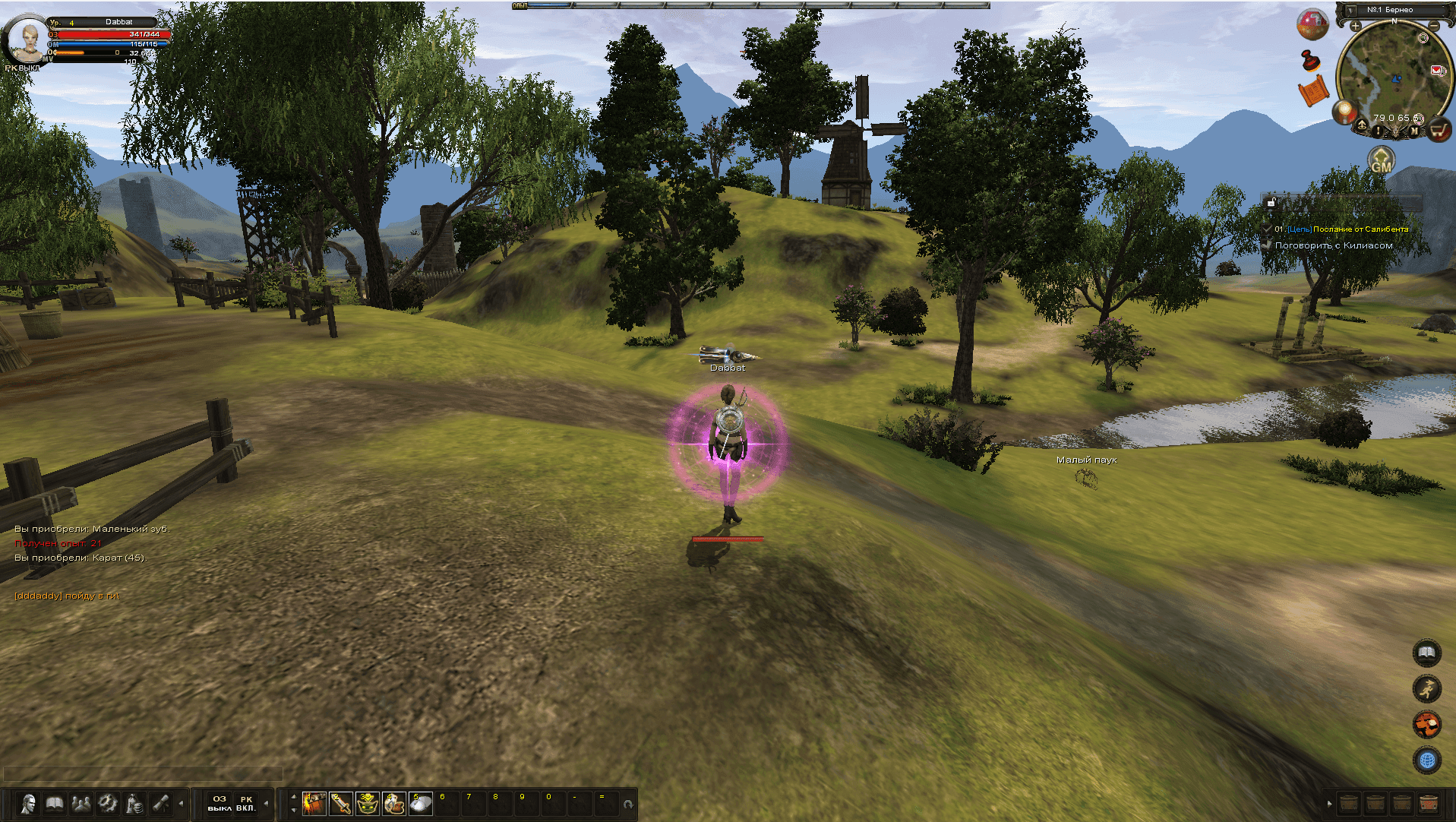
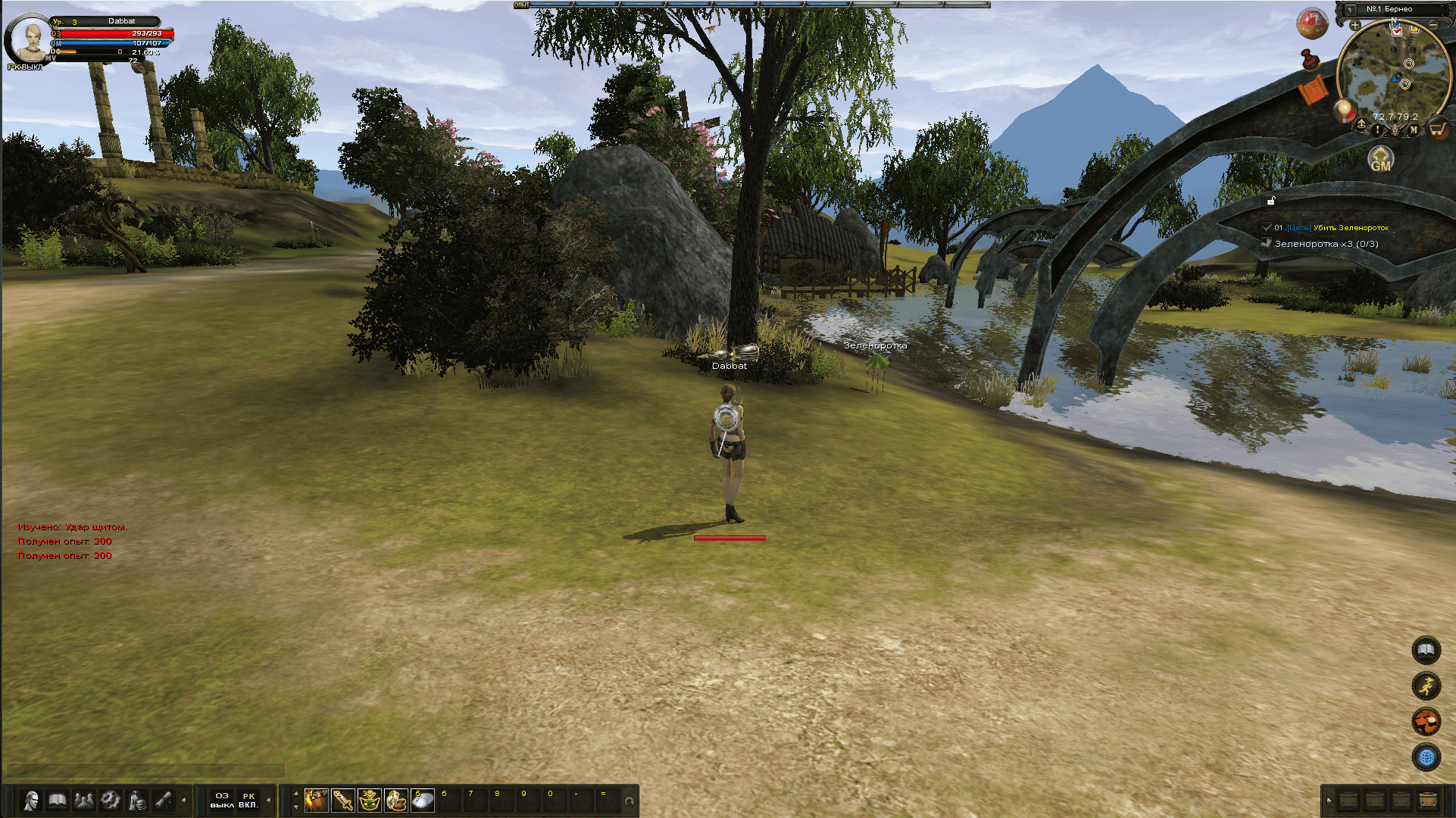
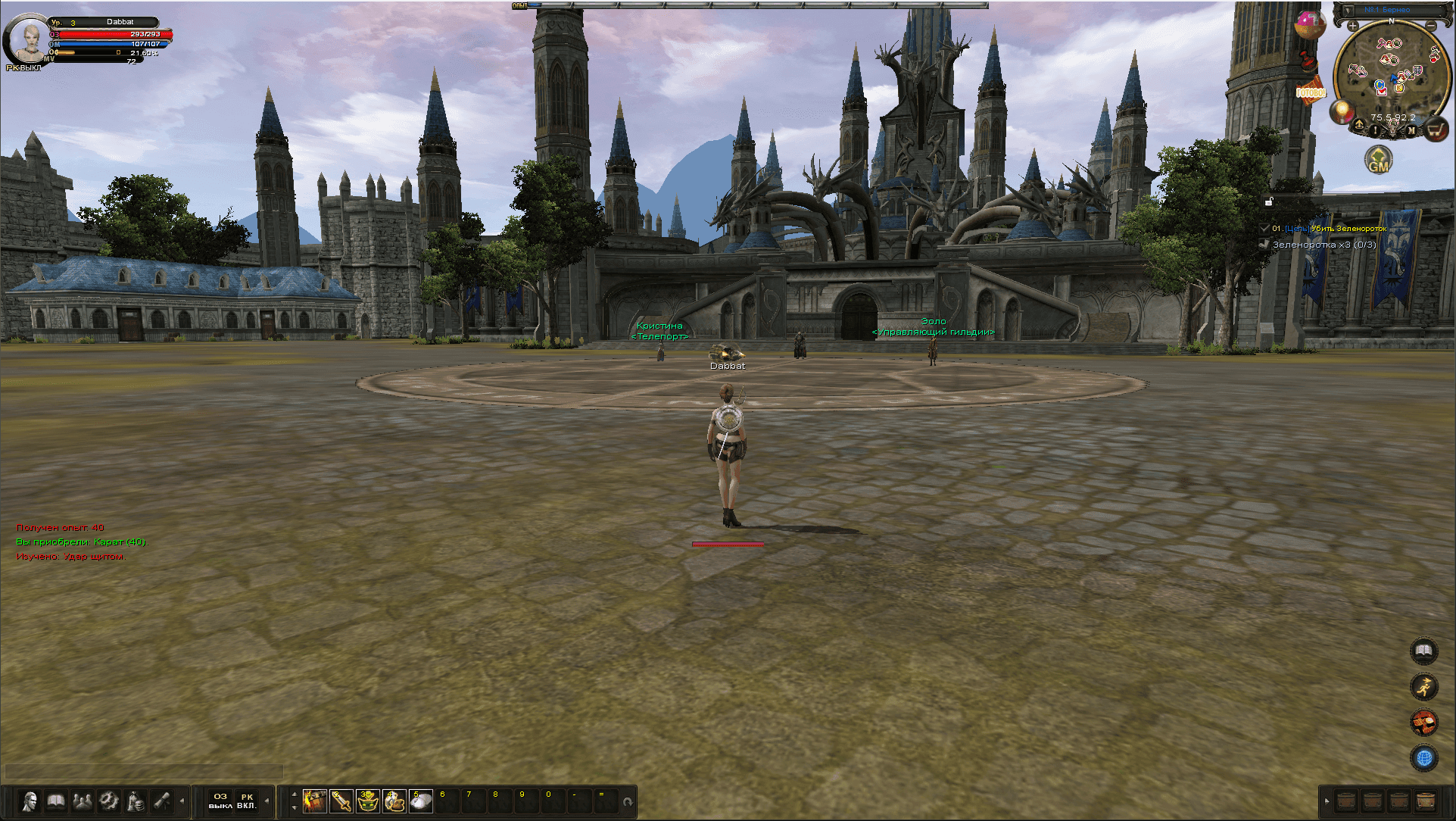
Karos is a fantasy MMORPG developed by the South Korean studio Galaxy Gate, originally commercialized in Korea in December 2009 and currently published in its "Karos: Rebirth" form by GameXP.com. It's a game that has been declared dead more than once and kept coming back anyway, and in 2026 it's still running live servers, still pushing seasonal events, and still charging real money for wings. Whether that's a testament to stubborn charm or just inertia is what this Karos review sets out to answer.
Karos is set in Azmara, a medieval fantasy continent split between four playable races and shadowed by Fletta, an ambient magical energy that everything in the game eventually orbits around — combat, crafting, faction conflict, the works. The lore is present but thin by design; this was built during an era of Korean MMORPGs where the opening cinematic and a few quest-giver paragraphs were considered sufficient world-building, and nothing since has changed that approach. You won't remember a single named villain a week after logging in, and that's fine, because nobody comes to Karos for the story.
What you will notice is how the game looks and moves. Character models and environments run on an in-house engine GalaxyGate built for the original release, and it shows its age openly — flat texture work, stiff animation transitions, UI panels that feel like they were designed for a much smaller monitor. None of that is disguised or apologized for; the current build leans into being a legacy MMORPG rather than pretending it's something newer. The upside of that dated engine is real, though: Karos runs comfortably on hardware that would choke on almost anything released this decade, and load times between zones are close to instant.
Character creation gives you four races and seven classes to combine, each class tied to a specific weapon identity — greatsword bruisers, dual-blade skirmishers, staff-slinging casters, and a gunner archetype that plays closer to a ranged specialist than anything else in the roster. The starting zone is a straight tutorial funnel: kill a handful of low-level monsters outside town, turn in the quest, get handed your first skill points, repeat until the game trusts you to leave the newbie fields. There's no twist to it — it's a quest-hub opener that plenty of 2009-era MMORPGs used, and Karos hasn't rewritten it since.
The system that actually defines the game is Fletta. As you fight and quest, you accumulate Fletta points, which get poured into a secondary progression layer sitting alongside normal leveling — think of it as a permanent stat-and-skill amplifier that runs in parallel with your character level rather than replacing it. A level-40 character with a well-invested Fletta pool can meaningfully outperform a level-40 character who ignored it, which means Karos asks new players to track two growth curves at once from the very first hour. It's a smart hook for retention — there's always another Fletta threshold to chase — but it also means the early game teaches you a second currency to manage before you've fully learned the first.
Combat runs on the classic hotbar-and-cooldown model rather than anything reflex-driven: target an enemy, rotate through your class's active skills as they come off cooldown, manage positioning against groups rather than dodging individual telegraphed attacks. It's functional rather than flashy, and it hasn't been meaningfully overhauled since launch. Where it earns some credit is in how the professions and the Fletta system feed back into it — the twelve "super skills" available at higher investment tiers genuinely change how a class plays, turning a plain melee rotation into something with real burst windows if you've put the resources in.
The day-to-day loop for a leveling character is straightforward: clear a quest hub, dip into an instanced dungeon once you're geared for it, sell or disenchant what you don't need, and feed spare materials into your professions. Gathering and crafting sit right next to combat rather than off to the side — Karos supports up to 42 professions across gathering, refining, and crafting disciplines, and a dedicated crafter can gear an entire guild's worth of alts without ever touching the auction house. That's a deeper economic layer than most modern gacha-adjacent MMOs bother with, and it's arguably the strongest design holdover from the game's 2009 roots, when player-driven economies were still the default rather than the exception.
PvE content past the leveling zones consists of instanced dungeons scaled to gear tiers, the standard MMORPG answer to "what do you do between quest hubs." They're not reinvented here — pull, burn cooldowns, loot, repeat — but they do the job of gating better equipment behind organized group play instead of solo grinding. Mounts add a small wrinkle worth calling out: several of them transform into wearable armor pieces when not actively ridden, so a mount doubles as a cosmetic slot rather than sitting unused in an inventory tab between rides.
The player-driven auction house is where Karos still resembles an old-school economy MMO more than a modern live-service one. Crafted gear, refined materials, and premium-shop cosmetics all funnel through it, and the game explicitly markets this as a way to earn premium items without paying — grind, craft, sell, buy what you actually wanted. Whether that loop is fast enough to compete with simply buying the item outright is a fair question, and it leads directly into the part of Karos that's aged the least gracefully.
Sounds like a purely solo grind so far? It isn't, once guilds get involved. Karos layers PvP across three formats: straightforward arena duels for individual skill testing, large-scale castle sieges where guilds fight over control of a fortified zone, and mine sieges that gate access to valuable resource nodes behind the same guild-versus-guild combat. These are the moments Karos was actually built around — dozens of players converging on a single contested point, banners and siege equipment in play, a genuine sense of stakes that the leveling zones never manage to create on their own.
The catch is the same one that follows most MMORPGs with a decade-plus history and a heavy cash shop: siege outcomes lean toward guilds with deeper collective spending, since enchant and enhancement systems compound gear differences over time in ways a skilled but unfunded player can't fully close on reflexes alone. A well-organized free guild can still hold territory through numbers and coordination, but showing up alone to a siege against a whale-backed guild is not a fair fight, and Karos doesn't pretend otherwise.
Guilds are close to mandatory if you want to see the game's best content — sieges require them by definition, and the broader endgame social scene runs almost entirely through guild Discord and in-game chat channels rather than any built-in matchmaking tool. That's consistent with the era Karos comes from: this is a game that assumes you'll find your people and stick with them, not one that hands you a group finder and calls it a social system. Server population in 2026 is modest — GameXP itself doesn't publish concurrent-player figures, and the small volume of recent Steam reviews (a little over a dozen in the last month) confirms this is a niche audience rather than a bustling one — but the community that remains is active enough to be running seasonal events and rate-boost weekends as of this July.
Yes, more than the auction-house pitch lets on. Karos is free-to-play with a premium item shop, and the shop's own pricing tells the story: alongside modest starter bundles sit packages running well past a hundred dollars, with some premium content packages listed above $800 when purchased together. Convenience items, enhancement materials, and cosmetic mounts all funnel through the same storefront, and the enhancement system in particular — the mechanism behind gear upgrades like the "+13" sharpening events the game currently promotes — is the classic old-school MMORPG money sink: higher tiers carry real failure risk, and premium currency softens that risk in ways that compound heavily at endgame.
To be fair to it, Karos doesn't hide any of this behind vague terms, and the auction house genuinely does let a patient free player convert playtime into premium-shop items secondhand. But anyone coming from a modern gacha with published pull rates and hard pity systems will find Karos's enhancement gambling comparatively opaque, and the price ceiling on its biggest bundles puts it well into the range where impulse spending can get expensive fast. Approach the cash shop with a plan, not a browser tab left open during a rough sharpening streak.
Here's the honest question to ask yourself before downloading it: are you looking for a modern MMORPG, or are you looking for the specific, slightly rough-edged feeling of a 2009 Korean MMORPG that never fully went away? Because Karos is emphatically the second thing. It won't out-produce anything released in the last five years, its monetization deserves real caution, and its population means the best content — sieges — depends on finding a server with people still willing to show up for them. But the crafting economy is more substantial than its dated shell suggests, the Fletta system gives leveling actual texture, and there's a specific kind of player — the one who misses when MMORPGs assumed you'd find a guild and stay there — who will feel genuinely at home. Karos isn't trying to win you over. It's just still standing, which by this point counts as its own kind of argument.