 F2P · Live
Lineage 2
Aden's castles never stay in the same hands for long, and Lineage II has built an entire twenty-three-year…
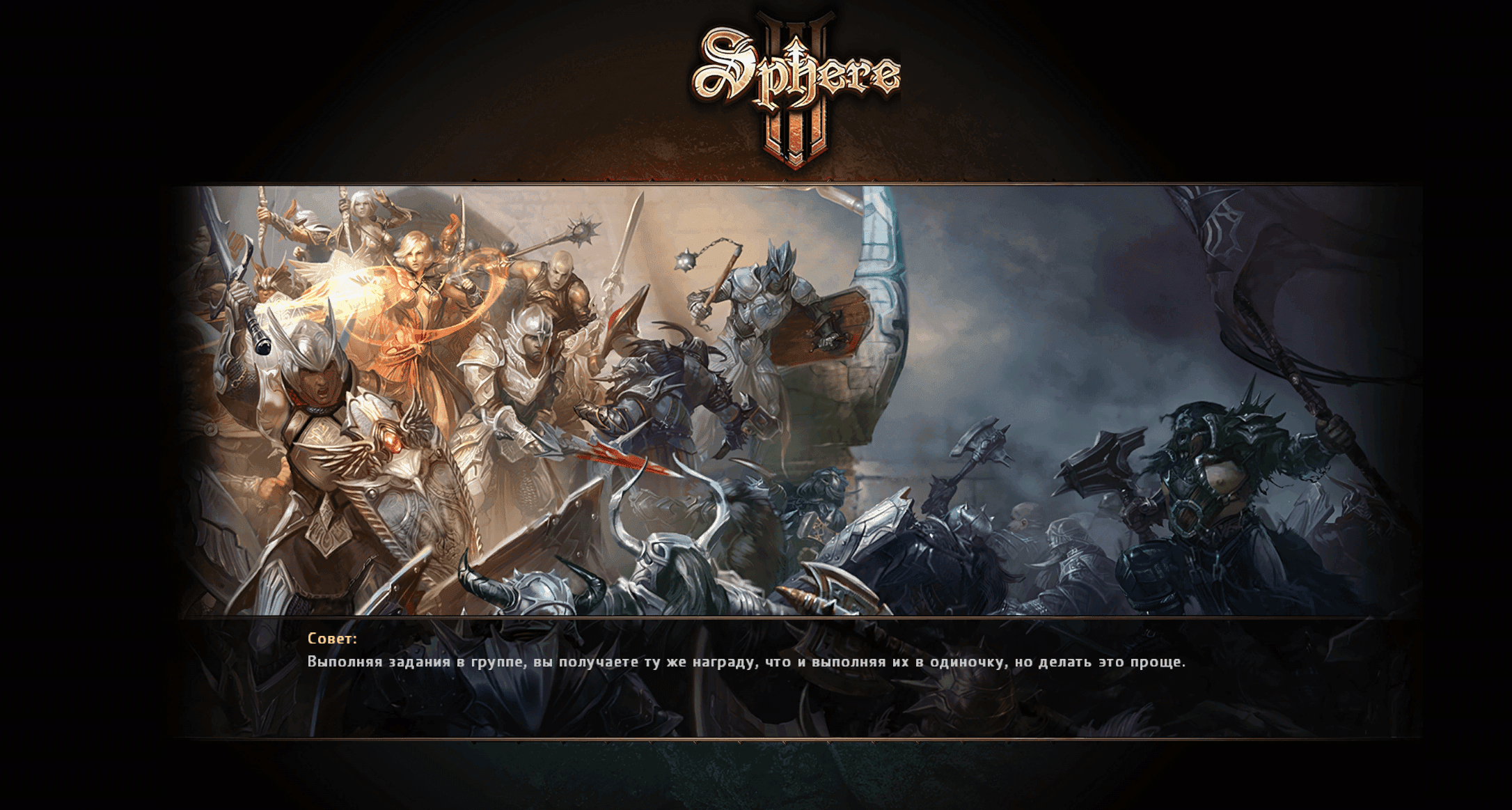
A fantasy MMORPG built on manual-aim combat and clan warfare, Sphere 3 puts twelve castles on the map and lets guilds fight for them with catapults, battering rams and forward bases. Nine classes, two...
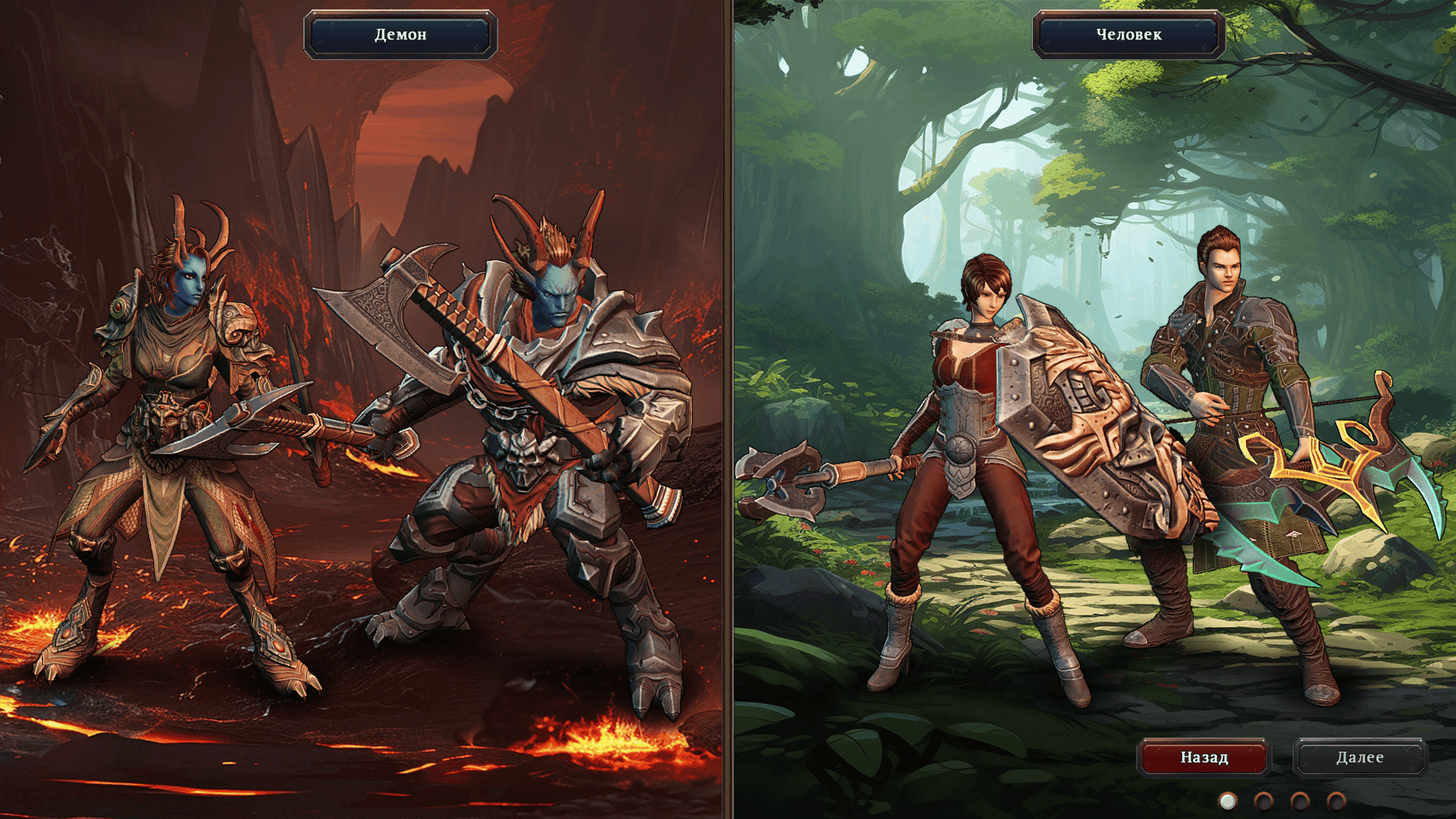
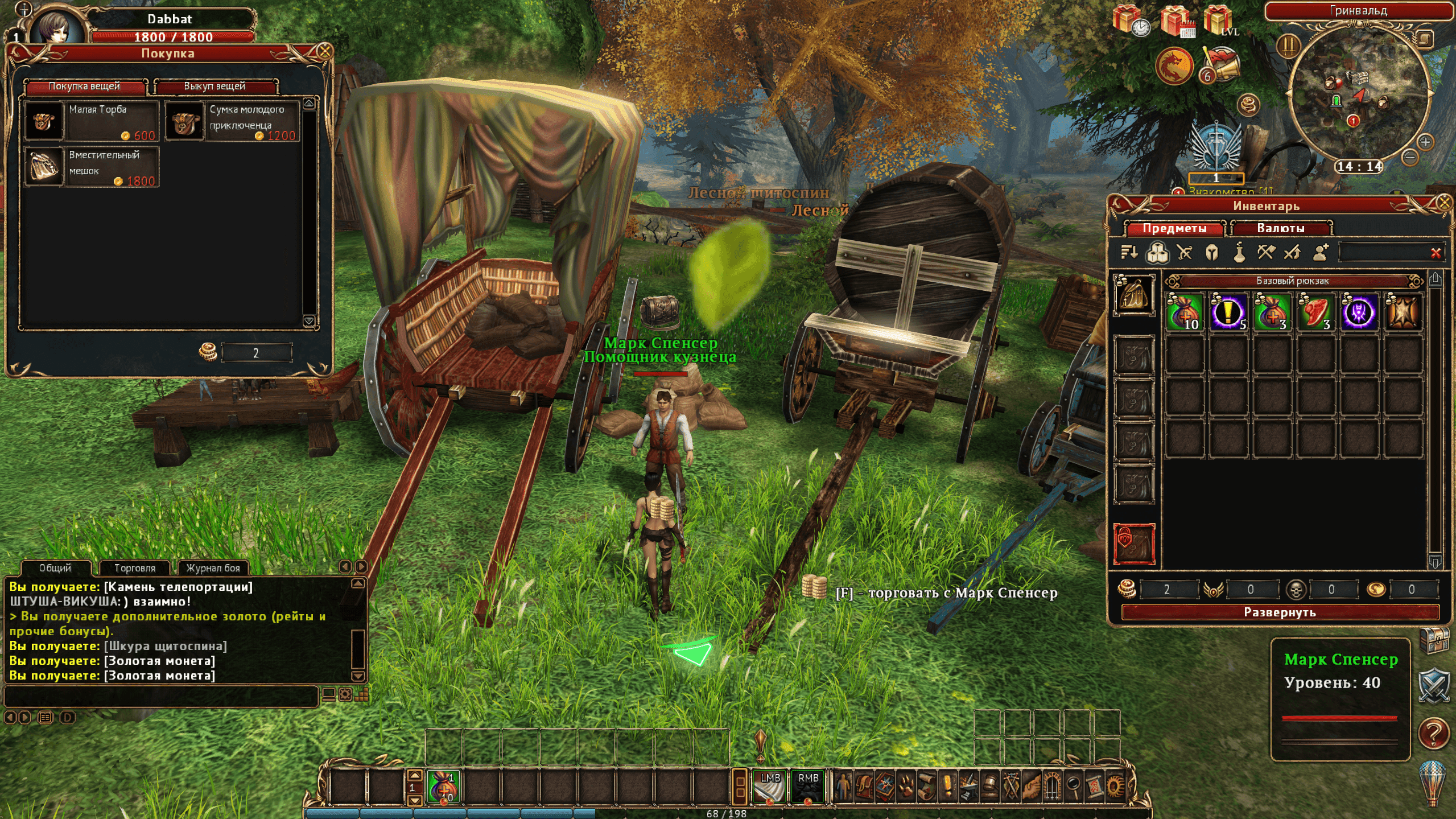
Sphere 3 is a fantasy MMORPG made in Russia and launched in 2015, the third entry in a series that started with Sphere in 2003 — one of the first client-based MMOs the country produced. It runs today under the GameXP label on a free-to-play model with an optional premium account, built around manual-aim combat and scheduled assaults on player-held castles. Eleven years after release it still ships events and patch notes several times a week.
Quick take: Sphere 3 is a working siege MMO with an unusual combat system and an upgrade economy that punishes anyone who dislikes gambling. Its highest-tier castles still pull thirty-plus players per side, while most of the mid-level ones sit uncontested for months. Worth a weekend if faction warfare with a mouse reticle appeals more than production polish does.
Every system in the game funnels toward one activity: castle sieges, timed assaults on fortresses held by other clans. There are twelve castles, from level 60 up to level 100, divided between human territory, demon territory and the contested ground between them. The lower ones run 45 minutes; the top ones run an hour and fifteen minutes, and the defending clan leader picks the start time.
An attack looks more like a construction site than a brawl. Besiegers buy scrolls from a dedicated NPC, drag resources into them and raise catapults, siege towers and a battering ram — from a resource pool small enough that overbuilding artillery can leave a clan without the ram it actually needed. A forward headquarters goes up alongside the engines, and that building is where attackers respawn, which makes it the defenders' first priority. Destroy it and every casualty on the other side walks back from the nearest resurrection point.
From there the assault has a checklist. Drop the watchtowers, break the gate — the ram does it fastest, and the more players hammering it, the sooner the timbers give — then kill the guard NPCs and at least thirty percent of the defending characters before taking the flag points. Points flip faster the more attackers stand on them. When the last flag falls or the clock expires, the winning leader gets five minutes to pour an elixir into the castle sphere; miss the window and the castle turns neutral and seals itself for a day.
What a clan gets for all this is worth the trouble. A captured castle produces a chest that starts filling with sharpened weapons, armor and jewelry a day after the flags change hands, plus a private teleport, a castle mount, and a buff from the castle mage that grows stronger the longer the walls stay held. Both the teleport and the buff switch off during a siege, so losing one costs a clan its logistics along with its trophies.
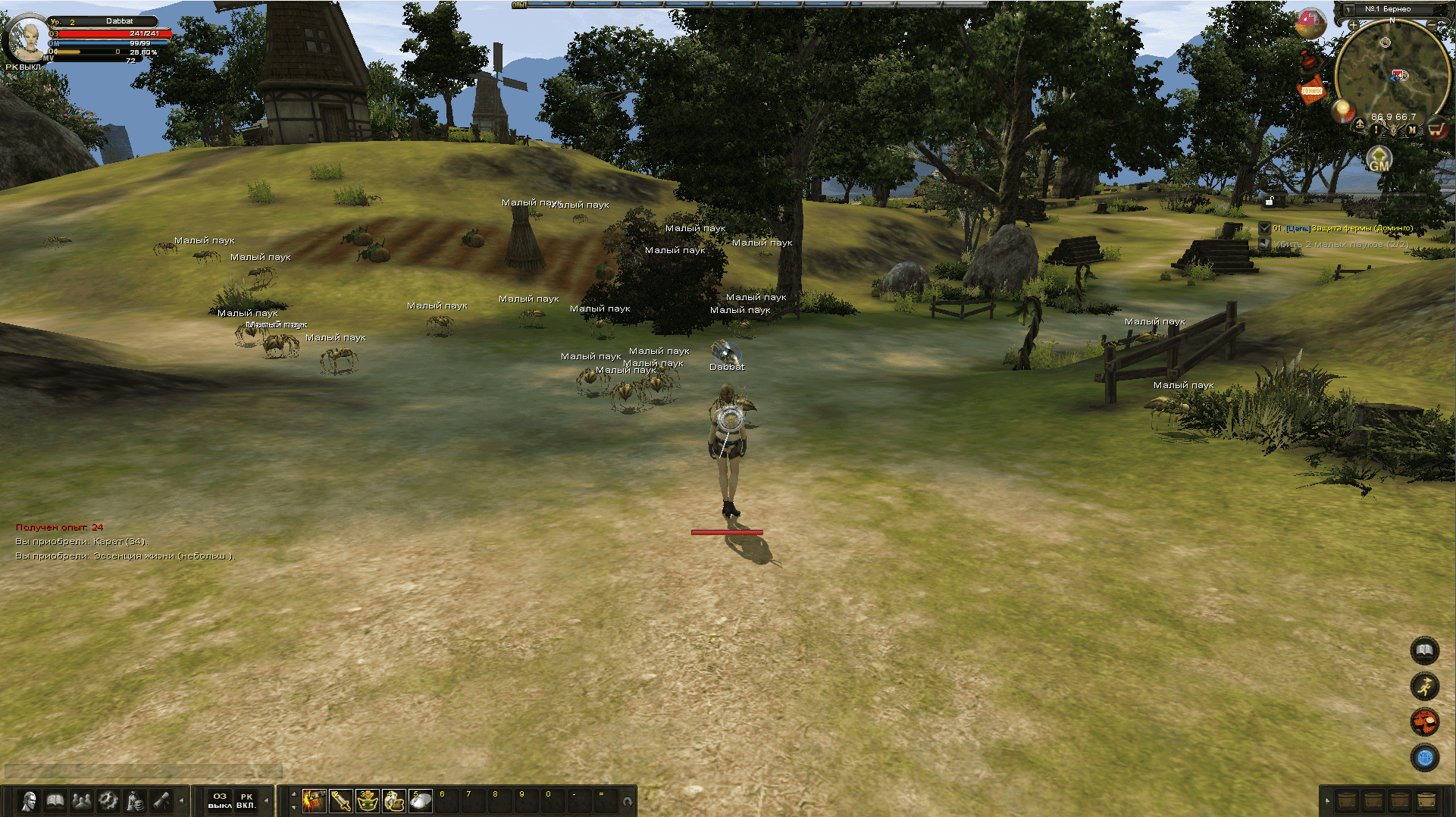
Partly. Sphere 3 uses non-target combat, which means you aim manually and rewards movement, but a gear gap still settles most fights before positioning gets a vote. Tab switches between a mouse cursor and a combat reticle, and every skill icon carries a colored frame: green for melee, yellow for mid-range, red for ranged. The reticle shifts color with distance, so the game tells you which half of your bar is live without making you eyeball meters.
The result sits somewhere between a tab-target MMO and a third-person action game. Projectiles miss if the target moves, healers have to keep a reticle on an ally who is being chased, and a melee class that loses its target spends the fight running. Against a stationary world boss none of this matters much. Against a competent Assassin it decides everything.
Skills themselves don't level. Instead the character earns one reinforcement point every two levels — two per level past 40 — and spends them on individual parameters of individual abilities. The Sorcerer's Fire Arrow is the game's own teaching example: a one-second cast that throws 100% of magic attack up to thirty meters, where a point can shave the cast time, add 2.5 meters of range, or push the damage ten percent higher. No skill takes more than six points and no single parameter takes more than one, which is a deliberate ceiling on burst. Reset scrolls exist for anyone who builds themselves into a corner.
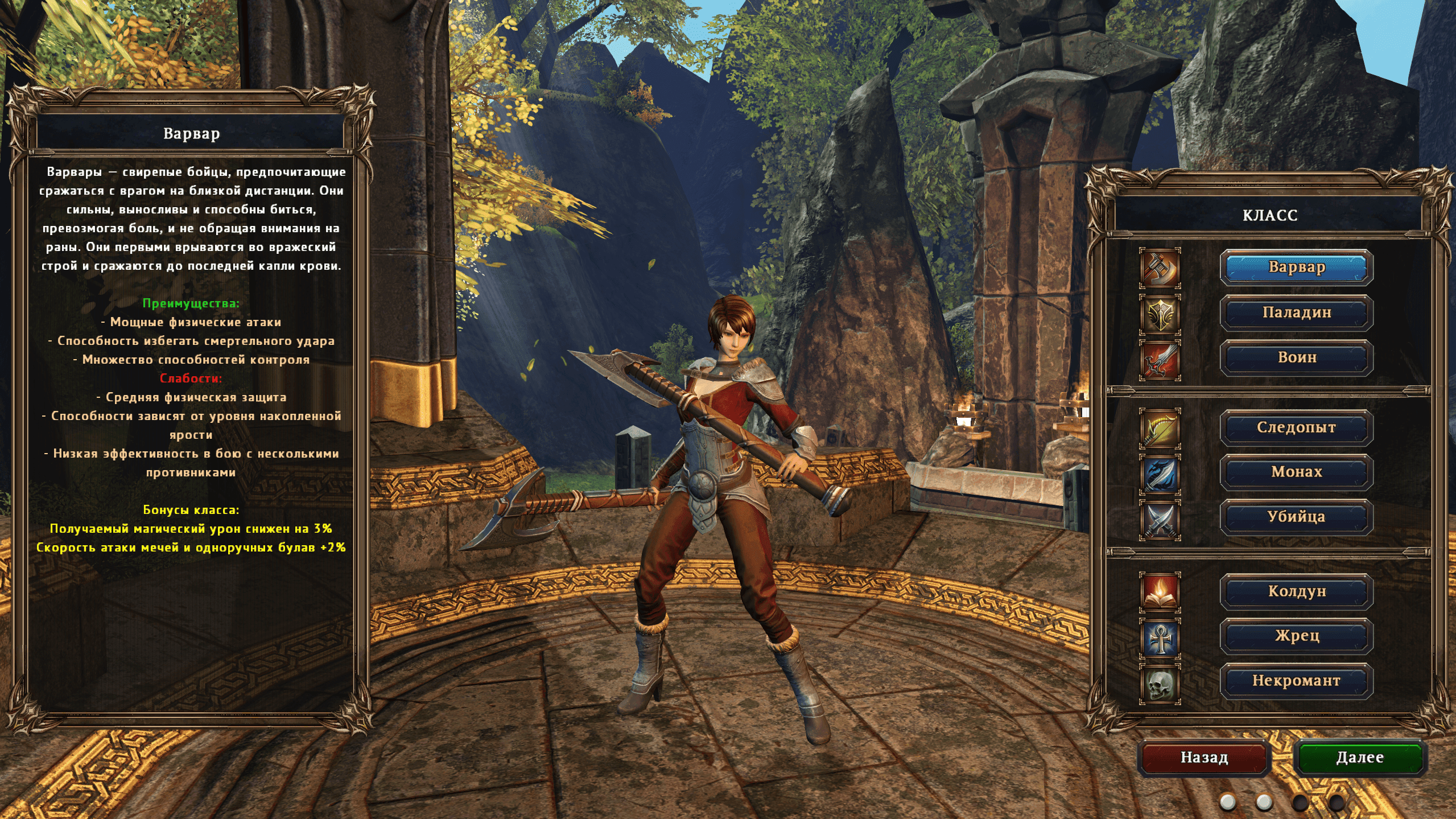
The road to a siege is an old-fashioned quest grind, long enough that most players never see the far end of it. Character creation offers two races, human and demon, across nine classes — Barbarian, Paladin, Warrior, Ranger, Monk, Assassin, Sorcerer, Priest and Necromancer. Elves and dwarves have been promised on the official site for years and still have not arrived.
The opening minutes are unembarrassed about their vintage. You spawn in your race's starting zone, a tutorial hands you training dummies to teach the reticle colors, and from there quest markers lead outward through a story that the developers count at over a thousand tasks. Login bonuses, playtime bonuses and a reward every five levels keep the early hours ticking along. Community reports are consistent that the quest supply thins out well before the level cap, at which point progression becomes dungeon runs, world bosses and daily tasks.
Durability is the quiet tax on all of it. Equipment degrades in combat, degrades much faster on death, and a fully broken item loses its stats and upgrades outright — a broken weapon takes every skill tied to it offline until a merchant repairs it. Add a 24-slot starting backpack, four purchasable bags and a bank that stores the gold you can't afford to be carrying, and the inventory management alone marks this as a design from a different decade.
Then there's the zoning. Safe areas cover the newbie regions; neutral zones allow attacks on your own faction if you flip the PK toggle on the minimap; castle zones are open season. Killing a fellow faction member outside a fair fight builds negative karma, and karma has teeth — past 400 points, dying costs 40% of carried gold, two to four inventory items, and a coin flip on a piece of equipped gear. On the dedicated PvP servers the safe zones shrink to the starting areas and the rest of the world is permanently live.
Item upgrading, not leveling, is the progression that actually separates players in Sphere 3. Any piece of equipment can climb toward +20 through scrolls and a fee at an NPC, but the odds fall away fast: guaranteed only to +3, safe to +4, and increasingly unlikely from there. Safe in this context means a failure knocks the item back a level rather than destroying it — and that safety net does not extend up the ladder.
Two consumables sit on either side of the gamble. A protection crystal keeps a failed attempt from breaking the item; a reinforcement crystal improves the chance of success. Both are cash-shop staples, both circulate on the player auction, and both are exactly why the enhancement system doubles as the game's monetization engine.
Weapons take a second layer on top. Enchanting caps at level 5, requires prior upgrading, and comes in scroll tiers pegged to item levels 10 through 60, with effects that read like a proc list from 2005: additional physical damage, a ten-second bleed, an ignite, a heal that fires off your own attacks. Gem socketing adds a third layer. None of these are guaranteed either, and the higher the item and the enchant, the worse the odds get.
Crafting arrived a year after launch and was built to matter rather than to decorate the interface. Players gather materials, raise professions, and at the top of a profession can apply special abilities to their output that no drop provides, which gives crafted gear a genuine place at the high end rather than a stopgap role for players between dungeon runs.
The auction ties it together. Enchant scrolls, crystals and crafted equipment all move through it, along with the currency needed to buy them, and the practical effect is that anything sold in the store eventually reaches players who never opened the store. That's the honest reading of the economy: money accelerates, but it doesn't lock anyone out of the item pool.
Yes, in the narrow and specific sense that matters here — cash buys the consumables that decide the upgrade race, and upgrade levels decide fights. A premium account grants double item and gold drops, plus ten percent more experience and honor points, along with an extra bag slot. Steam sells a one-time premium bundle at $9.99 and nine further packs running up to $99.99 apiece, and the paid currency also buys the three-day castle protection elixir where in-game gold only covers one or two days.
What the store doesn't do is sell raw stats. There's no gear tier locked behind a paywall and no direct power purchase; the advantage is compounding rather than instant, which in a game this old means the paying veterans are far ahead and the gap is a matter of years, not of a single credit-card session. The operator has also experimented in the other direction, running a shop-free subscription server in 2020 for players who wanted the economy sealed off.
A small, mostly Russian-speaking population that clusters almost entirely at the top of the level range. Steam's numbers are grim on their face — an average of roughly seven concurrent players over the last month against an all-time peak of 246 back in December 2015 — but the game has its own launcher and portal, and Steam has never been where its audience lives. The more useful evidence is the official castle rankings, which publish attacker and defender counts for every siege.
Those rankings tell a clear story. On the international Prometheus server in early August 2026, the level 90 castle recorded thirty-eight defenders against thirty-four attackers in its last siege, and the level 100 castle logged 36 against 28. Meanwhile six castles between levels 60 and 80 sat with no owning clan at all and last-siege timestamps from June. The endgame is contested; the mid-game is a ghost of one.
Servers run under the names Prometheus, Agni and Atlas, the last on Americas-friendly hours, and the client ships with eleven interface languages. Steam's lifetime score sits at Mixed, with 53% of 530 reviews positive — a figure dragged down by the 2015 launch window and worth reading alongside the fact that the game outlived most of its cohort.
Sphere 3 earns an install for exactly one reason in 2026: somebody needs bodies on a battering ram this Wednesday. Strip out the organized PvP and what remains is a competent, dated, thinly populated fantasy MMO whose quest supply runs out and whose upgrade system runs on a slot-machine logic that has aged worse than the graphics have. Nobody should install this expecting a solo adventure — the solo path is the least interesting thing the game does, and it's the path most new arrivals will end up walking alone.
With a clan, the calculation inverts completely. Seventy players fighting over a level 90 castle for seventy-five minutes, with a battering ram crew, a headquarters that has to be defended and a five-minute scramble to seal the walls at the end, is a scale of coordinated fight that has largely disappeared from the genre's mainstream. That's what has kept this game alive for eleven years while better-funded contemporaries closed their servers. Bring people, or don't bother.
Yes. The client and all content are free, funded by an optional premium account and a cosmetic-and-consumable store. Steam also lists ten paid bundles ranging from $1.99 for the soundtrack to $99.99 for the largest item pack.
The game receives news posts and events several times a week, and the top-tier castles are actively fought over. Activity below the level 85 bracket is very sparse, and the majority of the playerbase speaks Russian.
It does — instanced dungeons, world bosses, daily tasks and a story campaign the developers count at over a thousand quests. Separate PvE-ruleset servers also exist for players who want the open-world killing switched off.
Nine, split across two playable races. Armor types divide them into three groups: heavy for Warrior, Barbarian and Paladin; medium for Ranger, Monk and Assassin; light for Sorcerer, Priest and Necromancer.
You can level and quest solo without much friction, but the endgame is clan-gated. Castle sieges, the game's central reward loop, are not accessible to an unaffiliated player in any meaningful way.