 F2P · Live
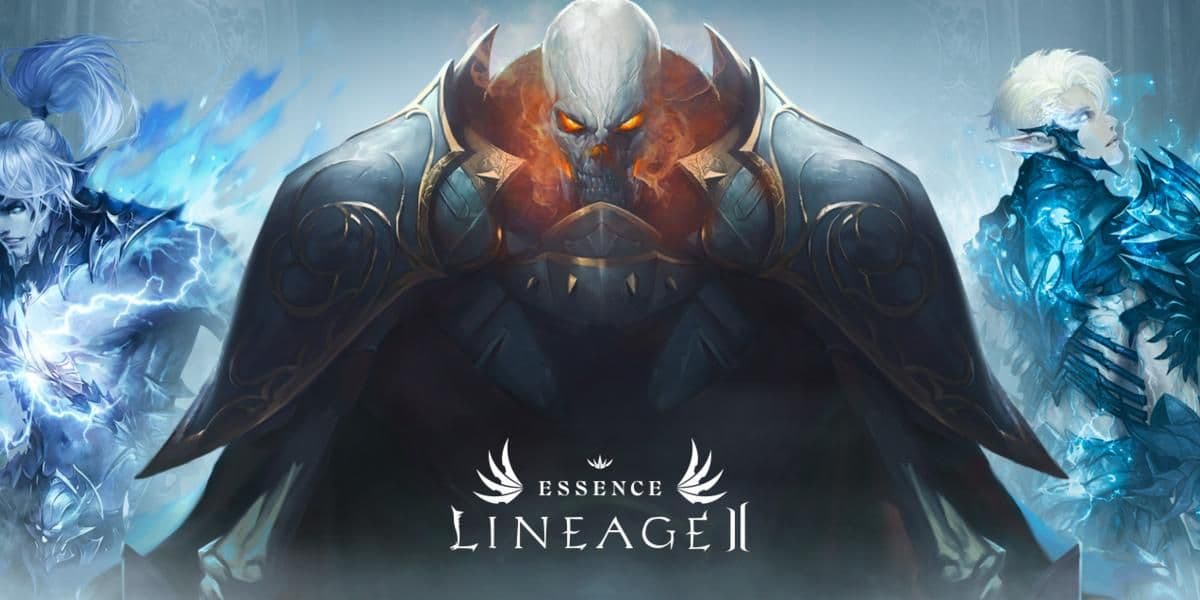
Lineage 2 Essence
Lineage 2 Essence is NCSoft's free-to-play take on the classic Korean MMORPG Lineage II, built around faster…
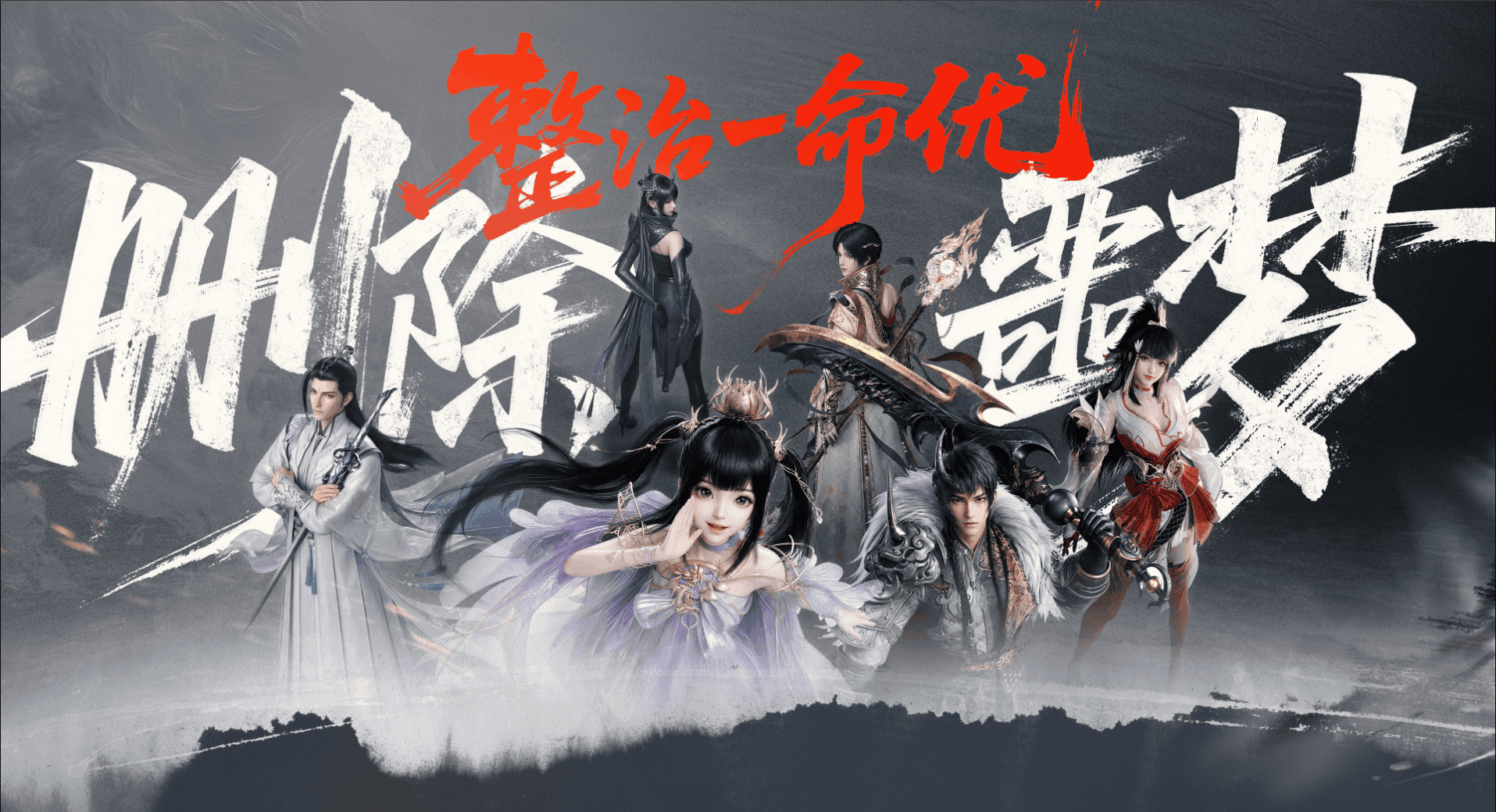
A next-generation flagship PC MMORPG built on Unreal Engine 5, set within the legendary Xianxia universe of Zhu Xian. Featuring seamless three-dimensional sword flight, a dynamic hybrid combat system ...
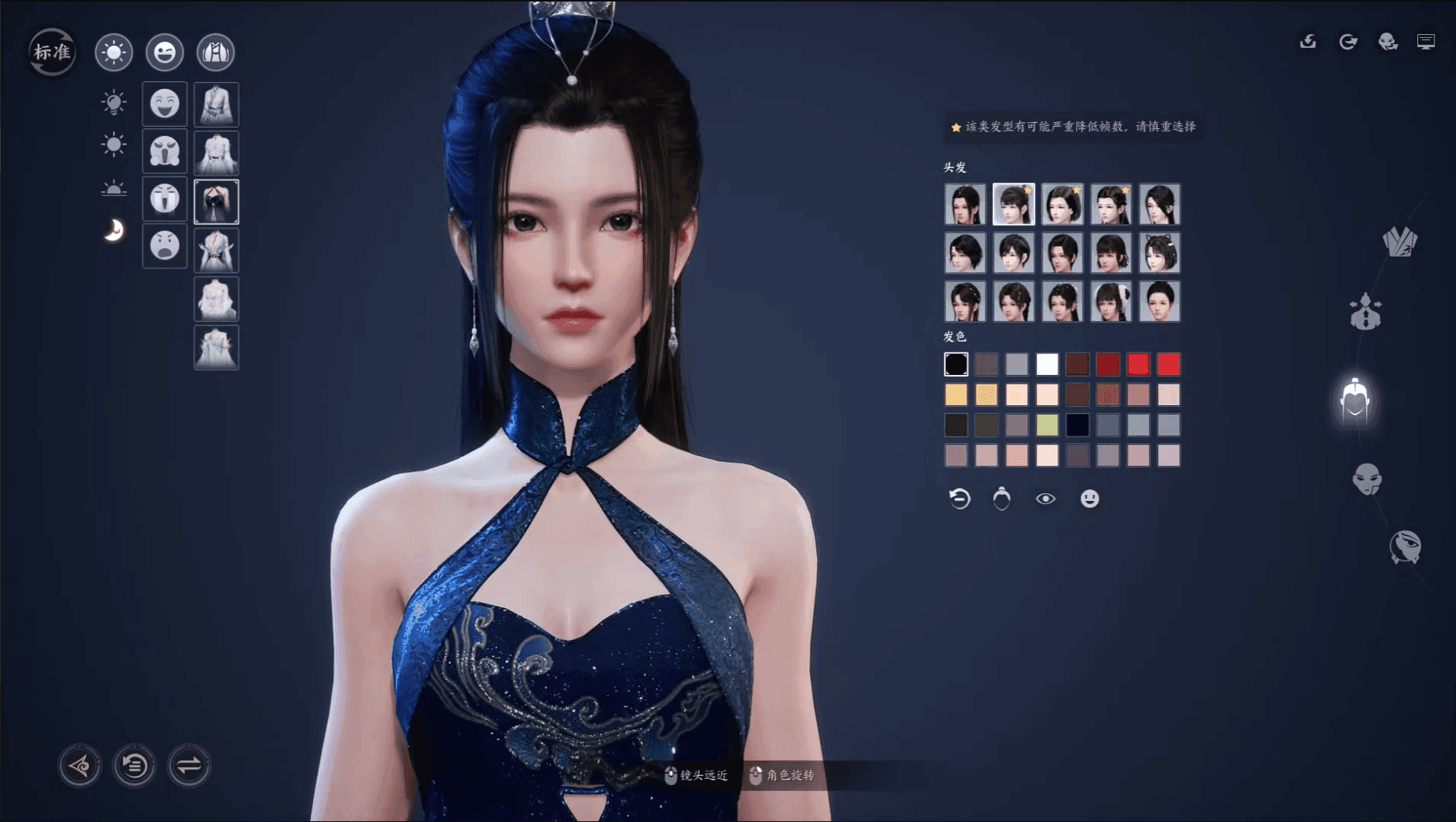
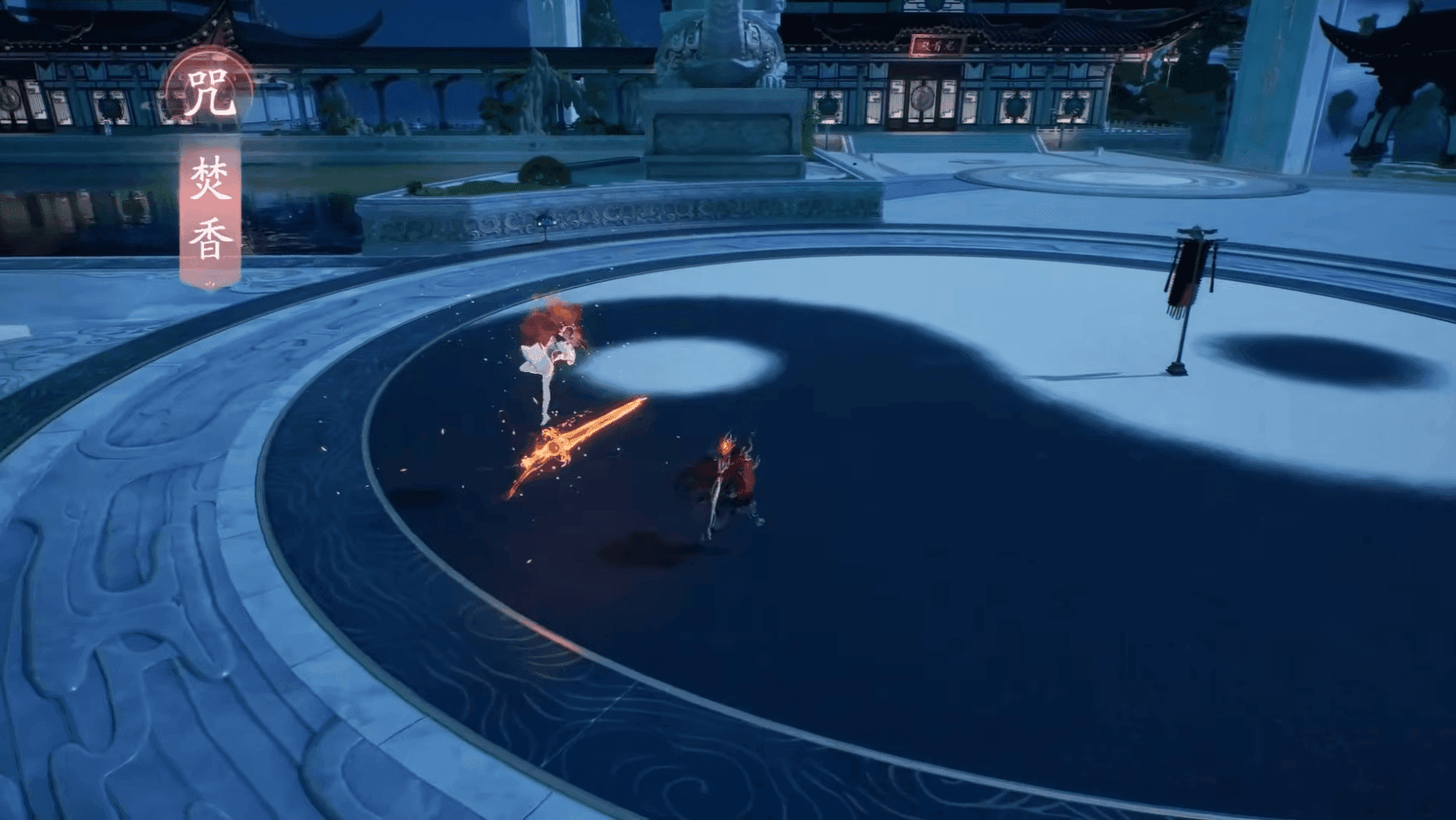
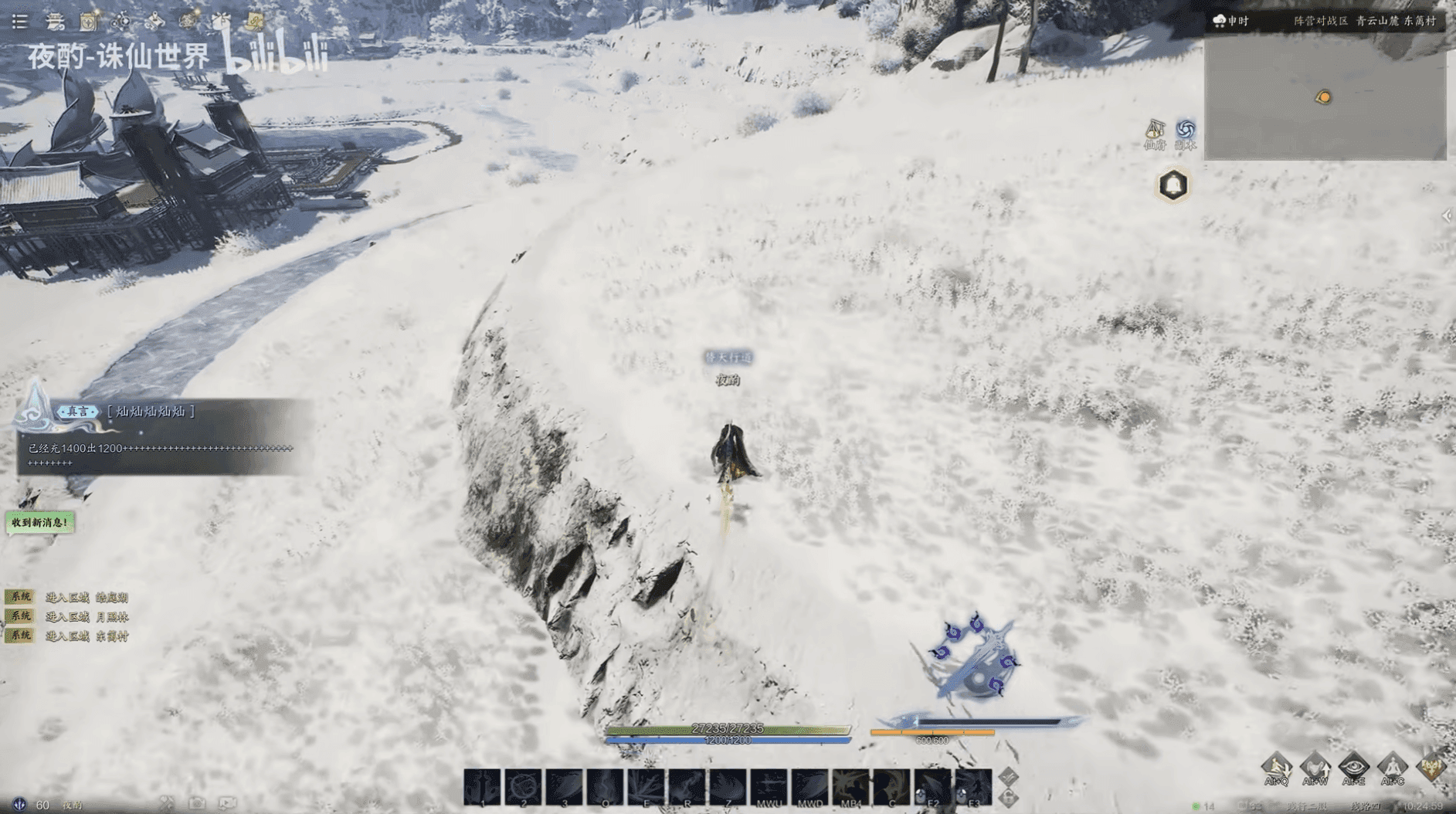
For the better part of a decade, Eastern fantasy MMORPGs have languished in a prolonged identity crisis. While Western studios grappled with modernizing the theme-park template, the Asian market largely surrendered to mobile monetization: auto-pathing clickers, suffocating paywalls, and plastic worlds compressed the rich narrative heritage of Xianxia into bite-sized daily chore simulators on smartphone screens. Against this desolate landscape, the launch of World of Jade Dynasty by industry veteran Perfect World Games marks a seismic return to form: the creators of the 2007 cult classic have returned to their roots to deliver an uncompromising, monumental, next-generation PC-exclusive MMORPG.
The project refuses to compromise with cross-platform ambitions. There are no simplified mobile touch interfaces, no gutted level geometry tailored for low-power mobile SoCs, and no predatory auto-play algorithms that reduce the player to a passive spectator. Engineered from the ground up on the Unreal Engine 5 technological stack, the game pushes modern desktop hardware to its limits, showcasing authentic cloth physics, GPU-driven spiritual particle simulations, dense architectural geometry via Nanite, and fully dynamic real-time global illumination powered by Lumen.
Anchoring this grand canvas is Xiao Ding's celebrated literary saga, Zhu Xian. Instead of leaning into conventional Western tropes of saving the realm from an impending primordial evil, World of Jade Dynasty immerses players in a meditative yet unforgiving Taoist philosophical framework:
For an international community that matured alongside the original Jade Dynasty and waited years for desktop MMORPGs to reclaim their technical ambition, this release stands as an undeniable statement: high-budget Eastern fantasy can thrive on PC without mobile dilution, automated gameplay, or design compromises.
While grounded exploration in World of Jade Dynasty presents a polished showcase of architectural grandeur, breaking free from the earth instantly sheds any illusion of a conventional MMO. The practice of soaring upon an attuned spiritual blade — Yujian — is elevated here to an indispensable, foundational system around which the entire world geometry is constructed. Where rival titles restrict flying mounts to glorified elevators bound by invisible ceilings and horizontal tethering, Perfect World Games treats the sky as a fully realized, seamless three-dimensional playground free from loading screens or invisible barriers.
Unsheathing a flying sword propels the avatar into the atmosphere with an authentic sense of aerodynamic weight. Velocity builds during steep dives, air resistance pushes back against high-altitude maneuvers, and characters slice cleanly through procedurally rendered volumetric cloud decks. The world's physical design actively rewards this vertical curiosity. Perched atop razor-sharp pinnacles inaccessible on foot lie solitary meditation shrines designed for breakthrough trials; hidden caverns carved into vertical cliff faces conceal rare cultivation reagents, and entire monastic complexes drift hundreds of meters above terra firma.
This airspace is far more than an idyllic sightseeing highway — it serves as an active theater of war. The game introduces massive, guild-controlled Flying Warships. These floating dreadnoughts function as mobile battle headquarters, firing spiritual artillery batteries to batter fortress barriers during territory sieges. Players launch directly from warship flight decks aboard their swords, intercepting opposing interception squadrons or diving through enemy anti-air flak to breach stronghold ramparts.
Yet this uninhibited aerial freedom extracts a steep hardware toll. Plunging through dense, multi-layered cloud formations severely punishes graphics hardware: volumetric fog density combined with Lumen global illumination calculations can halve framerates even on robust GPUs. Furthermore, the heavens offer zero margin for error: straying into the airspace of rival sects triggers warding formations that instantly sever the cultivator's spiritual link to their blade, precipitating a catastrophic thousand-meter freefall straight into the abyss.
The class architecture of World of Jade Dynasty is deeply anchored in Xiao Ding's literary canon. Rather than chasing amorphous hybrid classes capable of filling every role, the developers intentionally preserve the foundational rigor of the traditional holy trinity: tanks, healers, and dedicated damage dealers. When creating a character, players pledge allegiance to one of six martial sects, determining not only their weaponry and combat pacing, but their philosophical manipulation of vital Qi.
Each sect incorporates deep specialization branches: characters develop two radically diverging combat expressions. A Tianyin monk can pivot between a pure restoration support build and a martial avatar smiting foes with holy retribution; a Guiwang warrior toggles between an absolute fortress posture granting 40% passive damage mitigation and an aggressive bruiser configuration tuned for single-target decimation.
The design compromise surfaces in rigid group dependencies and cosmetic limitations. Archetypes retain partial gender and race locks — notably, the Lingxi school is exclusively restricted to a youthful female avatar model, precluding players seeking a weathered aesthetic. Furthermore, progression remains brutally punishing for lone wolves: playing a pure Tianyin healer without an organized party reduces open-world questing to a glacial crawl, while a fragile Qingyun caster on a competitive PvP battleground is effortlessly deleted by flanking assassins without dedicated vanguard protection.
For over a decade, modern MMORPG developers have vacillated between rigid hotbar rotations and twitchy console-style slashers. Rather than imposing a single dogmatic framework, Perfect World Games engineered a frictionless hybrid combat architecture for World of Jade Dynasty. At the tap of a single toggle key, players dynamically switch between traditional Tab-Target mechanics with cursor-guided target locking and an immersive Action Combat mode featuring a centered reticle, free camera control, and mouse-bound basic attacks.
The combat core hinges on spatial discipline and animation commitment. Players cannot passively absorb telegraphed blows while cycling through static cooldowns. Every martial discipline features directional evasive dashes containing vital, split-second invulnerability windows — i-frames. Successfully dodging through a boss's frontal cone nullifies incoming damage, while executing a precision interrupt (Interrupt) during designated vulnerability windows shatters the opponent's posture meter, triggering a prolonged stagger state.
Layered atop this foundation is the Spirit Contract system. At pivotal moments in battle, cultivators channel pacts forged with ancient entities: this mechanic temporarily grants attacks Super Armor frames immune to knockdown effects and stuns, or mutates standard bread-and-butter skills into devastating elemental surges. In practice, Tianyin healers gravitate toward Tab-Target controls to triage party frames efficiently, whereas predatory Hehuan assassins thrive in Action mode to slip fluidly behind enemy silhouettes.
The major vulnerability of this exacting combat loop is its extreme sensitivity to network infrastructure (Netcode) and latency. With official server clusters currently situated in China and Taiwan, Western and European players inevitably contend with ping thresholds hovering between 120–200 ms. In high-stakes PvP duels or mythic raid encounters, this lag creates friction: client-side i-frames fail to align with server tickrates, and backstab registrations desynchronize. Engaging in high-tier content without third-party connection accelerators like UU Game Booster is an uphill struggle. Moreover, during crowded open-world confrontations, overlapping particle effects from dozens of concurrent spells turn reticle aiming into visual pandemonium.
In an era where many Asian MMOs treat narrative campaigns as an expendable prelude to mindless mob grinding, World of Jade Dynasty places its story at the dead center of the experience. The game adapts Xiao Ding's seminal novel Zhu Xian, forgoing binary cartoon morality in favor of a poignant human tragedy. The plot follows Zhang Xiaofan, a rural orphan who miraculously survives a village massacre and finds asylum within the prestigious, orthodox Qingyun sect.
The narrative masterfully orchestrates a philosophical tug-of-war through two contrasting heroines: the resolute, icy Taoist swordswoman Lu Xueqi wielding the Tianya sword, and the defiant, warmhearted Biyao — daughter of the demonic Guiwang sect patriarch. When Biyao sacrifices her mortal body to shield Xiaofan from the righteous sect's apocalyptic execution blade, the tragedy shatters the protagonist's worldview, driving him into demonic self-exile under the moniker Ghost Li. Rather than relying on static dialogue boxes, the storytelling unfolds through cinematic in-engine cutscenes powered by NVIDIA Audio2Face, which dynamically synthesizes facial expressions and lip-synchronization directly from voice acting tracks.
Narrative progression directly dictates avatar growth, mirroring the traditional tropes of spiritual ascension. Power is measured not merely by numerical levels, but through the mastery of internal Meridians and breakthroughs across Cultivation Realms. Cleansing spiritual pathways requires accumulating pure Qi and withstanding sacred breakthrough trials: confronting heavenly tribulation lightning that inflicts massive environmental damage, which rewards victorious cultivators with unlocked passive nodes and permanent stat escalations.
For international players, the primary stumbling block lies in the cultural and linguistic chasm. The universe is steeped in dense Taoist philosophy, concepts of unforced action (*Wu Wei*), and alchemical allegories that machine translation overhauls mangle into confusing prose. Extended, unskippable dialogue sequences and meditative story pacing can severely test the patience of Western speed-levelers determined to rush straight into market speculation and endgame raid tiers.
The endgame of World of Jade Dynasty swiftly disillusions anyone expecting a leisurely cruise through picturesque valleys. The developers constructed an uncompromising PvE hierarchy designed to punish mechanical laziness. Content is stratified across three demanding tiers: daily 5-player dungeon runs scaling through mythic difficulties, large-scale 10- and 20-player raid instances, and colossal open-world bosses that ignite fierce competition among entire guild alliances.
Encounter design mirrors the gold standards of premier Western raid schools, magnified by grand mythological aesthetics. Bosses are not static damage sponges; they demand meticulous execution of choreographed phase transitions. Confronting legendary beasts drawn from classic Chinese folklore — such as the thunderous one-legged beast Kui or the flaming chimera Qilin — imposes ruthless damage-per-second checks (DPS checks). At key health milestones, these behemoths unleash arena-wide devastation, forcing party members to seek shelter under Tianyin barrier domes, coordinate synchronized interrupts against lethal channels, and execute precision i-frame dodges through sweeping shockwaves.
Conquering these trials yields the game's most coveted progression rewards. High-tier raids and mythic dungeons serve as the exclusive source for set-crafting blueprints, relic-grade weaponry featuring unique procs, and concentrated spirit cores required to refine high-order meridians. Furthermore, select boss encounters introduce dramatic fusion mechanics: upon filling their spiritual resonance gauges, raid squads can summon a titanic deity or divine familiar directly into the arena, triggering a spectacular clash of titans while the party maneuvers around their colossal footprints.
The flip side is an unforgiving barrier to entry compounded by pervasive community gatekeeping. In mythic raid modes, combat deaths carry catastrophic consequences: in-combat resurrections are strictly rationed, meaning a single DPS death frequently triggers an unavoidable team wipe. Across Asian server clusters, raid leaders enforce ruthless GearScore benchmarks, voice-chat participation, and flawless knowledge of Chinese tactic markers. Attempting high-tier endgame content through randomized group finders (LFG) is almost guaranteed failure; without a dedicated guild static, novice cultivators find themselves locked out of high-end progression.
The competitive fabric of World of Jade Dynasty thrives on a deliberate dichotomy between surgical e-sports dueling and sprawling guild warfare. The developers strictly bifurcated small-scale skirmishes and open-world conflict: players chasing pure mechanical skill tests will find refuge in normalized 3v3 ranked arenas and tactical battlegrounds. In structured arena matches, gear discrepancies are suppressed by standardized attribute scaling, transforming bouts into high-speed chess matches decided by crowd-control chains, baiting defensive cooldowns, and capitalizing on split-second vulnerability gaps.
Conversely, the unbridled soul of an Asian MMORPG surges forward in the massive GvG theater. The Territory Wars framework pits hundreds of rival cultivators against one another in brutal sieges for mountain citadels and floating power hubs. It is here that the game's full three-dimensional verticality shines: fortress assaults are executed concurrently across two distinct planes — terrestrial ramparts and open airspace.
The zenith of this warfare is the deployment of armada-class Flying Warships. Premier alliances steer heavily armored sky galleons armed with divine spiritual cannons directly over contested fortresses. While broadside artillery relentlessly chips away at fortified defensive warding domes, assault squads dive from the gunwales on flying swords, making daring airborne landings behind enemy battlements. High-altitude dogfights erupt across the clouds: Hehuan interceptors attempt to assassinate gunners on enemy flagship decks, while soaring Qingyun sorcerers unleash devastating lightning barrages to disintegrate boarding squads mid-flight.
Controlling these regional keystones yields immense geopolitical dividends, granting guilds lucrative tax cuts from local market boards, access to exclusive sect treasuries, and coveted legendary crafting materials. Yet the technical friction of these hundred-player engagements is undeniable. When over two hundred spellcasters simultaneously blanket the screen in multi-layered particle storms, the Unreal Engine 5 engine encounters severe framerate drops even on hardware as potent as an RTX 4080. For international players, high latency compounds the chaos: in dense scrums, position desynchronization (Desync) frequently means suffering a debilitating crowd-control stun from an opponent the server registered as adjacent, despite appearing meters away on your client monitor.
For those fatigued by the thunder of celestial artillery and punishing raid wipe cycles, World of Jade Dynasty offers an expansive domestic playground (PVX content). In classical Taoist lore, spiritual mastery is intrinsically linked to quiet contemplation and artistic creation. Consequently, the development team elevated personal housing into one of the most comprehensive sandbox systems seen in recent MMORPG history. Upon attaining a mid-tier cultivation milestone, every player claims deed to a private airborne sanctuary — a personal Floating Homestead drifting serenely among high-altitude cloud banks.
The construction interface completely discards rigid grid restrictions. Players possess full freedom to sculpt mountainous terrain, construct multi-tiered pagodas, arch wooden bridges over koi-filled waterways, plant sprawling bamboo groves, and adorn interior chambers with silk screens and incense braziers. Beyond functioning as an aesthetic gallery for tea gatherings with companions, the homestead doubles as a vital personal manufacturing hub. Placing alchemical crucibles and enchanted anvils in courtyard pavilions unlocks access to top-tier artisan manufacturing.
The domestic loop rests upon three core pillars: prospecting, herbalism, and alchemy. Gathering raw materials transforms into genuine exploration thanks to the Yujian sword flight mechanic: millennia-old spiritual herbs flourish exclusively on sheer precipices and razor-sharp cloud summits. Harvested reagents feed directly into alchemy crucibles for the sacred art of pill refinement (Pill Refining) and warding talisman fabrication. High-grade elixirs command premium valuation on market boards: these concentrated concoctions grant temporary 15% armor penetration boosts, expand spiritual Qi reserves, and confer indispensable crowd-control resistances mandatory for tackling high-difficulty raid encounters.
The primary barrier constraining this domestic tranquility is an oppressive energy limiter (Vigor) and aggressive Time-gating. Every node mined, ancient timber felled, or batch of pills refined consumes a strict daily allowance of labor points that replenishes at fixed server intervals. Attempting to power-level crafting disciplines crashes into an impenetrable wall of stamina caps, forcing players to either stockpile materials across weeks or purchase missing reagents from guild-monopolized market boards at inflated prices. Furthermore, contested high-tier resource nodes in open-world zones lack PvP immunity: peaceful gatherers frequently fall prey to roving bandit players looking to secure uncontested access to rare veins.
For an Asian MMO landscape notorious for predatory monetization, stat-selling cash shops, and RNG gear-enhancement paywalls, the financial framework of World of Jade Dynasty represents a daring ideological counter-revolution. Studio Perfect World Games broke radically with regional industry dogma by declaring war on Pay-to-Win mechanics. In lieu of selling progression shortcuts, equipment stats, and enhancement safety charms, the game pivots firmly toward the Western live-service paradigm: a classic subscription model — Pay-to-Play.
Game access is billed at a flat monthly rate of approximately 5 USD (denominated in the regional currencies of the Taiwanese and Chinese server clusters). Newcomers are granted an introductory free-trial period spanning the initial story chapters, after which joining guild rosters, accessing the marketplace, and entering mythic raids requires an active subscription. Supplementary studio revenue stems from a seasonal Battle Pass and an extensive cosmetics parlor populated with intricate silk robes, hairstyles, ornate homestead decor, and animated particle trails for airborne swords.
Excising direct stat sales has restored organic integrity to the virtual economy. Player-to-player commerce converges on a centralized Auction House lubricated by in-game gold. Because high-end gear cannot be procured with real-world credit cards, character progression hinges entirely on player agency: equipment is earned from difficult raid drops, polished with in-game farmable reagents, and forged by dedicated crafters. Master artisans supplying market boards with premium alchemical tinctures and pristine tempered alloys amass colossal personal fortunes, while rival guilds engage in fierce economic maneuvers to control regional trading posts.
Yet the financial architecture is not entirely devoid of Eastern monetization traps. First, the cosmetic storefront aggressively leverages gacha mechanics: unlocking an ultra-rare sword skin with bespoke lightning trail effects or an exclusive mount routinely demands cycling through loot boxes costing hundreds or thousands of dollars. Second, minor pay-for-convenience elements (Pay-to-Advance) persist: premium battle passes and store bundles furnish bonus Vigor potions and instant-teleport tokens, offering small velocity advantages during seasonal content resets. Finally, for international players outside Asia, maintaining an active subscription entails significant administrative friction: linking non-domestic credit cards to Chinese or Taiwanese payment gateways frequently requires domestic identity verification, forcing overseas players to rely on third-party digital voucher resellers.
From an engineering perspective, World of Jade Dynasty represents a breathtaking technological triumph. It stands as one of the few large-scale online worlds where Unreal Engine 5 is not merely employed as marketing collateral, but leveraged across every architectural layer. The implementation of Nanite virtualized geometry eliminates unsightly level-of-detail (LOD) popping across sheer mountain ranges and Taoist palatial complexes: hand-carved roof brackets, thousands of individual terracotta tiles, and the undulating scales of serpentine dragons retain crisp fidelity even from a mile above. Synchronized with Lumen dynamic global illumination and Chaos cloth physics simulating billowing silk garments in real time, the title establishes an unmatched visual benchmark for the genre.
However, this visual opulence levies a formidable hardware tax. The client footprint exceeds 100 GB and strictly mandates an installation on high-speed NVMe SSD media: mechanical hard drives buckle under the continuous stream of virtualized geometry, resulting in severe asset streaming stalls. Video memory demands are similarly stringent: locking a stable 60 FPS at 1440p high settings necessitates a modern GPU equipped with at least 12 GB of VRAM (such as a GeForce RTX 4070 or superior). While instanced raid corridors perform reliably, dense trading hubs and multi-guild sky sieges place immense pressure on the CPU, where sustained performance hinges on single-core instruction throughput and large cache reserves found on processors like the Ryzen 7 7800X3D.
For European and North American audiences, the greatest hurdles remain geographic and linguistic. With no official global launch timeline announced, Western adventurers must access the game via Taiwanese and Hong Kong server gateways (zxsj.com.tw). While these regional realms do not mandate mainland Chinese national identification (Resident ID), a playable network experience demands specialized connection tunnels like UU Game Booster to shave raw latency down to a manageable 130–160 ms. The language barrier is bridged via community-developed screen overlays and unofficial English localization patches, though intricate Taoist metaphors frequently lose nuance in translation.
World of Jade Dynasty stands as a towering tribute to the golden age of hardcore desktop MMORPGs, forged in direct defiance of the industry's mobile race to the bottom. By coupling a refreshingly honest Pay-to-Play subscription with uninhibited three-dimensional Yujian flight, punishing raid progression, and cinematic fleet sieges, Perfect World Games has delivered the definitive Eastern fantasy MMORPG of the modern era. If you possess the patience to navigate international account hurdles and yearn for a monumental virtual world where mechanical mastery triumphs over credit cards, this ascent to the peaks of Jade Dynasty is worth every single step.