 F2P · Live
Lineage 2 Essence
Lineage 2 Essence is NCSoft's free-to-play take on the classic Korean MMORPG Lineage II, built around faster…
An expansive fantasy MMORPG set across the seamless continent of Nuanor, featuring unrestricted three-dimensional flight with customizable wings and real-time toggling between tab-target and action co...
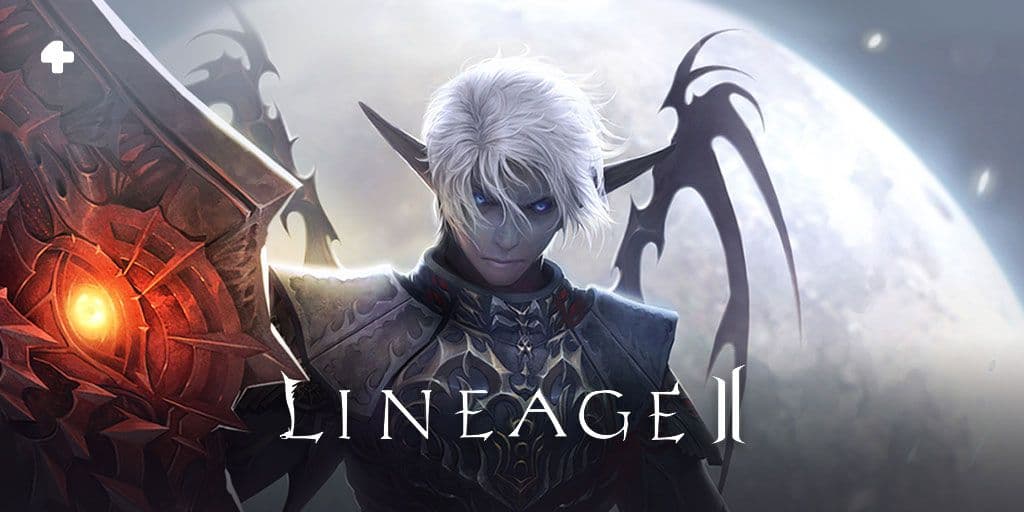
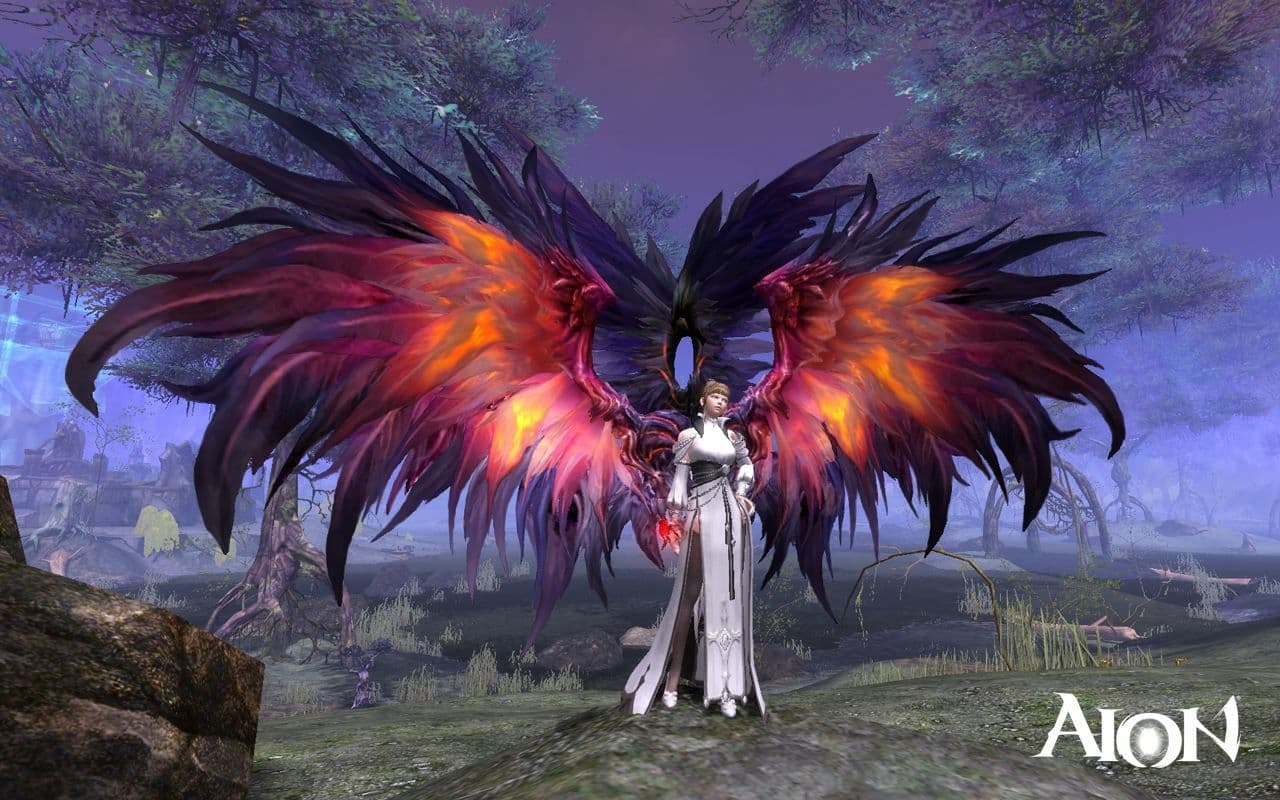
In the mid-2010s, Chinese tech juggernaut NetEase set its sights on challenging South Korea’s longstanding dominance over the high-budget client MMORPG landscape. Rather than cloning a single established formula, the studio set out to engineer the ultimate mechanical amalgamation. They synthesized the exhilarating verticality and winged flight of Aion, the cinematic martial arts flair and high-octane combos of Blade & Soul, and the vast seamless world and territorial warfare of ArcheAge. The result was Revelation Online (known domestically in China as Tianyu / 天谕) — a project that absorbed over five years of active development and unprecedented financial backing.
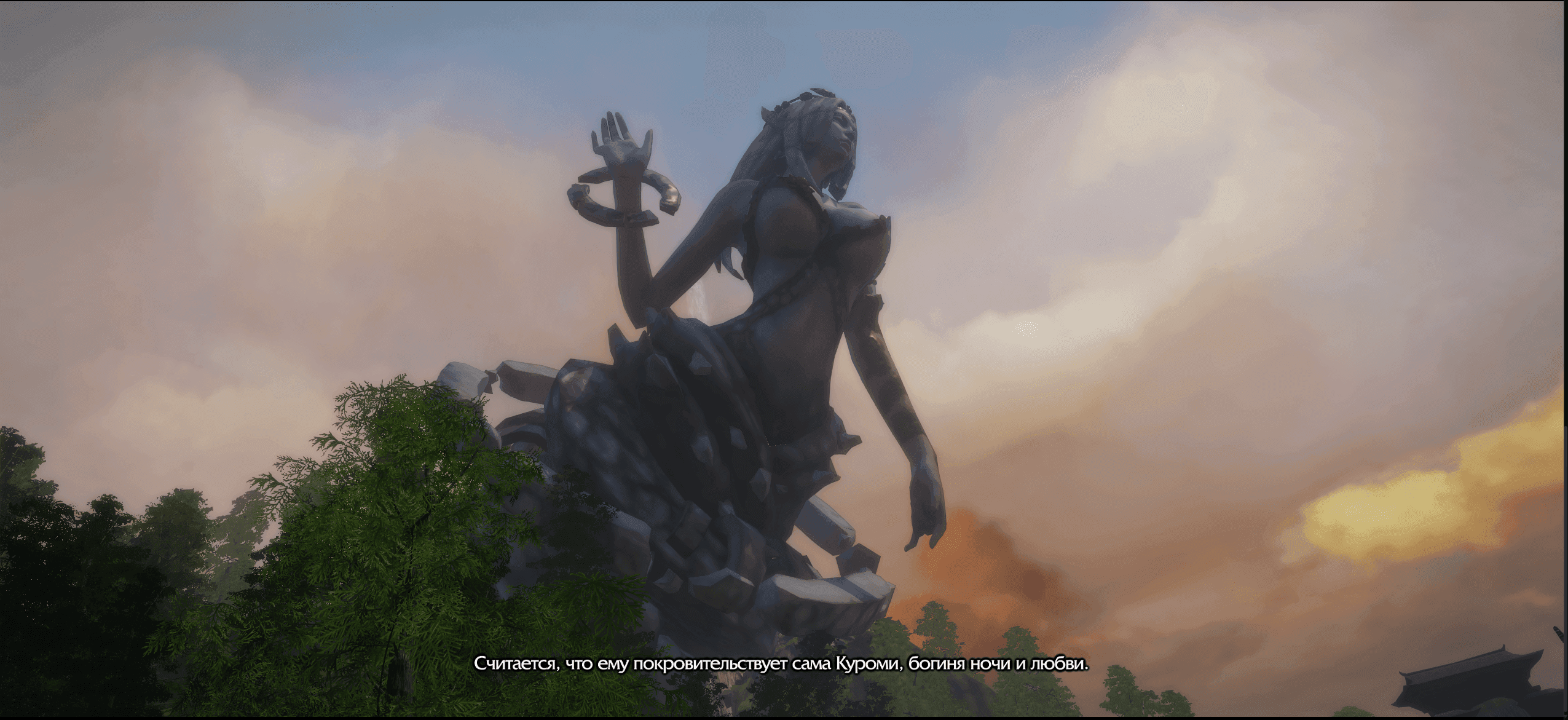
The game unfolds across the sweeping expanse of Nuanor. Rejecting boilerplate Western high fantasy, the setting blends classical Xianxia cultivation mythology with prominent elements of steampunk and magitech. Giant celestial deities and primordial dragons share the troposphere with ironclad, steam-driven airships, while ancient merchant roads wind toward towering mechanical citadels. To ensure narrative depth, NetEase partnered with celebrated Chinese fantasy author Jiang Nan, crafting a sweeping lore bible centered around the Five Wardens and the complex political machinations of the Imperial court.
The defining technical triumph of Revelation Online was its continental-scale, seamless world design:
Globally, the title walked a divergent path. While the Western service operated by MY.GAMES gradually dwindled and permanently pulled the plug on its servers in March 2024, the Russian-language edition proved surprisingly resilient. Initially launched in late 2016 by Mail.ru, the game continues to run autonomously under Astrum Entertainment. In 2026, the Russian servers remain one of the very few active operational sanctuaries for the title outside mainland China, offering dedicated veterans a pure, unadulterated slice of Asian MMO design from the golden era of client-based gaming.
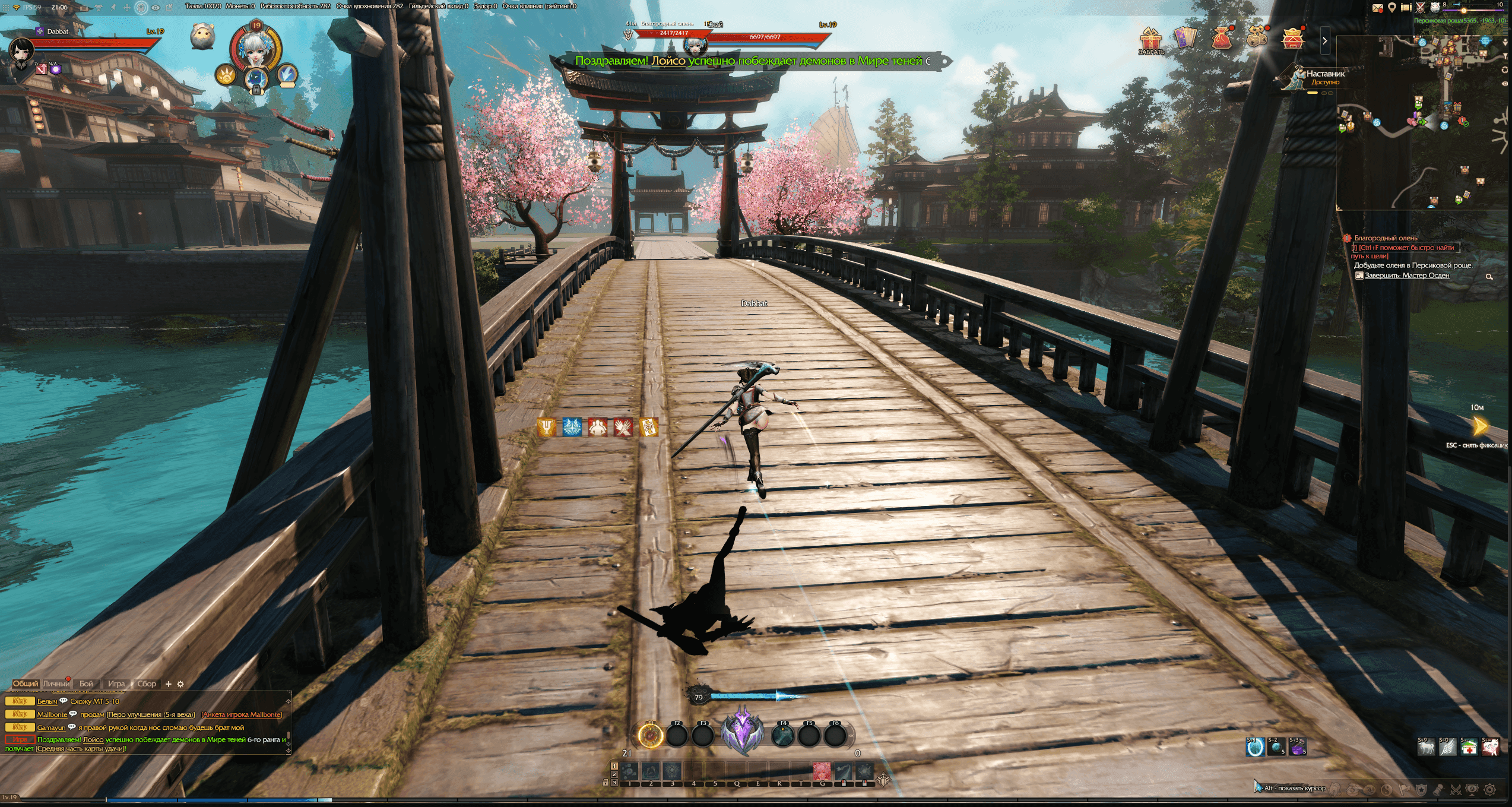
While most traditional MMORPGs either barred aerial movement entirely or reduced it to passive autopilot transit above low-resolution terrain, Revelation Online elevated skyward navigation into its core gameplay signature. The developers at NetEase paid close attention to the structural frustrations of genre predecessors like Aion, where winged glides were strictly shackled by punitive 60-to-120-second timers and invisible zoning barriers that plunged avatars to their doom. In Nuanor, there are no artificial ceilings or flight-restricted zones: the sky belongs entirely to the player from the moment their feathers first unfold.
The turning point arrives around Level 29–30 during the introductory storyline encircling the coastal metropolis of Sulan. Upon unlocking their inaugural pair of basic wings, players permanently discard the flat two-dimensional mindset of traditional ground-bound pathfinding. Towering mountain peaks, floating celestial temples, and hidden hermit platforms that once seemed like distant skybox decorations suddenly transform into interactive terrain. Crucially, flight is treated not as a simple coordinate slide, but as an acrobatic physical discipline:
Wings in Revelation Online are far more than cosmetic gliders; they function as a fully realized, dedicated equipment slot with extensive progression systems. The game features dozens of wing chassis: ranging from ethereal seraphic plumes and draconic leathery spans to steam-powered clockwork gliders crafted from polished brass and spinning cogs. Each pair governs horizontal flight speed, vertical climb rates, and banking agility. Through feather synthesis and rank-advancement elixirs, players upgrade their plumage from sluggish beginner wings into blistering supersonic interceptors.
Yet this intoxicating airborne liberty carries a harsh competitive catch. The skies offer no sanctuary: Revelation Online features complete aerial combat functionality. Hostile guild rivals and open-world PK predators can engage you mid-flight using dedicated ranged ability toolkits. Stripping an opponent of their flight stability causes them to plummet, inflicting devastating or fatal fall damage upon impact. Furthermore, in the endgame, cultivating mythical gold-tier wings demands enormous resource investments, transforming the sky into an arena where wallet depth directly dictates who can hunt and who can flee.
One of the most audacious design experiments in Revelation Online was its ambition to reconcile two historically adversarial MMORPG camps: orthodox devotees of classic tab-targeting and purists of uncompromised action combat. Rather than enforcing a singular paradigm, NetEase engineered a tri-modal control architecture switchable in real time via hotkey toggles:
The class lineup rejected classless formlessness in favor of the time-tested "holy trinity" (Tank, Healer, DPS), yet each of its seven distinct archetypes possesses distinctive mechanical weight:
Yet this all-in-one flexibility masks an underlying compromise. The action mode in Revelation Online is not a true physics-based collision model: beneath the surface lies a persistent soft-lock homing algorithm that curves projectiles around minor obstacles. More critically, high-tier raiding brutally exposes the limitations of the reticle scheme for support roles. Attempting to target and heal a critically wounded tank through a reticle crosshair amid twenty bounding avatars and a screen-filling dragon boss is an invitation to instant raid wipes. Consequently, support players are invariably forced back into traditional tab-targeting and party unit frames, reducing the revolutionary action scheme to an optional novelty for solo levelling.
At first glance, the active ability panel in Revelation Online might appear deceptively restrained: around fifteen primary skills comfortably accommodate standard hotbar layouts. Yet the true depth of theorycrafting resides beneath the surface. Rejecting flat, linear progression, NetEase built a complex multi-layered system rooted in three interlocking engines of character optimization: Dao Glyphs, dual Fury gauges, and the celestial Bracteate wheel.
The foundational layer of customization is driven by Skill Glyphs (Dao Tablets). As characters level up, they accumulate Dao points distributed across individual skill matrices. Rather than offering mundane increments like "+3% damage", glyph configurations fundamentally transform ability behavior:
The second pillar of combat dynamics is the Dual Fury Architecture. Beyond standard mana or energy, every avatar manages two distinct reserves: Left Fury and Right Fury. Standard rotation abilities do not merely deal damage; they channel kinetic momentum into one of these two reservoirs. Once filled, players unleash devastating Fury Skills (Ultimates). Visually, these abilities are catastrophic: screen-shaking celestial blade downpours for the Swordmage or orbital laser barrages for the Gunslinger. Managing the influx of both Fury pools turns combat into a high-stakes tactical balancing act, where mistiming a defensive ultimate spells instant demise.
The pinnacle of gear-independent theorycrafting is the Bracteate (Wheel of the Heavens) — an intricate astrological disk etched directly into the character interface. The wheel consists of concentric orbits housing sockets for Elemental Crystals (Fire, Water, Earth, Air, Light, and Dark). While each gem provides baseline attributes, the overarching objective is activating hidden elemental resonances. Achieving specific threshold totals (such as 12 Fire and 8 Thunder) ignites potent latent passives: PvP armor penetration, percentage damage reduction against raid bosses, or lifesteal. Perfecting a Bracteate layout is an elaborate combinatoric puzzle.
This immense mechanical structure is strictly segmented by Level Breakthroughs at four hard progression boundaries: Levels 49, 59, 69, and 79. Upon reaching a bracket cap, experience gain halts. To ascend to the next tier of cultivation, players must conquer a demanding solo trial and brew rare alchemical elixirs. This spawned a dedicated "twinking" subculture: legions of players deliberately froze their progression at Level 59 or 69, min-maxing their gear, glyphs, and Bracteate wheels to absolute perfection to dominate bracket-locked Battlegrounds without encountering max-level whales.
However, this mathematical depth harbors a brutal design catch. Cultivating high-tier Bracteate crystals (Ranks 6 through 8) and synthesizing master-grade Dao glyphs requires colossal quantities of rare materials and millions of coins. While a dedicated free-to-play veteran grinds for half a year to activate key wheel resonances, a high-roller can acquire the entire matrix in an evening through cash-shop Aurum conversions and auction buyouts, securing a twofold advantage in effective survivability and burst output.
Contrary to the pervasive stereotype that Asian MMORPGs rely exclusively on mindless open-field mob grinding, Revelation Online delivered one of the most calculated, demanding PvE experiences of its era. Rather than reinventing the wheel, NetEase fused the rigorous, encounter-driven design philosophy of classic World of Warcraft raiding with the kinetic, acrobatic iframe evasion mechanics of Asian action combat. The outcome was an instanced gauntlet where a fraction-of-a-second lapse in concentration triggered an immediate party wipe.
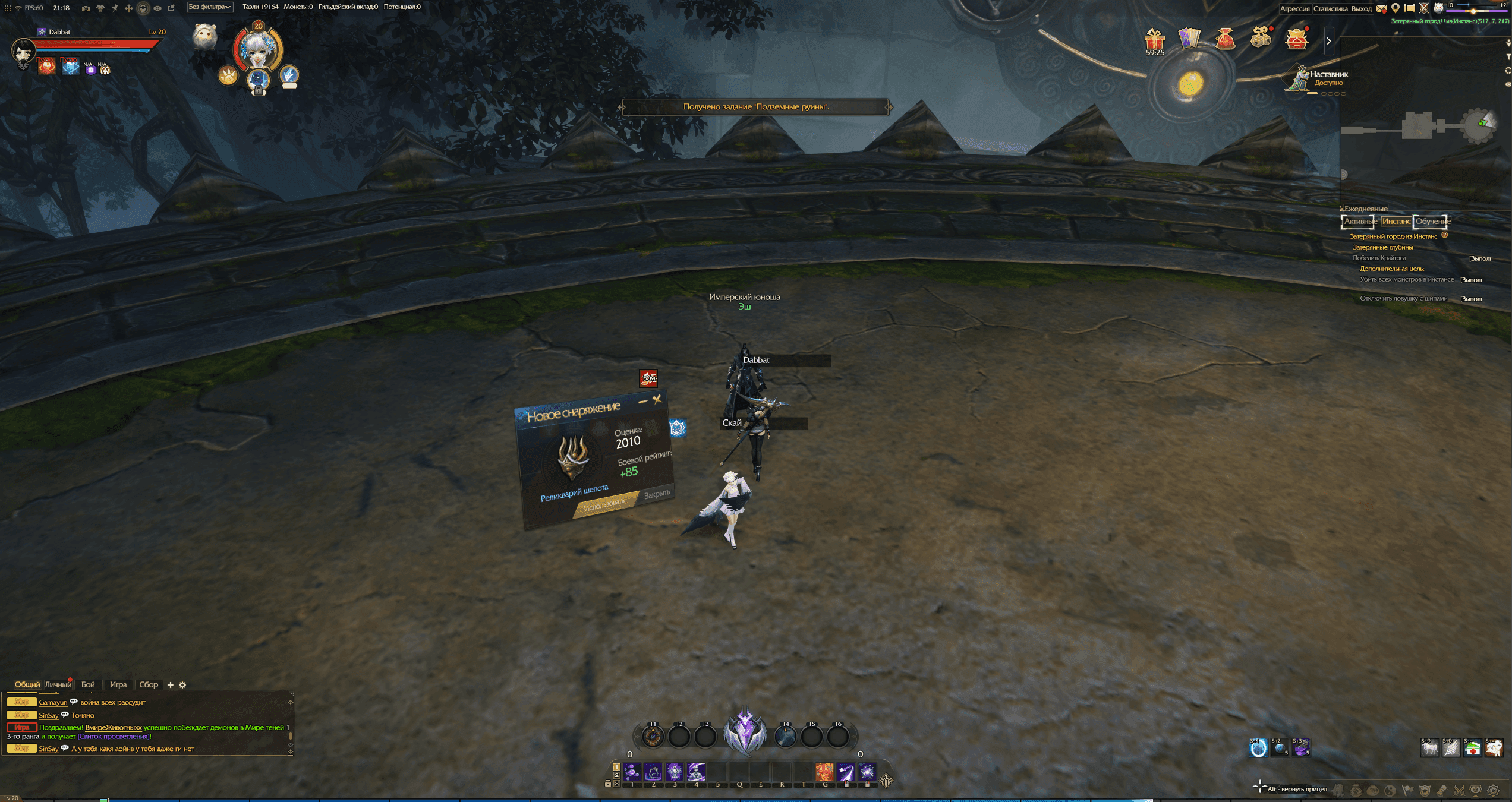
The foundation of the PvE loop is a strict, multi-tiered difficulty ladder. Introductory Normal modes serve as breezy sightseeing runs for daily bounties. The true game ignites on Hard and especially Fatal (God-mode) difficulties. In these punishing modes, telegraph markers disappear from the floor, boss health pools swell exponentially, and baseline mechanics gain lethal modifiers:
The apex of organized cooperation unfolds across large-scale 10-man and 20-man raids. The iconic Machinist Stronghold demands that the raid function like clockwork machinery. Inside this smoking steampunk fortress, teams must divide into specialized squads: while Vanguards anchor giant steam automata beneath searing pressure exhausts, Gunslingers must man artillery turrets, neutralize flying drones, and shut down reactor cooling valves before catastrophic meltdowns occur.
The ultimate nightmare for any static progression group is the Dragon Abyss — a multi-tiered subterranean chasm ruled by primordial draconic horrors. Encounters here span 15 to 20 minutes of sustained execution across four or five distinct phases with shifting arena geometry. If a Vanguard allows a boss to turn even slightly toward the group, a sweeping cleave instantly vaporizes all cloth-wearing casters. Meanwhile, Spiritshapers and Occultists must coordinate cleansing dispels against lethal stacking afflictions down to the second, all while rationing strictly limited in-combat resurrections.
Conquering these trials yields commensurate rewards: golden crafting sparks for mythic weapon sets, coveted Dao grimoires, and rare flying mounts. Yet this hardcore design carries an exclusionary catch. Endgame content is throttled by strict weekly entry lockouts. The player base quickly developed a ruthless culture of gatekeeping: securing a raid spot without max-tier enhancements and memorized tactics is virtually impossible for newcomers. Furthermore, minor network tick desyncs — where an evasion iframe registers a split second too late on server side — make raiding on moderate-to-high latency a nerve-shredding ordeal.
While endgame raid dungeons served as the forge for tier-gear progression, the true engine of guild ambition in Revelation Online was its expansive competitive PvP ecosystem. NetEase approached mass combat with sweeping ambition, aiming to outdo the legendary guild wars of Lineage II by introducing a tri-dimensional verticality that spanned three distinct battlefronts: across the earth, beneath the ocean, and throughout the stratosphere.
The centerpiece of guild supremacy was the weekly Castle Siege campaign. Scattered throughout Nuanor were numerous fortresses of varying scales — from continental bastion citadels like the Northern Fortress to soaring aerial outposts and coastal sea keeps. Assaulting these monuments had nothing in common with static gate-bashing:
For purists of structured competitive play, the game featured dedicated 3v3 Arenas. Operating under strict Gear Equalization, the arena removed gear score advantages and real-money enhancements, placing victory purely in the hands of player execution. Matches were decided by split-second coordination: baiting defensive cooldowns, sustaining seamless crowd-control chains (stun into knockdown into airborne juggle), and dodging enemy ultimate bursts via invulnerability iframe dashes.
Mass-scale combat flourished through 10v10 and 20v20 objective battlegrounds, as well as the monumental Cross-Server Boundary Wars hosted on the Island of Shattered Stars. Here, top-ranked guilds from separate server realms clashed for server dominion, unlocking week-long server-wide experience and loot drop buffs for their entire home community.
Open-world hostility was governed by a traditional PK flag system. Outside sanctuary cities, players could toggle hostility to ambuscade travelers along wilderness paths. However, karma mechanics levied severe retribution upon serial killers: accumulating infamy dyed a player's nameplate blood-red. Upon defeat, red-named criminals suffered severe equipment durability degradation, risked dropping valuable items from their bags, and were banished to imperial prisons or forced to grind mobs for hours to cleanse their criminal standing.
Nevertheless, this military grandeur suffered from the ubiquitous optimization plague of mid-2010s Asian engines. When hundreds of players converged within a single fortress courtyard to unleash particle-heavy ultimate skills, client framerates plummeted into single digits even on high-end hardware. This forced players to rely on the emergency F10 hotkey, which culled all avatar models, cosmetics, and armor meshes. The epic fantasy war inevitably dissolved into a surreal spectacle of floating nameplates and health bars colliding across barren terrain.
The great paradox of Revelation Online lies in how, beneath its veneer of unforgiving raids and cutthroat siege warfare, the game cultivated one of the most intricate and hospitable social sandboxes in the history of Eastern MMORPGs. NetEase understood that an endless militaristic gear grind rapidly burns out player communities unless balanced by avenues for relaxation, courtship, and casual fraternization. Consequently, Nuanor was enriched with an immense suite of civilian pursuits capable of captivating casual explorers for hundreds of leisurely hours.
The bedrock of clan fellowship is the private Guild Sanctuary — an isolated instanced island realm granted exclusively to your community. Rather than functioning as a static foyer populated by placeholder vendors, it serves as an expanding town shaped by collaborative effort:
To decompress from combat exhaustion while harvesting effortless progression, the game introduced the celebrated Hot Springs — an open-air thermal resort nestled along the coastal shores outside Sulan. Exchanging heavy plate armor and robes for stylish swimwear, avatars lounge in aromatic cedar baths, mingle in regional chat channels, and sip graded bottles of wine. Each goblet steadily trickles generous allotments of raw experience, allowing players to bridge levelling thresholds in pure meditative leisure.
A crowning jewel of casual design was the Faerie Funfair — a weekly carnival structured like a giant interactive board game. Rolling virtual dice, avatars advance across numbered floor tiles, each revealing an unexpected mini-game challenge: musical rhythm tests hitting timed keystrokes, acrobatic obstacle chambers laced with lethal laser grids, deduction riddles, target-shooting ranges, or golden Aurum chests. It provided a delightful psychological palate cleanser while lavishing adventurers with crucial upgrade tokens.
Equal care was poured into the Player Housing system. Rejecting modest roadside tents, citizens of Nuanor can purchase luxurious suites in Sulan’s multi-story grand hotel. The interior editor offers meticulous layout freedom: plush king-sized beds that actively regenerate avatar vigor points, marble soaking tubs, walk-in wardrobe closets, bookshelves, and open balconies presenting panoramic vistas of the ocean bay. Suites serve as personal sanctuaries where players can host domestic gatherings with friends.
Capping the social framework is the Affinity, Brotherhood, and Marriage System. Teaming up for dungeon runs, exchanging floral bouquets, and taking to the skies in paired flight accumulates affinity points. Upon reaching key milestones, companions can swear oaths of blood brotherhood or host lavish cathedral nuptials complete with guest rosters, carriage processions, and ceremonial cake cutting. Marriage grants practical combat utility: instant worldwide teleportation to one's spouse, shared warding shields, and endearing paired animations.
Yet even this cozy pastoral lifestyle carries its own hidden overhead. Guild management frequently morphs into a second shift: competitive leaders mandate strict daily resource quotas, and missing mandatory evening campfire ceremonies invites swift guild dismissal. Meanwhile, luxury living — from designer hotel suite furniture and haute couture bridal garments to vintage hot spring wines — served as an exceptionally lucrative channel for draining real-world currency through the cash shop.
The economic architecture of Revelation Online follows the strict design principles of classic Eastern monetary containment. NetEase sought to construct a multi-tiered trade engine engineered to accomplish two competing mandates: protecting server economies from rampant automated bot inflation, while concurrently providing a lucrative conduit for artisanal wealth creation and the legitimate conversion of real-world capital into in-game power.
The financial foundation is anchored by a strict tri-currency gateway:
The crafting sector encompasses an expansive tree of life-skills: mining, herbalism, logging, and fishing feed directly into blacksmithing, alchemy, woodworking, and tailoring. To prevent bot scripts from harvesting raw materials twenty-four hours a day, production is strictly regulated by a Labor Point (Vigor) gauge. Every swing of a pickaxe into a moonstone vein or gathering of a wild lotus consumes precious energy. Vigor replenishes gradually over time, accelerates during restful slumber inside Sulan hotel suites, or refills instantly via expensive alchemical elixirs.
A master craftsman in Revelation Online commands genuine prestige. The synthesis system incorporates random critical "procs": when forging twin blades or stitching leather armor, an artisan possesses a percentage chance to craft superior-quality gear sporting bonus gem sockets and rare stat affixes. High-tier alchemical draughts that temporarily boost elemental resistances and critical multipliers are bought in bulk by top guilds before every scheduled assault on the Dragon Abyss.
The beating heart of regional trade is the Auction House, which levies a transaction tax on every sale. Crucially, a percentage of these revenues flows directly into the coffers of the guild occupying the capital citadel of that province. Dominant alliances frequently establish oligarchic market cartels: by systematically buying out low-priced enhancement materials from newer players, monopolists inflate prices ahead of major weekend siege campaigns.
The critical economic catch is the inevitable devaluation of liquid Taels on mature servers. As overall server currency reserves accumulate faster than gold sinks can drain them, prices for premier raid gear escalate exponentially. Labor Points rapidly become a punishing progression bottleneck, nudging players toward purchasing cash-shop vigor potions. Furthermore, the currency exchange remains vulnerable to speculative whales whose sudden bulk dumps of Aurum crash exchange rates, draining liquidity from ordinary participants.
In matters of monetization and gear progression, Revelation Online stands as a textbook manifestation of sophisticated Chinese free-to-play architecture. NetEase approached the player psychology with calculated subtlety: they discarded the brutal Korean tropes of Lineage II and Black Desert, where a failed enhancement attempt shattered months of labor into crystalline dust or degraded weapon grades back to baseline. In Nuanor, your hard-won gear never permanently breaks or vanishes. In exchange, however, players were ushered into an intricate mathematical vortex that extracts capital with equal ferocity.
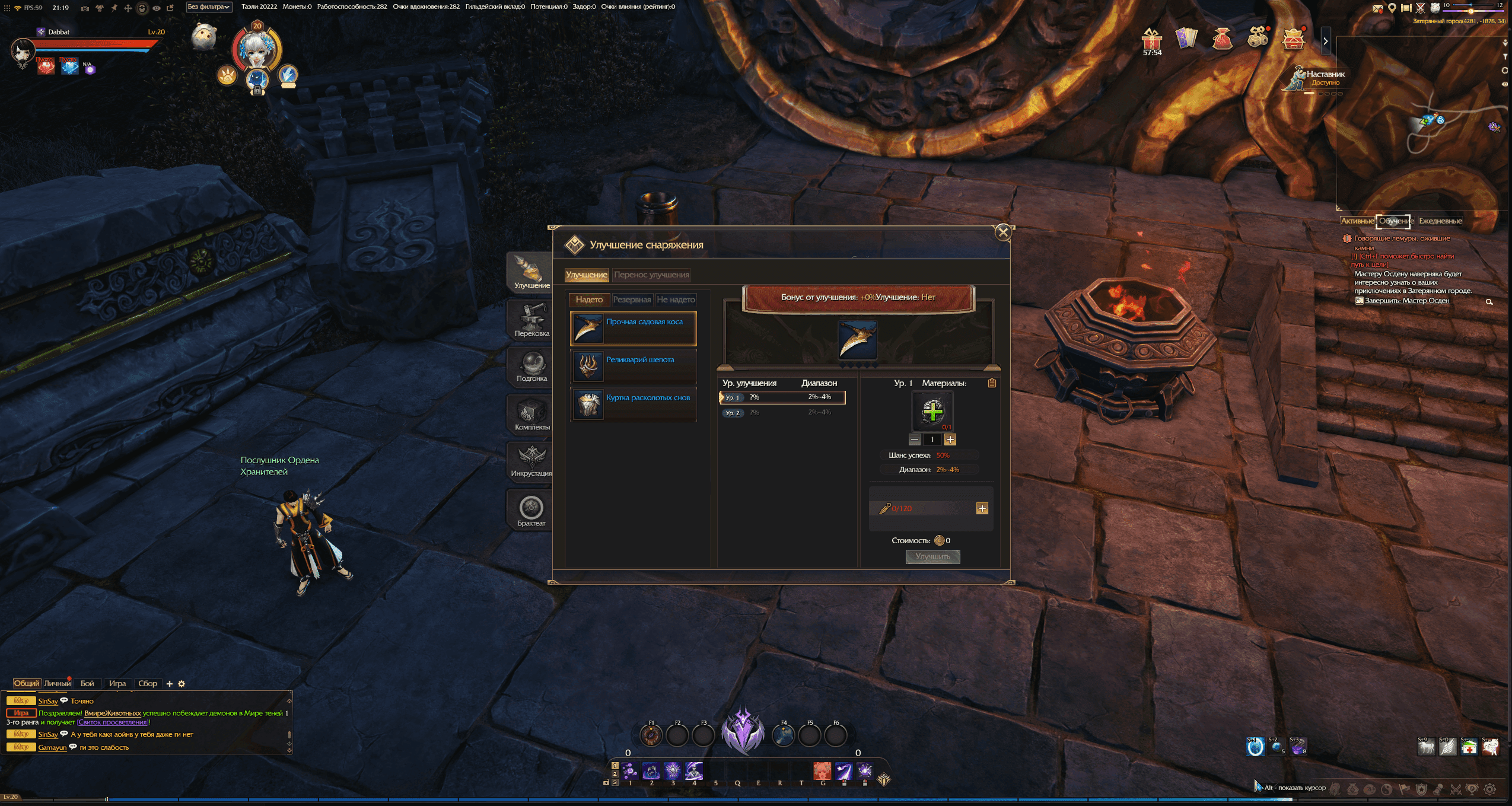
The cornerstone of avatar enhancement is the Equipment Refining System (spanning +1 to +16 and beyond). Progress is punctuated by key threshold tiers (+5, +9, +13), each awakening bonus passive properties. A major user-friendly innovation was the Enhancement Transfer mechanic: upon obtaining a superior Level 69 or 79 raid piece, players do not upgrade it from scratch. By applying a specialized alchemical reagent, they transfer their accumulated enhancement level from the decommissioned gear onto the new armor. This fosters a comforting psychological illusion of permanent, protected investment.
The trap lies within the Refining Perfection Percentage. Every enhancement tier features an internal efficacy bracket — ranging from 1% to 100%. If you successfully refine a broadsword to +12 with a meager 40% roll, you unlock only a modest fraction of the maximum potential attack scaling. Pushing that threshold toward the coveted 100% perfection ceiling requires feeding the forge endless crates of rare refining stones and stabilization catalysts, washing away suboptimal rolls in an iterative grind.
A second layer of randomization governs Equipment Recasting and Reforging. Every dropped weapon or armor piece rolls random secondary affixes color-coded by rarity: green, blue, purple, and god-tier gold lines. Optimizing a build demands spinning a digital slot machine:
This dynamic forms an unbridgeable gulf between casual free-to-play participants and high-rolling "whales." In the normalized 3v3 Arena, gear equalization shields players from financial disparity. But the moment combat transitions to objective battlegrounds, open-world territory, or mass castle sieges, the unforgiving law of Battle Power (GearScore) dictates reality. An avatar bolstered by hundreds of thousands of rubles in enhancements transforms into a self-sustaining juggernaut, capable of wading through entire enemy squads while replenishing health pools through overwhelming lifesteal.
This insidious progression model ultimately triggered the fatal player exodus across Western servers. Generous introductory incentives and battle passes could not disguise the reality: realizing that competing at the apex of server rankings required either multi-year daily grinds or vast financial expenditures shattered the illusion of a fair competitive playing field.
The technical architecture of Revelation Online is powered by NetEase’s proprietary in-house engine, BigBang. In an era when most Asian developers struggled with the finicky quirks of Unreal Engine 3 or the cumbersome weight of CryEngine, Chinese engineers engineered a bespoke framework tailored specifically to two operational imperatives: maintaining extreme horizon draw distance without artificial atmospheric fog, and streaming a seamless continent during high-velocity aerial flight. Consequently, the skies of Nuanor still deliver striking panoramic sunsets and atmospheric light diffusion across rolling cloudscapes.
Yet the BigBang architecture bears the unmistakable scars of its generational heritage, accompanied by familiar technical compromises:
The global operational history of the game highlights stark contrasts between regional gaming audiences. The Western edition, published under the MY.GAMES umbrella, struggled to retain an audience amid aggressive monetization models and delayed content parity, culminating in the permanent closure of all Western servers on March 13, 2024.
In striking contrast, the Russian service maintained by Astrum Entertainment has shown remarkable longevity. In 2026, the Russian localization operates as an autonomous enclave: servers receive regular scheduled maintenance, seasonal progression tracks, and community marathons. The title is unquestionably in its twilight live-service era — underscored by friction surrounding the indefinite postponement of the anticipated "Wings of Destiny" expansion. Nonetheless, a stalwart vanguard of veteran guilds gathers faithfully for weekly castle sieges and executes scheduled Fatal-difficulty raid runs.
Who should consider stepping into Revelation Online today? Primarily those harboring genuine nostalgia for the mid-2010s golden age of client-based PC MMORPGs — an era when virtual worlds were engineered for expansive monitors and physical keyboards rather than mobile touchscreens driven by automated questing bots. If you seek the rare thrill of authentic three-dimensional aerial freedom, deeply layered character theorycrafting through the Bracteate wheel and Dao tablets, and unforgiving old-school raid mechanics featuring lethal group-wipe penalties, the continent of Nuanor still provides dozens of exhilarating hours — even as it bears the unmistakable weight of its years and free-to-play monetized soul.