 F2P · Live
Lineage 2 Essence
Lineage 2 Essence is NCSoft's free-to-play take on the classic Korean MMORPG Lineage II, built around faster…
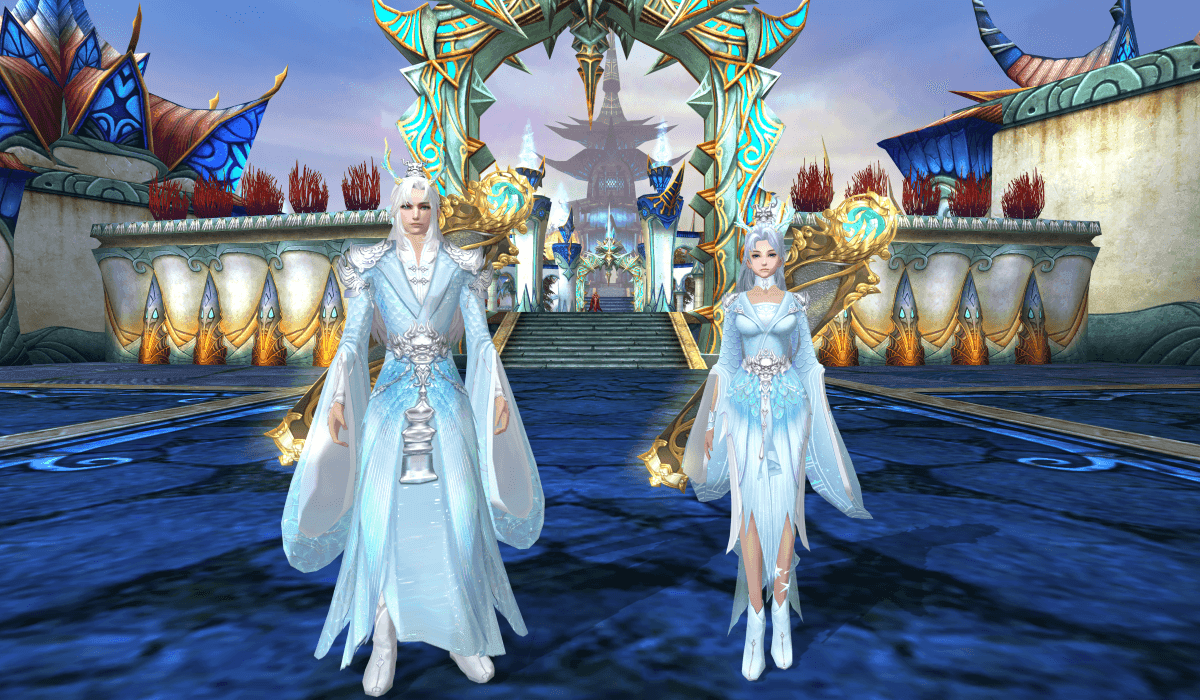
Perfect World International helped define the Chinese MMORPG boom of the mid-2000s, launching in 2005 with a then-rare mix of flying mounts, deep character customization, and a setting blending wuxia ...
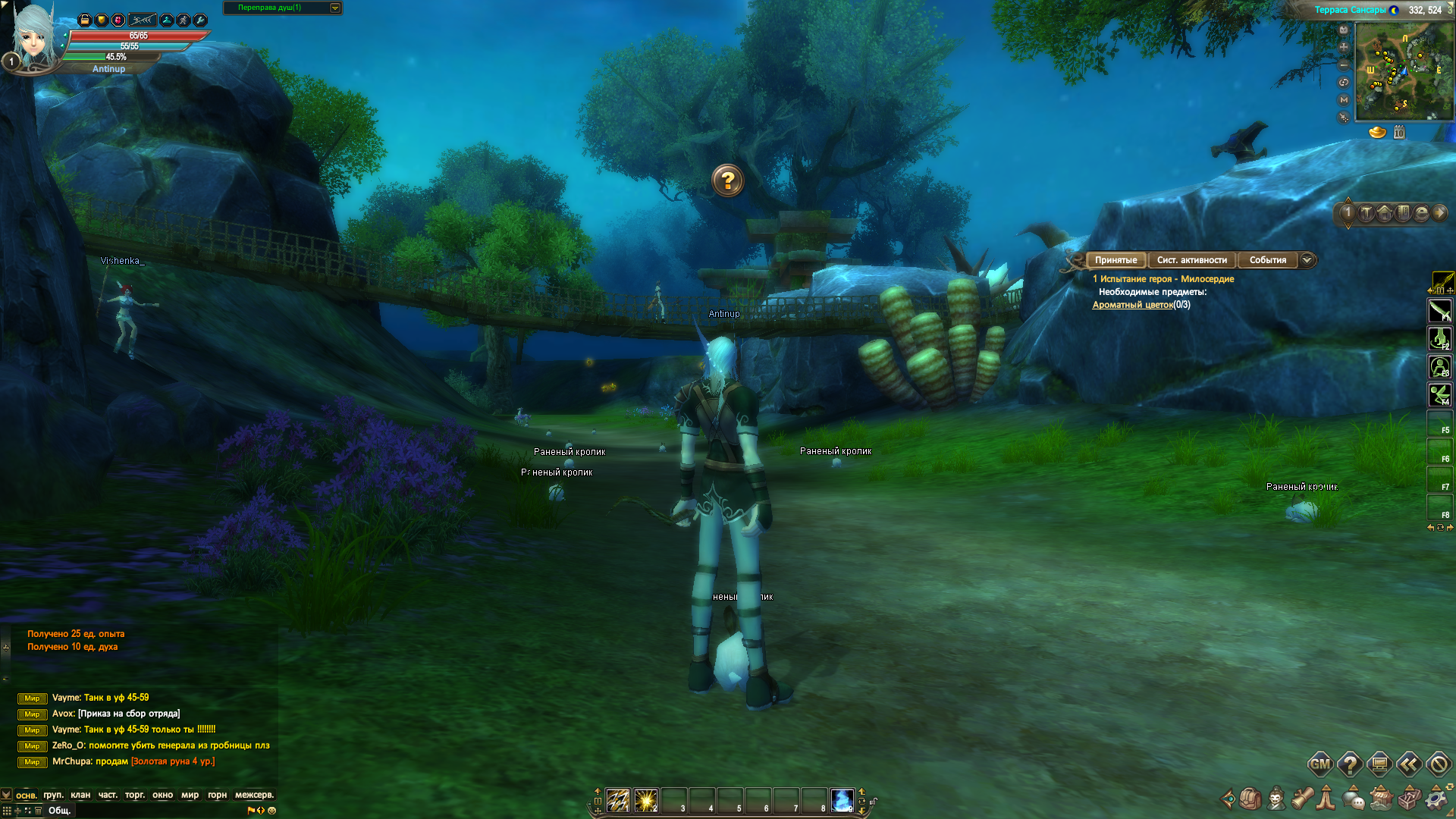
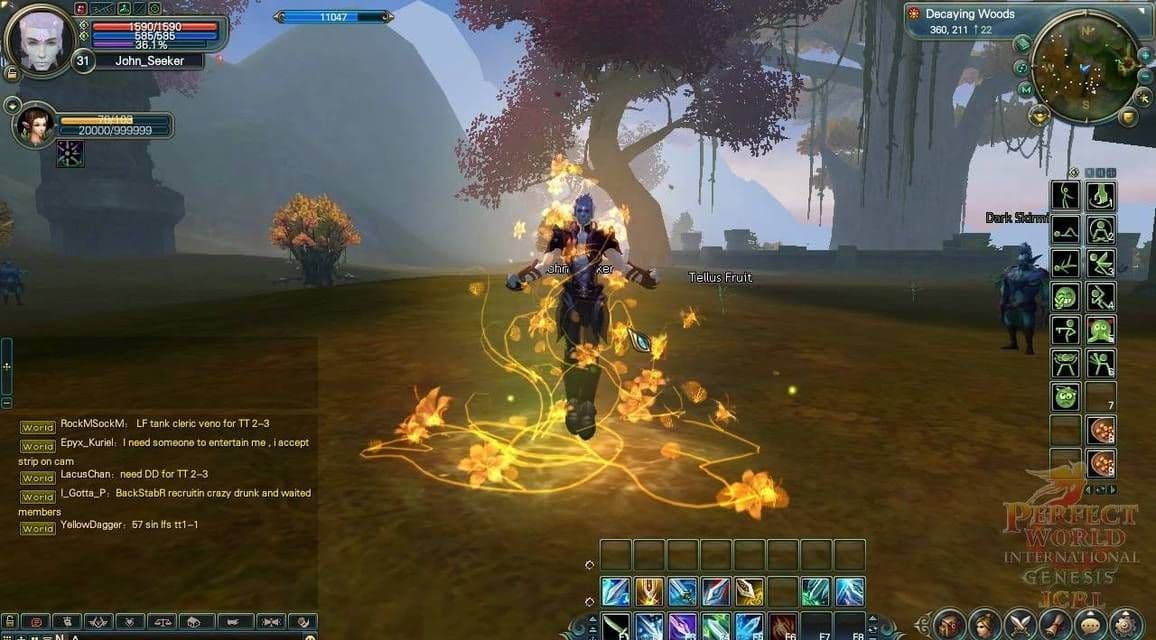
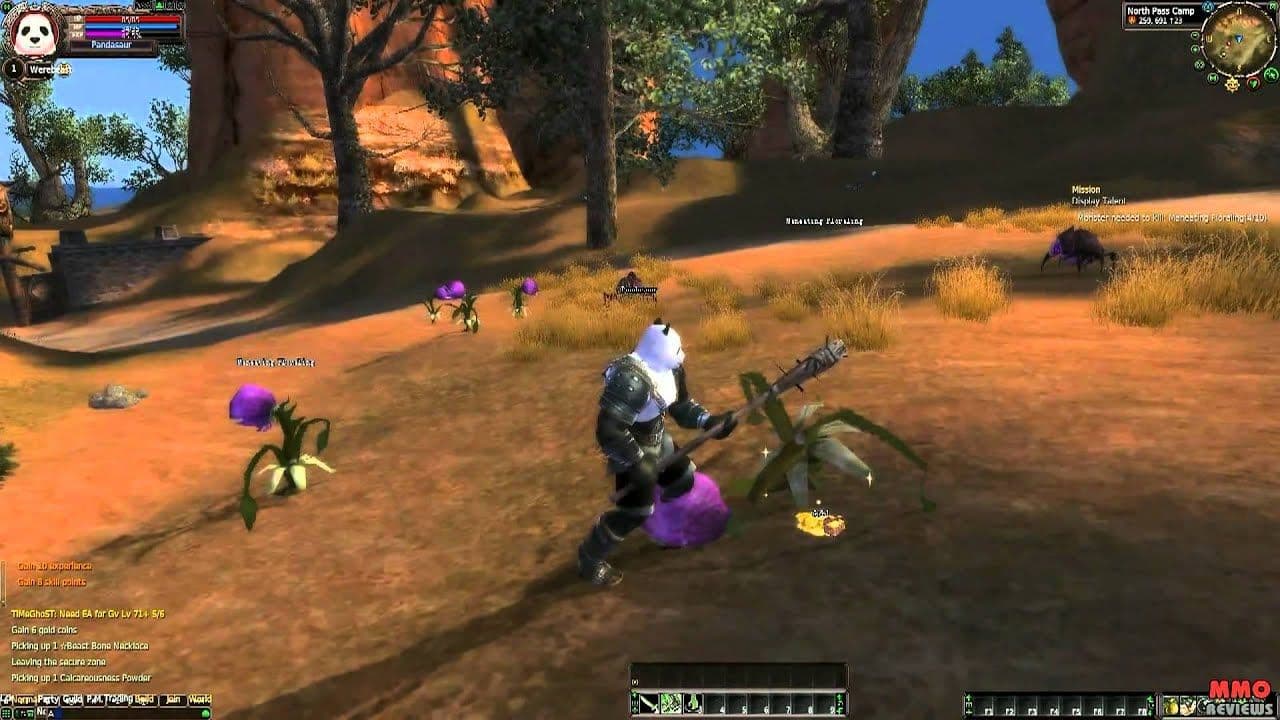
Perfect World International is a free-to-play fantasy MMORPG developed by Beijing's Perfect World Games and published in the West by what is now Arc Games (the publisher formerly known as Perfect World Entertainment, then briefly Gearbox Publishing SF). It launched in China in 2006 and reached North America and Europe on September 2, 2008, built around Chinese mythology, an entire continent players could fly over from the first hours, and a character creator that was doing full-body sliders before most Western MMOs had settled on preset faces. Twenty years and dozens of expansions later, the official service still runs under Arc, now operating under new ownership after a 2025 management buyout — but it shares the game's identity with a private-server scene that, by player counts, is doing considerably more business than the official one.
Perfect World is set on the mythical continent of Pangu, a world under slow siege from the undead Wraith and the demonic remnants of a war fought before the story starts. None of that lore drives moment-to-moment play — quest text is functional at best — but the world it's wrapped around still looks the part. Rolling grasslands give way to sky islands, sunken ruins, and volcanic wastes, and the whole map is seamless: no zone loading screens, no instanced overworld chunks. Character models lean toward the elaborate end of mid-2000s Asian MMO art, all flowing robes, oversized weapons, and hairstyles that would need their own physics engine, and the sliders behind them are still unusually deep — bone-level adjustments to face and body that let two players of the same class and race look nothing alike, a level of granularity plenty of 2026 releases still don't offer.
Character creation opens with six races split across ten launch classes, each race locked to two: Humans field the melee Blademaster and the caster Wizard, Winged Elves get the ranged Archer and the healing Cleric, Untamed choose between the tanky Barbarian and the pet-summoning Venomancer, Tideborn split into the dagger-wielding Assassin and the support-caster Psychic, Earthguard offer the sword-and-magic hybrid Seeker and the wood-elemental Mystic, and the later-added Nightshade round things out with the saber-using Duskblade and the scythe-wielding Stormbringer. It's a wider spread of playstyles than most contemporaries launched with, and the race you pick locks in more than a stat spread — it decides your starting zone, your flying-mount aesthetic, and which two classes you're allowed to try.
The signature early moment is still the one everyone remembers: somewhere around level 30, a quest hands you your first flying mount, and suddenly the seamless world stops being scenery and starts being a shortcut. Long before "open-world flight" was a pitch line for other studios, Perfect World was letting new players soar over the exact hills they'd just spent an hour walking around. Progression past that point runs on a familiar quest-and-grind loop — kill quests, escort quests, the occasional six-person dungeon — layered with a cultivation system that periodically pauses your leveling to complete a themed quest chain (talking to spirits, revisiting old zones, occasionally requiring you to have died recently) in exchange for a permanent boost to your character's growth. It's a strange, faintly folkloric ritual wrapped around a stat unlock, and it's one of the more distinctive things Perfect World does that most Western-style MMOs never picked up.
Combat itself is tab-target and, by 2026 standards, unhurried — you queue skills off cooldown, watch for the crowd-control window, and lean on your class's identity more than reflexes. Where it gets interesting is the Genie system, introduced in the game's second expansion: a customizable spirit companion, raised separately from your character, that learns its own skill set and can be swapped into a support role for any class regardless of what it normally does. A caster genie tuned toward healing turns a squishy Wizard into a self-sufficient soloist; a genie loaded with crowd control turns a Territory War flag-runner into someone who can survive a gang of pursuers for a few extra seconds. It's a clever layer of build customization sitting on top of an otherwise straightforward class system, and it's also where the game's harder edge shows first — genie skills, like most meaningful power in Perfect World, scale with time and money spent training them.
That same tension runs through gear. Weapons and armor carry a refine level, and pushing a piece from +1 to the double-digit refines that define endgame PvP requires stacking increasingly expensive materials with a real chance of the attempt failing and setting you back. Community accounts have long put a genuinely competitive, fully refined and imbued endgame weapon in the thousand-dollar range once every material and gem is accounted for, and that number hasn't gotten friendlier with age. Nobody who has played this game past level 100 pretends otherwise.
Four crafting professions — Apothecary, Blacksmith, Armorsmith, and Craftsman — let players turn gathered materials into potions, weapons, armor, and accessories, feeding an auction-house economy that runs alongside a genuine player-to-player trade window. None of it is essential in the way farming is in a survival game; it's closer to a side hobby that occasionally saves a shopping trip. What matters more to a working economy is coin flow from quests and Territory Wars, and how the cash shop interacts with all of it — because in Perfect World, boutique items feed directly back into the same auction house players are buying gear from, which is its own quiet admission of how the two systems are meant to work together.
Group content runs on a familiar two-tier structure: daily six-person instances for the mid-game grind, and weekly hundred-person faction dungeons for guilds that can actually field a hundred people. A late-game rebirth system lets max-level characters reset back to level 1 with permanent stat bonuses carried forward, extending the leveling curve for players chasing the biggest possible numbers rather than new content — a design borrowed from Korean and Chinese MMOs of the same era, and one that turns "endgame" into something closer to a second and third playthrough of the same zones with better math attached. The honest caveat here is that Perfect World's PvE was never built to be its main draw; it exists to gear players up for the PvP that actually defines the game's identity.
Territory Wars are the game's headline system: weekly faction-versus-faction battles, up to 80 players per side, fighting over control of dozens of contestable territories across Pangu for coin income and prestige. On paper it's still one of the more ambitious PvP structures the genre ever shipped — three-hour siege windows, class-specific siege roles, real strategic depth in who defends which crystal. In practice, on the current official servers, that scale has shrunk with the population: match windows have been trimmed from their original three hours down to under two, and on a given week only a handful of factions bother showing up at all, a far cry from the era when Twilight Temple and Dawnglory hosted genuinely contested seasons. Nation Wars, the newer cross-server mode built around flag-capture and crystal-control objectives, still draws a livelier crowd since it pools multiple servers' worth of players into one map. Between them, PvP here rewards long-term investment in gear and genie training more than it rewards raw skill, and a fresh account will need months, not weeks, before showing up to either fight competitively.
This is where a Perfect World review in 2026 has to split in two, because the game exists in two genuinely different states depending on where you log in.
The official service, run by Arc Games, is the legitimate, still-supported version — the one with an actual publisher, actual customer support, and the boutique-funded revenue that keeps the lights on. It's also, by any independent tracking, a quiet one: population trackers put concurrent numbers in the dozens rather than the thousands, a steep fall from a game that once claimed millions of registered accounts worldwide. Content updates have slowed to a trickle since the last major expansion; a 2021 visual and instance update was the most recent thing resembling a full content patch, and ownership changes at the publisher — from Perfect World Entertainment to Gearbox Publishing to Arc Games to an independent buyout in late 2025 — haven't exactly signaled a renewed content pipeline. If you want the officially licensed, still-monetized version of this game with your progress backed by a real company, this is where you go, and you should go in expecting a small, close-knit community rather than a bustling one.
The private-server scene is the louder, stranger twin. Dozens of independent projects run different client versions — some recreating the vanilla 2008 launch experience, others built on later 1.5.x–1.8.x clients with rebirth systems and level caps pushed to 150 — and several of the more established ones report daily concurrent numbers in the hundreds to low thousands, dwarfing what the official servers currently show. Rates, drop multipliers, and whether a given project leans pay-to-win or genuinely free vary enormously by operator, and there's an obvious trust question that comes with handing your account credentials to an unofficial client — reputable, long-running projects exist, but so do fly-by-night ones, and neither Arc Games nor anyone else is accountable for what happens on them. A player chasing the fastest, friendliest route back into classic-era Perfect World will often find it faster on a well-regarded private server than on the official service; a player who wants their time and money protected by an actual company has exactly one legitimate option, and it's the quieter one.
Yes, more bluntly than most modern gacha games are willing to be. The official cash shop sells experience boosts, cosmetic fashion, inventory expansions, and — critically — the materials that feed refining and genie training, which means real money converts almost directly into PvP power rather than just convenience. This was true at launch in 2008 and it remains true today; Perfect World never pretended otherwise the way some later free-to-play games did, and the genie system in particular was criticized as a monetization lever from the week it launched. Free-to-play progression is entirely possible for leveling and casual dungeon content, but competing at the sharp end of Territory Wars without spending is a multi-year project, not a multi-month one.
Perfect World earns its place in MMO history honestly — the flying, the character creator, the sheer scale of Territory Wars were ahead of their time, and pieces of that design still hold up against games released two decades later. What's harder to argue is that the official 2026 version delivers much of that at scale anymore; the servers run, the boutique still sells, but the crowds that made 80-versus-80 sieges a spectacle have mostly moved on or moved to a private server instead. Anyone drawn to this game by nostalgia has a real choice to make: the official service for a smaller but legitimate experience with a real publisher behind it, or one of the better-regarded private projects for a livelier population and a client tuned closer to the game's golden era, accepting the trust trade-off that comes with an unofficial server. Either way, go in knowing the refining grind and the genie system will eventually ask for real money if PvP is the goal, and that the world itself — mythic, seamless, and still capable of a genuinely good first flight — is the one part of Perfect World that neither version has managed to make worse.