Key points
- GFA Games has officially shut down post-apocalyptic MMO shooter PIONER
- Game servers have been pulled offline and active development has ceased
- The Early Access project lasted under 11 months following critical funding collapse
- Developer
- GFA Games
- Status
- Servers Offline
- Early Access Launch
- December 16, 2025
- Shutdown Date
- November 13, 2026
- Game status
- Closed
- Model
- Buy To Play
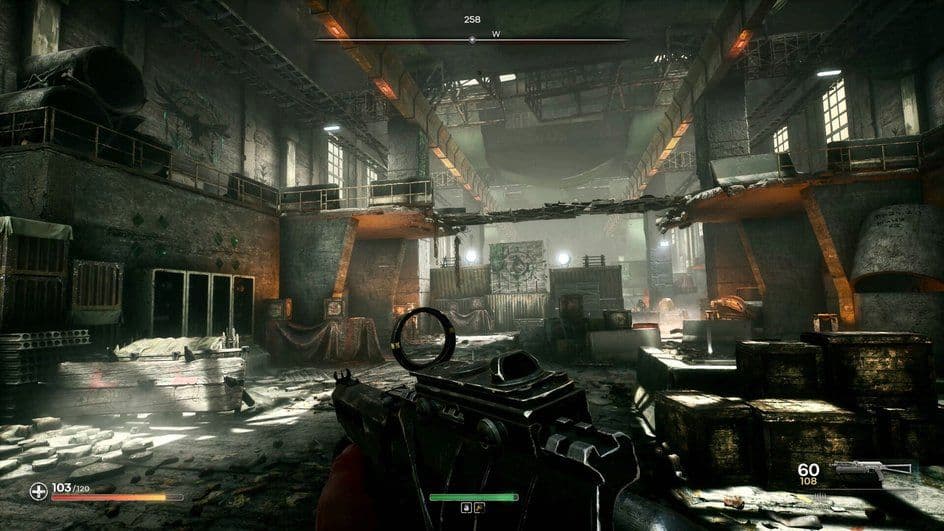
GFA Games has officially pulled the plug on its post-apocalyptic MMO shooter PIONER, shutting down game servers for good. The title, once touted as a gritty Soviet-era competitor to S.T.A.L.K.E.R. and Escape from Tarkov, lasted less than 11 months in Early Access. Development has ceased entirely. All planned roadmaps, including the anticipated Update EA 0.2.0 and the Crab Island raid, are officially scrapped. The studio ran completely out of money, and eleventh-hour attempts to secure emergency funding collapsed.
Failed Negotiations and Empty Coffers
In an official address to the community, GFA Games CEO Alexander Nikitin confirmed the inevitable: the team can no longer afford to keep the game alive. Over the past few months, studio leadership frantically shopped the project around, negotiating with existing and prospective investment partners. No savior appeared. Not a single publisher or venture fund was willing to take on a bleeding MMO with an overwhelmingly negative track record.
The cancellation cuts deep for those few who still held out hope. The technical department had just detailed extensive work on server logging revamps, RPC network optimizations, and save-file fixes designed to stop characters from randomly losing their gear. Teasers for the hardcore Crab Island raid and the "Inferno" weapon tier were already public. Those assets are now permanently archived on abandoned workstations. The plug has been pulled.
The Trap of Regional Exclusivity
The roots of this disaster took hold long before launch day, sparked by an exclusivity pact for Russia and Belarus through the "Rostelecom Games" platform. Trading organic reach for state-adjacent upfront cash proved to be an act of marketing self-sabotage.
PC gamers were shoved into a clunky proprietary launcher. The local player base, deeply entrenched in Steam, viewed the split as hostile. Resentment quickly overwhelmed social channels, choking off organic launch momentum in what should have been the game's core stronghold. Instead of building a thriving launch-day ecosystem, GFA Games fractured its community into hostile camps.
Thirty Concurrent Players and Broken Netcode
Things fared no better globally on Steam. Launching into Early Access on December 16, 2025, PIONER was met with severe technical debt. Players grappled with devastating desync, broken NPC spawns, raid lockouts, and persistent inventory bugs that forced customer support to manually restore thousands of stripped characters.
The exodus was swift. By autumn 2026, PIONER's peak daily concurrent player count on Steam plummeted to an abysmal 30 to 50 players. For a live-service MMO carrying dedicated server upkeep and infrastructure bills, thirty players is a flatline. Spending thousands of dollars a month to host empty lobbies ceased to make any financial sense.
Internal Turmoil: Payroll Freezes and Brain Drain
The fatal blow was struck well before the servers went dark. Structural fractures became public back in April 2026, when reports surfaced regarding chronic payroll delays across GFA Games, bitter friction between management and dev leads, and a cascade of resignations.
The studio was hollowed out. Once senior engine programmers and gameplay designers walked out the door, maintaining complex network architecture became impossible. A handful of remaining developers scrambled to deploy minor hotfixes, but keeping the game afloat without funding or hands on deck was a doomed effort.
A Harsh Lesson in Live-Service Reality
The collapse of PIONER serves as a brutal reminder: rendering an atmospheric trailer packed with mutants and Soviet retro-futurism is easy, but sustaining a live-service MMO is ruthless. Sabotaged by bizarre exclusivity deals, crippled by day-one technical flaws, and devoid of sustained financial backing, one of the region's most anticipated shooters has been reduced to an expensive cautionary tale.