 F2P · Live
Lineage 2 Essence
Lineage 2 Essence is NCSoft's free-to-play take on the classic Korean MMORPG Lineage II, built around faster…
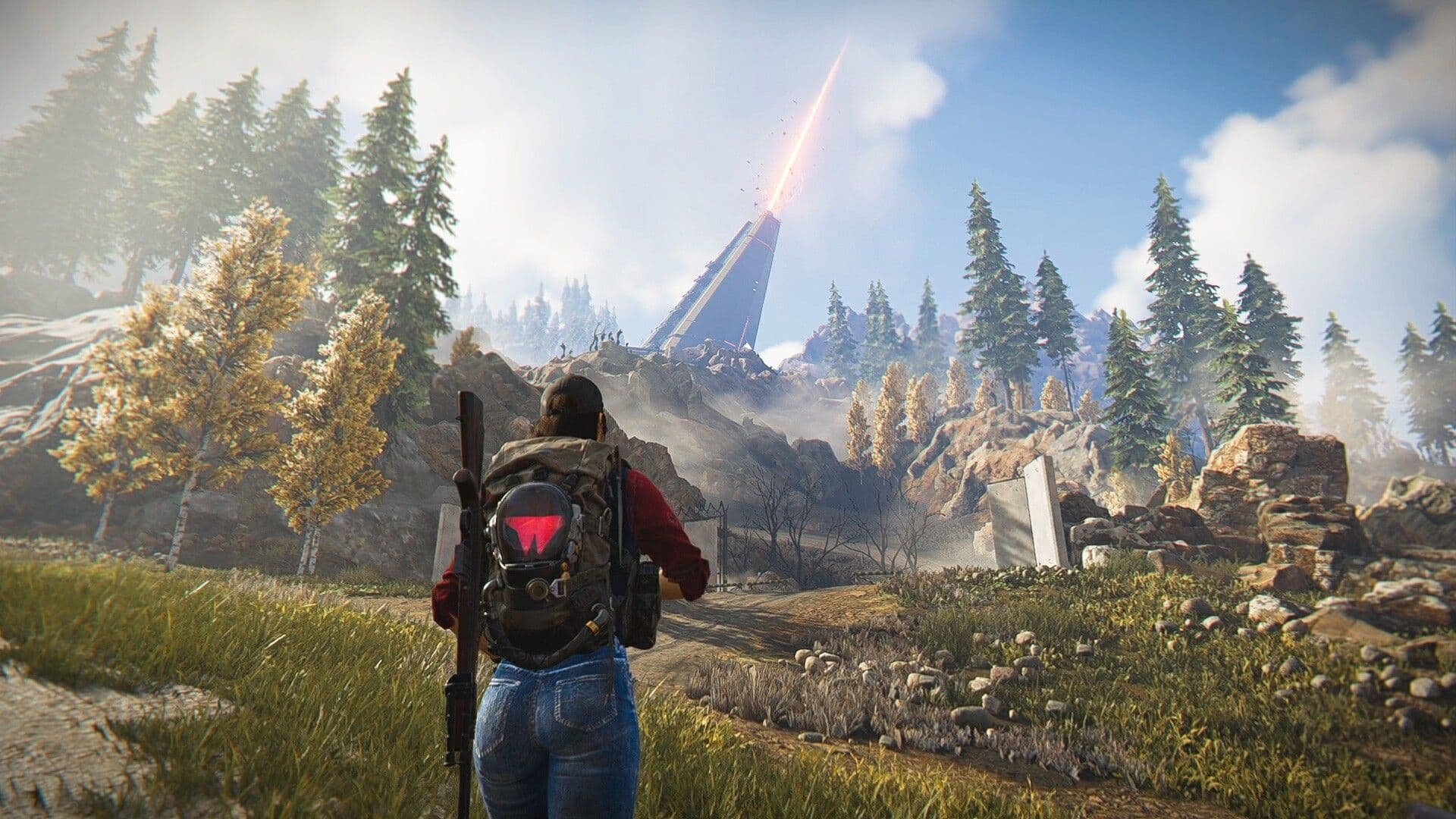
Capture anomalous creatures called Deviations, install them in your base to mine ore and cook your meals, then send them ahead to the next season when the map resets — that's Once Human, the free-to-p...
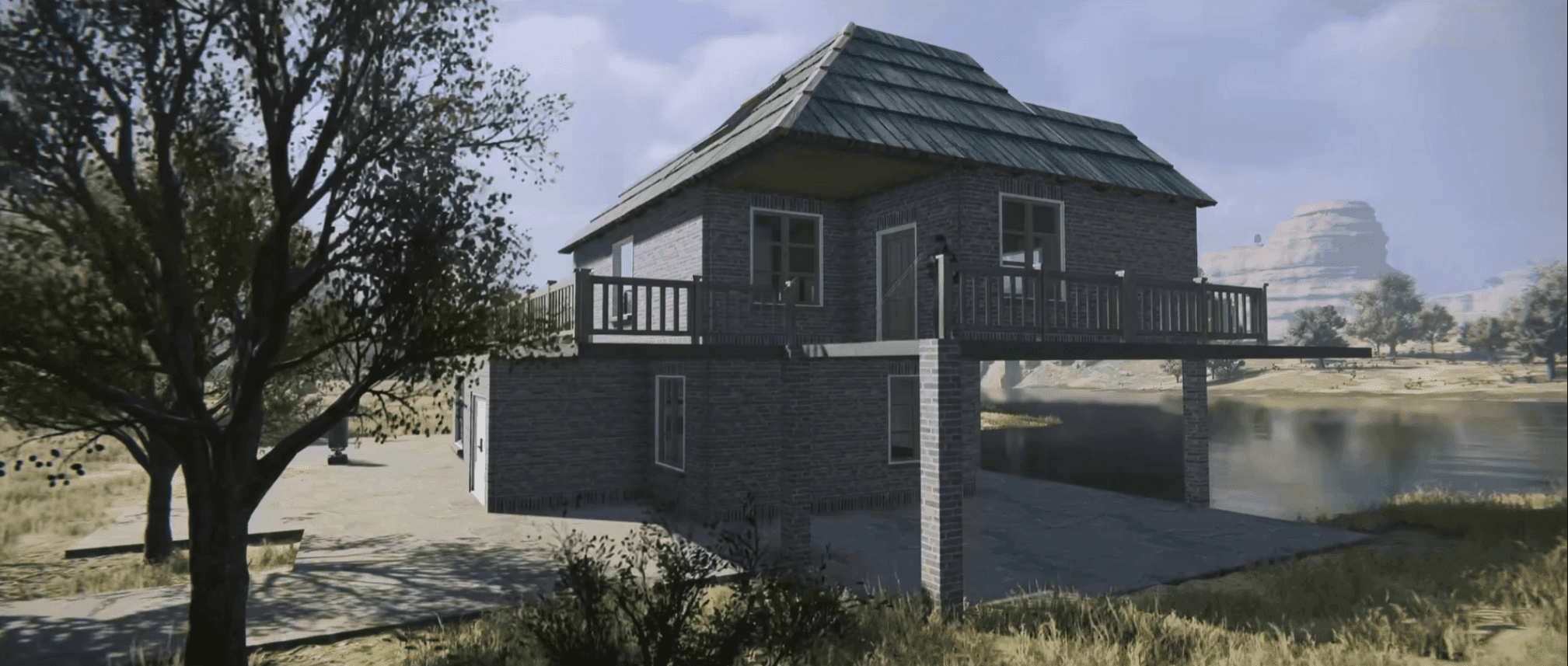
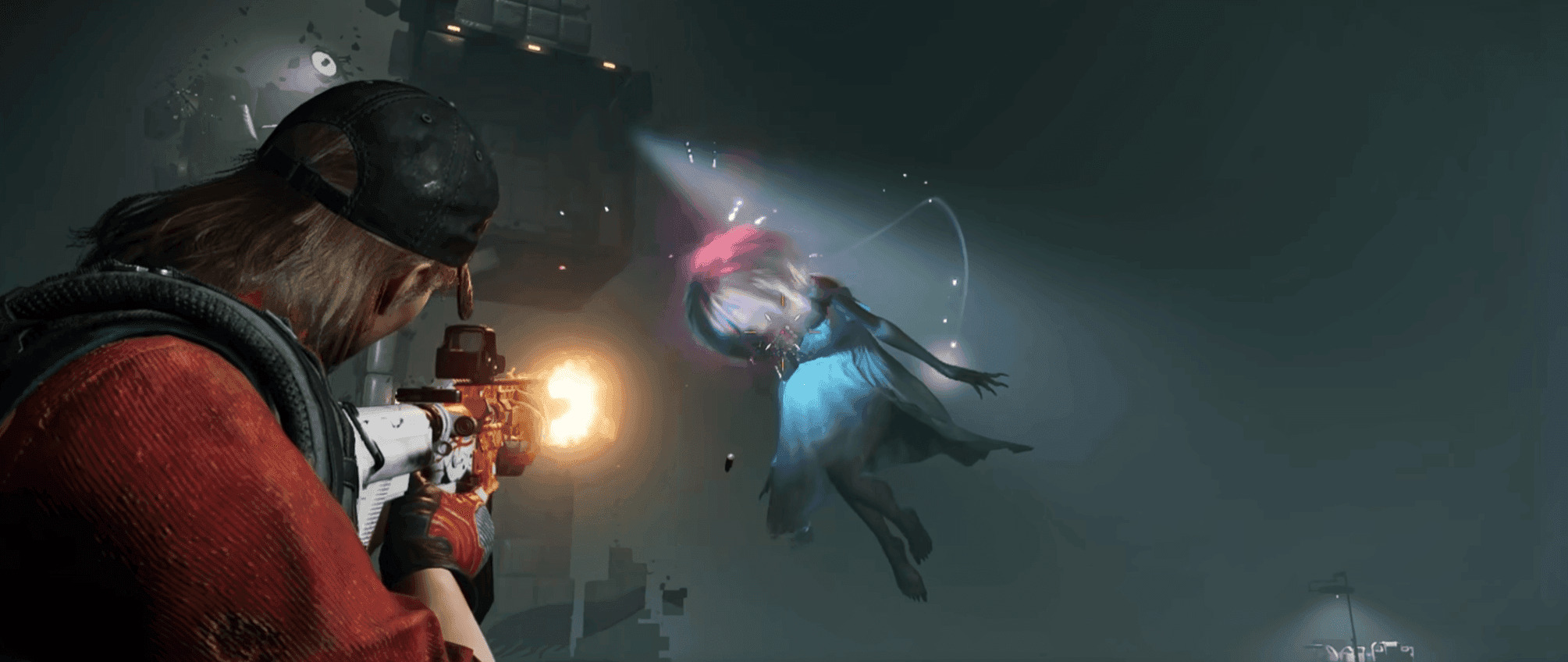
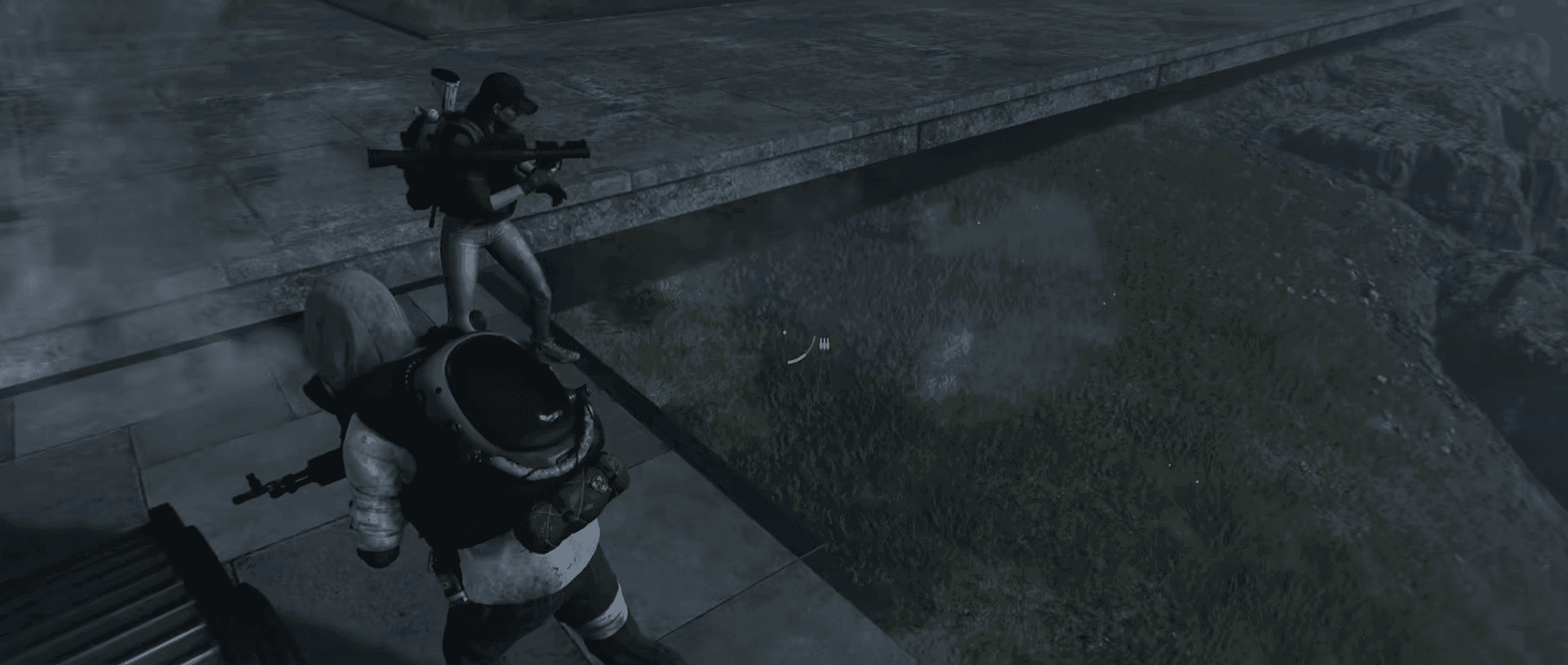
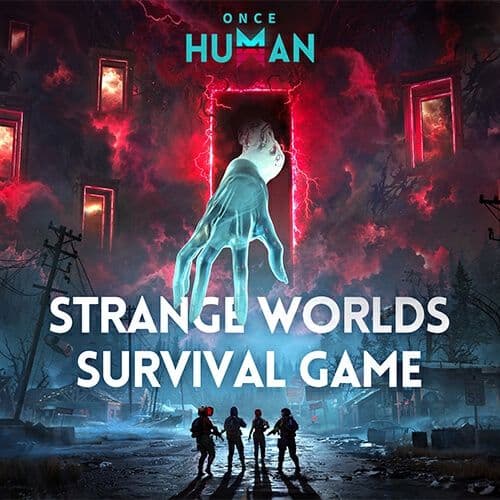
Once Human is a free-to-play survival game from Starry Studio, a NetEase subsidiary, released on Steam in July 2024 and built on the studio's in-house NeoX engine. It runs three genres at once — open-world survival crafting, third-person gunplay, and creature collection built around anomalous entities called Deviations — on servers that reset on a fixed seasonal cycle. Two years in, it holds around 12,000 average concurrent players on Steam with an 80% positive score across roughly 88,000 reviews, and it reached PlayStation 5 and Xbox Series X|S on August 25, 2026 with crossplay and cross-progression.
That seasonal cycle is the thing to grasp before anything else. A scenario runs for a few weeks, opens its content in phases, and then closes: map gone, character level gone, base gone. Every other system in the game is shaped by that arc, so this review follows one scenario end to end — from the first hour in the wetlands to the night the servers shut and the accounting starts.
The game is set on Nalcott, a fictional continent soaked in a substance called Stardust that rewrote local biology on contact. Most people died. The ones who didn't stopped being people in the old sense, and your character is one of them — a Meta, someone who learned to run on Stardust instead of dissolving in it. The title is the premise: you were human once.
What sells the setting is the choice of scenery. Nalcott is not scorched desert or ruined megacity but American back-country — gas stations, motels, corn fields, water towers, campgrounds — with something wrong growing through it. Crystalline spurs push out of asphalt, humanoids with their heads opened up shamble along the shoulder of the highway, and objects that should not be airborne hang over the treeline. It reads like a road trip that stopped mid-sentence.
Two factions frame the plot. Rosetta is a technocratic corporation studying Stardust without much concern for method; Mayfly is the resistance that blames Rosetta for the catastrophe in the first place. Above both sits Mitsuko, whose nature gets revealed in pieces across scenarios rather than in one campaign. Story arrives through audio logs, notes and outpost dialogue, and the full picture takes more than one season to assemble.
A scenario opens with you on a roadside in the Dayton Wetlands holding an axe. The first half hour is standard survival business — chop a tree, strip fiber from bushes, light a fire, cook whatever you killed — and it ends when you plant a Territory Core, the device that claims a patch of ground and turns it into property. From that point the game has a center of gravity.
Three meters govern the early game. Hunger and thirst work as expected: an empty stomach eats your stamina, and without stamina you won't reach the next hill. Sanity is the interesting one. It drains from contaminated food, dirty water and long stretches inside pollution zones, and your maximum health falls with it. That turns ordinary decisions tactical — eat the questionable canned goods now, or hold out until you reach a stove and clean water at home.
The domestic layer runs deeper than most shooters bother with: a fridge to stop food spoiling, crop plots, fishing, hunting, and cooked meals that grant timed buffs. Survival pressure is deliberately gentler than Rust or ARK, though. Hunger won't kill you in ten minutes, nights aren't lethal, and PvE scenarios never take your gear on death. Veterans of harder sandboxes will find it soft, and that softness is a design position rather than an oversight.
Progression runs through Memetics, a research grid that spends two currencies: Ciphers from levels and seasonal tasks, and Energy Links from dungeons and commissions. Furnaces, cooking, solar generators and vending machines all sit in separate branches, and spreading points thin across all of them is the standard newcomer mistake.
Every five levels the game offers a Memetic Specialization — a permanent perk that pushes you toward shotguns, explosives, electricity, bulk, or support through your Deviations. There are no classes at all here; your role is the sum of specializations, equipped weapon and mods. Respeccing is possible, but it refunds only 70% of what you spent, so experiments have a real price.
Weapons come from blueprints — roughly 100 guns across seven categories, from assault rifles and shotguns to bows and heavy weapons. Most drop from activities, but the rare ones come out of the Wish Machine, an in-game lottery spun with Starchrom earned through play. No real money touches that mechanism, though statistics do: the blueprint you want may simply not appear all season, and you build around what you got.
Starry Studio also rebuilds these systems regularly. January 2026 removed weapon calibration outright, reworked accessories and mods, added blueprints with guaranteed damage rolls, and compensated everyone above level 40. The update landed well, and it carries a cost worth naming: two-year-old guides are useless, and veteran knowledge partly expires with the mechanics it described.
Deviations are anomalous creatures you capture and install in your territory, where they serve as combat companions, production machines and furniture depending on their type. You place an Isolated Securement Unit, sync the creature to your Cradle, and it becomes yours. Each one has comfort requirements — greenery, darkness, open space — and an unhappy Deviation performs worse, so bases end up zoned around their tenants.
Deviations split by function. Combat types fight beside you and hand out shields or area damage. Territory types work the property: Solar Drill pulls ore from a vein on its own, Chefosaurus Rex cooks without supervision, gatherers haul materials into your crates. Gadget types grant one-off abilities like levitating to a ledge you can't otherwise reach. A final category exists purely to decorate the house.
The design does something few games manage, which is collapsing pet, party member and production line into one system. Because territory Deviations keep working while you're offline, the house runs a second shift without you, and coming home to full ore crates becomes a small daily payoff. This is the mechanic other survival games will be copying, and the one that makes the base feel occupied rather than stored.
Combat is a third-person shooter with no target lock: you aim by hand, break weak points, roll out of telegraphed swings, and manage ammunition you crafted yourself. The console release added a first-person camera you can toggle at any moment, which changes the feel of firefights considerably. Vehicles are part of the loop too — motorbikes, cars and trucks with fuel gauges and cargo space.
The shooting is competent. Recoil reads clearly, shotguns land with weight, and long-range weapons demand lead. Enemy behaviour is where the ceiling sits: most creatures walk at you in a straight line, and difficulty usually comes from numbers rather than tactics. Monster design carries the rest — Sonivore hunts by sound, a drill-beast erupts from under a firefight already in progress, and the human-shaped things move in ways that stay unpleasant at hour one hundred.
The third season added Fusion, which lets you merge with a mutant's body and use its head as a weapon. It functions as a temporary ultimate and gates access to anomalous zones with hostile environments. It is also a good example of what keeps this game interesting: Starry Studio is not shy about strange ideas, and they usually ship them.
As a scenario reaches its middle phases, the group content opens. Securement Silos are compact dungeons run for gear and blueprint materials, treated by most players as a weekly errand. Monoliths are boss dungeons with real mechanics that expect a coherent build and some knowledge of phases.
The peak is the Prime War, and it is the strangest activity in the game. A device called a Staroid Restrainer sits on the map; someone spends banked Staroids to activate it, the whole server gets a notification, and a five-minute preparation timer starts. Players teleport in and physically build a defense — platforms, walls, gatling cannons, missile launchers. Then a boss climbs out of a silver pool and walks toward the device while up to 40 players try to stop it.
Difficulty climbs through four tiers, ending at Nightmare and Manibus itself: a three-tentacled thing in the sky whose shields only break to red plasma missiles. Tower defense fused into a boss fight is a combination almost nobody else has made work, and the scale is genuinely the reason people stay through a season. Frame rates suffer when forty people build fortifications and open fire at once, and joining a scenario late can leave you locked out of higher tiers because the server has already moved past the lower ones.
PvP lives in separate scenarios, which is the most grown-up structural decision in the game: players who came to build a house and collect creatures are never exposed to anyone else's aggression. You opt into conflict at registration, by picking a different server.
Evolution's Call is the introductory version — PvP switches on voluntarily through Chaos State, you can only fight others who did the same, and competition centers on resource points. Prismverse's Clash is harder and more interesting: the server splits into Rosetta and Mayfly, Prism Deviations fall into contested zones, and factions secure them with capture units to convert into Prism Energy. Highest total wins the scenario, and gear isn't lost on death in the open world, which keeps the cost of a bad fight tolerable. Summer 2026 added Isles of the Abyss, an island scenario with watercraft and ocean resources.
RaidZone sits apart as a full-loot spin-off, in early access since May 2025. No safe zones, no shared objectives; another player's base, gun and crate are all legitimate targets, and dying means losing what you carried. Nothing transfers in from the main game — equipment and recipes are researched again from scratch. Splitting the audience by temperament works, though it does thin out each individual scenario's population.
The economy is deliberately local. There is no global auction house and never was one planned, since regular server resets would give a central market nothing to stand on. Two systems replace it. The first is a direct trade window with a friend standing next to you. The second is the Vending Machine, researched in the Logistics branch and placed on your own plot: you stock surplus, price it in Energy Links, add an advertising slogan, and sell while you're out in the wasteland.
Limits are strict. Tools, consumables, materials and special items move freely, while weapons and armor can't be handed over through any supported route. Players have spent years inventing workarounds involving dropped items on the ground, which tells you what the system does and doesn't allow. The reasoning is sound — free circulation of gear would flatten personal progression inside a fortnight — but nobody would call the result convenient.
Eventually the phase timer runs out and the scenario closes. Map, level and buildings are gone. What stays is more than newcomers expect: currencies, gear blueprints and their fragments, mods, weapon accessories, cosmetics, furniture formulas, saved house blueprints, your friends list, and story progress, which can be re-cleared in an accelerated mode with full rewards next season.
Resources, crafted equipment and captured Deviations move to Eternaland, a private pocket world that belongs to you permanently and works as both warehouse and building plot. From there a capped amount can be brought into the next scenario, so nobody starts a fresh server in top-tier gear. Alongside that sits the Cradle, a set of permanent account-level upgrades that outlive every reset — which is why investing there beats chasing high-end loot in the final days of a season.
The honest framing is that a season is a lease rather than a deed, and the value of that lease depends entirely on what arrives with the next one. Rediscovering teleport anchors and driving north again to reach the good regions is fine for two or three cycles. After that, whether it feels like a fresh start or a treadmill depends on how much genuinely new content shipped. Because blueprints and mods survive the reset, each restart is faster than the last — but the map is still the map.
No. Once Human sells cosmetics and a battle pass, and nothing in its shop sells power. Crystgin is the premium currency, spent on character outfits, weapon skins and house decor; a seasonal shop runs on Mitsuko's Marks; cosmetic loot crates exist with randomized contents. Purchases are account-wide rather than per-character, a change made in the first year after player complaints.
Progression itself stays outside the transaction. Wish Machine blueprints spin on Starchrom earned in play, gear cannot be purchased, and there are no experience boosters on sale. Community consensus after two years is that spending is optional except for appearance, with one caveat worth stating: in competitive PvP scenarios, time saved anywhere converts into an edge, and money can buy time indirectly. For a free game from a major publisher, this is noticeably cleaner than the market average.
One practical note for anyone about to install: the client runs to 100 GB and the developers explicitly recommend an SSD.
Before installing, ask yourself one question: when a timer tells you that your level, your map and the house you spent forty hours decorating will be gone in nine days, does that read as a threat or an invitation? Everything else about this game is secondary to your answer, because the seasonal scenario is not a feature bolted onto the survival loop — it is the loop.
Answer "threat" and you should walk away regardless of the quality on offer, because you'll spend every session watching the clock instead of the horizon. Answer "invitation" and the design clicks into place: a fresh map with different monsters, a library of blueprints that grows every cycle, Cradle upgrades that make each restart faster, and a warehouse in Eternaland filling up with the things you couldn't bear to lose.
For anyone in the second camp, the timing is good. The game just turned two, it landed on consoles with crossplay and shared progress, 2026 was declared its "year of monsters" with new scenarios and visual work promised, and the entry cost is nothing but disk space. Start on a normal-difficulty PvE scenario, which shows the whole game without dragging you into competition with strangers. If you catch yourself twenty hours in planning power cable routes around your base, Nalcott has you.