 F2P · Live
Lineage 2 Essence
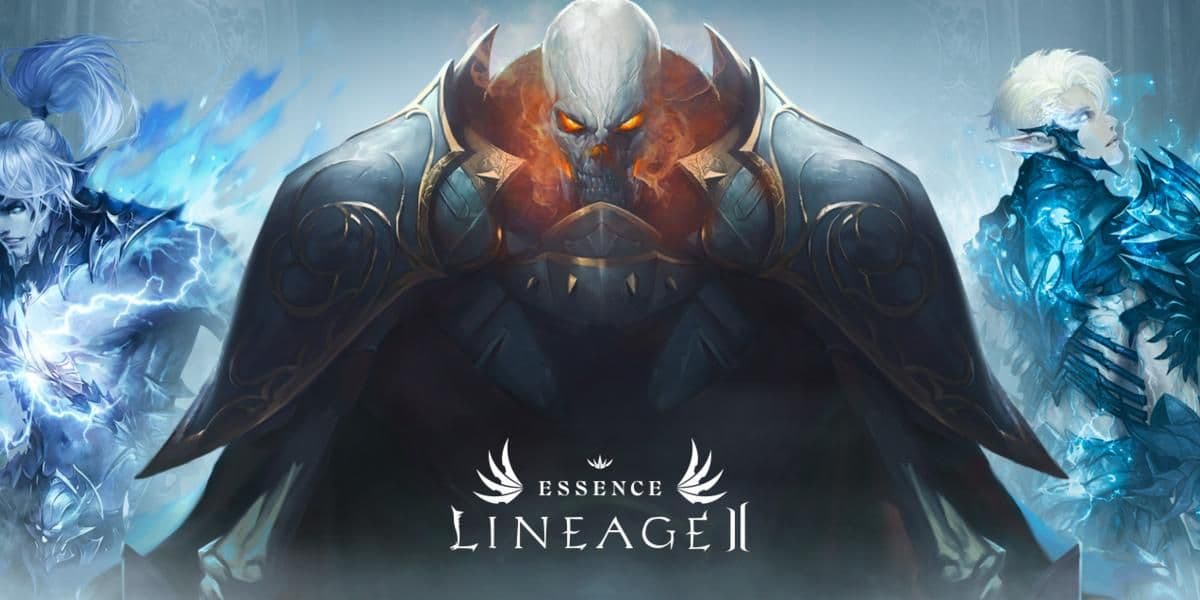
Lineage 2 Essence is NCSoft's free-to-play take on the classic Korean MMORPG Lineage II, built around faster…
The First Descendant is a free-to-play, third-person looter-shooter where squads of superpowered Descendants take on the Vulgus, an invading force led by colossal alien bosses. Nexon's shooter has spe...
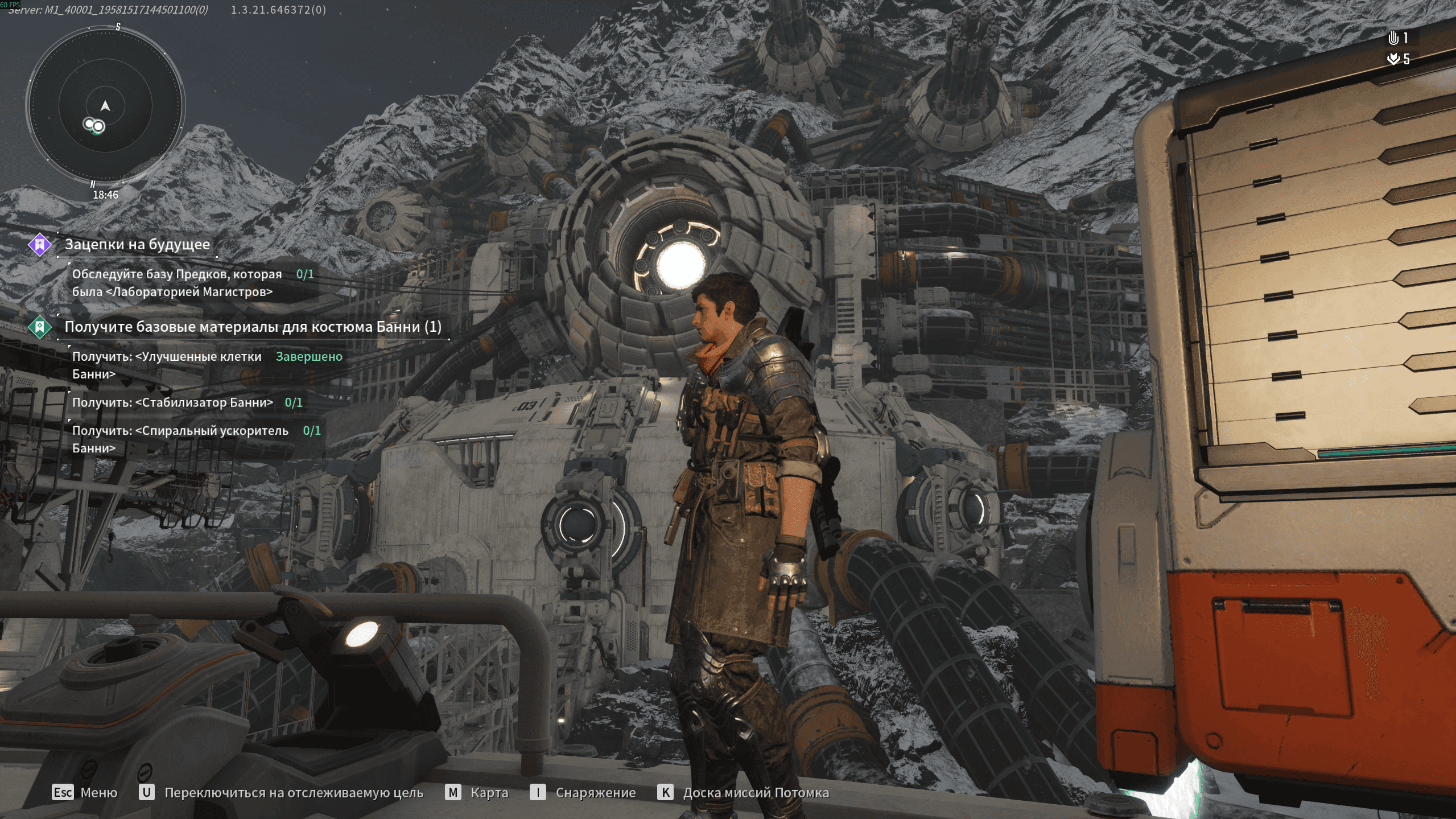
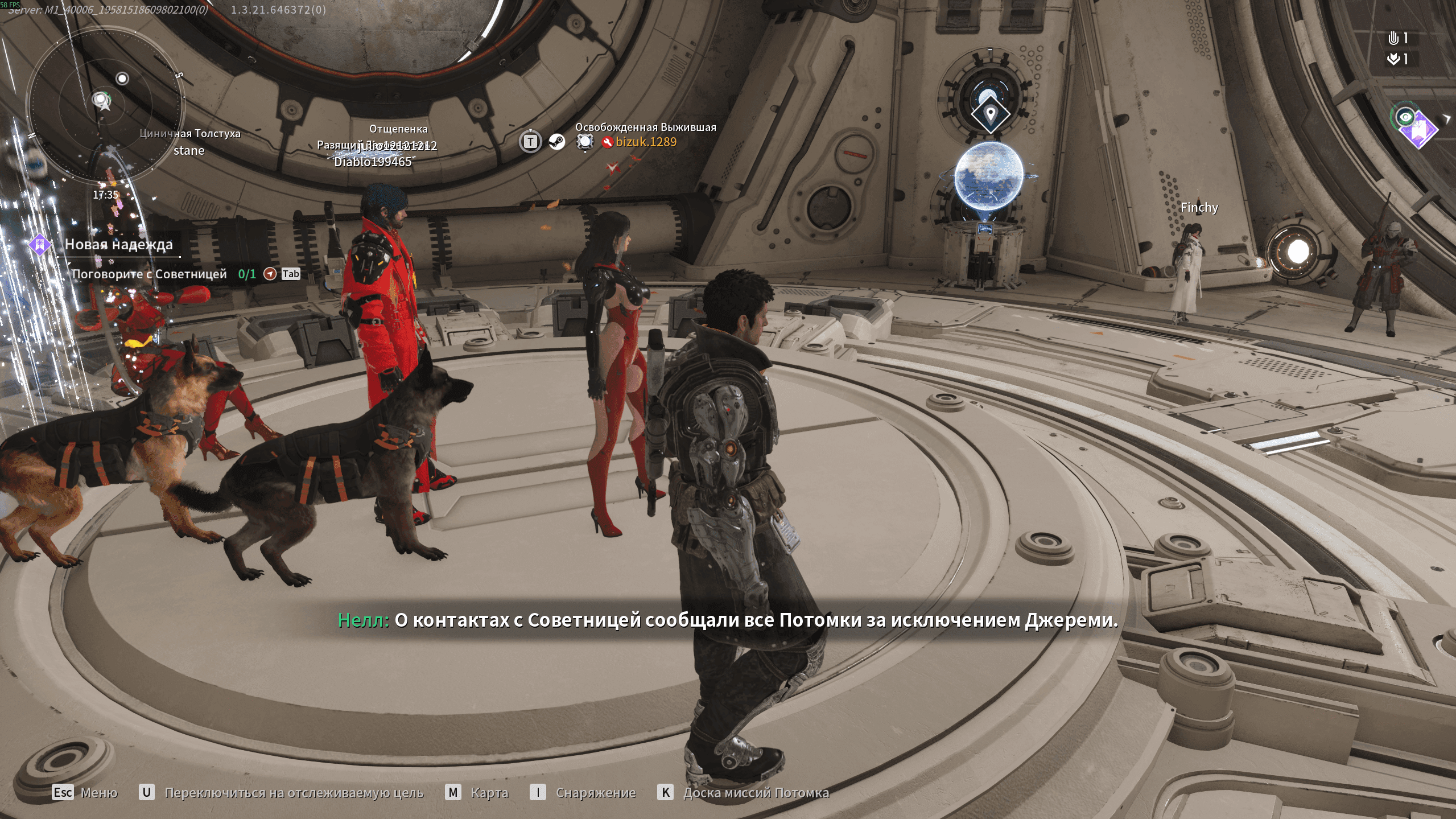
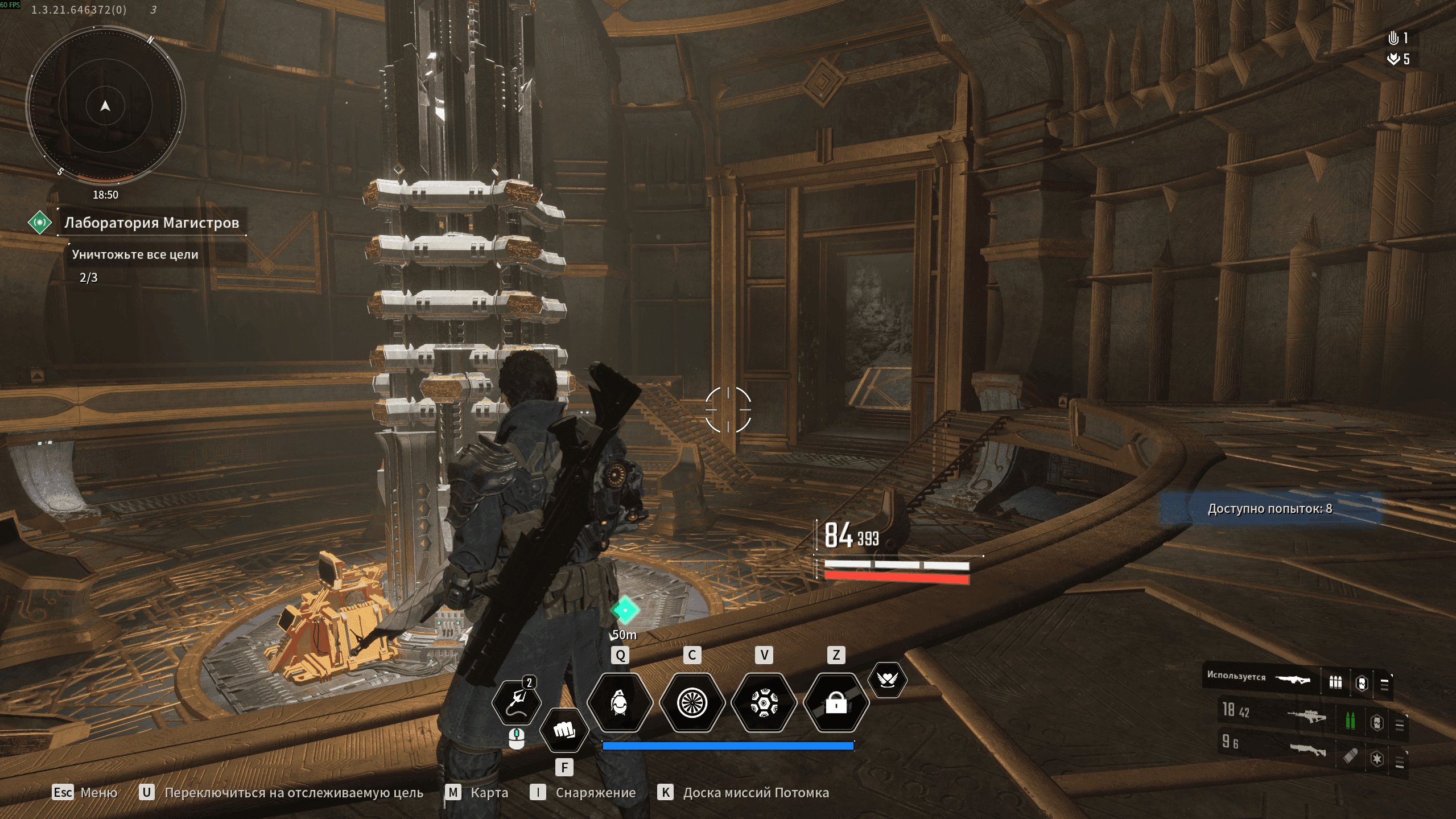
The First Descendant is a free-to-play, third-person co-op looter shooter developed and published by Nexon Games, built on Unreal Engine 5 and released on July 2, 2024 across PC, PlayStation, and Xbox with full crossplay and cross-save. It launched to an enormous first week, cooled off hard once the honeymoon ended, and has spent much of the two years since trying to close the gap between the game people showed up for and the one they actually found waiting past the tutorial. Whether that repair job has succeeded enough to justify installing it in 2026 is the question this review sets out to answer.
The pitch is familiar sci-fi shorthand: alien invaders called the Vulgus crossed into this world a century ago, brought hulking bio-mechanical horrors called Colossi with them, and humanity's remaining foothold is the walled city of Albion, perched on the edge of the wider continent of Ingris. You play a Descendant, one of a bloodline that manifested strange powers called Arche abilities generations after the invasion began, and the story's job is mostly to keep pointing you at the next Colossus that needs killing. Nobody is going to finish this game and describe the plot as the reason they stayed. Cutscenes are polished and the character designs carry real production value, but the writing is functional connective tissue between missions rather than a hook in its own right.
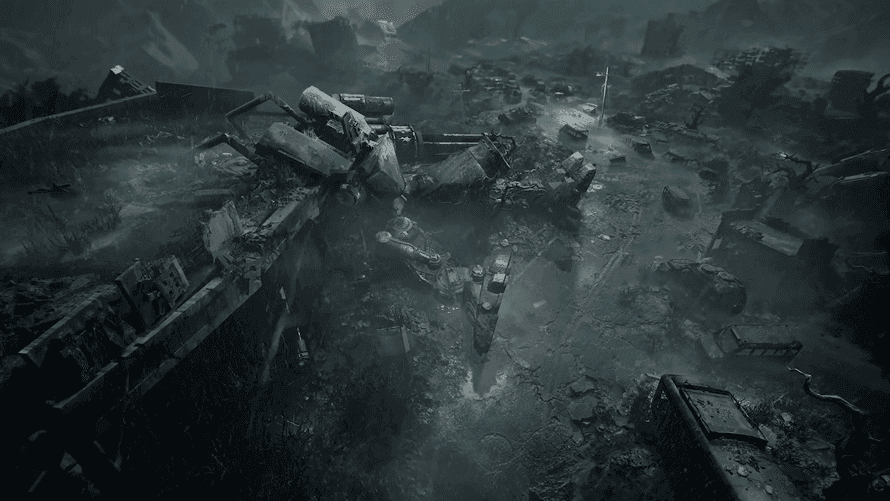
What the setting is good for is showing off the engine. Ingris is broken into open regions — Vespers, White-night Gulch, Fortress, and others — each large enough to drive or fast-travel across, dressed in ash-choked ruins, overgrown wetlands, and Vulgus fortifications that loom in the distance long before you reach them. It is not a single seamless world the way some open-world RPGs are; it is a hub-and-mission structure with genuinely sizeable open zones layered on top, closer in feel to Destiny's patrol areas than to a Ubisoft-style map. That distinction matters for expectations: you are not wandering an unbroken continent so much as dropping into large, detailed sandboxes one region at a time.
A new Descendant starts with almost nothing — a starter weapon, a single character, and Albion's central plaza as a home base. The early missions are a straight line: shoot Vulgus grunts, learn your character's four abilities, get introduced to a Colossus fight that's tuned to be beatable but tense enough to teach you the game's actual identity. That identity turns out to be equal parts gunplay and ability rotation. Weak-point shooting brings Colossi down fast, but abilities are what strip their defenses and keep your squad alive — a support Descendant shielding the team, a tank pulling aggro, a damage-focused one detonating a weak point the moment it's exposed.
Progression from here runs on two separate tracks that new players have to learn to juggle. Weapon Proficiency levels a specific gun from 1 to 40, unlocking module slots as it climbs; Mastery Rank is the account-wide number that actually matters, since it expands your overall module capacity and storage, and it only grows when you level a Descendant or weapon to cap for the first time. On top of that sits the module system itself — the actual build-crafting layer, where you slot skill, weapon, and Descendant-specific mods to shape how a character plays, not unlike the mod systems in Warframe or Destiny's armor perks. It's a lot to absorb in the first ten hours, and the game doesn't always explain why a system matters before asking you to engage with it.
Descendants function as the game's classes, and there are close to twenty of them counting Ultimate variants — reworked, more powerful versions of existing characters earned through late-game farming rather than sold outright. Each comes with a defined role: Bunny sprints circles around enemies at absurd speed for crowd-clearing, Valby drowns groups in AoE water damage, Jayber leans support with turret summons, Gley trades her own health for burst damage in a frenzied state. None of them are locked behind a paywall in the traditional sense — every Descendant and every Ultimate weapon can be researched and crafted at the Workbench in Albion using materials farmed from specific missions and Colossus fights, with Caliber (the premium currency) only ever offering to skip that farm, not to buy power nobody else can reach.
The weapon side runs on a parallel logic. Guns span four rarity tiers up to Ultimate, and the best of them carry unique passive abilities worth building an entire loadout around — one might apply a stacking debuff on weak-point hits, another might scale harder the more times you've already used it in a fight. Between Descendant modules, weapon modules, and the growing library of Ultimate weapons added with each season, the theory-crafting layer here is genuinely deep once you're a few dozen hours in. The friction is that almost everything worth having gates behind a research timer or a material grind, and the game is upfront that patience, not skill alone, is the price of admission to that depth.
Once the campaign wraps, the loop shifts to a rotating menu of endgame activities built almost entirely around farming the next upgrade. Void Intercept Battles pit your squad against a specific Colossus on escalating difficulty tiers, dropping the components needed for Ultimate weapon research; Special Operations offer dense waves of enemies for weapon proficiency grinding; instanced dungeons hand out gear and crafting materials tied to particular builds. The newer Onslaught mode strips this down to something more arcade-like — four escalating waves of enemies, no side objectives, just a straight test of whether your build can survive the ramp.
The honest complaint here, echoed by a large chunk of the player base since launch, is that the loop can feel like a treadmill built to be walked rather than enjoyed: drop rates on key crafting components have historically been stingy enough that even engaged players describe multi-week farms for a single item. Nexon has spent 2026 trying to sand down exactly that edge, adding the Breach Tracking activity — which rotates between old farming zones to cut down on repetition — and folding Hard and Abyss-difficulty Intercept Battles into a single tiered mode called Extreme, so players aren't forced to repeat near-identical fights at multiple difficulty rungs just to progress. It's an acknowledgment, in patch-note form, that the original farming design asked too much for too little.
This is a game best understood through two different pairs of eyes right now, because the same patch notes read completely differently depending on when you arrived.
Walk in fresh today and The First Descendant looks like a live-service shooter in genuinely good shape: a steady cadence of monthly content, a companion app that lets you manage research queues from your phone, a farming loop that's noticeably less punishing than it was at launch, and a roster of characters with enough build variety to keep theory-crafting interesting for a long stretch. None of the baggage below is visible to you — you're just playing a competent, generous-feeling co-op shooter with real production values behind it.
Ask someone who's been here since July 2024, though, and the tone shifts. That player remembers a launch that peaked at well over a quarter-million concurrent players on Steam and then bled most of them away within months, largely over monetization complaints and a grind that felt engineered rather than earned. They remember Season 4 — originally expected in early 2026 — getting pushed back to that August specifically so Nexon could rebuild the farming loop instead of shipping new content on top of a system nobody liked. They're watching this year's changes less as new features and more as an admission that the first eighteen months got the fundamentals wrong. Both perspectives are accurate. The game in front of you in 2026 is meaningfully better than the one that launched — the question is whether "meaningfully better than a rough launch" clears your bar, or whether you'd rather wait and see if Season 4's promised weapon-system overhaul actually lands in August.
The First Descendant has no guild structure and, until now, no PvP of any kind — this has been a purely cooperative game, playable solo for most content with matchmaking or friend groups covering the harder Colossus fights and dungeons. That changes at the end of 2026, when Nexon has scheduled its first PvEvP mode, an asymmetric format called Colosseum-A, alongside a new hero and dungeon arriving earlier that same quarter. It's a genuinely new direction for a game that's spent two years as a solo-or-small-squad experience, and it's too early in this review's writing to say whether it lands — but its mere existence signals Nexon sees room to grow the game's social footprint beyond four-player missions.
The short answer: not in any way that locks content behind a purchase. The First Descendant monetizes through Caliber, its premium currency, spent on cosmetic skins, a seasonal Battle Pass, and time-skips on the crafting queue for Descendants and Ultimate weapons — never on power you can't otherwise farm. This puts it closer to Warframe's model than to a gacha system, and notably, the game has no loot-box character banners at all; every Descendant is a known, targetable craft, not a random pull. An early and widely criticized paywall — the Void Key system, which gated access to key farming content behind a purchasable consumable — was removed within the game's first year, which the community generally regards as the single clearest good-faith move Nexon has made since launch.
That said, "not pay-to-win" isn't the same as "no complaints." Cosmetic pricing has been a recurring sore point, especially on collaboration skins that carry licensing costs on top of the base price, and the sheer volume of currencies, battle passes, and limited-time bundles can feel like a lot of storefront to wade through for a game that insists it isn't asking you to buy your way to strength. If your tolerance for F2P storefronts is already thin, this won't be the game that changes your mind — but if you can tune out the shop, nothing in it stands between you and the content.
Steam's lifetime rating sits at 64% positive — "Mixed" in Valve's own language — a number dragged down almost entirely by the launch-era backlash over monetization and grind rather than by anything happening today. Recent review trends have been running noticeably greener than the lifetime average, tracking the same course-correction the roadmap describes. Nexon doesn't publish ongoing concurrent-player figures, so there's no clean 2026 population number to cite, but the studio's decision to commit an entire half-year of development to fixing core systems rather than chasing new content is itself a signal: this is not a title being left on life support, even if it's also not the phenomenon its opening week suggested it might become.
Here's the question worth sitting with: does a game deserve credit for fixing its own mistakes in public, or does that just mean you're beta-testing the version it should have shipped two years ago? There's no clean answer, and The First Descendant doesn't offer one either — what it offers is a genuinely solid co-op shooter, built on a fair monetization model and backed by a developer that's demonstrably still trying, wrapped around a grind that hasn't fully shaken its reputation yet. If you want combat and build-crafting that reward the hours you put in, and you're willing to judge 2026's version on its own terms rather than 2024's launch reviews, there's a real game here worth your time. If August's Season 4 overhaul is the thing you're actually waiting for, waiting one more season costs you nothing.