 F2P · Live
Lineage 2 Essence
Lineage 2 Essence is NCSoft's free-to-play take on the classic Korean MMORPG Lineage II, built around faster…
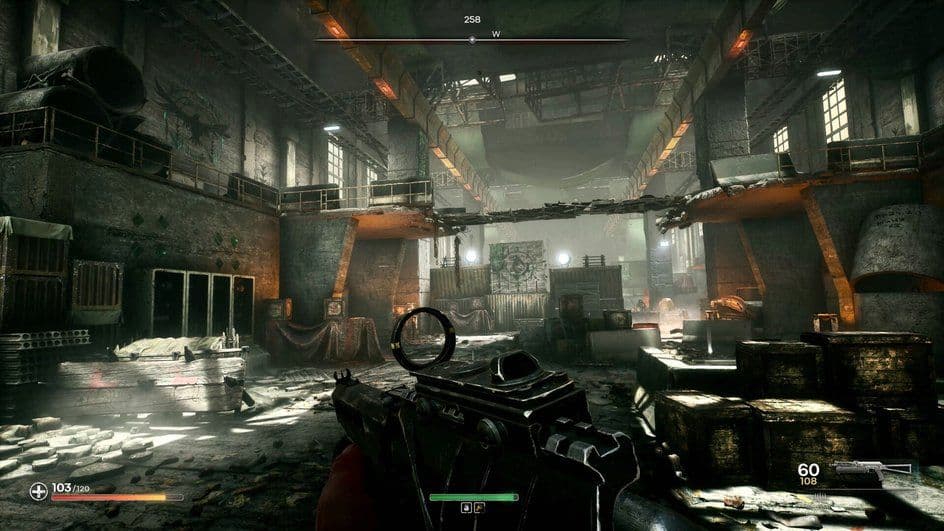
Pioner is a post-apocalyptic open-world MMO shooter set on Tartarus, a Soviet-era island reshaped by strange sci-fi anomalies, blending PvE survival, faction-driven storytelling, and high-risk PvP zon...
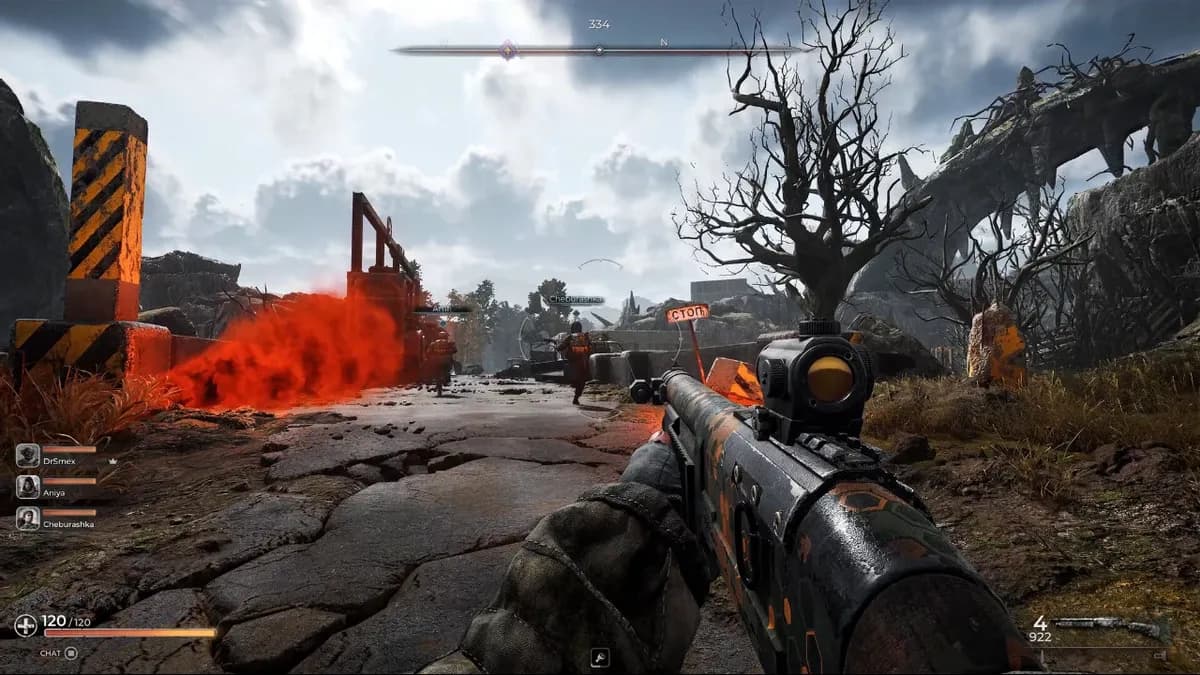
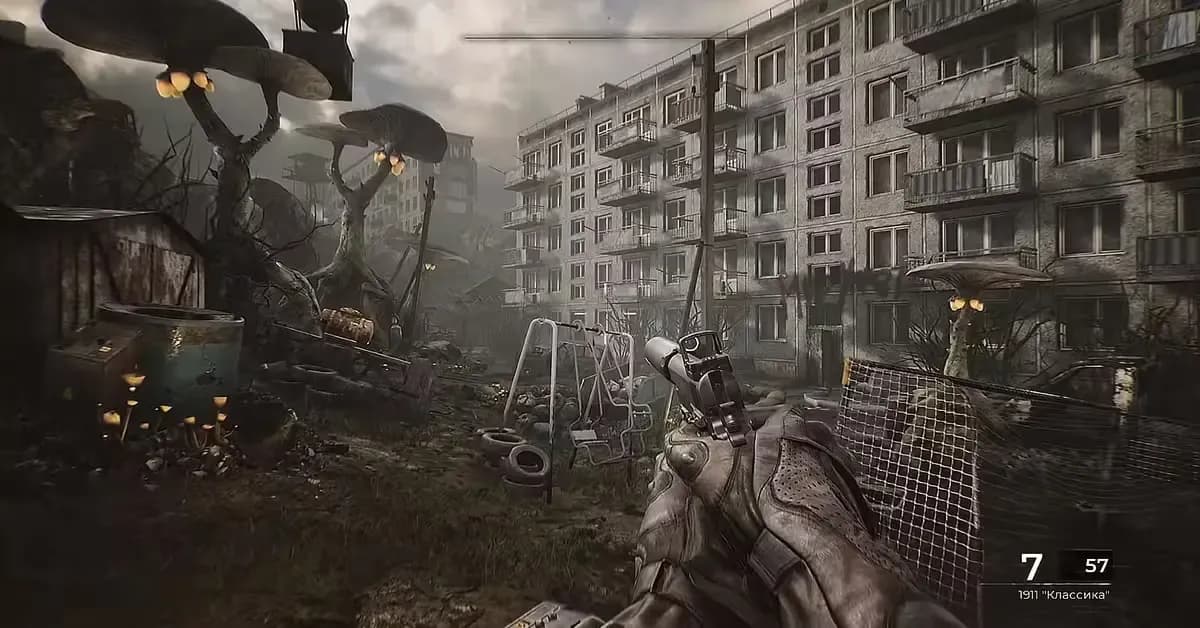
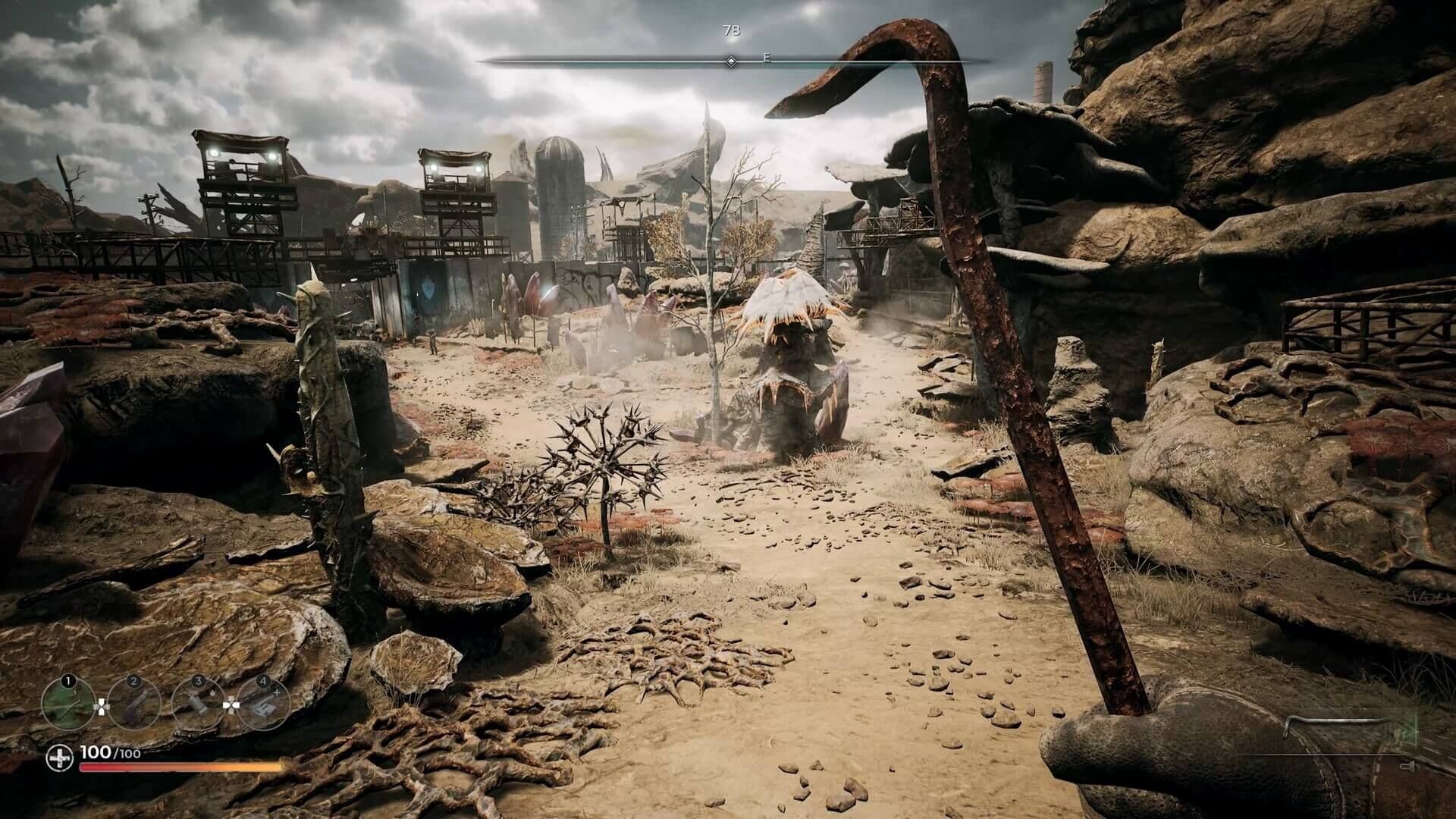
PIONER is an open-world MMO first-person shooter developed and published by GFA Games, a Belgrade-based studio backed by a minority investment from Tencent, and it entered Steam Early Access on December 16, 2025. It sets itself apart from the crowded extraction-shooter field by building the whole loop — survival, crafting, faction politics, and a dedicated PvP extraction mode — inside one persistent, seamless online world rather than a lobby-based match structure. Seven months into Early Access, PIONER is a genuinely distinctive game wrapped around a studio going through a very public, very documented crisis, and this PIONER review treats both halves of that story as equally important to a buying decision.
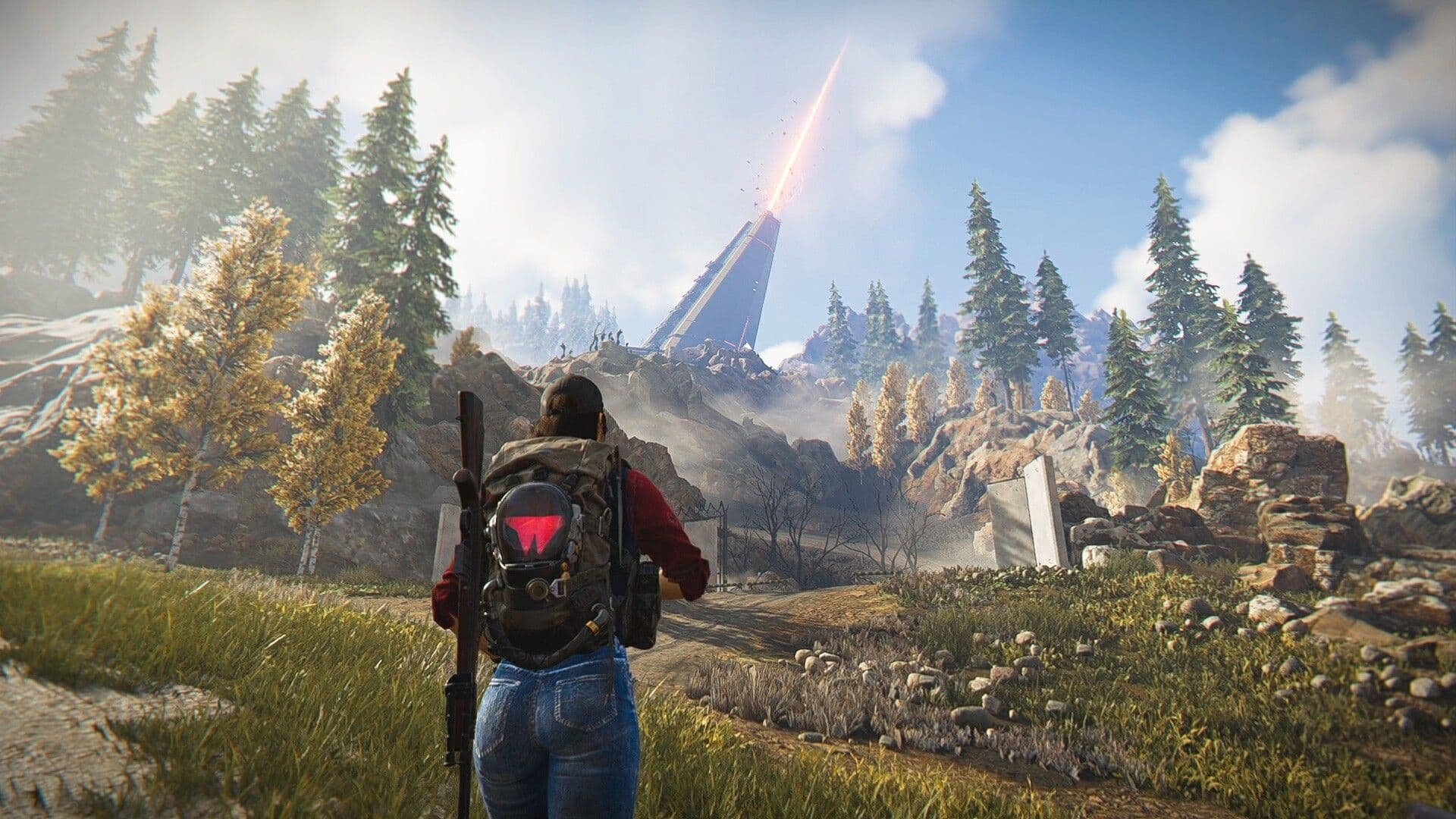
PIONER takes place on a fictional archipelago built around the fallout of an alternate Cold War, where Soviet-era research facilities, decommissioned military hardware, and abandoned settlements sit inside more than 50 square kilometers of open, seamless terrain. Something happened here — the game never rushes to explain what, doling out fragments through environmental storytelling, faction dialogue, and a story campaign that currently centers on a relic called the Compass of Harmony. Reality-bending anomalies have torn through the landscape since, spawning mutated wildlife, warping physics in localized pockets, and leaving behind artifacts that power everything from crafting to endgame gear. The comparison every outlet reaches for — "S.T.A.L.K.E.R., but MMO" — is close enough to be useful and reductive enough to undersell what PIONER is actually attempting: a shared, always-online version of that irradiated-borderland fantasy, with real players filling the roles a solo game would hand to scripted factions.
There's no class select screen here. A new arrival on the island starts with a rough kit and immediately has to manage two survival meters — hunger and rest — alongside whatever gear they've scavenged. Progression is resource-driven rather than level-driven: instead of grinding experience points, you're hauling scavenged components, artifacts, and anomaly energy back to a workbench, where they become weapon attachments, armor upgrades, or consumables. A starting player's first hour looks a lot like modifying a battered Mosin-Nagant with salvaged parts rather than waiting on a numeric power spike, and that framing — what you carry back matters more than what number is over your head — holds for the whole game.
Faction choice is where long-term identity actually forms. Eleven groups occupy the island with distinct personalities and enemy lists: the neutral courier network Runners, the mercantile Trade Union, the exploratory Wanderers of the Pass, the militarized Sentinels, the opportunistic Island Gangs, the industrial Conglomerate, the disciplined Brigade, the political Initiative, the sinister Cult of the Raven, the shadowy Sumrak, and the contract-driven Mercenary Troops. Building loyalty with one unlocks its specific gear, merchants, and questlines, and the game leans on that faction web rather than a solo hero's journey to give the world texture — you're a mercenary, a courier, or a bandit because a faction decided you were, not because a tutorial said so.
Gunplay is grounded rather than arcade-y: recoil control, positioning, and ammunition management matter more than reflexes alone, and PIONER leans into weapon customization harder than most of its peers, with hundreds of modular parts letting a rifle you found in a ruin become something entirely your own by the time you've fed it enough scavenged components. AI enemies are a mixed bag — durability varies wildly between mutant types, and more than a few players have flagged that hostiles tend to walk straight at you rather than use cover or flanking routes, which flattens fights that the environment and sound design otherwise sell as tense.
The crafting loop is the game's clearest throughline: scavenge materials and artifacts in the field, haul anomaly energy back from an environmental hazard, and feed all three into a workbench to produce gear that actually reflects what you found rather than a shop-bought template. It's a satisfying chain when the pieces line up — clearing an anomaly cluster specifically because you need its energy type for a weapon mod is the kind of goal-directed scavenging the genre does well. Workbenches are also shared infrastructure rather than a personal menu tucked behind a loading screen; you're pulling from the same pool of resources other players are competing for in that settlement, which gives even peaceful crafting runs a faint undercurrent of scarcity.
Where the loop frustrates is inventory management. Item pickups can silently fail once storage caps out instead of warning you first, which means a long scavenging run can end with half your haul quietly discarded before you notice. GFA Games has acknowledged the problem and has an interface fix in the pipeline that will flag full inventory slots before a pickup attempt, but as of this writing it's still something players have to track manually — check your bag weight before you commit to a firefight, not after.
Standard content splits cleanly into cooperative PvE missions — faction tasks, story quests, and raids like the Crab Island encounter, which recently got a harder difficulty tier — and dynamic world events triggered by the island's anomalies, including radiation storms that force players into cover and mutant spawns that can turn a routine supply run into an ambush. None of it requires PvP exposure, and a patient player can spend dozens of hours on faction reputation and raid progression without ever setting foot outside relatively safe territory.
The Shadowlands is where that safety ends. It's PIONER's dedicated extraction mode: you enter with your equipped gear, compete against both AI threats and other real players for loot, and either extract with everything you found or lose your kit entirely on death. It's the sharpest, most legible system in the game — high stakes, clear rules, and a genuine adrenaline spike that the open-world PvE side doesn't reach on its own — and it's also where PIONER's server stability problems have hurt the most, since a disconnect during an extraction run carries the same cost as a legitimate death to another player.
PIONER launched as a buy-to-play title at $29.99, and GFA Games' original public pitch was explicit: no free-to-play conversion, and nothing beyond cosmetics in the store, because — in the studio's own words from its 2021 distribution-model announcement — free-to-play is often the more expensive format in disguise. That promise held for over a year. In February 2026, it partially cracked: GFA Games introduced PIONER Extra, an optional monthly subscription bundling unlimited stash storage, a deployable mobile stash, a mobile repair station, a recurring premium-currency stipend, and an exclusive cosmetic. None of that is direct combat power, but unlimited storage and field-deployable repair are real convenience advantages in a loot-and-craft economy, which makes the strict "cosmetics only" pledge no longer accurate even if outright pay-to-win still isn't the right label. The community reaction at the time was pointed — plenty of players argued a paid Early Access title with unresolved server and bug problems had no business layering in a new revenue stream before fixing what it had already sold.
This section exists because it would be dishonest to leave it out of a buying recommendation. Investigative reporting from Russian outlets in April 2026, corroborated by multiple English-language gaming press follow-ups, described a studio in real distress: internal sources described management-staff conflict, and a portion of GFA Games' team reportedly went unpaid for months, with some employees formally suspending work under Article 142 of the Russian labor code, which permits exactly that after a 15-day pay delay. At least ten staff were reported to have left the studio in a single month during the fallout. Separately, Russia's Federal Tax Service filed a bankruptcy petition against GFA Games' Russian legal entity over a reported debt exceeding 32 million rubles; the Moscow Arbitration Court dismissed that petition in mid-2026, though the underlying debt reportedly remains on record.
On the product side, the consequences are visible in the roadmap itself. An ambitious 2026 content plan — anomaly overhauls, new story chapters, a clan system rework — was publicly paused with the EA 0.2.0 update so the team could focus entirely on server stability, database synchronization bugs that were wiping player progress, and reducing unscheduled downtime. GFA Games has continued posting maintenance updates since, but concurrent player counts have fallen from a launch peak of roughly 1,686 to a few hundred on a typical day, and recent Steam reviews increasingly cite crashes and lost progress rather than the setting or gunplay. None of this proves PIONER is doomed — plenty of Early Access titles survive rockier chapters than this one — but a reader deciding whether to spend $29.99 today deserves to know they'd be backing a project whose near-term stability is genuinely in question.
Clans exist and matter for coordinated Shadowlands runs and territorial faction tasks, though PIONER doesn't force group play — solo scavenging, solo faction questing, and solo extraction attempts are all viable, just riskier. Squad-based questing is built to recognize shared objectives automatically, so a group with overlapping faction tasks or PvP-kill objectives can complete them together without manual coordination, a small but genuinely useful piece of design that saves a party from having to split up and separately grind the same checklist. Real-time day-night cycles reinforce that social layer indirectly: bandit patrols thin out overnight while huntable wildlife becomes more active, which pushes different playstyles toward different hours and means a given settlement can feel meaningfully different depending on when your group logs in.
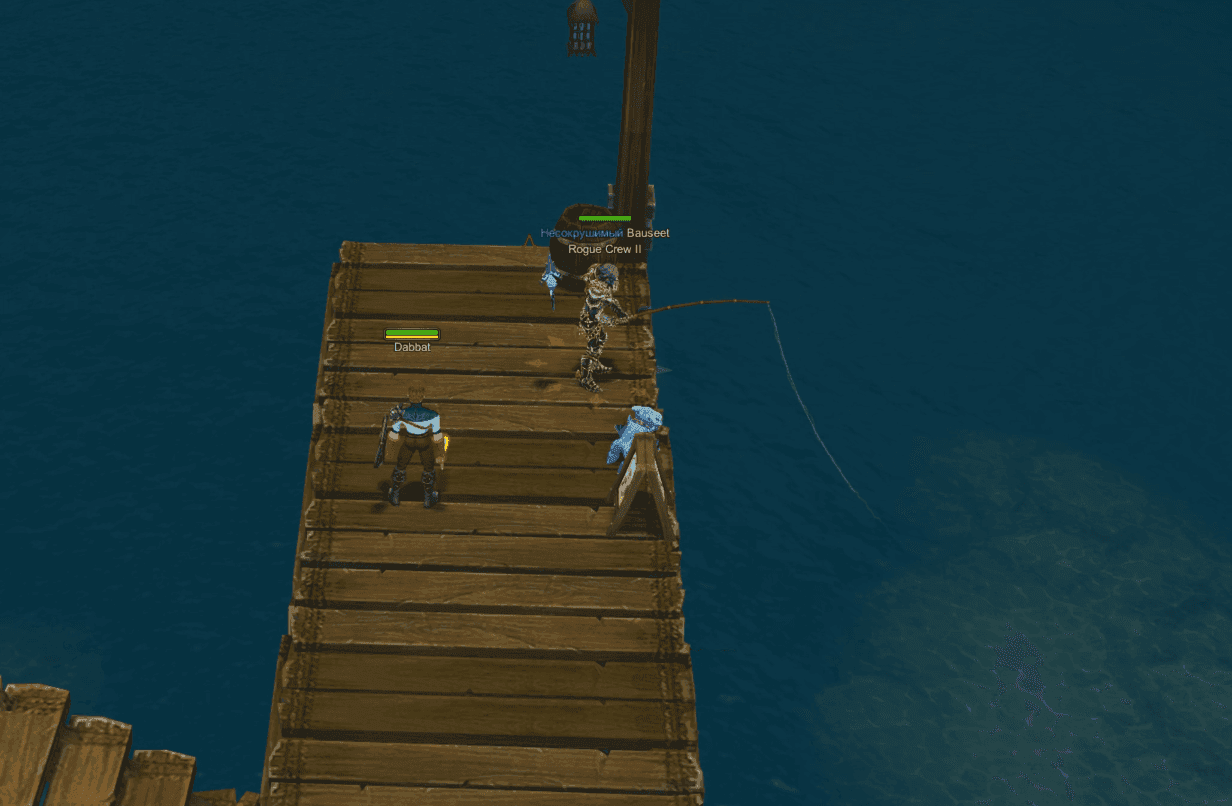
Side activities like fishing and casino minigames exist mostly as texture — pleasant breaks from the tension of scavenging runs rather than systems with real depth — but they do double as low-stakes places to socialize with faction contacts and other players without the risk of a Shadowlands extraction hanging over the interaction. For a game this focused on threat and scarcity, having somewhere to simply sit and talk matters more than the minigames themselves.
PIONER is a building with excellent architecture and a foundation that's still settling — the kind of place you'd genuinely want to move into, if you weren't watching the crew outside argue about whether the concrete has finished curing. The systems that GFA Games got right are hard to find bundled together anywhere else: a living, faction-driven open world wrapped around a proper extraction-shooter heart, built by people who clearly understood the genre they were entering. What surrounds those systems right now is a studio visibly under strain, a roadmap on hold, and a monetization pledge that already needed an asterisk seven months in. If you're drawn to the setting and can treat $29.99 as a bet on a promising but unstable Early Access project rather than a finished purchase, PIONER has real hours of atmosphere and tension to offer. If you'd rather wait for the foundation to actually set, there's no shame in checking back once GFA Games has posted a few quiet months instead of another maintenance thread.