 F2P · Live
Lineage 2 Essence
Lineage 2 Essence is NCSoft's free-to-play take on the classic Korean MMORPG Lineage II, built around faster…
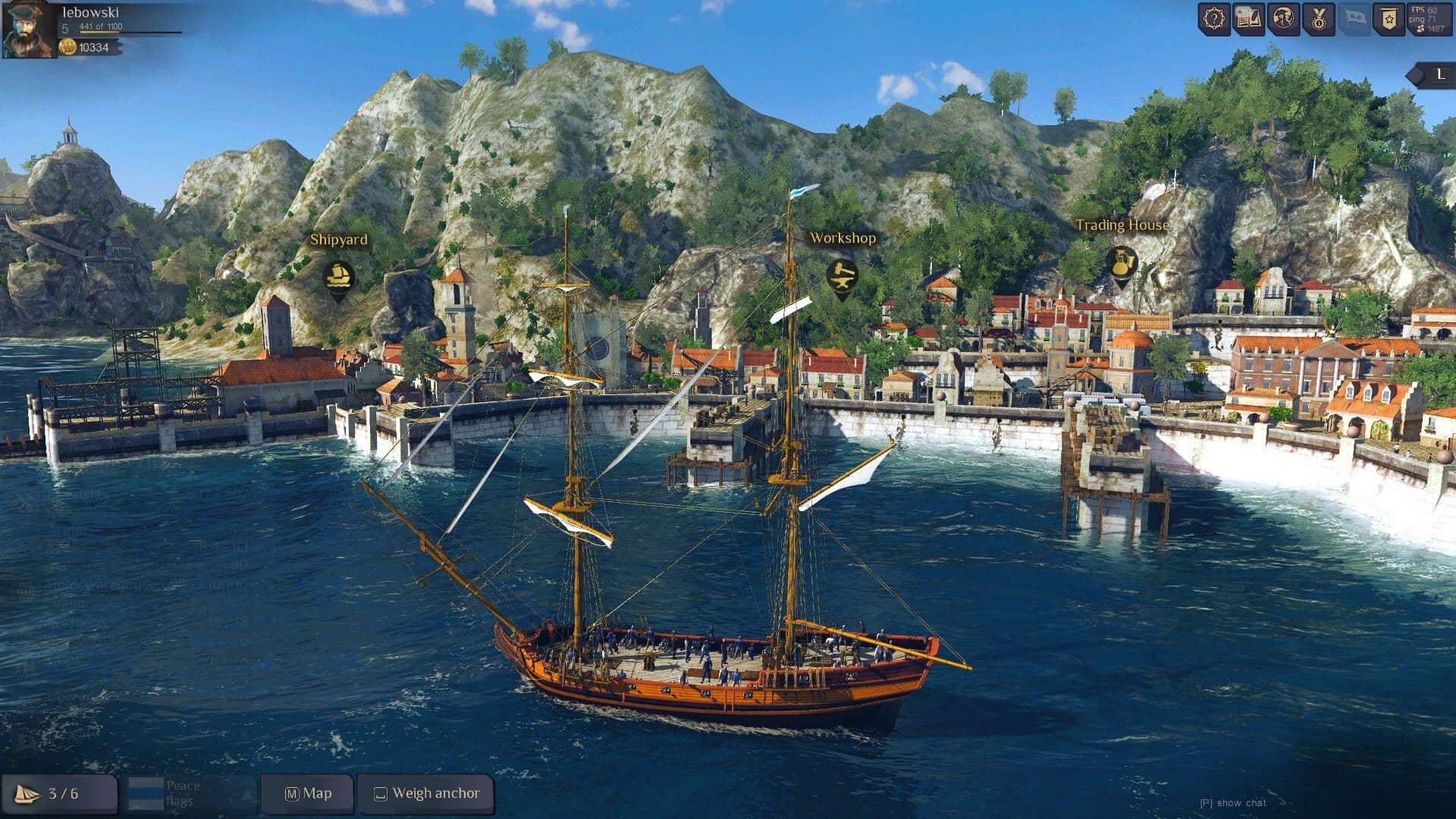
A massive open-world naval sandbox MMORPG set in the Golden Age of Sail. World of Sea Battle features realistic wind physics, manual broadside ballistics, tactical boarding actions to capture prize ve...
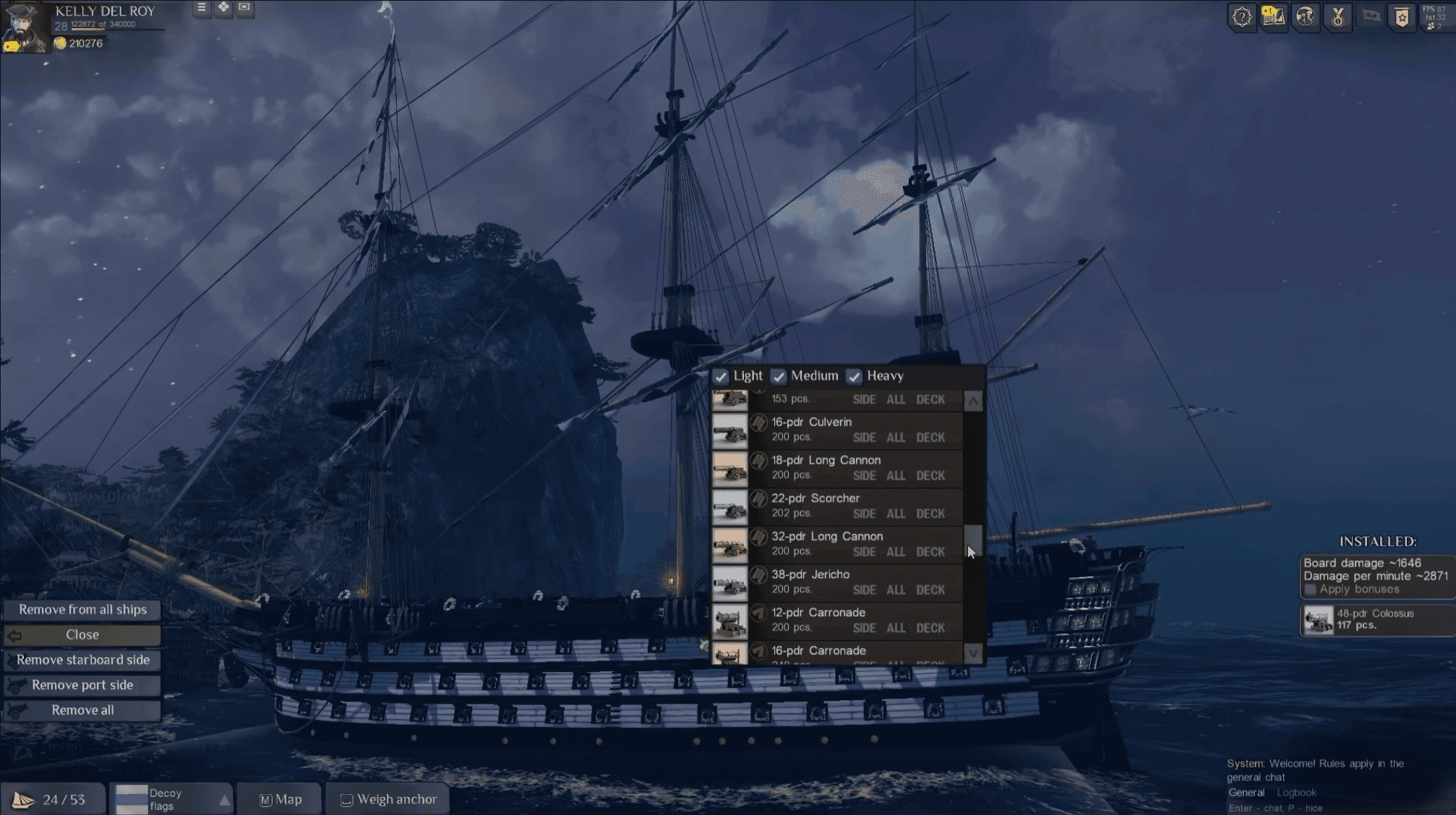
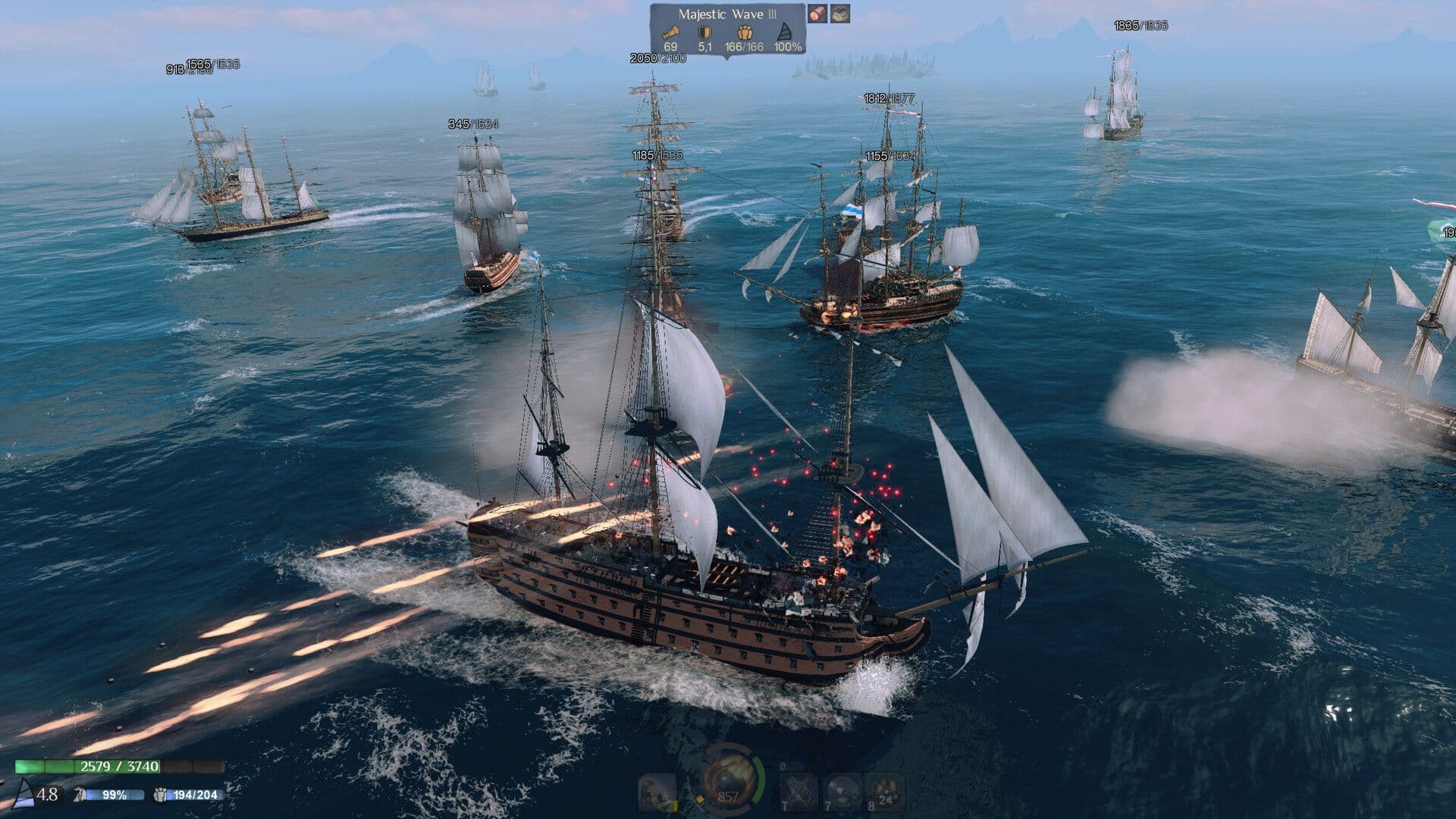
Quick take: A bold indie sandbox crafted by Thera Interactive revives the dormant Age of Sail MMO genre, striking an elusive balance between the suffocating academic grind of Naval Action and shallow session-based arcade shooters. A seamless ocean free of loading screens, authentic wind rose physics, manual broadside ballistics, and tactical boarding actions to capture prize vessels coexist with private island colonization. But there is a catch. The free-to-play entry point masks an aggressive paywall: a premium subscription slashes emergency repair cooldowns by 40% in PvP skirmishes, while securing top-tier ships of the line demands hundreds of hours of repetitive PvE grinding from non-paying captains.
Sailing MMOs were practically dead. The legendary Pirates of the Burning Sea has drifted in a coma for a decade, while the hardcore simulation of Naval Action choked on its own toxic open-world grind. Naval enthusiasts had two bad options: arcades where wooden frigates handle like jet skis, or endless waiting. Against this bleak horizon, World of Sea Battle—which launched into Steam Early Access in October 2025—feels like a direct challenge to the status quo.
The origin story is pure indie grit. Creator and lead developer Sergey wrote the first lines of code as a ninth-grader obsessed with Sea Dogs. No venture capital. No bloated corporate bureaucracy. Built on the lean Microsoft XNA framework and SharpDX, the project expanded quietly through a dedicated website under Thera Interactive, carried by a tight circle of veteran testers before finally arriving on Steam.
The core bet is accessibility without shallowness. No ninety-minute empty ocean crossings. Yet no aim-assist crutches either. Wind decides everything. Every shot demands rangefinding against rolling swells, while the broader sandbox challenges captains to balance trade routes with island development. Beneath the billowing sails, however, lies ruthless free-to-play math: premium captains repair breached hulls nearly twice as fast during duels, and acquiring first-rate flagships requires free players to trade staggering amounts of personal time for digital prestige.
Zero loading screens. Period. Unlike session-based naval shooters that pen players into sterile boxes, this archipelago is one massive, unbroken stretch of blue water. Set sail from an imperial harbor, weave through jagged straits, survive a squall on open water, and drop anchor by an enemy fort without a single loading pause. Weather, fog banks, and tidal currents compute on the fly.
Spinning the wheel randomly gets you killed. Physics forgive nothing. Speed and handling lock directly into the wind rose:
Canvas management wins fights. You can order your crew to reef sails in a heartbeat. Under full canvas, a heavy galleon turns like an anvil, risking collisions with shallow reefs. Reefing down sheds speed, but allows the hull to whip around and bring broadsides to bear. Misjudge the wind, and you are dead meat. A warship caught in irons with shredded canvas is just floating timber, begging for raking fire through its stern.
Zero aim-assist. Zero targeting reticles. Every cannon nestled across your decks fires heavy iron along an unforgiving parabolic arc. To unleash a truly devastating broadside, you must calculate target speed, range, swell height, and lead angle entirely in your head. Narrow port arcs mean positioning beats twitch reflexes every single time.
Wave roll dictates everything. Under full sail on a beam reach, violent wind pressure forces your hull to list hard. Windward guns stare uselessly into the sky; leeward ports dip straight into the surf. Firing mid-roll sprays the ocean. Veteran gunners wait out the roll: they yank the lanyards the exact millisecond the hull levels out parallel to the horizon, driving solid iron right into the enemy waterline.
Four distinct shot types handle every tactical scenario:
Whiff your salvo, and you are finished. Heavy batteries reload painfully slow: lower decks on a first-rate line ship can stay silent for thirty seconds. Skip your shots off the water at glancing angles, and you will eat a raking broadside through your stern. Iron raking from stern to stem tears the ship apart from the inside out.
Sinking ships is a fool's game. Real money comes from boarding actions. Capturing an enemy vessel turns floating driftwood into an active war trophy. But you cannot simply toss grappling hooks onto a pristine hull. Taking a ship requires surgical preparation.
First, cripple the victim: batter hull integrity below 50%, strip its masts with chain shot, and sweep weather decks clear with point-blank grapeshot. Next comes the razor-thin maneuver: match speeds flank-to-flank, grind wood against wood, and cast off grappling hooks. The clash on deck resolves through a fast, simulated melee based on crew composition:
Win the fight, and you choose the prize's fate. Take the vessel as a prize ship into your armada (requires spare crew to sail her home). Loot the hold bare and burn the hulk for raw scrap. Or drag the survivors off as captives. Prisoners are not fluff—they are free labor for your private island mines.
Get grappled, invite death. During boarding, both ships freeze completely in place for dozens of seconds. Any passing corsair can sail right into point-blank range, raking both locked hulls with zero risk. And if you botch the assault, your own flagship limps away a cripple: no crew means sluggish reloads and sails that barely catch wind.
Progression follows British Admiralty law: from tiny Rank VII sloops up to terrifying Rank I titans. Over fifty historical warships sail these waters. And each behaves uniquely on the waves:
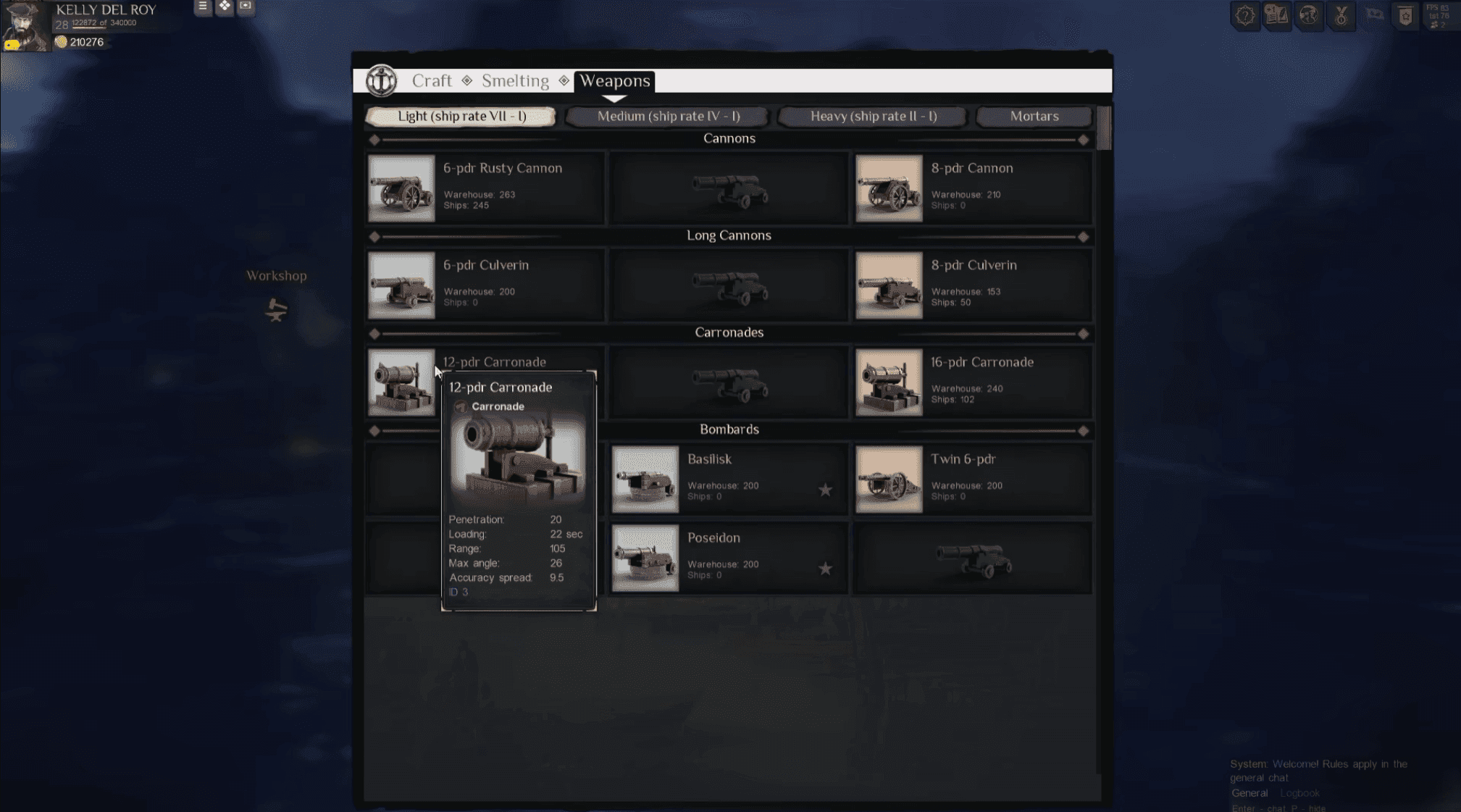
Drydocks let you re-engineer your warship completely. Trade away long-range chasers for short-barrel carronades. You lose distance, but point-blank carronades reload fast and rip hulls into matchwood within seconds. Plate the hull in copper against rot, tar the canvas for extra knots, or mount stern chasers to sting pursuers.
Size guarantees nothing. Upkeep on a first-rate line ship drains mountains of gold. Worse, solo line ships are free meals. An unescorted Man-o'-War is dead meat. Two coordinated frigates can sit right in its blind spots off the stern, shred its canvas with chain shot, and pick the titan apart without taking a single broadside in return.
Trade is more than market flipping in public ports. The game makes you build your own colonial empire. The heartbeat of this operation is your private island. Here, settlement management takes center stage: building iron and coal mines, lumber mills, and manufacturing workshops.
Colonial industry runs on chains. Island pits do not produce iron out of thin air: quotas depend entirely on your pool of captive mariners. Grab an enemy crew through boarding, and you gain free labor for your quarries. The more hulls you plunder at sea, the faster your warehouses fill with timber and ore.
Raw materials supply your private shipyard. Building warships from discovered ship blueprints on your personal island slashes material costs compared to city docks. You also churn out cargo haulers—fat, lumbering fluyts. Trade runs on ruthless regional arbitrage: buy cheap colonial tobacco and iron in the south, haul them north, and pocket hundreds of thousands in gold per crossing.
Sunk? Cargo gone forever. The ocean enforces partial loot loss: your ship respawns in port, but corsairs claim every last crate in your hold. Cruising through neutral waters in a slow merchantman without friendly frigate escorts is practically handing your gold to cutthroats. Commerce means blood, where every strange sail on the horizon turns your knuckles white.
Solo captains die in the endgame. Sea supremacy belongs to organized guilds. Open territorial warfare dictates everything: rival alliances carve up sea lanes, strike fragile pacts, and violently purge competitors from strategic waters.
The main spectacle is the port siege. Coastal towns hide behind massive stone bastions and coastal mortars. Forts do not fear grapeshot. Bolted into bedrock, shore guns do not suffer wave roll: they hammer targets from extreme range, splintering advancing hulls long before ships enter the inner bay.
Cracking a fort requires iron discipline:
The conqueror takes all. The guild dictates regional port customs and trade taxes. Every trade, every repair, and every cannon purchased in that harbor drops gold straight into guild vaults. That means millions in passive income.
Losing a port is catastrophic. Rivals can declare an assault within strict vulnerability windows, forcing you to assemble dozens of players on voice comms by the clock. Discipline decides everything. One captain out of formation, and your grand fleet becomes a graveyard of burning wrecks under crossfire from shore guns.
Entry is free. Downloading the Steam client costs nothing. The first twenty hours feel generous: the game showers you with gold, lumber, and starter boats. But near the endgame, the free facade cracks wide open.
Cash breaks combat balance. And not through modest XP boosters. The real offender is the premium account. It slashes the cooldown on your emergency repair kit by an absurd 40%. Math does not lie. In a duel between identical frigates, a paying captain pumps bilges and seals breaches nearly twice as fast as a free player. In a battle between equal pilots, the subscriber wins every time.
It gets worse:
The grind is merciless. Developers swear everything is earnable for free. Technically, yes. But endgame line ships require scarce Battle Marks and Voodoo Skulls. Farming them without paying means burning hundreds of hours butchering NPC patrols. Pay real cash, or pay with your life. There is no middle ground.
Optimization is brilliant. The developer skipped bloated engines like Unreal Engine and built a lean pipeline using Microsoft XNA and SharpDX. The payoff is obvious: the game takes up a tiny 4 gigabytes of storage and delivers a buttery 60 FPS even on ancient cards like a GTX 660 with 2 GB of VRAM. It will run on almost any work laptop.
Graphics show their age. Shaders are plain, coastlines look blocky, and the interface looks lifted from 2005. More dangerously, netcode buckles under fire. In massive port battles packed with dozens of line ships and thousands of flying cannonballs, servers lag, ships jitter across waves, and hit registration stumbles.
Here is the bottom line:
There are zero alternatives. World of Sea Battle is a living, breathing Age of Sail sandbox of the old school. No arcade training wheels, but none of the soul-crushing tedium either. If you miss Sea Dogs, love tactical broadsides, and can shrug off cash-shop shortcuts, raise your anchor. Real water awaits.