 F2P · Live
Lineage 2
Aden's castles never stay in the same hands for long, and Lineage II has built an entire twenty-three-year…
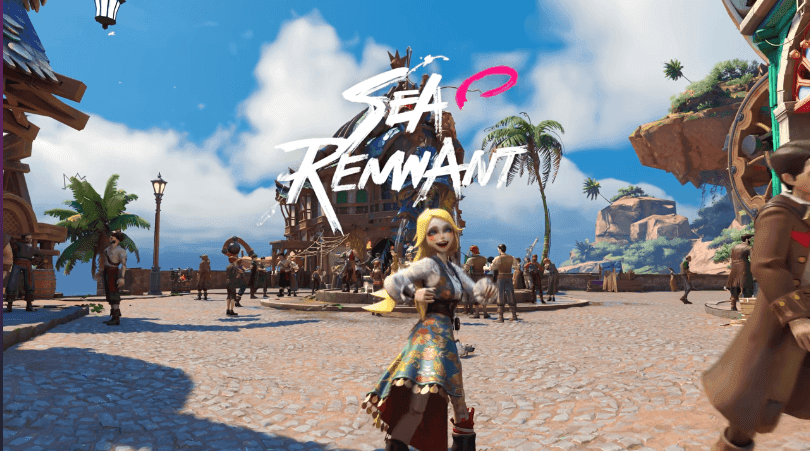
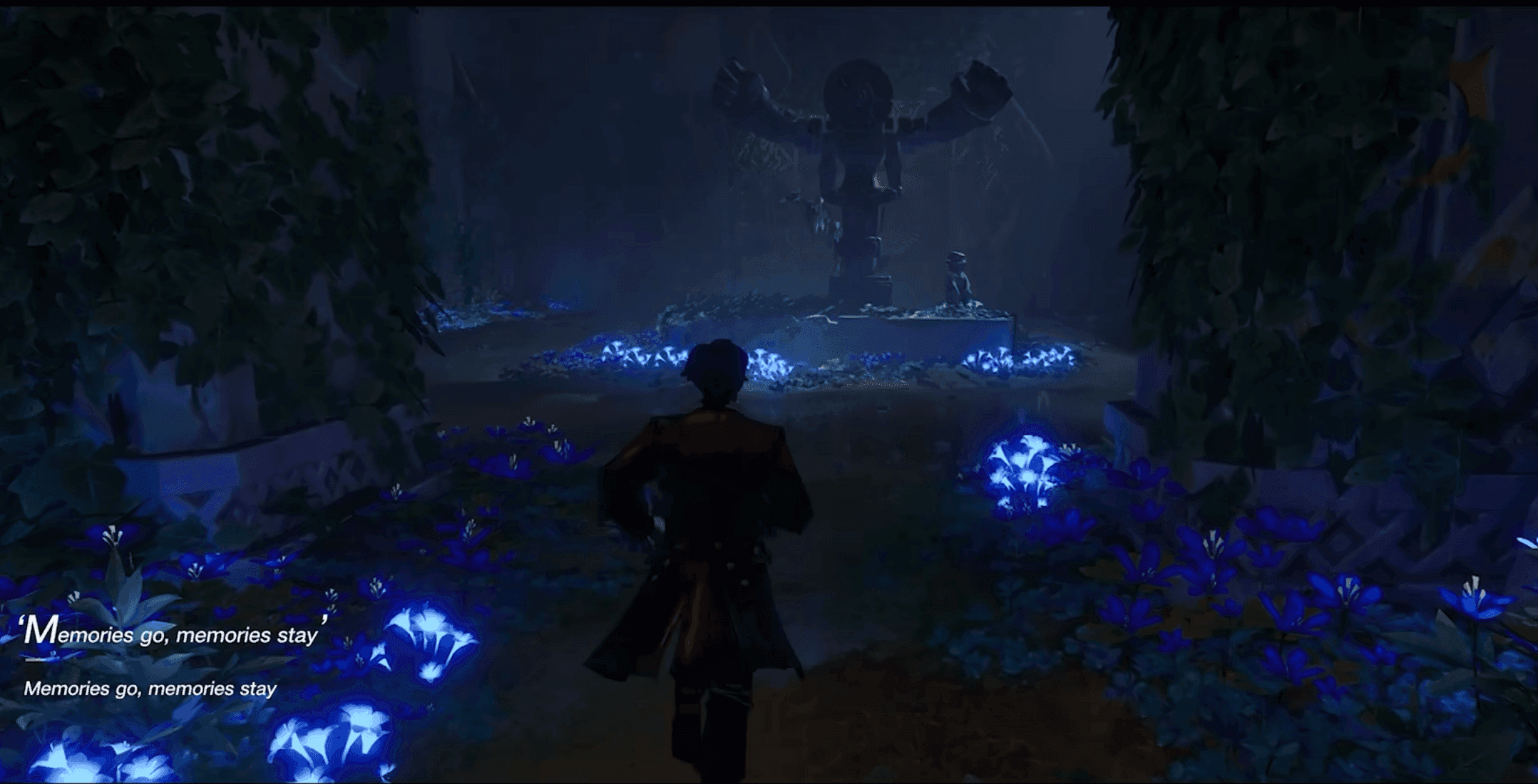
Sea of Remnants casts you as an amnesiac wooden sailor charting a cursed ocean where every drowning costs you your cargo and a little more of yourself. Between voyages, the pirate city of Orbtopia off...
Sea of Remnants is a free-to-play ocean adventure RPG from Joker Studio, the NetEase team behind Identity V, built across roughly seven years of development and published by NetEase Games. It opened in China on PC on 9 July 2026, with a mobile version following two weeks later on 23 July, while the global release on Steam, PS5 and mobile still has no confirmed date. That gap is the whole reason this is a preview and not a review — the finished game exists, it just doesn't exist yet in English.
Anyone researching this game will run into two descriptions of it that barely overlap. The first comes from the press cycle: a February closed alpha, hands-on previews from outlets given ten hours or so with the build, and a pitch about a lawless pirate city where hundreds of named characters live their own lives. The second comes from the Chinese open beta that went live in July, where players spent their first fortnight arguing about pull rates, level gates and an unskippable choice buried in the main quest.
Both are accurate. The alpha build was a demo of the world; the live build is the whole product, business model included. Reading only the first set of coverage will give you a distorted picture of what you'll actually download next year, which is why this preview keeps switching between the two lenses instead of picking one.
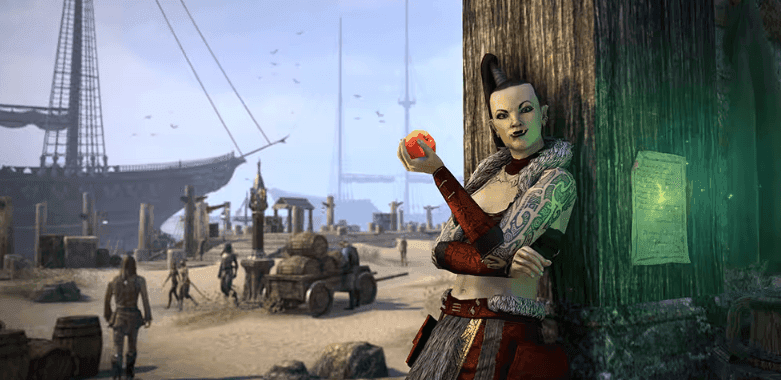
Orbtopia is the anchor of the entire design — a privateer port that serves as hub, home base and the game's most-discussed feature. It's populated by more than 400 individually named NPCs, each with a daily routine: heading to the market for a favourite snack, drinking in a tavern in the evening, running a stall that succeeds or folds depending on whether you help. Many of them carry storylines with more than one outcome. Some can be recruited to your crew. Others can be killed, and the city notices — go on a spree and press previews describe streets emptying out and businesses failing around you.
The city also holds most of the game's non-combat content. Nearly every resident has an activity attached: mahjong, board games, drinking contests, a rhythm minigame, fishing, cooking, music, alchemy. Because you're a pirate, you can cheat at almost all of them using a set of magical dice — a good roll shows you an opponent's move before they commit it, or quietly swaps a mahjong tile in your hand for a better one. Uses are limited per game, so the decision of when to burn one carries real weight. Chinese players describe the same set of systems less romantically: a lot of loosely connected minigames stapled around a city sim, with tutorials that don't explain any of it well.
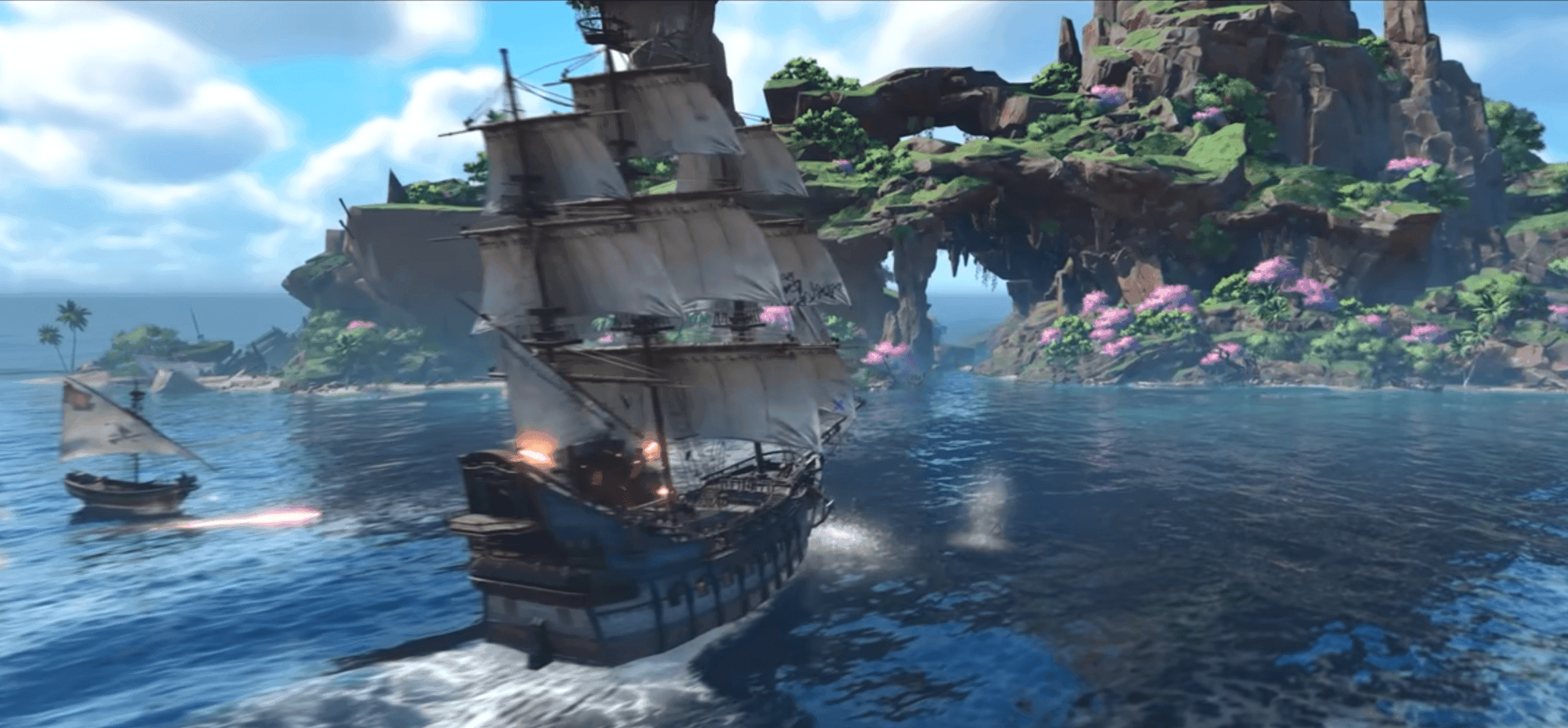
Leaving Orbtopia turns Sea of Remnants into a roguelite. Each voyage is a self-contained run across 256 square kilometres of sailable ocean divided into sea zones — the Chinese launch opened with two, adding a third at the end of July — with 17 weather states and islands ranging from volcanic rock to rainforest to bleached sand. Islands are large enough to hold enemy camps, hidden chests, their own local currencies and their own NPCs, so stopping at one isn't a two-minute detour.
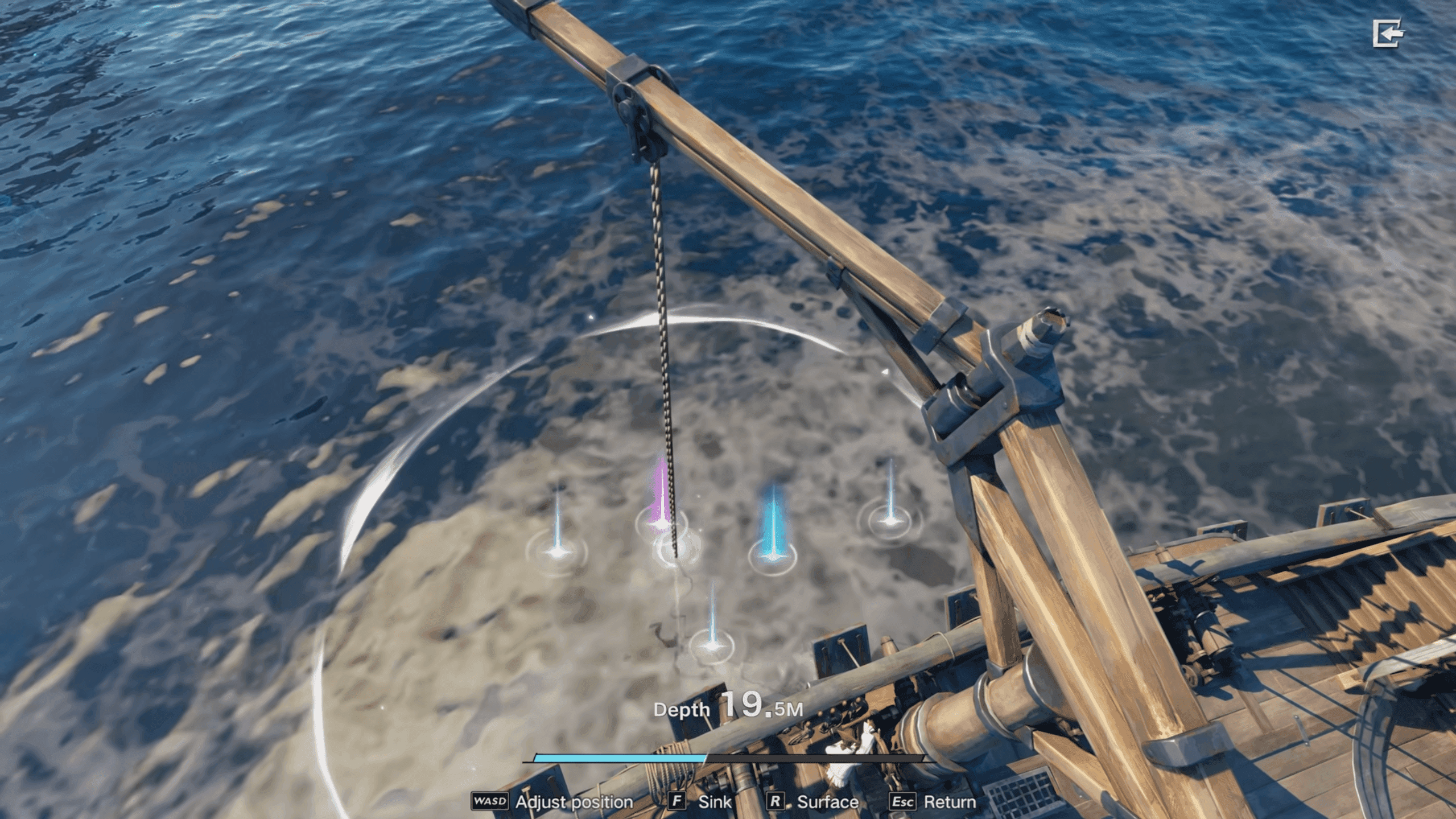
The catch is what the sea does to you. Your captain is a wooden puppetfolk sailor, and the water dissolves what it touches: fall in, or die out on a run, and everything you collected during that voyage is gone. Only permanent progress survives — city construction, ship modules, character breakthroughs. An insurance service unlocked early on protects a small number of your most valuable finds, with limited uses. It gives every return trip a pull that will be familiar to anyone who has played an extraction shooter, and it's also the single most common reason new players bounce, because most free-to-play RPGs have trained people to expect a respawn button and a full inventory.
One Chinese player's account of a completely blind first run puts it at close to twenty hours, finishing with four health remaining out of thirty. Second and third loops go far faster — the design assumes repetition, with each cycle feeding permanent upgrades back into the next.
Combat splits cleanly by terrain, and the land half is the more interesting of the two. On islands, fights are turn-based: you queue moves for a squad filling familiar roles — main damage, support, healer — and chain attacks against exposed enemies. The dice from the city's minigames return here as the core mechanic. An enemy displays a number before you attack; you commit up to three dice, and beat that number to land a heavy hit with a chance at an immediate follow-up. Auto-battle and a one-button clear for trivial enemies exist, which matters in a game built on repeating runs.
Naval combat runs in real time and asks much less of you. You manoeuvre a modular ship — keel, cannons, figurehead, all upgradeable — trade broadsides until an enemy vessel's health bar empties, then loot the wreck. There's no sail management, no switching between shot types, nothing resembling the systems layer of a dedicated age-of-sail game. Preview coverage read that as an approachability choice; Chinese launch players read it as the weakest pillar of the game, particularly early on, when an under-upgraded ship can't fight most sea monsters and the honest answer to a leviathan is to sail around it while a storm knocks you off course.
Sea of Remnants is a gacha game with a battle pass, and Joker Studio has said publicly that it won't be pay-to-win. Both halves of that sentence are true and neither one settles the question. Crew members are acquired through randomised pulls — the system is called Memory Reunion — alongside paid cosmetics and a premium pass. Creative director Alfie told TechRadar ahead of the alpha that the studio wasn't going to build systems designed to trap players into spending, and that strong characters are obtainable free.
The Chinese launch backs that up on the front end and undercuts it on the back end. New accounts received roughly a hundred free pulls across pre-registration and launch events, plus a free selectable top-rarity crew member, and the beginner banner hands over a guaranteed top-rarity crew member inside 40 pulls. What players complained about instead was everything after that: the currency you grind to trade for pull resources arrives slowly, upgrade material drop rates are low enough that improving a single character means running the same dungeon repeatedly, and the studio's own open letter quoted a player complaint that five hours of grinding didn't cover two ten-pulls. That's a tax on time rather than a paywall, which is a meaningful difference — and a smaller one than the marketing implies, since a wallet still shortens the queue.
No. Sea of Remnants is a single-player RPG with an always-online client, and that's worth stating plainly because its Steam listing muddies it — the store page files it under Massively Multiplayer among other genres, notes in-game chat and online interactivity, and marks the game itself as single-player. There are no shared worlds, no parties of live players sailing together, no PvP. The crew you assemble is a roster of characters, not people. If you're looking for a naval MMO, this isn't the one; if you want a large solo ocean sandbox with live-service content cadence, it fits.
The loudest complaint of the Chinese launch had nothing to do with the ocean. Early in the main quest, the game hands players a one-time selector: pick one top-rarity crew member from a pool of six, no undo, with the story gated behind the choice. New players making that pick without knowing which characters function well together locked themselves out of a viable early team, and the forums turned on it immediately.
Joker Studio's response was quick and unusually specific. Two open letters from the project team went out within a fortnight of launch, and a 23 July patch bundled most of the fixes: a crew rollback feature so the six-way pick can be reversed with materials fully refunded, compensation for every account, cuts to the grind, adjusted dungeon difficulty and increased resource output. The letters also acknowledged PC stutter and bugs.
The structural problems are harder to patch. A pile of systems — city building, crew development, island exploration, turn-based squad combat, free-roam sailing — arrives with tutorials that players repeatedly describe as inadequate, and several quality-of-life features are locked behind level 31: four-person parties, map teleportation, better ships, gear re-rolling. That's a long stretch of the game's worst version before its best one unlocks. Press coverage of the alpha flagged a different problem that has yet to be tested at scale: English flavour text and tutorial strings that ranged from ungrammatical to incomprehensible, with placeholder text still visible. On a game this dependent on hundreds of small written interactions, translation quality isn't cosmetic.
There is no confirmed global release date, and the public signals currently contradict each other. On 22 July, watchers of the Steam page's revision history spotted the listed window shift from 2026 to 2027, which several outlets reported as a quiet delay; at the time of writing, the store page's own release line reads 2026 again. NetEase has issued no statement either way. What is scheduled is a hands-on demo at Gamescom this month, which is not the behaviour of a project in trouble but also isn't a date.
Anyone waiting should treat both years as unconfirmed and watch the official channels rather than aggregator countdowns, several of which have been publishing a precise December 2026 date that has never come from NetEase.
Joker Studio spent seven years building a single-player world with a real point of view — a cursed sea, a city of 400 lives, a memory-loss premise that ties the roguelite loop to the story instead of bolting it on — and then wired a live-service crew shop through the middle of it. The Chinese launch is the argument between those two halves playing out in public, and after three weeks the world is winning on style and losing on pacing.
That's a fixable position, and Joker Studio is patching in the right direction faster than most studios would. But the version that reaches Steam and PS5 will be a year older than the one Chinese players are testing right now, shaped by whatever those players complain loudest about between now and then. The right move is to wishlist it, ignore every unofficial countdown, and check back when the global economy is actually published. Sea of Remnants has already proven it can build a world worth living in. It hasn't yet proven it can leave you alone long enough to enjoy it.
Only in China, where the PC version launched on 9 July 2026 and mobile followed on 23 July. There is no global client, and no announced date for one.
Yes, on every announced platform. Revenue comes from character recruitment pulls, cosmetics and a premium battle pass rather than an upfront purchase.
Neither has been announced. The game is built around a solo captain and an AI crew, with online connectivity used for live-service content rather than shared play.
PC via Steam, PlayStation 5, iOS and Android. Chinese coverage expects console timing to trail PC by months, based on how comparable free-to-play titles have rolled out.
Everything gathered on the current voyage, unless it's covered by the limited-use insurance service. Permanent progress — ship modules, city construction, character upgrades — is unaffected.