Key points
- Artificial Core acknowledged an internal crisis and production slowdown after long silence
- The studio revealed plans to launch Corepunk on Steam for the version 1.0 release
- Upcoming updates include The Depot dungeon, Game Master mechanics, and no backtracking
- Studio
- Artificial Core
- Version
- Roadmap to 1.0
- Platform
- Steam (planned)
- Model
- Buy To Play
Artificial Core has broken its prolonged radio silence with an unprecedentedly candid open letter, formally acknowledging a severe internal crisis, sluggish production velocity, and plans to bring its isometric MMORPG Corepunk to Steam for version 1.0. The development team is actively overhauling its entire production pipeline, unfreezing the 90%-complete Depot dungeon, and preparing to enter the world's most demanding PC marketplace.
Candid Reflections: Why the Studio Went Silent
In today's games industry, developers rarely admit their missteps with such blunt honesty. Stripping away corporate spin, Artificial Core confirmed what the community had suspected for months: production had ground to a painful crawl. The studio weathered a cascading series of internal crises, difficult personnel decisions, and dropping development speeds that satisfied neither the developers nor their players.
Rather than making empty promises, the studio chose silence to completely reconstruct its internal workflows. Leadership now claims the "peak of uncertainty is almost behind us," discarding obsolete production pipelines to focus on core survival. Now, the team faces the daunting task of proving it can actually guide this ambitious open-world sandbox across the 1.0 finish line.
Version 1.0 Arsenal: Unfreezing The Depot and Ending Backtracking
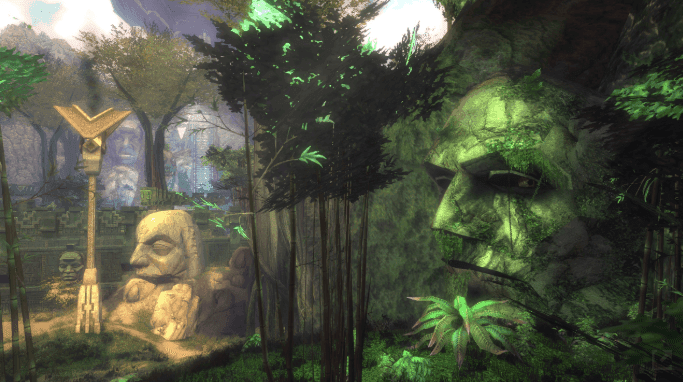
On the content front, Artificial Core is finally opening its vaults. The Depot, a massive dungeon boasting bespoke monsters and bosses, is already 90% content-complete. Its development was shelved earlier to prioritize foundational networking and bug remediation, but it has now returned to the active polish pipeline. Similarly, assets for upcoming hero specializations have been stored on internal servers for months, waiting for a streamlined release schedule.
Even more crucial is gameplay remediation. Developers finally addressed tester exhaustion by eliminating tedious backtracking — the agonizing slog back and forth across vast, empty landscapes. Concurrently, the studio is rebalancing loot economies and progression curves to restore genuine excitement to the grind, while deploying the dynamic Game Master system for territory control points.
The Steam Gauntlet: Strategic Lifeline or Death Sentence?
Pivoting distribution platforms represents the studio's biggest gamble. For years, Corepunk isolated itself behind a proprietary desktop launcher. Now, Artificial Core openly acknowledges the obvious: the game desperately needs fresh blood and commercial sales, bluntly admitting that revenue "frankly wouldn't hurt in our line of work."
Yet Steam is an unforgiving proving ground, not a charity. Its discovery algorithms punish technical instability without mercy. If an indie MMO enters early access with desyncs, server queues, or sluggish pacing, user reviews instantly plummet into "Mixed" or "Mostly Negative" territory. Escaping that algorithmic grave is nearly impossible. Artificial Core recognizes this danger and vows to hold the launch trigger until server infrastructure can reliably support crowded realms.
Survival Lessons: The Rare MMOs That Rose From Developmental Limbo
Throughout MMO history, studios that suffered production burnout, rebuilt their pipelines, and subsequently thrived on Steam can be counted on one hand. Most fade away quietly. However, three legendary turnarounds prove redemption is possible when leadership fundamentally reconstructs production philosophy.
The closest parallel to Corepunk is the trajectory of Albion Online. Back in 2017, Sandbox Interactive languished on an isolated launcher, bleeding players and struggling with retention. The studio spent eighteen months refactoring game loops, pushed onto Steam in 2018 despite initial server review bombs, transitioned to free-to-play, and evolved into an industry titan. Similarly, Warframe was saved from imminent bankruptcy by rapid Steam iteration, while Final Fantasy XIV: A Realm Reborn demonstrated that salvation demands blowing up old development paradigms entirely.
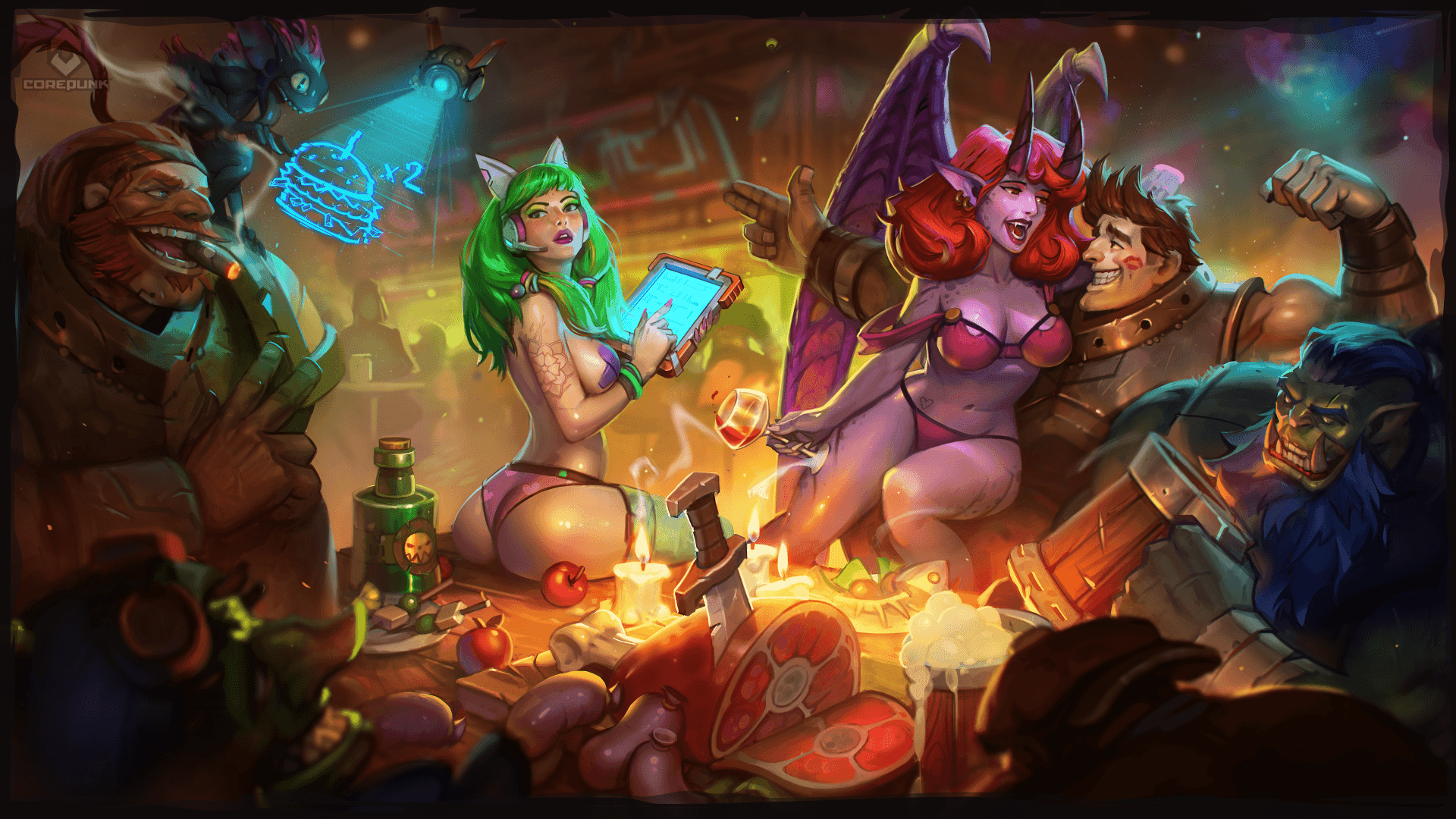
Corepunk already possesses what generic competitors lack: an instantly recognizable, handcrafted art style that serves as its conceptual moat. The content exists. The singular question is whether Artificial Core has the technical discipline to polish the engine before facing the brutal scrutiny of the Steam audience.