 F2P · Live
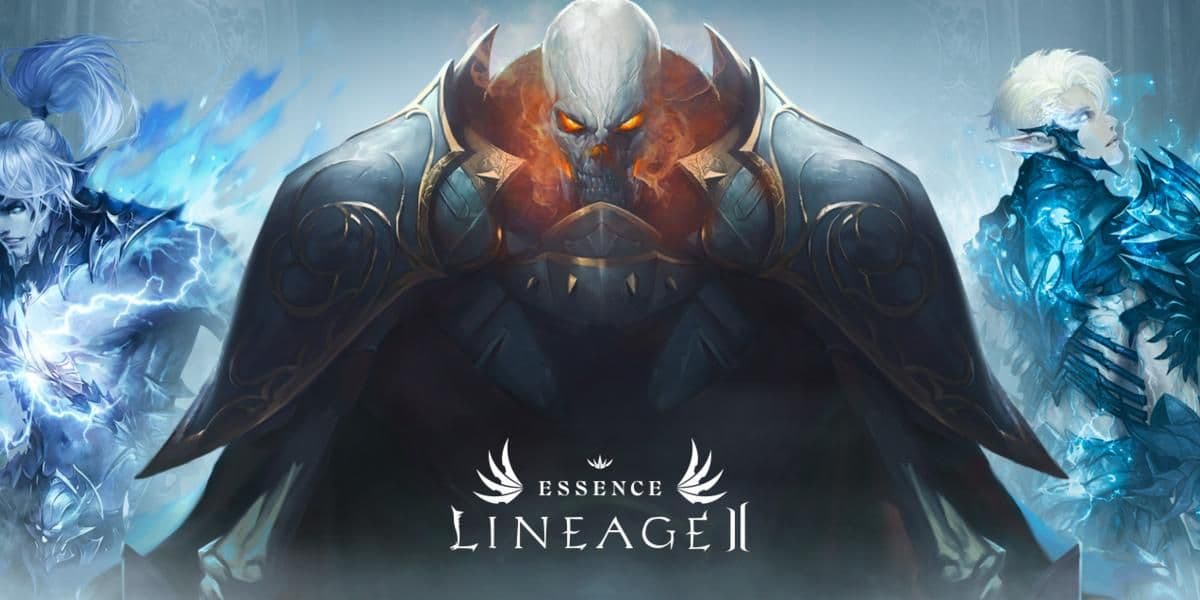
Lineage 2 Essence
Lineage 2 Essence is NCSoft's free-to-play take on the classic Korean MMORPG Lineage II, built around faster…
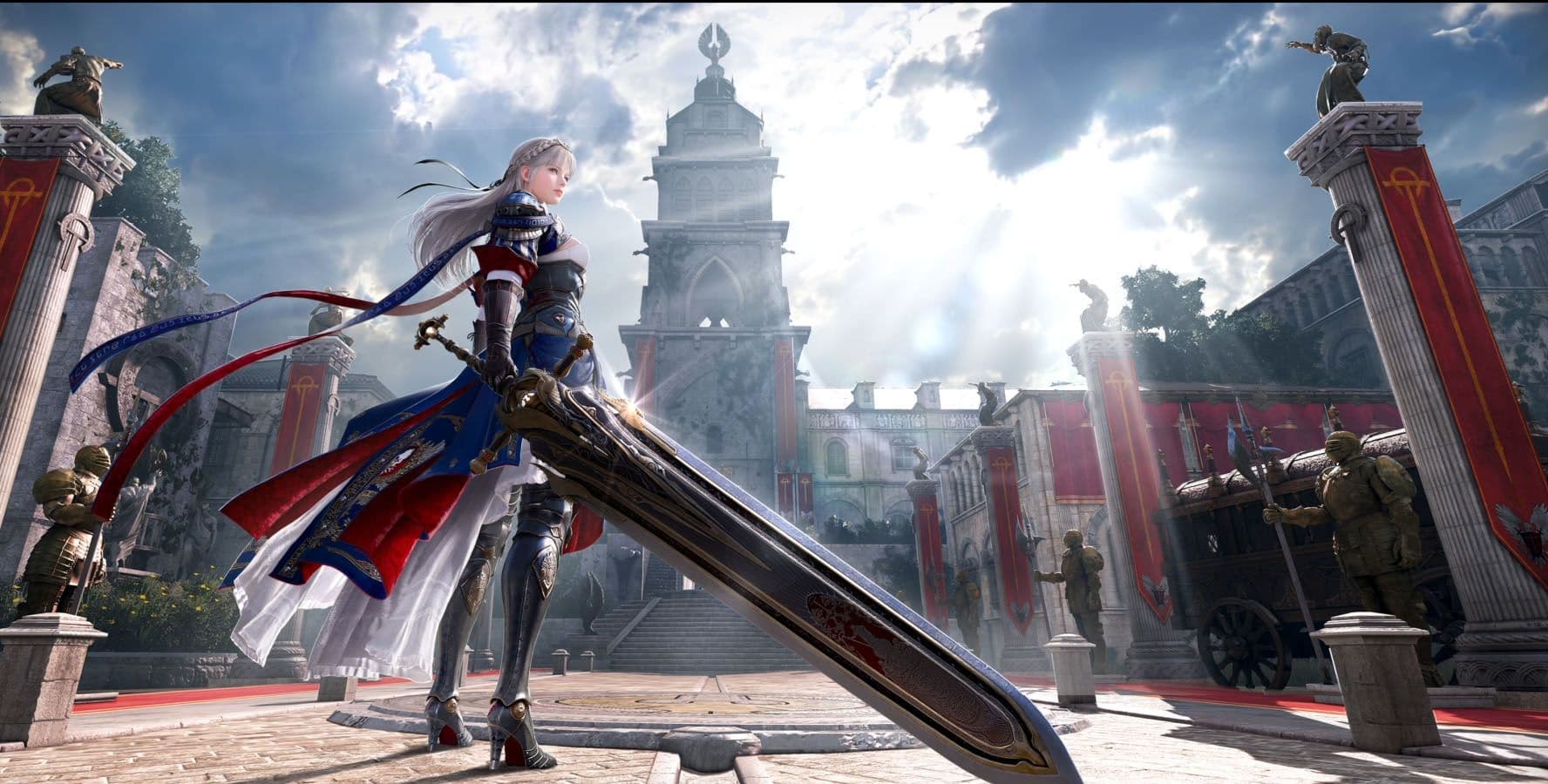
Black Desert Online's character creator is deep enough that players spend hours before ever touching combat, and the payoff is a fluid, chain-combo action system built on Pearl Abyss's own engine rath...
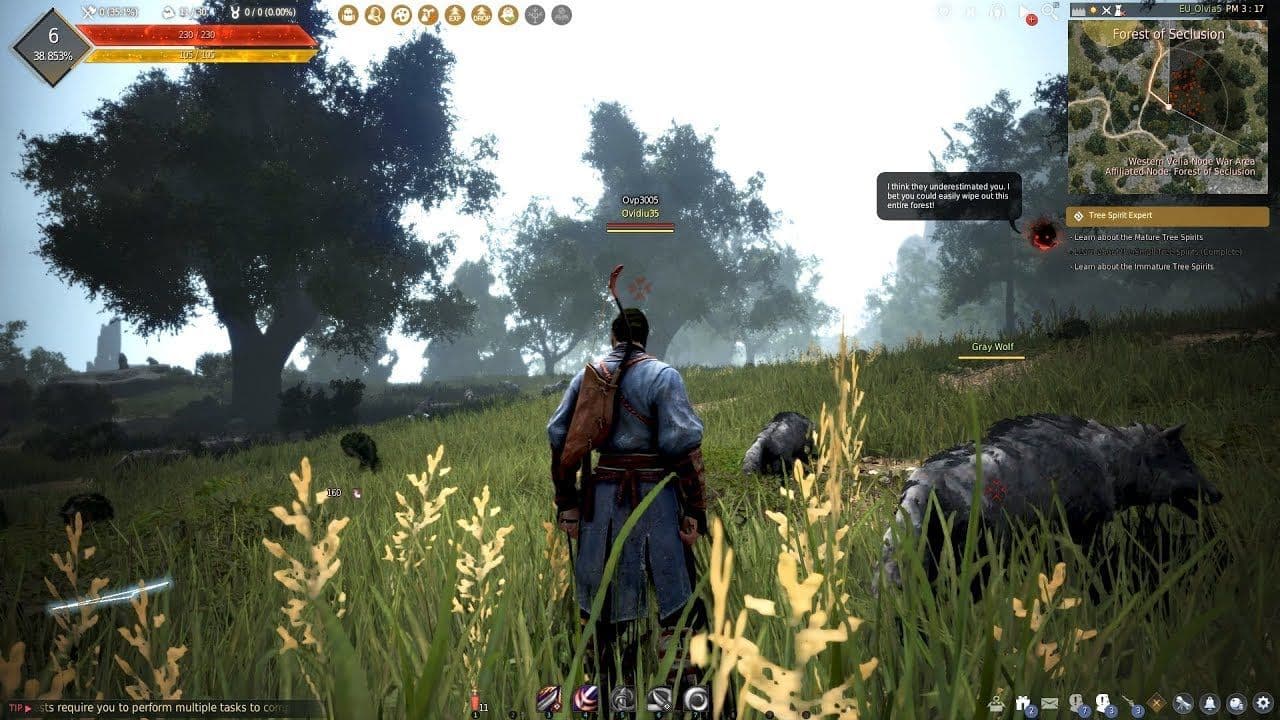
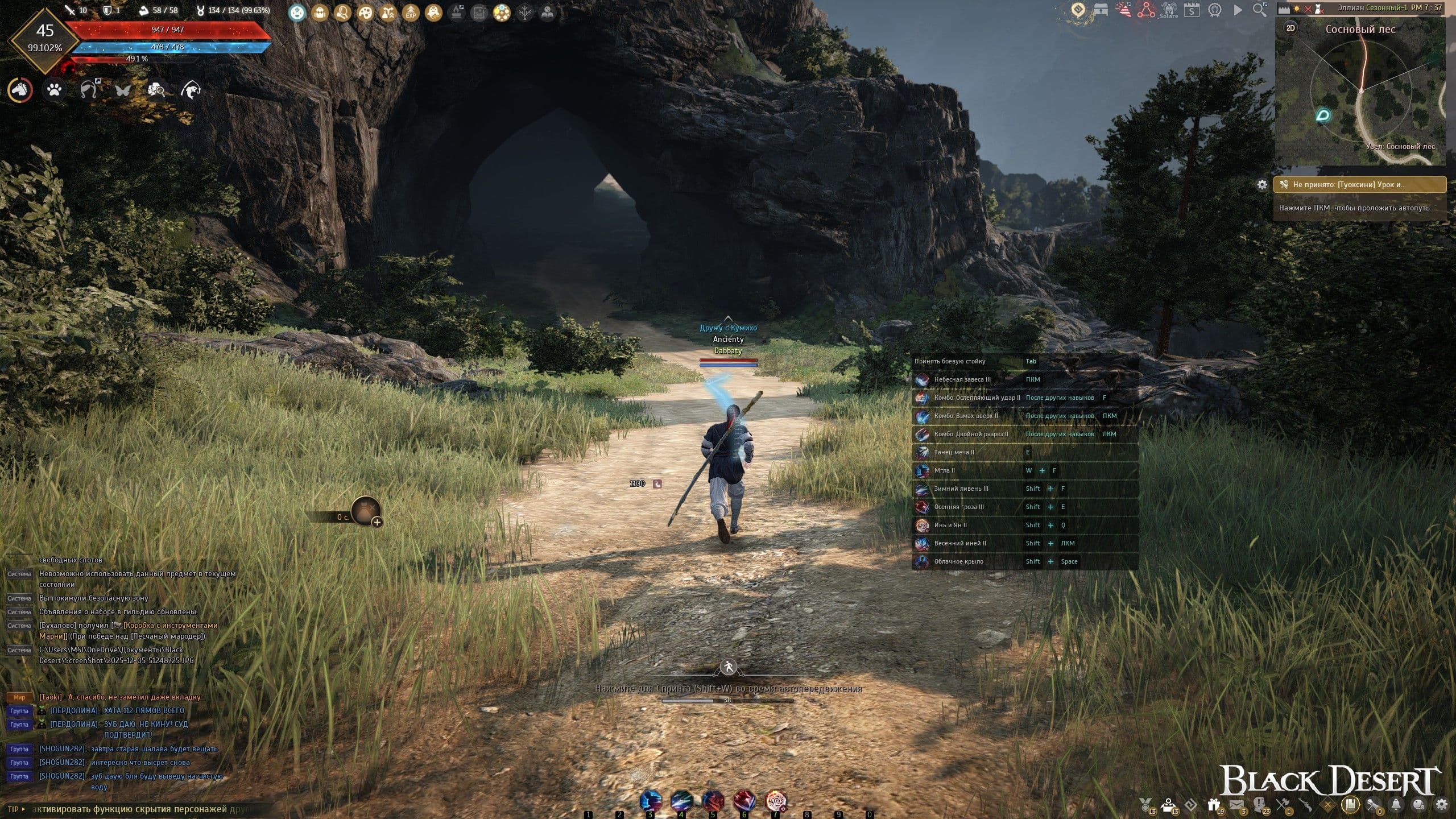
Black Desert Online is a sandbox-leaning MMORPG developed and published by South Korean studio Pearl Abyss, released in Korea in December 2015 and brought to North America and Europe in March 2016. Ten years on, it's still built on the same premise that made it stand out at launch: fast, mobile, skill-combo-driven action combat wrapped around one of the deepest life-skill economies in the genre. The game just marked a decade of NA/EU service at its 2026 Heidel Ball fan event, and Pearl Abyss used the occasion to confirm another full expansion region rather than a farewell tour, so this Black Desert Online review treats it as a live, evolving game rather than a museum piece.
Start where the veterans start, because Black Desert's real identity isn't in its opening zones — it's in the guild siege calendar. Every day except Saturday, guilds that have staked a claim on a territory node show up at a scheduled hour and fight to hold it in Node War, a scored, large-scale guild-versus-guild brawl fought around a fort structure that has to be defended or destroyed. Saturdays are reserved for something bigger: Conquest War, where entire alliances of guilds contest sovereignty over a whole region — Balenos, Serendia, Calpheon, Mediah, Valencia, and beyond — with the winning alliance claiming weekly tax revenue and the right to dictate next week's rules. Whoever wins an unlimited-stat Conquest War even gets to choose whether the following week's fights run under "Occupation" rules or the more chaotic "Construction" mode, where siege equipment and fort-building change the entire shape of the fight.
This is where thirty-person raid-boss games and Black Desert part ways completely. There's no instance queue, no lobby — Node War and Conquest War happen on the open map, in real time, with a Holy Artifact to defend, siege weapons like the Hwacha and Flame Tower dotting the battlefield, and a guild's entire week of node investment riding on whether their front line holds. Winning a territory isn't cosmetic, either: it funds the guild bank through a cut of the region's marketplace tax, which cycles straight back into gear, workers, and the next war. It's also brutally exclusive by design — new accounts have no business showing up to a Node War in month one, and the entire system assumes a base of enhanced gear, a coordinated guild, and months of preparation most players won't have on day one.
Below that ceiling sits a second, more accessible layer of endgame: world bosses. Fights against Kzarka, Karanda, Kutum, Muraka, Quint, and a rotating cast of others spawn on a schedule across the map and pull in dozens of unrelated players who happen to be nearby, no guild affiliation required — everyone taps the boss, everyone rolls for drops, and the better your individual damage the better your odds. It's the game's answer to "what if endgame didn't require a static raid team," and it's genuinely one of the more welcoming high-level activities in the genre, even if the loot itself often feeds straight back into the enhancement grind that makes Node War possible in the first place.
Working backward from that endgame, the actual on-ramp is deceptively gentle. Character creation is famous in its own right — a sculpting toolset detailed enough that "make a BDO character" is its own YouTube subgenre, with sliders for everything from cheekbone height to the exact curve of an eyebrow. Once a face is settled, a small floating spirit called the Black Spirit takes over as guide, walking new players through their class's opening skill rotation across a chain of early quests that double as a soft tutorial for the game's central verb: killing things quickly and stylishly enough to keep a combo chain alive.
The early hours are quest-driven in a fairly conventional themepark sense — follow the main questline, unlock new towns, meet NPCs tied to the region's storyline — but the game is already quietly teaching its second lesson underneath the first: everything you kill, gather, or process feeds an economy that matters more than your quest log ever will. By the time a new character reaches the low hundreds in level, most of the story content has been consumed, and the game stops pointing at a quest marker and starts pointing at a grind spot instead.
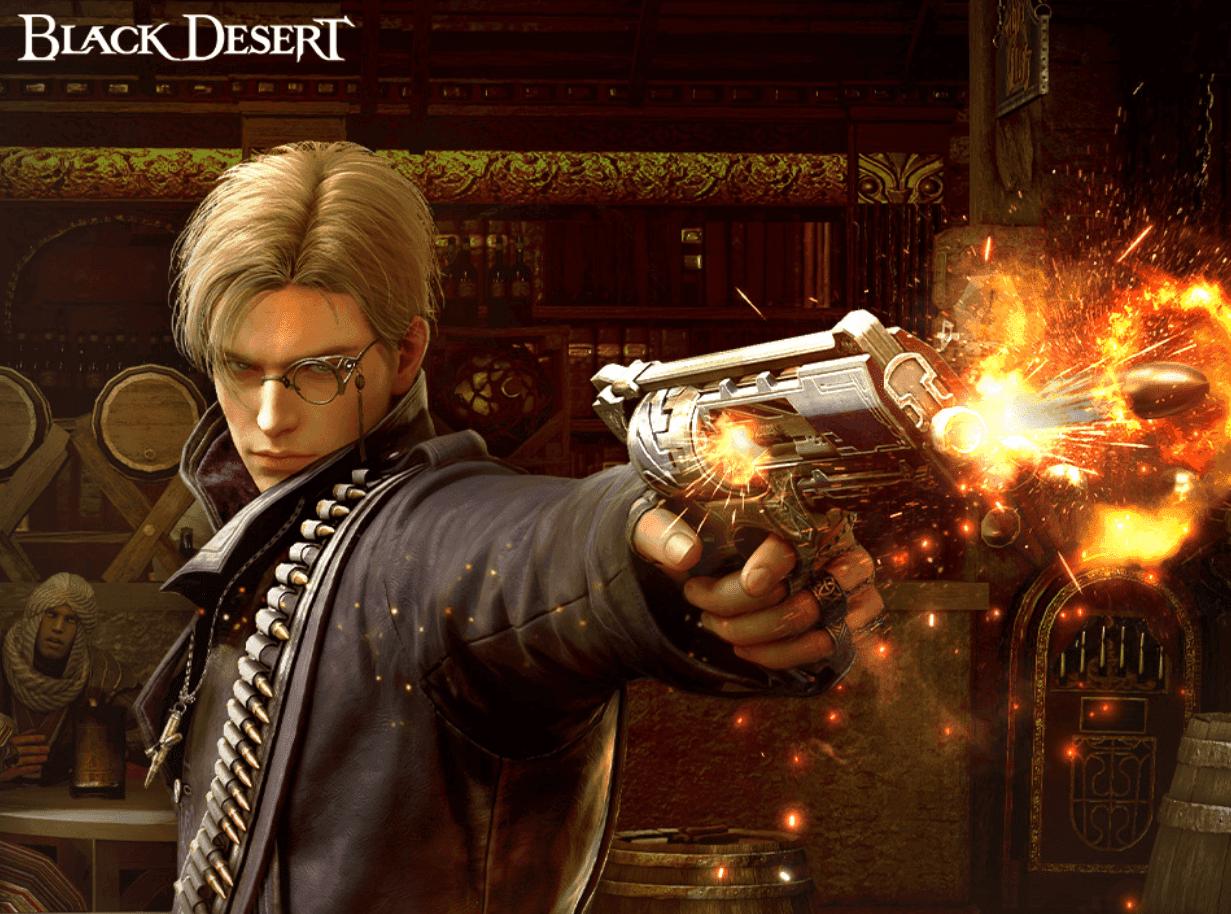
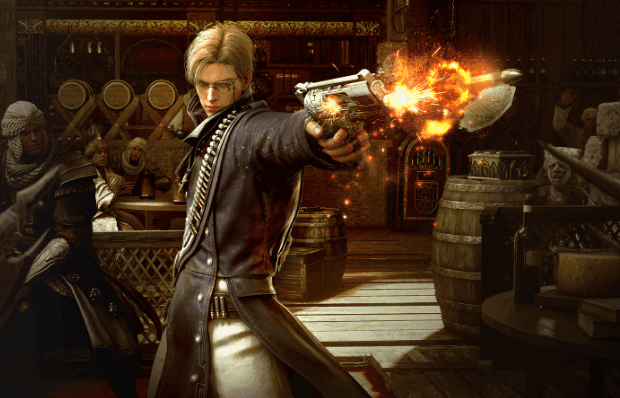
Combat is non-target action combat with a controller-friendly design underneath its keyboard-and-mouse defaults — skills are chained through directional inputs rather than a target-lock, and reading enemy tells matters as much as gear score once fights get fast. Black Desert currently fields around 29 base classes, most of them gender-locked and each visually and mechanically distinct rather than being reskins of a shared template: a Berserker plays nothing like a Sorceress, and neither plays anything like a Shai, the game's dance-and-support class built almost entirely around buffing a party rather than dealing damage directly.
Every class eventually branches into an Awakening weapon — a second, often thematically opposite combat style unlocked partway through leveling — and later a Succession path that reworks the kit around the original weapon instead. Choosing between Awakening and Succession isn't cosmetic; it changes a class's entire skill rotation, and the community has spent a decade arguing over which path suits which content better. It's a genuinely deep system, and also an intimidating one: a new player picking a class off a splash-art screen has no real way to know they're also picking a build philosophy they won't fully understand for dozens of hours.
Combat gets the trailers, but life skills are arguably where Black Desert spends more of a veteran's actual playtime. Gathering, processing, cooking, alchemy, trading, farming, fishing, hunting, sailing, and training all level independently of combat, and each one feeds real silver and real gear back into the character who never has to swing a weapon to progress. A dedicated trader can run caravans of goods between cities for profit; a dedicated fisher can sit at a coastal node for hours turning catches into cooking ingredients and processed goods worth real money on the marketplace; a horse trainer can capture and tame wild horses to breed, race, or sell.
The mechanism that makes all of this scale is workers — NPCs hired at towns and assigned to nodes a player has invested skill points into, who then gather or process resources automatically while the player is offline or off doing something else. A well-built worker empire, with lodging upgraded across a dozen towns and a supply chain feeding raw materials into higher-value goods, can generate meaningful silver income passively, and veteran players treat node and worker management as its own strategy layer running quietly under everything else. It's the part of Black Desert that looks the least like an MMORPG and the most like a logistics spreadsheet, and for a meaningful chunk of the playerbase, that's precisely the appeal.
Sooner or later, every path in Black Desert — combat, trading, world bosses, Node War prep — runs into the same wall: the enhancement system. Weapons and armor climb through enhancement tiers from PRI up through DUO, TRI, TET, and finally PEN, and every attempt past the early tiers carries a real chance of failure, with high-tier failures able to destroy the item outright unless it's protected. Caphras Stones, introduced years ago specifically to soften this system, let players push an item's underlying stats up in smaller, guaranteed increments instead of gambling on a full tier jump, and more recent additions like Guaranteed Enhancement and event-based pity mechanics have chipped away at the worst of the old horror stories. The system is less punishing than it was at launch, and it's still the single biggest time investment in the game — a PEN weapon on a min-maxed character can represent hundreds of hours of grinding, trading, or both.
This is the fork in the road that determines who bounces off Black Desert and who doesn't. Players who enjoy the process — watching a gear score climb one Caphras Stone at a time, calculating exactly which grind spot produces the best silver-per-hour for their class — describe it as meditative. Players expecting a linear gear-up-and-raid loop tend to find it exhausting well before they reach anything resembling a finish line, because there isn't one; PEN gear on a top-end character is a moving target that keeps moving as new content raises the ceiling again.
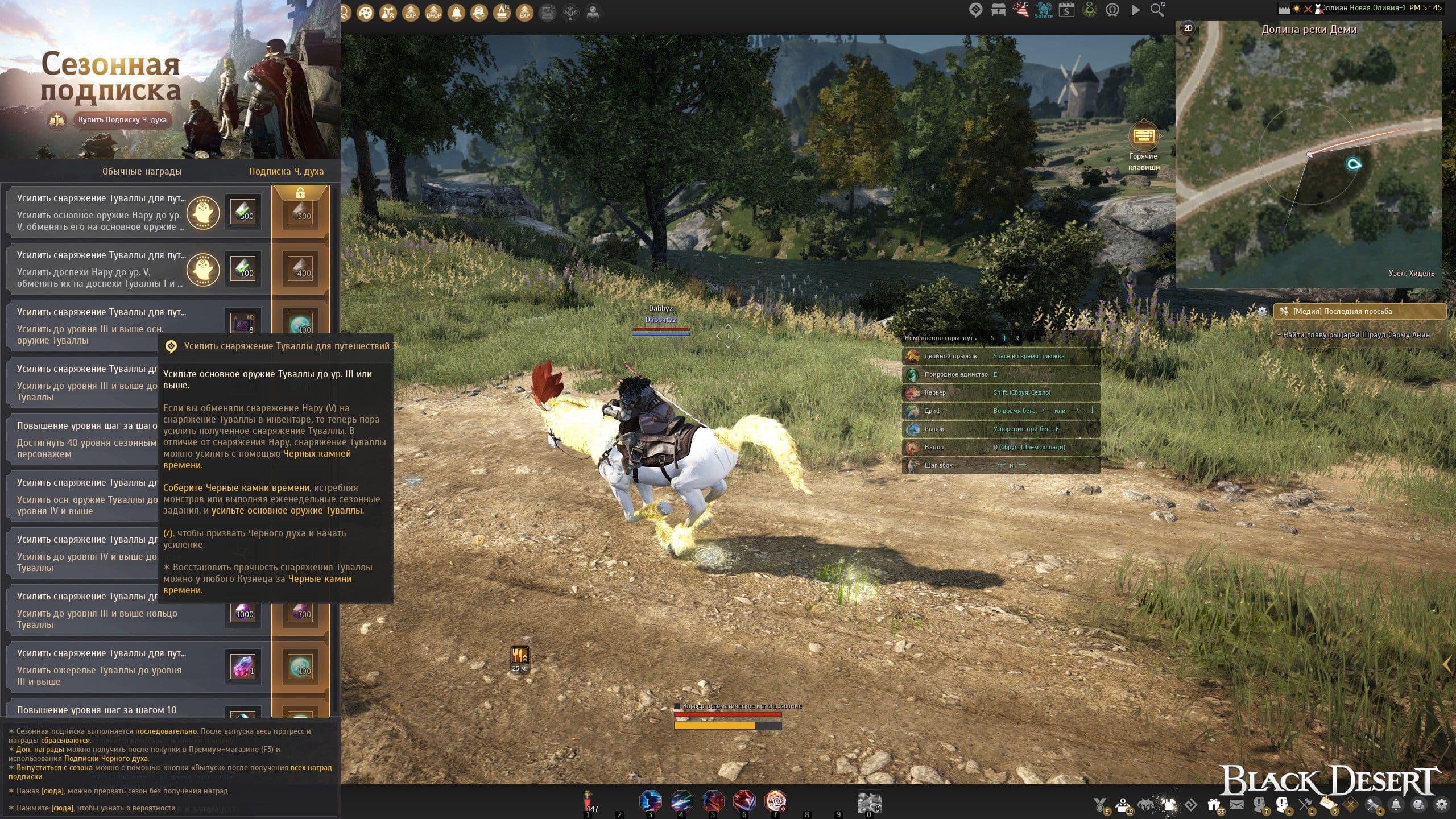
The world itself has grown enormously since 2016 — from the original starting regions of Balenos and Serendia through Calpheon, Mediah, Valencia's desert expanse, the Land of the Morning Light's Korean-inspired Seoul zones, and, as of the current roadmap, an expanding Edania region with a second act on the way. Pearl Abyss's proprietary engine renders weather, lighting, and character models with a level of visual polish that still holds up against competitors twice its budget, and the studio has leaned into that strength rather than resting on it — mounts range from horses bred and trained by the player to elephants, camels, and the newly announced Ferrica, a chocobo-adjacent flying bird revealed at this year's Heidel Ball.
Exploration itself is rewarded mechanically, not just visually — hidden nodes, world-map discovery points, and a Black Spirit-tracked exploration log give wandering an actual purpose beyond sightseeing, which keeps the world from feeling like scenery between grind spots even for players who never touch a single life skill.
Black Desert is free-to-play with a Pearl Shop selling cosmetics, storage and inventory expansions, and Value Packs — timed buffs that boost experience gain, silver gain, and max carry weight for a set number of days. None of that touches the enhancement system directly: Pearl Abyss doesn't sell enhancement chances or guaranteed upgrades outright. The gray area, and it's a real one, is Cron Stones — an item that protects gear from being destroyed on a failed enhancement attempt, obtainable in-game but also extractable from Pearl Shop cosmetic outfits, which effectively lets money reduce enhancement risk without buying success outright. Value Packs sit in a similar gray zone: they're not required to play, but stacking their silver and experience bonuses meaningfully accelerates the exact grind the rest of the game is built around, which is close enough to a subscription in practice that longtime players budget around it.
The honest answer is that Black Desert is pay-for-convenience rather than pay-for-victory in the strictest sense — nothing in the Pearl Shop guarantees a PEN weapon, and free-to-play accounts do clear the same content given enough time. But time is the operative word, and a player willing to spend on Value Packs and Cron Stone conversion will consistently out-progress one who isn't. Steam reviews currently sit around 72% positive over more than 35,000 ratings, landing at Mostly Positive, with the recurring criticism split fairly evenly between the enhancement RNG and the game's famously steep learning curve rather than the shop itself.
Concurrent Steam numbers hover in the fifteen-to-twenty-thousand range on a normal day, well down from the 2019 all-time peak above 60,000 — but Steam is only one storefront among several for a game that also runs through its own launcher and a console client on Xbox and PlayStation, so that figure understates the active population rather than defining it. Third-party trackers aggregating signals across platforms put the broader monthly active base in the low-to-mid hundreds of thousands, a range that should be read as a directional estimate rather than a hard count, since no independent source publishes verified cross-platform figures. What's harder to dispute is the direction of development: a decade-anniversary roadmap with a new region, a new growth-support system, and a fresh mount rather than a maintenance patch is not the profile of a game coasting toward sunset.
Ten years in, Black Desert Online has stopped being a game you review and started being a game you either already understand or actively resist understanding, and 2026's anniversary roadmap makes clear Pearl Abyss isn't interested in changing that calculus. This isn't a game that gently ramps you toward its best content — it hands you a fully realized combat system and a genuinely deep economy in the same breath, then asks you to build a mental model complex enough to hold both before either one clicks. Players who already know they like that kind of commitment don't need convincing. Everyone else should go in expecting a real onboarding cost, not a weekend trial, because the reward on the other side — coordinated sieges, a self-sustaining trade empire, a character built exactly the way you wanted — was never designed to arrive quickly.