 Free To Play
Ragnarok Online
MMORPGReleased
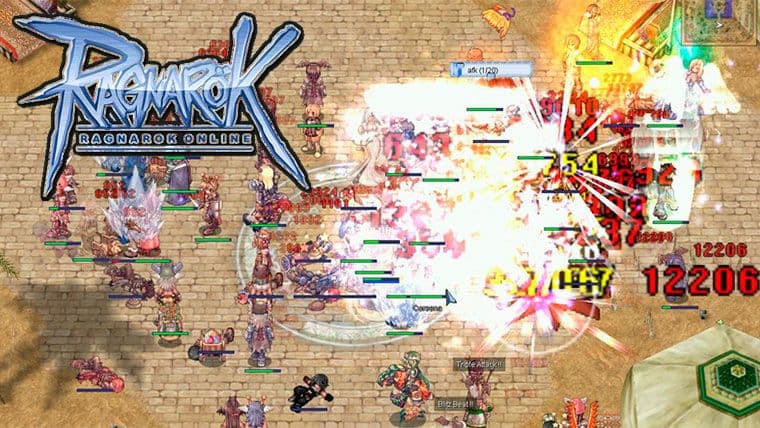
Ragnarok Online has been running since 2002, and the card system it introduced — socketing monster drops into weapons and armor — is still one of the ...
Minimum and recommended PC specs to run the game
← Back to game reviewIf your PC can run this game, you'll also be able to play these:
Free To PlayRagnarok Online has been running since 2002, and the card system it introduced — socketing monster drops into weapons and armor — is still one of the ...
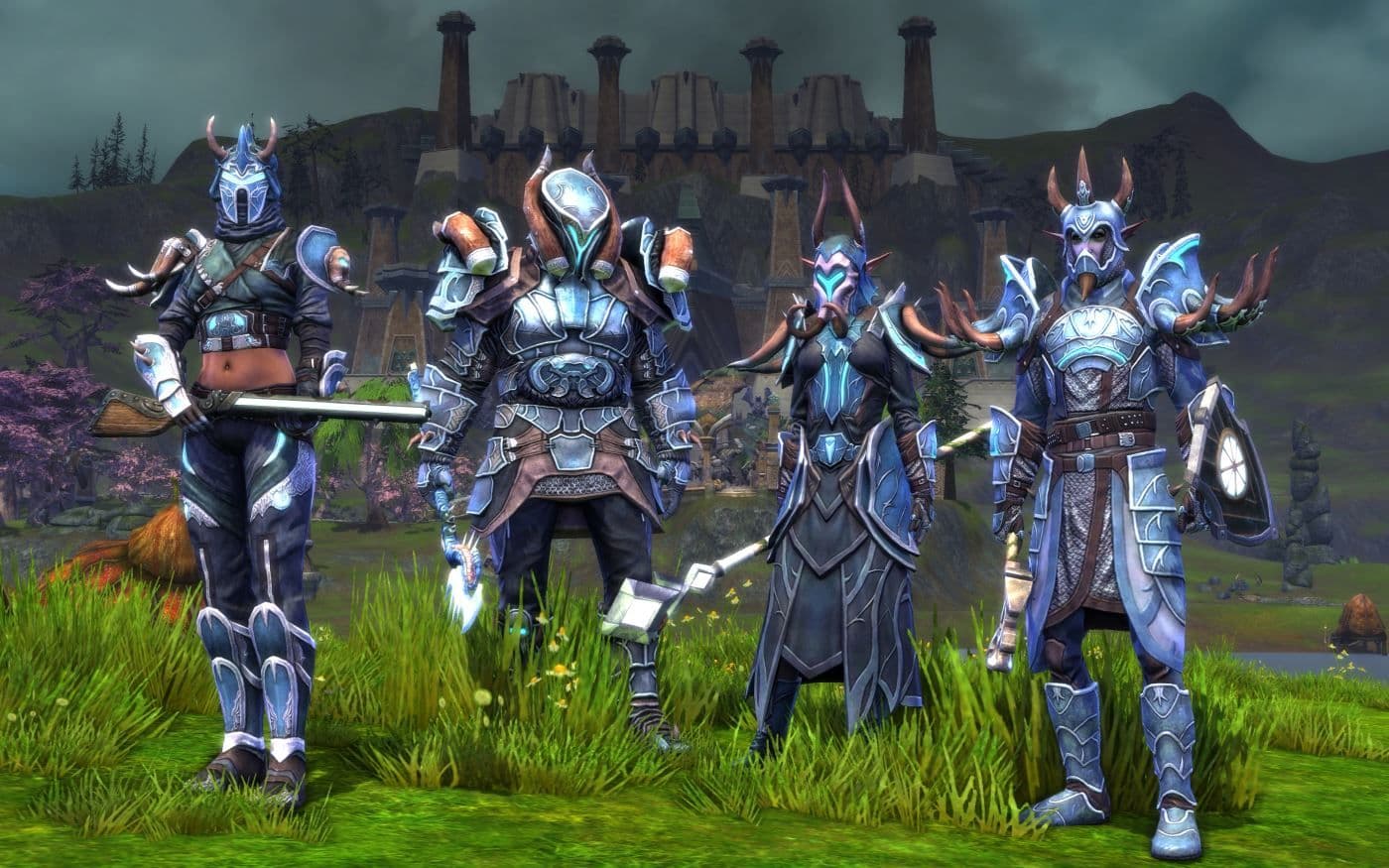
Rifts tear open across the sky at random, spilling elemental invaders into Telara and forcing nearby players to drop what they're doing and fight them...
 Free To Play
Aden's castles never stay in the same hands for long, and Lineage II has built an entire twenty-three-year game around the fight to take and hold them...
Revelation Online runs on the proprietary BigBang graphics engine, crafted by NetEase's in-house engineering team to render expansive, seamless open-world environments across continental scales. The engine pipeline was tailored specifically to maintain fluid framerates during high-velocity aerial wing flight and deliver vast horizon draw distances free of artificial fog clipping. While official specifications reflect standard DirectX 9/11 client architecture, full 3D aerial navigation and dense multi-player sieges impose distinctive processing demands upon PC hardware.
First, the Central Processing Unit (CPU). Baseline specifications state modest dual-core processors like the Core 2 Duo or entry-level Core i3, but sustained performance requires a robust modern quad-core or six-core CPU boasting high clock speeds. The BigBang architecture relies heavily on a single dominant execution thread (Single-thread IPC), which calculates free-flight physics trajectories, collision checks, server tick-rate sync, and intense volumes of graphics Draw Calls. In punishing raid encounters like the Dragon Abyss and high-stakes guild sieges with screen-shaking ultimate bursts from dozens of avatars, per-core IPC and ample L3 cache capacity serve as the primary defense against severe framerate dips.
Second, Graphics Processing and Video Memory (VRAM). The stylized Eastern aesthetic avoids heavyweight ray tracing workloads, enabling basic solo questing on modest GPUs featuring 1–2 GB of VRAM, such as a GeForce GTX 750Ti. However, pushing settings to high fidelity and participating in crowded server battles necessitates a graphics card equipped with at least 4 GB of dedicated VRAM. High-tier customizable cosmetics, animated glowing wings, multi-layered costumes, and detailed siege engines generate an immense pool of distinct texture assets, rapidly saturating video memory buffers on legacy cards.
Third, System Memory (RAM). While the minimum barrier lists 4 GB of RAM, reliable, hitch-free gameplay in modern operating environments mandates between 8 and 16 GB. Nuanor's seamless layout lacks zoning loading screens; consequently, the client aggressively caches environmental mesh geometry, sound banks, and texture packages into RAM during high-speed aerial sprints. Sufficient memory headroom prevents thrashing to the Windows pagefile and protects the 64-bit client from memory exhaustion errors when porting into major hubs like Sulan.
Finally, a storage footprint of 35–45 GB. This footprint reflects years of live-service content expansions, multi-tiered dungeon mazes, extensive bestiaries, and uncompressed audio scores. Installing the game onto a Solid State Drive (SSD) is an essential practical recommendation: rapid random read capabilities eliminate invisible collision barriers and asset streaming pop-in during high-speed flight landings in dense urban trading centers.