 F2P · Live
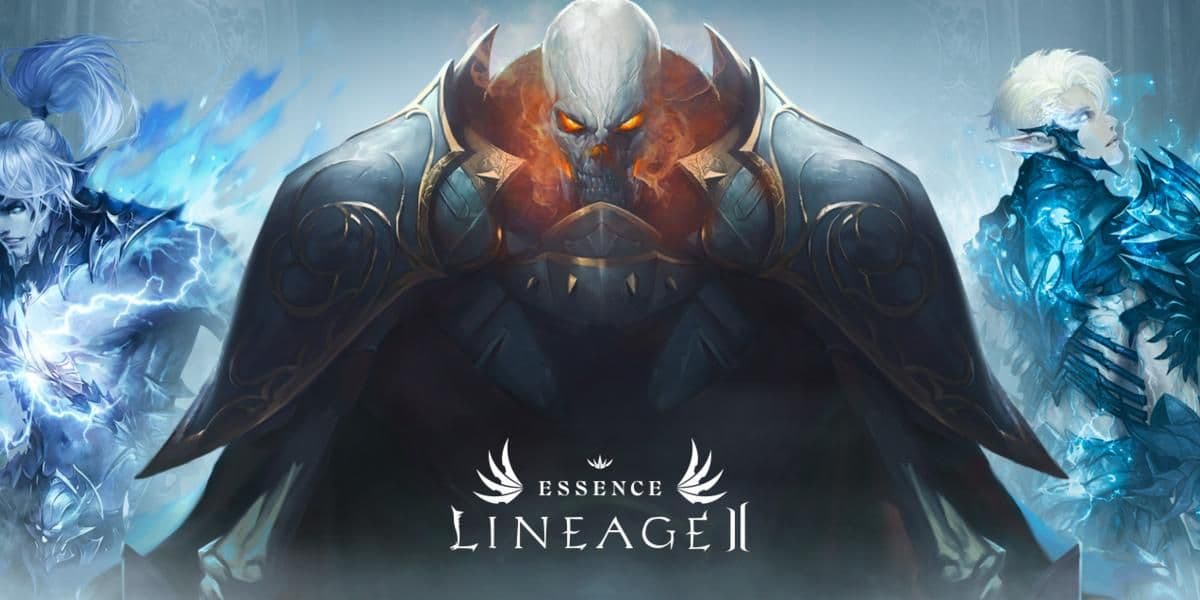
Lineage 2 Essence
Lineage 2 Essence is NCSoft's free-to-play take on the classic Korean MMORPG Lineage II, built around faster…
APB Reloaded is a legendary third-person urban MMO action shooter depicting a vicious war between street criminals and licensed enforcers across the open-world metropolis of San Paro. Featuring tactic...
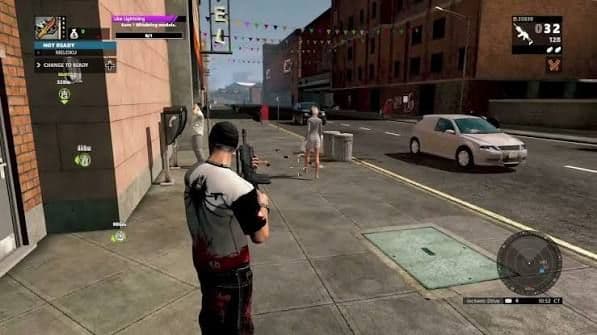
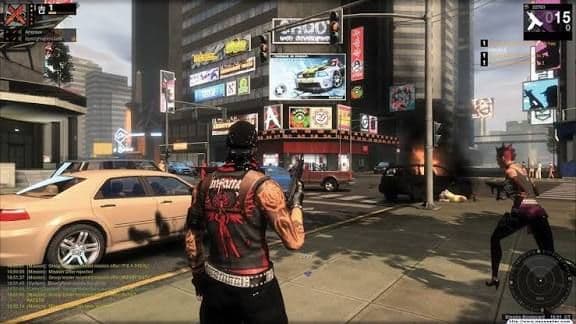
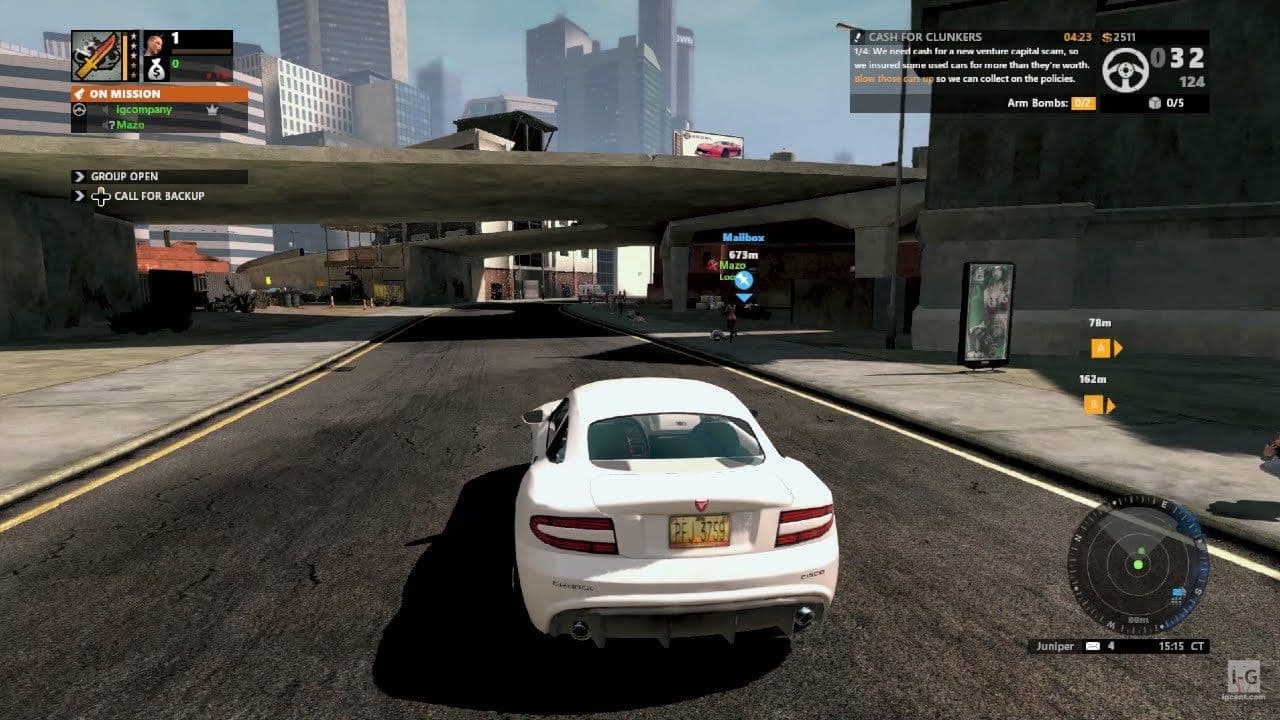
Quick take: APB Reloaded is a one-of-a-kind urban third-person action MMO delivering chaotic turf wars between street gangs and licensed vigilantes amid civilian traffic across San Paro. Operating under a Free-to-Play model exclusively on PC, it captivates dedicated fans with old-school gunplay, but its defining, unmatched triumph remains an extraordinary creative suite for characters, clothing, vehicles, and audio that no modern sandbox has managed to replicate in fifteen years.
Gaming history is riddled with high-concept casualties, yet the foundational premise drafted by original Grand Theft Auto creator David Jones for APB: All Points Bulletin back in 2010 was comfortably a decade ahead of its time. Having survived the collapse of Realtime Worlds, a free-to-play relaunch under Reloaded Productions, and an ongoing stewardship by indie studio Little Orbit, the game steadfastly refuses to become abandonware. Its enduring longevity stems neither from flawless netcode nor cutting-edge visual fidelity, but from its definitive signature feature: an unprecedented, encyclopedic customization architecture that neither multi-billion dollar juggernaut GTA Online nor futuristic epic Cyberpunk 2077 ever dared to rival.
Player creativity in APB Reloaded begins precisely where most contemporary multiplayer shooters erect rigid paywalls of pre-packaged developer skins. Within the peaceful confines of the Social District, the game presents a fully featured graphic and fabrication workshop that turns the sandbox into an artisan playground. At the core of this pipeline lies the multi-layered vector editor, the Symbol Designer. Here, players construct intricate emblems, gang insignias, hyper-detailed tattoos, and freehand artwork from hundreds of primitive geometric shapes, color gradients, and bezier curves. Placement is virtually boundless: any custom vector asset can be seamlessly projected onto a character's anatomy, curved around muscle groups, stamped across tactical gear, or wrapped along the contours of a high-performance sports car.
The wardrobe engine expands this bespoke freedom to its absolute limits. Players do not merely equip jackets, vests, or combat pants; they construct garments from raw tailoring templates. Sleeve length, collar curvature, tucked versus untucked boots, fabric weaves ranging from distressed denim to patent leather, and multi-layered configurations of holsters, tactical harnesses, and heavy chains are all independently adjustable. A single leather duster can host dozens of distinct user-authored decals with customized opacity, weathering, and metallic specular highlights, resulting in an entirely bespoke aesthetic.
Equally exhaustive is the automotive workbench, the Vehicle Designer. Transforming a humble civilian commuter like the Cisco into a slammed street-racer, or outfitting a heavy Jericho muscle car as an armored police interceptor complete with push-bars and flashing lightbars, takes mere moments. Mechanical and visual tuning spans every exterior component:
The crowning, audacity-laden touch of personal flair is the integrated Music Studio. Operating as a genuine tracker-style step sequencer, it empowers players to compose a custom five-second musical sting note by note: the infamous Kill Theme. The very instant you drop a rival in a heated gunfight, their death screen is punctuated by your personal audio signature blaring in their headphones—whether a virtuoso heavy metal riff, an infuriating pop-culture jingle, or a mocking funeral dirge. This synergy of visual art, mechanical engineering, and audio design grants every denizen of San Paro an authentic identity, turning every sidewalk skirmish into an unforgettable clash of personalities.
The conflict unfolds in the coastal metropolis of San Paro (San Paro)—a claustrophobic, neon-drenched, smog-choked monument to urban decay. Overwhelmed by rampant syndicate violence and entrenched institutional corruption, local authorities collapsed, prompting the city's mayor to enact emergency legislation: the City Safety Act (City Safety Act). This decree opened Pandora's box by legalizing military-grade automatic weapons for ordinary citizens and chartering private vigilantes to use lethal force against suspected felons. The city fractured into two hostile factions, transforming ordinary city streets into open battlegrounds for asymmetric warfare.
Faction alignment in APB Reloaded is straightforward yet dictates distinct thematic philosophies and gameplay motivations:
This endless turf war takes place within persistent open-world action districts engineered to host up to a hundred players concurrently. Unlike sterilized competitive arena shooters, San Paro features dynamic ambient civilian traffic, pedestrian bystanders, and fully interactive physics props. Any civilian vehicle—from an unwieldy refuse hauler to an agile compact hatchback—can be commandeered on the fly by ripping panicked NPC motorists onto the pavement, immediately converting the stolen ride into mobile cover or a battering ram.
San Paro is split into two primary combat zones featuring contrasting layouts and tactical pacing:
When gunfire subsides, operators retreat to the Social District (Social District, also known as Breakwater Marina). Designed as a demilitarized safe haven completely stripped of weaponry and combat damage, this zone functions as San Paro's bustling community nexus. Here, players exhibit their intricate designs, display customized performance cars across communal showrooms, barter goods on the open auction house, and recruit prospects into organized clans. The sharp dichotomy between the deafening violence of combat districts and the lounge aesthetic of the marina reinforces the feeling of a vibrant metropolitan ecosystem where underworld vice and commercial vanity collide.
The primary gameplay loop of APB Reloaded hinges on an ingenious fusion of open-world sandbox exploration and instanced, objective-driven skirmishes. Upon loading into an active combat district, an operator or pre-made squad toggles their combat readiness (Ready status) and pledges allegiance to one of the district's available contacts (Contacts)—underworld kingpins or precinct commanders. Contacts assign multi-stage mission contracts that range from hacking surveillance feeds and spray-painting territorial tags to planting demolition charges, raiding armored cash convoys, and delivering stolen manifests.
In its initial moments, a contract resembles a calm PvE fetch quest; however, the game's core matchmaking algorithm immediately activates the Opposition mechanic (Opposition). The server scans the district for an unengaged enemy squad of comparable skill ratings and flags them as rival operatives. The open city street instantaneously morphs into a tactical arena contested over specific contested objectives. Opposing teams receive directly inverted mission directives: if a criminal crew is tasked with arming explosive devices inside a bank vault, enforcers are dispatched to breach the building and defuse the charges; if gang members are escorting a contraband van to a drop point, defenders must intercept the vehicle and seize the cargo.
This dynamic architecture curtails aimless spawn-camping and imbues street fights with escalating tension:
Tension peaks around the five-star notoriety and prestige threshold (Notoriety / Prestige). By eliminating opposing players and completing objectives, operators raise their rating from 1 to 5 stars. Reaching maximum infamy elevates the operative to outlaw status, placing an open bounty on their head (Bounty). At that moment, their exact coordinates broadcast across mini-maps district-wide, granting every enemy operative on the server unconditional permission to hunt down the five-star target for bonus cash and rare loot.
An entirely distinct combat dynamic is reserved for Enforcers: non-lethal apprehension (Less-Than-Lethal / LTL). Equipping stun weaponry—such as the Stun Gun or non-lethal carbines—allows lawmen to accumulate stamina depletion rather than dealing lethal damage. Once incapacitated, a felon can be subdued and placed in handcuffs (Arrest). Securing an arrest does more than humiliate the target: it inflicts an extended respawn penalty of up to twenty seconds (versus the standard five seconds for a conventional kill) and awards double objective score, frequently reversing the momentum of a desperate round.
Gunplay in APB Reloaded adheres strictly to the tenets of classic competitive third-person shooters, shifting to an over-the-shoulder view whenever an operator enters marksmanship mode. Unlike contemporary casual shooters, the game provides zero aim-assist magnetization or one-shot body shot mechanics. Time-to-Kill (Time-to-Kill / TTK) is deliberately calibrated: standard one-on-one firefights last roughly between 0.7 to 1.5 seconds of sustained fire, leaving ample room for defensive ducking, repositioning behind physical cover, and counter-attacks.
Ballistics emphasize effective engagement ranges (Effective Range), damage fall-off profiles, and aggressive movement-induced dispersion (Bloom). Attempting to spray full-auto while sprinting with an assault rifle predictably scatters rounds across adjacent building facades. San Paro's weapon hierarchy centers on distinct tactical combat roles:
Personalization deepens through weapon and character modifications (Weapon & Character Mods). Firearms featuring open modification slots can be calibrated for specific combat preferences: Hunting Sight tightens crosshair bloom when aiming at the cost of strafe mobility, Heavy Barrel dampens horizontal recoil and stretches damage fall-off range, and bodily Kevlar Implants elevate maximum health pools at the expense of base sprint velocity.
Yet gunfights in San Paro never exist in an infantry vacuum—vehicles serve as the second pillar of combat. Cars are offensive battering rams, mobile barricades, and team transit hubs. Passengers can lean out of windows at full throttle (Drive-by) to fire assault rifles or snipers, transforming routine highway chases into cinematic action set-pieces.
The automotive lineup features expressive handling and weight physics across distinct chassis profiles:
Destruction behind the wheel arrives swiftly: focused small-arms fire directed at a vehicle's engine block or fuel tank ignites it within seconds. A detonating car incinerates all occupants inside and shatters surrounding low cover, demanding that drivers constantly monitor hull integrity and bail out onto the asphalt before secondary explosions occur.
Character progression in APB Reloaded advances across two synchronized vectors: overall account standing (R-Rank) and individual contact reputation (Standing). Contacts form an extensive organizational hierarchy of underworld fixers and police lieutenants: operators pledge service to street-level handlers, accumulate standing through district contracts, and gradually unlock access to high-tier bosses. Each tier reached unlocks new weapons, modification modules, clothing patterns, and vehicle chassis purchased with in-game currency (APB$). With the release of The Legends update, the historic cap of R255 was raised further, offering veteran players brand-new endgame contacts and high-tier milestone rewards.
The lifeblood of San Paro's social fabric is its fully player-driven auction house and market economy. Any custom asset created in the game's editing suites—whether a vector emblem, an elaborate custom outfit, an original musical kill theme, or a fully tuned sports car with unique vinyl wraps—can be listed on the auction house for APB$. Talented visual artists, fashion designers, and automotive tuners accumulate immense in-game fortunes without ever firing a shot, catering directly to wealthy clan competitors eager to purchase bespoke prestige designs.
Historically, the project's most contentious aspect was monetization. During the tenure of publisher GamersFirst and developer Reloaded Productions, APB earned notoriety as an aggressive Pay-to-Win battleground. The web-based Armas Marketplace offered pre-modified firearms for real-money currency (G1C) that outright eclipsed standard vendor weapons in rate of fire, accuracy, and raw lethality (notably infamous outliers like the Colby PMG Custom, the rapid-fire Nano secondary, and exclusive rocket launchers). Non-paying players were forced to lease standard weapons or endure severe disadvantages against paying operators.
Under the stewardship of Little Orbit, the economic paradigm was overhauled to foster competitive parity:
Today, the economic ecosystem of APB Reloaded is largely purged of its historic pay-to-win stigma. Real money speeds up progression and uncaps layer limits for creative designers, but the outcome of a gunfight on the streets of San Paro is determined by positioning, weapon mastery, and team coordination rather than wallet size.
The technical odyssey of APB Reloaded is defined by dramatic pivots, chief among them its embattled engine foundation. Originally constructed on a heavily customized build of Unreal Engine 3, the game spent nearly a decade chasing an elusive engine rewrite. Attempts to port its legacy networking architecture to a newer engine branch collapsed under severe memory leaks, asset corruption, and broken physics simulation. Studio Little Orbit executed a pragmatic strategic pivot: freezing the unstable rewrite and modernizing the proven legacy codebase onto a native 64-bit architecture (Patch 1.30).
The rollout of the 64-bit client provided critical stability. It eliminated the dreaded out-of-memory crashes (Out of Memory Crash) that had plagued operators for years during asset-dense district transitions, stabilized average framerates, modernized physics libraries, and leveraged updated 64-bit compiler optimizations. Nevertheless, the engine's age remains visible beneath modern patches:
The most consequential casualty of technical debt was the console footprint. Stymied by legacy performance bottlenecks and cumbersome console certification pipelines, developers concluded the ports could no longer be sustained. In August 2024, servers for PlayStation 4 and Xbox One were permanently deactivated, with character migrations offered to transition player profiles over to PC.
Today, APB Reloaded stands as a resilient monument to a golden era of ambitious online experimentation. It has weathered studio liquidations, multiple publishing transitions, and platform sunsets, sustained by a dedicated core community. While newcomers must brave an unforgiving learning curve, master demanding ballistic recoil, and tolerate an aging graphical aesthetic, no modern title on the market matches its intoxicating freedom. There is nothing quite like roaring down a San Paro avenue in a custom-built, siren-wailing muscle car, breaching a contested bank vault with shotguns blazing, and leaving a bespoke, mocking five-second guitar riff ringing in your fallen rival's ears.