 F2P · Live
Lineage 2 Essence
Lineage 2 Essence is NCSoft's free-to-play take on the classic Korean MMORPG Lineage II, built around faster…
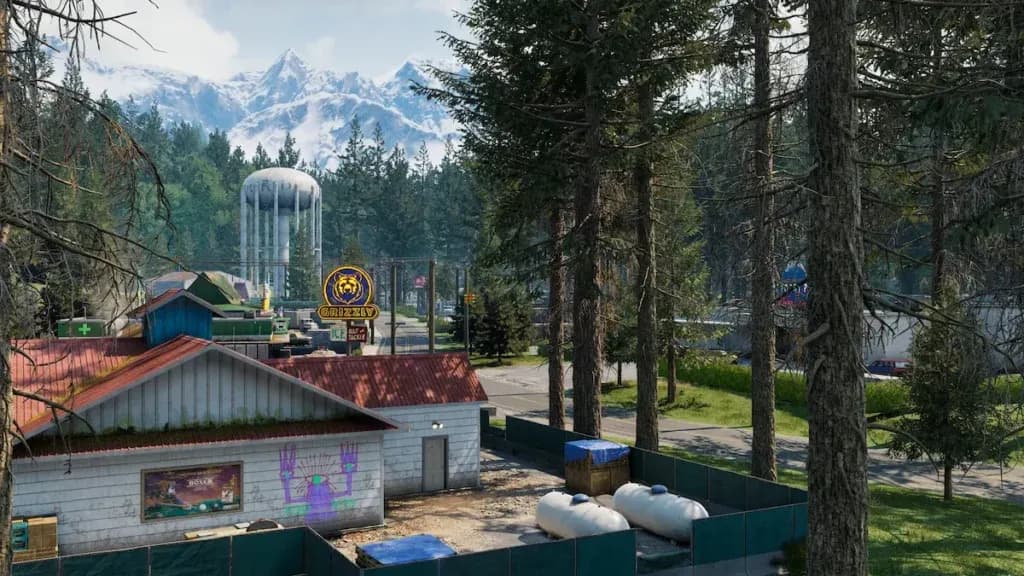
An uncompromising first-person tactical roguelite shooter set in the PUBG universe, plunging players into the atmospheric grit of the 1996 Pacific Northwest. Moving beyond single-match battle royales,...
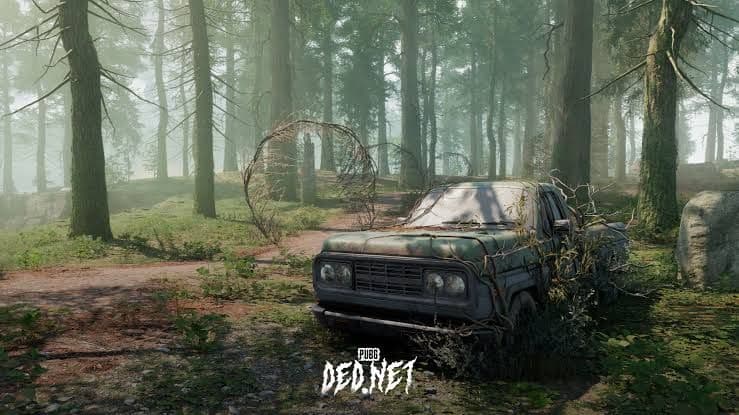
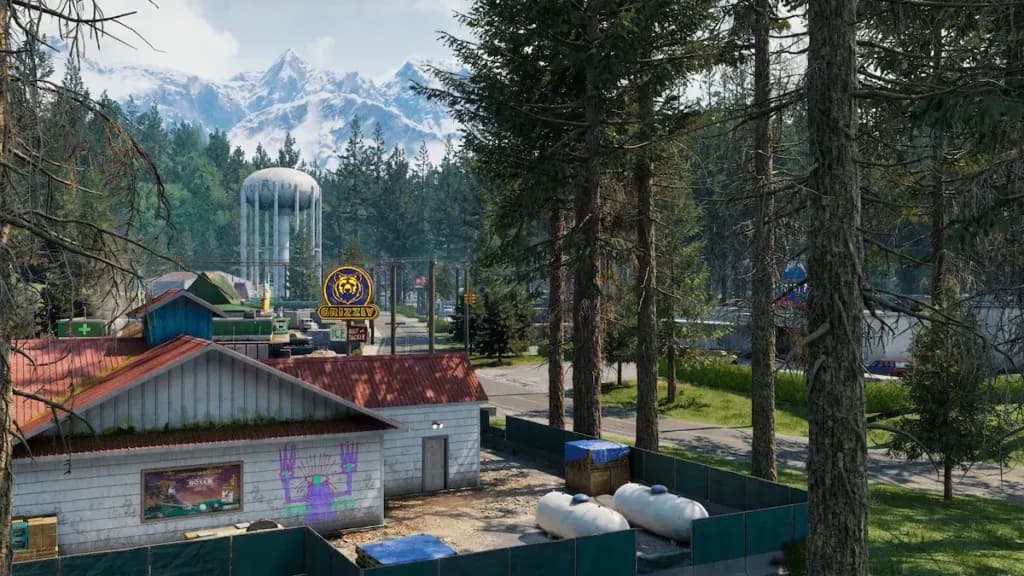
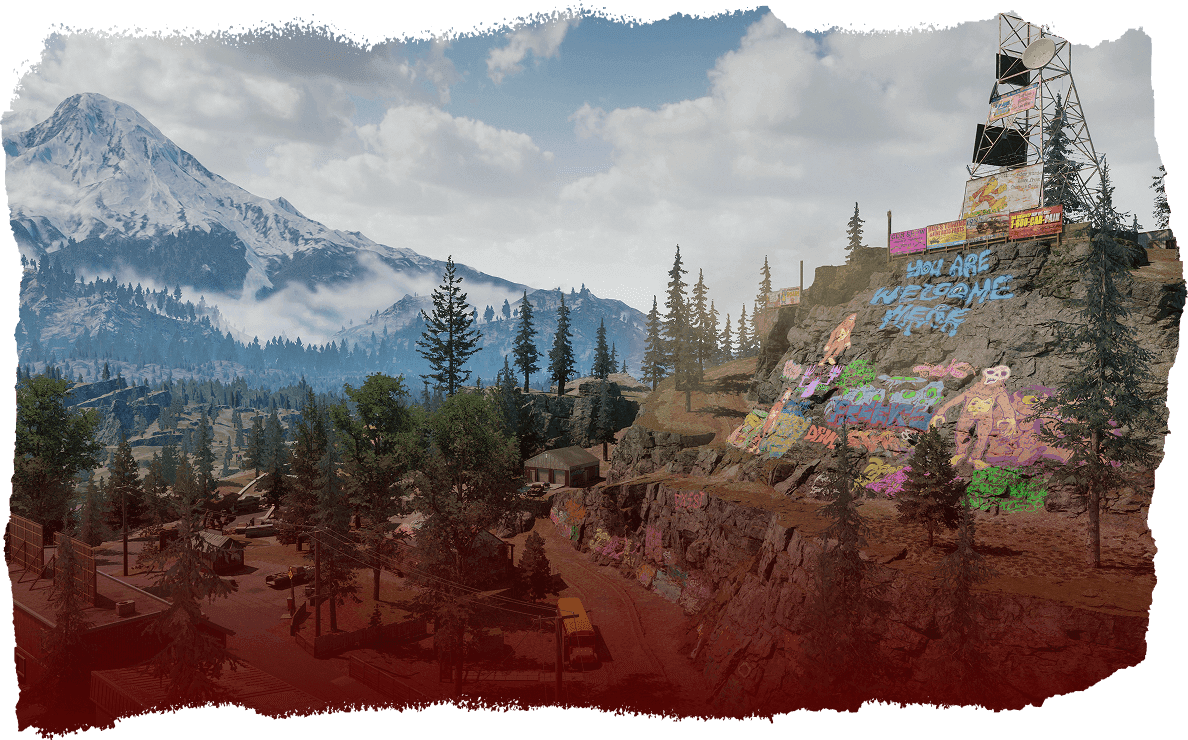
When South Korean publisher KRAFTON and development studio PUBG Madison pulled back the curtain at Gamescom 2026 to reveal PUBG: DED.NET, industry spectators anticipated predictable franchise extensions — perhaps an engine refresh of the original tactical shooter or a mobile spin-off. Instead, the showcase delivered a visceral jolt to veteran survival enthusiasts. Gone was the sanitized militarism of button-down shirts, ties, and pixel-hunting duels across the wheat fields of Erangel. In its place stood a gritty, grease-stained, blood-soaked experience that Creative Director Dave Curd proudly christened "PUBG's ugly, mutated cousin."
Far from a mere marketing stunt, this provocative posture reflects an intentional creative philosophy. A decade of battle royale saturation has locked the genre into rigid design formulas: predictable parachute trajectories, tedious homestead looting loops, and sterile competitive balancing where unconventional tactical experimentation is penalized with an immediate kick back to the matchmaking lobby. Dave Curd openly challenged focus-group-driven game design, labeling mass-market safety "box-office poison for modern entertainment." The Madison team consciously pursued an unvarnished "love it or hate it" creative direction, wagering that a divisive, highly memorable cult shooter offers far greater artistic and emotional longevity than an inoffensive crowd-pleaser.
Set in an alternate 1996 within the fictional territory of Cascadia (a rugged corner of the American Pacific Northwest), PUBG: DED.NET immerses players in an era defined by analog tech, garage grunge, and late-Cold-War unease:
Within the game's fiction, DED.NET functions on two distinct conceptual levels. It encapsulates the primal survival dictum of the badlands — "Dog Eat Dog" — while simultaneously serving as the name of a covert, closed-circuit pirate television network. Shadowy syndicate operators broadcast an unsanctioned, high-stakes deathmatch reality show to underground audiences worldwide. Contestants are not polished special-forces operators performing textbook room clearances; they are desperate outcasts, hardened bounty hunters, and sociopathic scavengers willing to butcher each other for wrinkled dollar bills and transit tokens.
Yet this daring thematic pivot carries a built-in dilemma. Purists who cut their teeth on millimeter-precise recoil compensation in classic PUBG: Battlegrounds may find themselves alienated by Cascadia's anarchic bedlam. PUBG: DED.NET discards geometric military discipline in favor of streetwise opportunism, where surviving an encounter often hinges less on a pristine sniper rifle than on an unhinged car door, an improvised shiv, and a timely performance of playing dead in a ditch.
The defining structural flaw of traditional battle royale titles has always been the complete devaluation of player investment upon elimination. The core loop of PUBG: Battlegrounds is notoriously unforgiving: twenty minutes spent methodically sweeping rural barns for attachments and first-aid kits can evaporate in a fraction of a second from an unseen marksman positioned three hundred meters away. The player is summarily booted back to the main menu with empty pockets, zero tangible progress, and the bitter realization that their session was utterly wasted. In PUBG: DED.NET, the developers at PUBG Madison systematically dismantled this disposable format by fusing intense tactical gunplay with the enduring momentum of a multi-tiered roguelite.
Rather than dropping players into isolated, one-off matches, the game organizes survival campaigns into interconnected series of expeditions known as Runs. Stepping out into the mist-shrouded hollows of Cascadia is not a sudden, binary all-or-nothing roll of the dice; it is an evolving tactical crawl spanning sequential operational stages. Successfully extracting from an active sector does not reset the board — it propels your fireteam deeper into the expedition grid, granting access to more volatile sectors, denser loot tables, and increasingly lethal operational threats.
At the center of this architecture sits the core mechanic of Stacking Advantages. Progression within an active run mirrors the emergent synergies of top-tier roguelikes:
This dynamic amplifies the psychological tension of the game's core ethos: Dog Eat Dog. Every extraction checkpoint forces a grueling tactical calculation. Do you bank your current bounty, slip out through the nearest departure zone, and unlock permanent weapon workbenches back at base? Or do you gamble your accumulated stack of genetic mutations and venture into a fortified bunker complex for top-tier military technology? The more formidable your combat build becomes, the more enticing you appear through the crosshairs of rival squads — taking down a heavily augmented veteran guarantees an immense payday for any predator bold enough to spring the ambush.
Where is the catch in this exhilarating framework? In the sheer emotional devastation that accompanies the loss of a perfected build. In standard PUBG, death is merely a mild inconvenience preceding another quick match queue. In DED.NET, seeing a sixty-minute expedition collapse at the final extraction threshold — after orchestrating an exquisite synergy of ballistic door shields, vampiric health siphons, and an engineered pump shotgun — lands like a sledgehammer to the gut. The roguelite formula yields magnificent highs of dopamine during triumphant extractions, but demands iron nerves when an opportunistic grenade thrown from an outhouse vaporizes your masterpiece in the blink of an eye.
In the vast majority of modern competitive shooters, tactical depth has been reduced to an exercise in memorized muscle memory: throwing smoke grenades toward predetermined landmarks, flashing standard choke points, and holding pixel-perfect angles. PUBG Madison chose to obliterate these predictable guardrails with a sledgehammer. The foundational combat ethos of PUBG: DED.NET celebrates aggressive, uninhibited improvisation, elevating streetwise pragmatism, environmental manipulation, and unabashed trickery above pristine crosshair placement.
The primary engine driving this battlefield bedlam is a colossal sandbox containing over 70 unique abilities and perks. Categorically rejecting rigid class archetypes and pre-scripted hero rosters, the game empowers players to forge their own eclectic survival loadouts from a deep pool of underworld tactics, combat engineering, and grotesque biological anomalies:
This eclectic toolkit upends conventional firefight dynamics. A defensive squad entrenched across the rooftop of a roadside diner can maintain a commanding perimeter until a maniac charging upstairs with a rusted sedan door in one hand and a lit stick of dynamite in the other crashes through the fire exit, coordinated alongside a teammate who hot-wired the diner's fire alarms to drown out the breaching sound.
What is the inevitable pitfall of this carnival of chaos? The sheer impossibility of competitive equilibrium. Any seasoned esports veteran will immediately recognize that balancing over seventy volatile, physics-interacting abilities is mathematically unachievable. Unchecked synergies will inevitably give rise to disruptive, absurd emergent metas that would induce cardiac arrest in tournament organizers. However, the architects of DED.NET make no apologies for this imbalance: the game is not engineered for spreadsheet purists obsessed with frame-perfect neutrality, but to spawn pulse-pounding, laugh-out-loud combat anecdotes that players will eagerly recount for weeks to come.
While PUBG: DED.NET diverges wildly from franchise orthodoxy in its abilities and aesthetics, its ballistic foundation remains fiercely loyal to its progenitor's mechanical DNA. The development team at PUBG Madison decisively abandoned the compromise of a third-person camera perspective (TPP), notorious for allowing defenders to scan compound perimeters from the invulnerable safety of fence lines and window sills. The game is locked permanently into a suffocating First-Person Perspective (FPP). Gathering reconnaissance across an intersection demands physical exposure; assessing a threat requires sticking your helmet directly into harm's way.
Gunplay is anchored by an uncompromising ballistic physics model derived from the original PUBG framework, further recalibrated to emphasize mechanical weight, tactile clatter, and muzzle brutality. Projectiles are treated as authentic physical entities governed by mass, initial muzzle velocity, air friction, and gravitational decay:
The game's Time-to-Kill (TTK) is razor-thin and utterly unforgiving. A well-placed 7.62x39mm round through an unarmored torso or an exposed skull results in catastrophic, instantaneous incapacitation. Furthermore, the damage model implements anatomical locational debuffs: leg injuries sharply degrade sprint efficiency into a lumbering limp, arm trauma induces severe scope drift, and deep lacerations from shotgun pellets trigger pulsating arterial hemorrhaging that requires immediate tourniquet intervention to prevent bleeding out behind a stack of cordwood.
Where does the catch lie in such severe mechanical discipline? In the abrasive friction between arcade-like abilities and uncompromising marksmanship. Players anticipating a breezy arena shooter where avatars slide across gravel and laser down adversaries while bunny-hopping will collide violently with ballistic reality. In DED.NET, firefights are rarely won by hyperactive reflexes alone; they are governed by stoic composure, breath control, and the tactical discipline to recognize when holding fire with your final cylinder of revolver ammunition is the only path to survival.
The scale of the engagement zone in PUBG: DED.NET has undergone a drastic architectural recalibration. The sprawling, eight-kilometer expanses of Erangel or the barren plateaus of Miramar — where players routinely spent the better half of an hour hiking through empty brush searching for fuel canisters and vehicles — have been completely superseded. The theater of war is concentrated within the rugged, densely layered wilderness of Cascadia. Lobbies accommodate 60 players configured primarily into three-operator fireteams — Trio Squads (twenty competing units in total) — establishing a razor-sharp equilibrium between tactical coordination and frantic, continuous combat pacing.
Terrain design draws heavily from the suffocating dread of rural psychological thrillers. Expansive, flat sightlines have been eliminated: steep pine-choked ravines, moss-draped logging cuts, and decaying timber haulers provide ubiquitous cover while concealing lethal ambush vectors. The architects at PUBG Madison populated this claustrophobic sandbox with evocative points of interest (POIs) dripping with nineties industrial desolation:
Crucially, Cascadia is not an empty shooting gallery waiting for players to collide. The theater introduces an aggressive PvEvP dimension. Anomalous chemical fallout has spawned grotesque biomorphic horrors — blind, predatory abominations constructed from deformed muscle and bone that track acoustic signatures with frightening efficiency. Furthermore, fanatical rural cultists patrol perimeter shrines with rifles and machetes. Discharging an unsuppressed weapon does not merely reveal your position to rival operators; it invites swarming packs of woodland horrors into the fray, instantly destabilizing what might have begun as a straightforward squad duel.
This volatility is compounded by dynamic Pacific Northwest weather systems. Dense, pea-soup fog frequently rolls in off the coastline, swallowing the forest and reducing optical visibility to less than thirty paces, rendering high-magnification sniper scopes utterly useless. Moments later, a torrential coastal downpour drums against corrugated tin roofs with such fury that tracking approaching footsteps becomes functionally impossible without targeted sensory-enhancing perks.
What is the underlying peril of this claustrophobic environment? The ever-present nightmare of opportunistic third-partying (Third-Partying). Because sound travels intensely through damp ravines and sector boundaries are tightly wound, any protracted firefight lasting longer than forty seconds serves as an open invitation to every scav-squad in adjacent sectors. While two teams trade shots through the motel courtyard, a third squad will inevitably ghost up the exterior fire escape to wipe out the battered survivors as they bandage wounds. In DED.NET, knowing when to break line-of-sight and melt into the cedar fog is infinitely more valuable than stubbornly committing to an unresolved siege.
Whereas traditional battle royales climax with a sterile circle collapse into an open pasture, the endgame of PUBG: DED.NET pivots entirely on securing and escaping with your accumulated contraband. The developers engineered a gripping fusion of encroaching anomalous hazard zones and the white-knuckle extraction tension pioneered by genre benchmarks. Scavenging experimental relics from underground laboratories is merely an opening gambit; the genuine nightmare commences when you attempt to transport an overstuffed rucksack to a designated Extraction Point.
Evacuation corridors in Cascadia do not welcome operators with passive green landing pads. They are intricate, physical objectives demanding deliberate player agency and tactical preparation:
The lifeblood of this economy revolves around authentic nineties artifact hunting. Beyond mundane surplus ammunition, splints, and canned rations, the black-market brokers of Cascadia pay top dollar for encrypted VHS cassettes containing classified occult experiments, magnetic data reels for vintage mainframes, smuggled military hardware, and luminescent biological organs harvested from anomalous apex predators.
All successfully evacuated hauls are deposited inside your persistent personal shelter — the Safehouse. Modeled after an authentic survivalist's subterranean basement workshop complete with flickering fluorescent tubes, soldering irons, and pirate radio consoles, this hub drives meta-progression between expeditions:
Where does the treacherous catch lie in this extraction dynamic? In the ruthless, predatory phenomenon of Exit Camping. The badlands are rife with scavengers who refuse to sweat through industrial sawmills or duel mutated horrors, preferring instead to lay prone in reed beds beside boat docks with double-barrel shotguns. Losing forty-five minutes of sweat and a backpack packed with classified VHS reels two seconds before boarding an evacuation skiff is an agonizing pill to swallow. In DED.NET, lighting an evacuation flare is never the end of a run — it marks the beginning of the most savage gunfight of your entire expedition.
Migrating to a modern technical stack represents a pivotal evolutionary leap for the PUBG intellectual property. While the franchise's original battle royale spent years grappling with foundational architectural compromises and legacy spaghetti code, PUBG: DED.NET was conceptualized from day one by PUBG Madison upon Epic Games' cutting-edge Unreal Engine 5. This technical foundation imbues Cascadia's damp Pacific wilderness with unprecedented material fidelity, atmospheric weight, and tactile physics.
The visual pipeline operates at full tilt, rendering a singular art direction steeped in nineties B-movie dread and weathered analog technology:
Yet in a game locked strictly to the first-person perspective, acoustic intelligence reigns supreme. The auditory architecture of DED.NET relies on advanced physical reverberation: rifle cracks ricochet violently through stone gullies, the thrum of an operating diesel generator masks sprinting boots from behind, and the strained, shallow wheezing of a wounded rival in an adjacent bathroom betrays their desperate ambush. The audio identity is further grounded by an abrasive, era-defining score — buzzing analog static, magnetic tape hiss, and overdriven garage grunge guitar riffs evoke a perpetual state of visceral panic.
Equally critical is the studio's Console-First philosophy. Rather than treating consoles as an afterthought or a delayed port, PUBG: DED.NET is engineered concurrently for PC, PlayStation 5, and Xbox Series X|S. Gamepad ergonomics are exceptionally refined: progressive resistance on DualSense adaptive triggers conveys the mechanical strain of a heavy shotgun pull, while nuanced haptic feedback translates the physical torque of prying a car door free from its hinges. Furthermore, cross-platform matchmaking implements input-based filtering pools, ensuring that gamepad lobbies and mouse-and-keyboard purists compete on level terms without bitter aim-assist disputes.
What is the unavoidable cost of such cutting-edge graphical ambition? Ruthless hardware demands and potential optimization hurdles at launch. Real-time volumetric fog, virtualized Nanite terrain, and the simultaneous server-side physics simulation of sixty operators and anomalous fauna place intense strain on processors and video memory. Locking down a fluid, competitive 60 frames per second at 1440p resolution with volumetric features engaged requires an enthusiast-grade GPU on par with a GeForce RTX 3070 Ti / RTX 4070 alongside a modern NVMe SSD. On lower-spec gaming rigs, compromises in rendering resolution and draw distance can prove lethal in long-range duels against rival marksmen concealed in distant tree lines.
The subject of business models under KRAFTON's corporate umbrella inevitably sparks animated discussions among competitive shooter communities. The franchise progenitor, PUBG: Battlegrounds, traveled a winding road from premium boxed software to free-to-play live service, along the way introducing battle passes, locked loot crates, and surreal pop-culture crossovers. In contrast, for PUBG: DED.NET, the creative leads at PUBG Madison established a far more grounded, era-consistent monetization policy tailored specifically to preserve the project's gritty atmosphere.
All microtransactions center strictly around cosmetic customizations that adhere to the bleak aesthetics of mid-nineties Pacific Northwest counterculture. Immersion-breaking neon anime bodysuits and glowing weapon skins have been categorically barred from the pipeline:
The project currently approaches its pivotal Closed Beta Testing (CBT) phase. Creative Director Dave Curd framed this testing cycle around the principle of "validating the fun early." Rather than polishing textures behind sealed studio doors for half a decade, the team is deploying the raw, chaotic core loop directly to players via the official portal at ded.net. The beta's primary objective is to stress-test the emergent interactions among the game's seventy abilities, eradicate toxic, game-breaking perk combinations, and calibrate extraction countdown windows.
Where does this provocative hybrid sit within the broader multiplayer ecosystem? In an overcrowded tactical landscape, PUBG: DED.NET occupies a unique, razor-sharp intersection among three celebrated titans:
What is the ultimate analytical verdict? PUBG: DED.NET is a defiant, irreverent, and proudly unpolished multiplayer statement. It will undeniably alienate competitive purists wedded to the sterile geometry of Counter-Strike, as well as casual players seeking breezy, arcade-style skirmishes. Yet for those who have grown thoroughly exhausted by the formulaic, corporate predictability of modern battle royales and crave raw kinetic friction, dark humor, tactical improvisation with unhinged car doors, and the intoxicating stakes of multi-tiered roguelite runs, Cascadia's damp, fog-choked hollows offer the most invigorating shot of multiplayer adrenaline in years.