 F2P · Live
Lineage 2 Essence
Lineage 2 Essence is NCSoft's free-to-play take on the classic Korean MMORPG Lineage II, built around faster…
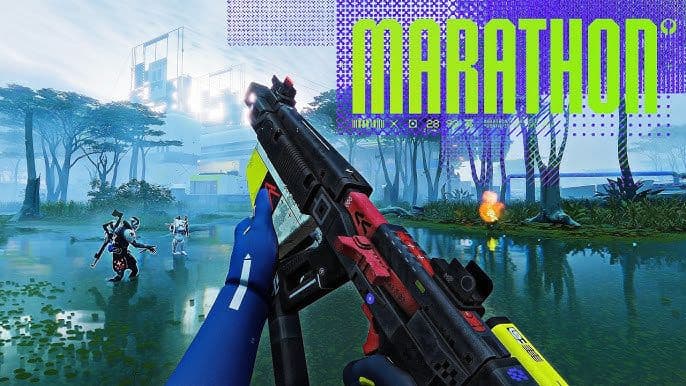
Marathon casts players as Runners, cybernetically enhanced mercenaries looting the ruins of a lost colony on Tau Ceti IV before rival crews, or the planet itself, take them out. Bungie's first new gam...
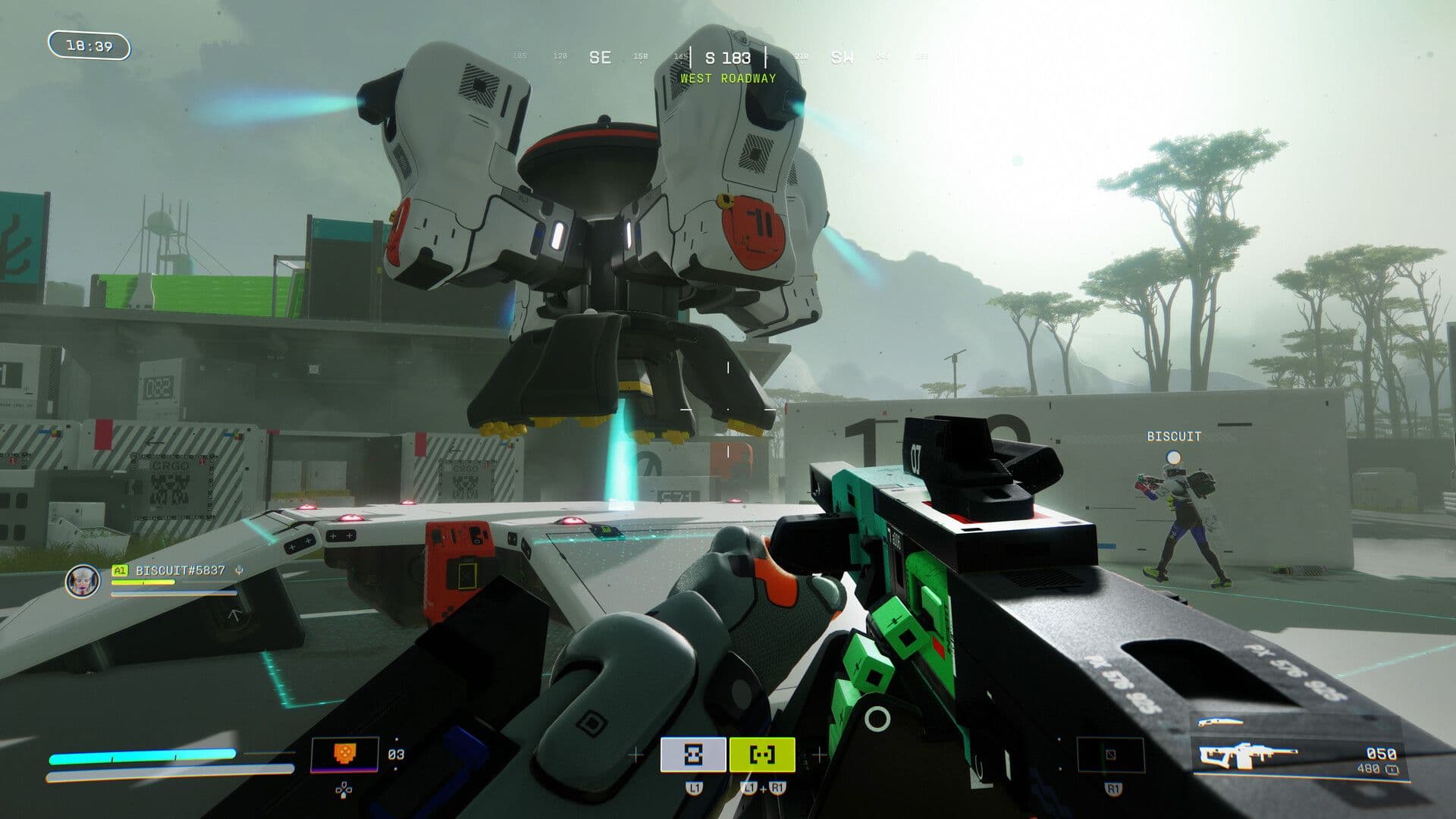
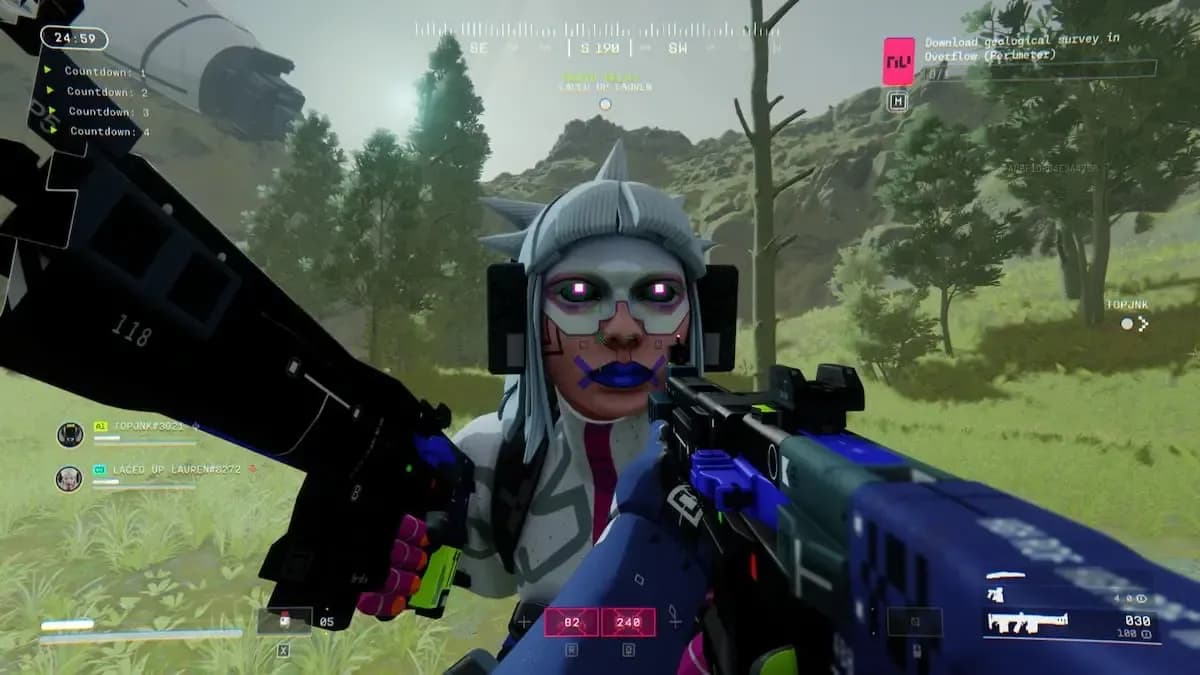
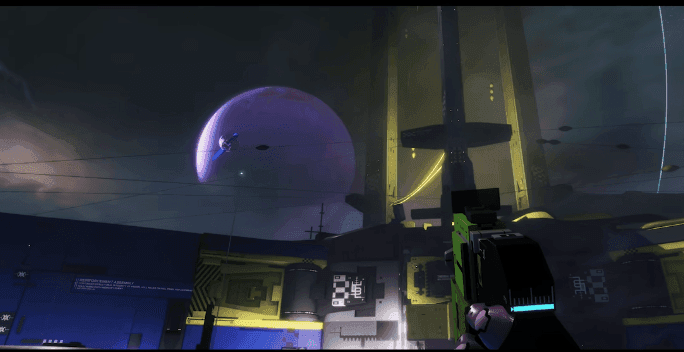
Marathon is a PvPvE extraction shooter developed and published by Bungie, distributed with Sony Interactive Entertainment, and released on March 5, 2026, for PC, PlayStation 5, and Xbox Series X|S with full cross-play from day one. It's Bungie's first entirely new franchise in over a decade, reviving the studio's 1994 Mac trilogy as a loose spiritual sequel rather than a remake, and it arrived carrying an unusually public and difficult development story. Whether that story ends well is still being written, and this Marathon review looks at both the game Bungie shipped and the rocky four months since.
Bungie revealed Marathon at PlayStation's May 2023 Showcase, and the road from there to launch was long enough to develop its own reputation before a single paying customer logged in. An initial target of September 23, 2025, slipped after a poorly received alpha test, and then the situation got worse: in May 2025, artist Fern "Antireal" Hook publicly accused the studio of lifting her 2017 poster designs and using them as in-game decals without credit or permission. Art director Joseph Cross confirmed the claim on a livestream and issued a direct apology, attributing the theft to a former contractor whose work had gone unreviewed. Bungie pulled the affected assets, opened an internal review, and quietly delayed the game indefinitely the following month. The dispute was resolved to Hook's satisfaction by December 2025, but the damage to Marathon's reputation as "the extraction shooter with the best art direction in the genre" had already been done, and reports of collapsing internal morale followed the studio for the rest of the year.
What emerged from that rebuild was a noticeably different game than the one shown in April 2025. A February 2026 public stress test, branded the Server Slam, drew 143,000 concurrent Steam players on its first day — proof the goodwill for a new Bungie shooter hadn't evaporated, even after everything. Feedback from that test pushed Bungie to add a dedicated solo queue with proximity chat, sharpen the visuals into something grittier, and tune the AI to feel more dangerous. By the time Marathon actually launched three weeks later, it was a meaningfully more polished product than the one that had spent 2025 in the headlines for the wrong reasons.
The new Marathon is set 99 years after the original trilogy, on the same lost human colony of Tau Ceti IV. Thirty thousand colonists have vanished without explanation, and you play a Runner — a human consciousness uploaded into a disposable cybernetic shell — dropped in to loot whatever they left behind. There's no single-player campaign; the story unfolds through seasonal narrative beats, environmental storytelling, and a collectible Codex of lore fragments rather than scripted missions, which asks more patience of players who came for plot than of players who came to shoot.
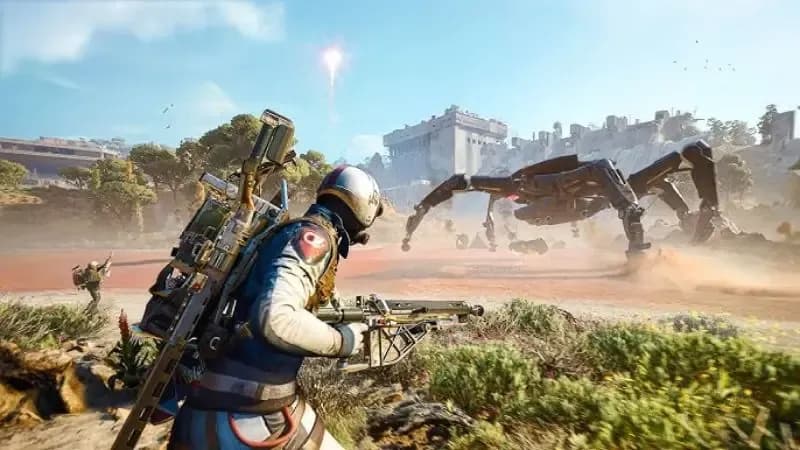
Visually, this is where the plagiarism scandal made its scars most visible and, ironically, where the finished game still earns its praise. The art direction leans into a Y2K-cyberpunk palette — bright saturated colors against industrial decay, angular Runner silhouettes that read instantly at a glance even in a firefight. It's a distinct look in a genre that otherwise skews toward muddy realism, and even critics unimpressed by other parts of the package tend to agree the world of Tau Ceti IV looks like nothing else on the shelf.
There's no solo-or-nothing option baked into the core mode — every deployment sends a team of up to three Runners into a medium-sized zone, though a dedicated Solo queue lets lone players face full three-person squads if they'd rather not coordinate with strangers. Before dropping in, you choose from seven Runner Shells, each with a Prime ability, a Tactical ability, and two passive Traits layered on top of its own Agility and Heat Capacity stats — Heat Capacity being Marathon's stamina system, governing how long you can sprint, slide, and chain movement before you're forced to slow down in the open.
The shells read as distinct rather than interchangeable. The Vandal is built to close distance fast and brawl at close range; the Thief specializes in flanking and opportunistic picks; the Rook is tuned specifically around surviving alone, making it the default recommendation for the Solo queue; Triage carries support tools that are actively dangerous to run without a coordinated team behind you. A new Runner's first few matches are mostly about learning one shell's rhythm — how far its dash actually carries, how long its ability takes to recharge, whether it wants you aggressive or patient — before branching into a second.
The gameplay loop itself borrows its bones from the extraction genre's established playbook: drop in, loot weapons, armor, and crafting materials off dead colonists and dead Runners alike, complete Faction jobs for reputation and gear, and reach an extraction point alive within a 25-minute timer. Die before you extract and everything you carried in and found along the way is gone, available for whoever kills you to pick back up. It's a familiar tension — push one more room for better loot, or cut your losses and run — but Bungie's gunplay does a lot of work to make each individual decision feel weighty rather than just risky on paper.
Bungie built Marathon on the Tiger Engine, the same proprietary technology behind Destiny, and the gunplay shows it: recoil patterns, reload animations, and hit feedback all carry the same tactile precision that's been the studio's calling card for over a decade. Firefights are fast and unforgiving — armor and health both matter, positioning matters more, and a Runner caught in the open with a full-auto rifle at range rarely survives long enough to regret the decision. Maps range from open, overgrown wilderness zones to cramped, hazard-filled laboratory interiors, and more than one reviewer has singled out the level design as some of the strongest currently in the extraction genre, even when a stray doorframe snags a sprint at the worst possible moment.
At launch, Marathon shipped with three modes: Core Extraction for squads of three, Solo Mode for players going it alone against full teams, and a competitive Ranked ladder that arrived shortly after launch. None of the maps are pure combat playgrounds — Dire Marsh, in particular, throws in environmental hazards that can kill you as readily as another Runner can, which keeps a run tense even in stretches where you don't see another player.
Extraction shooters live or die on what's left to chase once the basics click, and Marathon's answer splits into two very different disciplines. The Cryo Archive introduced a lore-dense raid layer with mechanics considerably more involved than a standard extraction run, aimed at players willing to learn a fight rather than just win one. Ranked Mode sits on the opposite end of the same spectrum: a brutal, purely competitive ladder where the loot economy takes a back seat to pure PvP skill expression, and where Marathon's gunplay arguably shines hardest.
Both systems reset each season — Bungie runs Marathon on a three-month cadence, wiping character progress while preserving Reward Pass unlocks, a structure familiar from Halo Infinite and Helldivers 2. It's a defensible model for keeping a competitive economy honest, but it also means the endgame is perpetually being rebuilt rather than accumulated, which asks a lot of patience from anyone not already committed to the long haul.
Marathon has no guilds in the traditional MMO sense, but its Factions do similar work: they hand out jobs, build reputation over a season, and unlock upgrade trees and capstone rewards for players who stick with one over hopping between them. Bungie initially left proximity chat out of the launch build over concerns it would enable toxic behavior, then reversed that decision after Server Slam feedback made clear players wanted it. If a Runner wipes your squad, Factions can sponsor a fresh loadout to get you back into a run quickly — a small mercy in a genre that otherwise punishes death completely.
No — and this is one area where Bungie's messaging has held up under scrutiny. Marathon is a $39.99 buy-to-play game, and the studio has been explicit that competitive integrity was a design priority: cosmetics, purchased through the premium Lux currency, don't touch stats, weapons, or gear. Reward Passes never expire and can be bought and completed retroactively, which is a genuinely player-friendly choice compared to the disappearing battle passes common elsewhere in live service.
That said, the cosmetic economy stumbled hard out of the gate. Bungie priced its $9.99 Lux bundle at 1,100 units against Runner skins costing 1,120, a twenty-Lux gap that forced anyone buying at that tier into a second purchase just to close it out — a pattern sharp-eyed players flagged within days of launch. The backlash was loud enough that Bungie corrected the bundle to grant the full 1,120 Lux and retroactively credited affected buyers the difference, while acknowledging broader complaints that the Season 1 battle pass offered thin value for its price. It's a fair criticism to raise against a $40 premium title in particular: free-to-play games get some cultural slack for aggressive monetization, and a paid game asking for the same treatment on top of its box price earns a colder reception.
The numbers tell an uncomfortable story for Bungie. Marathon's Steam launch peaked at just under 90,000 concurrent players — a solid but not spectacular debut set against a genre where Arc Raiders had recently cleared 460,000 at its own peak — and the decline since has been steep. A month after launch, the concurrent count had already fallen 59% from its high point; by mid-July, daily peaks were reportedly sitting in the 6,000–6,500 range on Steam, a small fraction of where the game opened and well behind even Destiny 2's currently diminished numbers on the same storefront. Alinea Analytics estimated roughly 1.2 million copies sold across all platforms in the weeks after launch, with Steam carrying about 70% of the total player base and a hardcore slice — 7% of players — already past 100 hours logged.
Critically, the reception has aged better than the population chart. Marathon opened to a Metacritic score in the high 70s and climbed to 82 on PS5 as more outlets weighed in, with several major reviews landing at 9 or higher; user sentiment on Steam has held in the high 80s to low 90s throughout. That gap between "people who play it like it" and "not enough people are still playing it" is the central tension of Marathon's first season, and it's one game director Joe Ziegler addressed directly in a May blog post outlining Season 2 plans: reintroducing duo queues alongside the existing solo and trio options, adding lighter PvE-focused modes for players who don't want a PvP encounter every match, and reworking new-player onboarding, which several reviewers flagged as steep even by extraction-genre standards. Bungie has also floated short-term experiments like a limited two-week PvE-only queue to give the existing community something fresh between seasonal resets.
None of that guarantees a turnaround. Marathon isn't shutting down — Bungie has committed to a multi-year narrative roadmap and isn't walking away after one rough quarter — but an extraction shooter competing against Escape from Tarkov's entrenched hardcore base and Arc Raiders' much larger casual audience needs more than critical goodwill to hold a population, and right now the goodwill is outrunning the player count by a wide margin.
Judged purely as a shooter, Marathon delivers. Bungie's two decades of gunplay expertise translate directly into some of the tensest firefights the extraction genre has produced, the Runner Shells give real room for mastery, and the Tau Ceti IV maps are dense enough to reward the dozens of hours it takes to learn them properly. The business side of the game is harder to defend without caveats — a rough monetization start, a genuinely difficult road to launch, and a player base that's shrunk considerably faster than Bungie would like all complicate the picture. What that means in practice is that Marathon rewards the players willing to push through a steep first few hours and stick around into a season or two, while giving the impatient or the casually curious very little reason to stay once the initial firefights lose their novelty. Bungie has a concrete plan for Season 2 and the financial backing of Sony behind it, so the game isn't going anywhere soon — the open question is whether enough players decide the wait for that plan to pay off is worth taking.