 F2P · Live
Lineage 2
Aden's castles never stay in the same hands for long, and Lineage II has built an entire twenty-three-year…
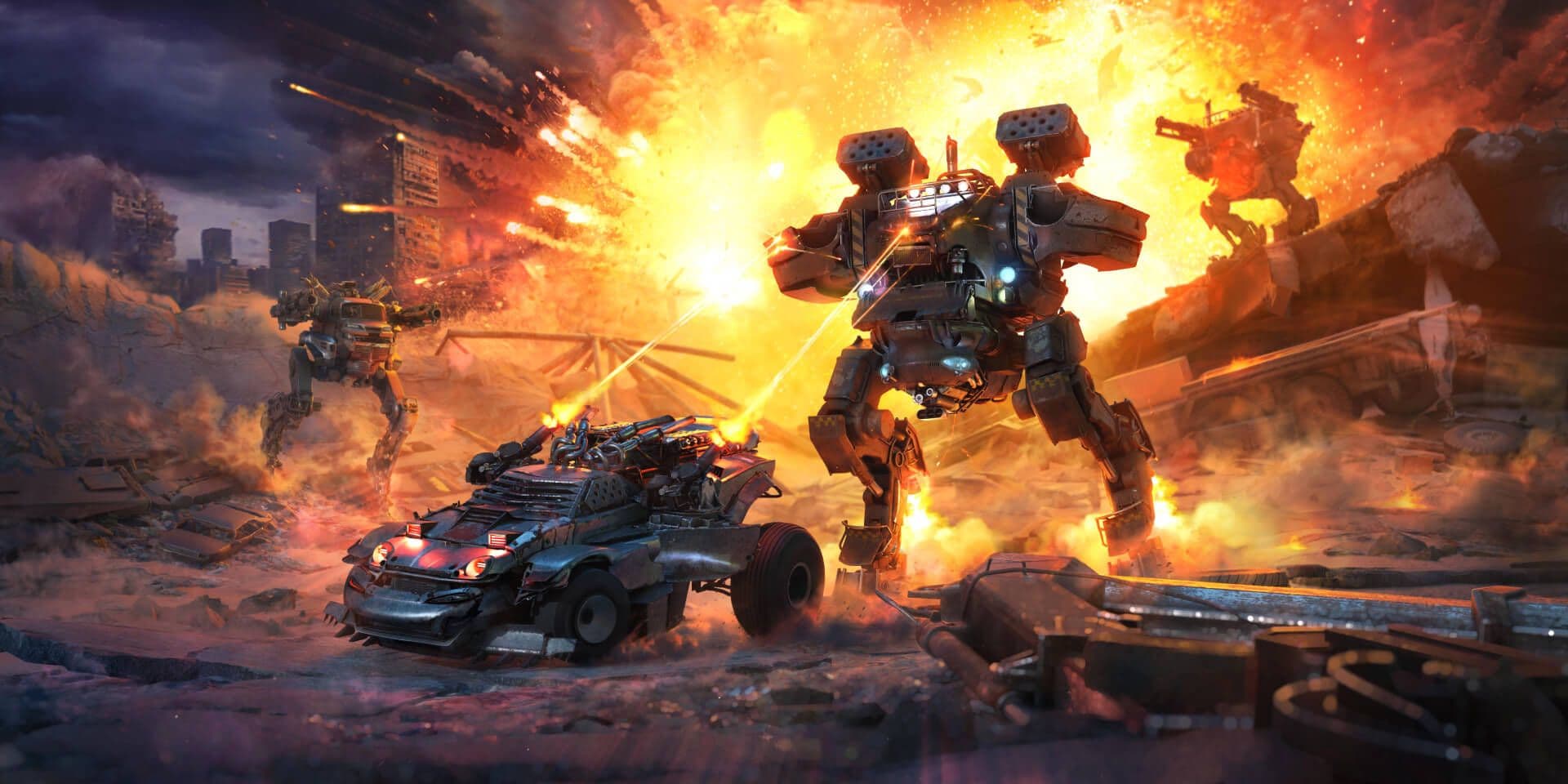
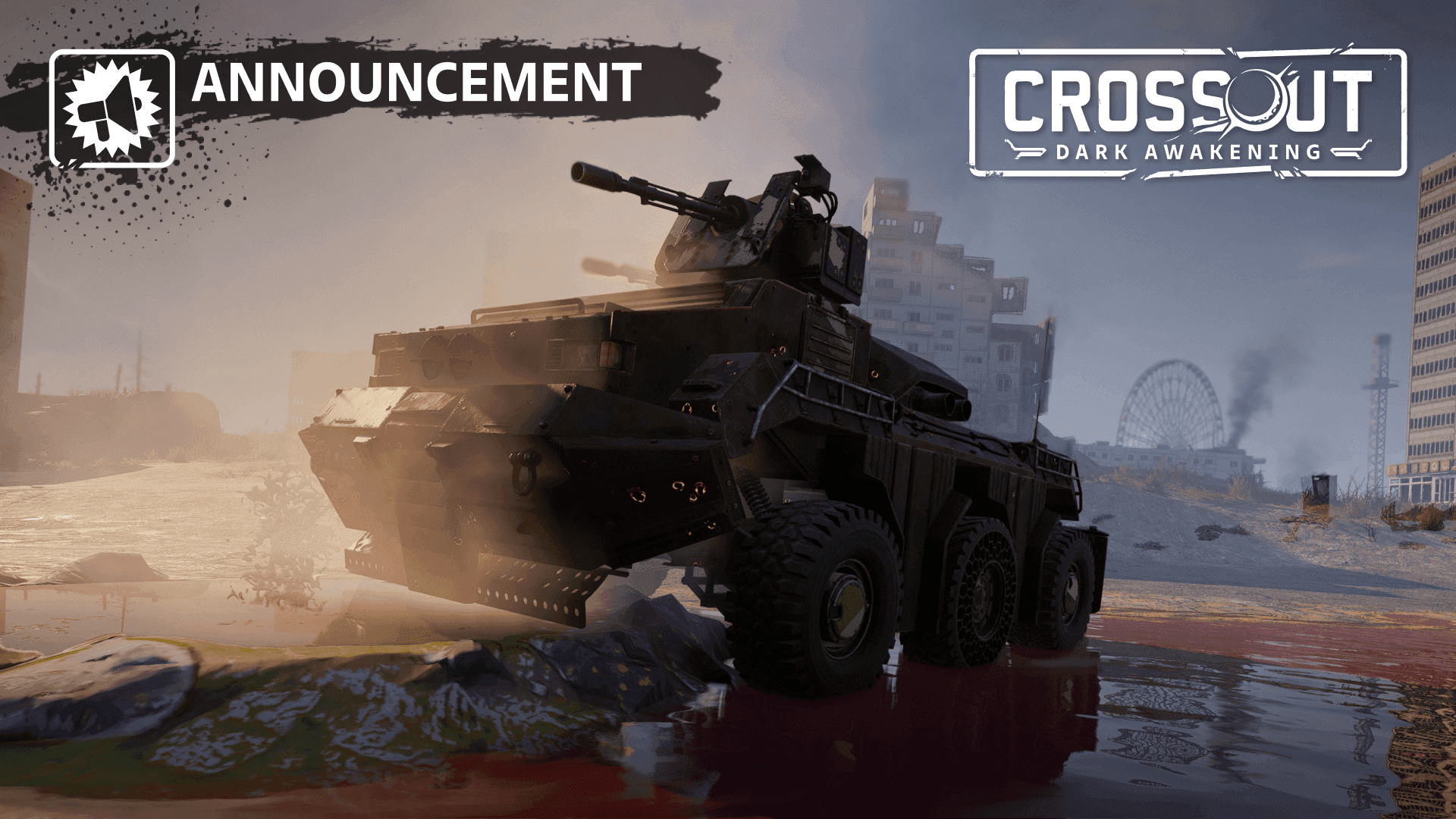
Crossout is a post-apocalyptic vehicular combat game from Targem Games in which armored vehicles aren't chosen from a catalog but hand-assembled from hundreds of interchangeable parts — frames, moveme...
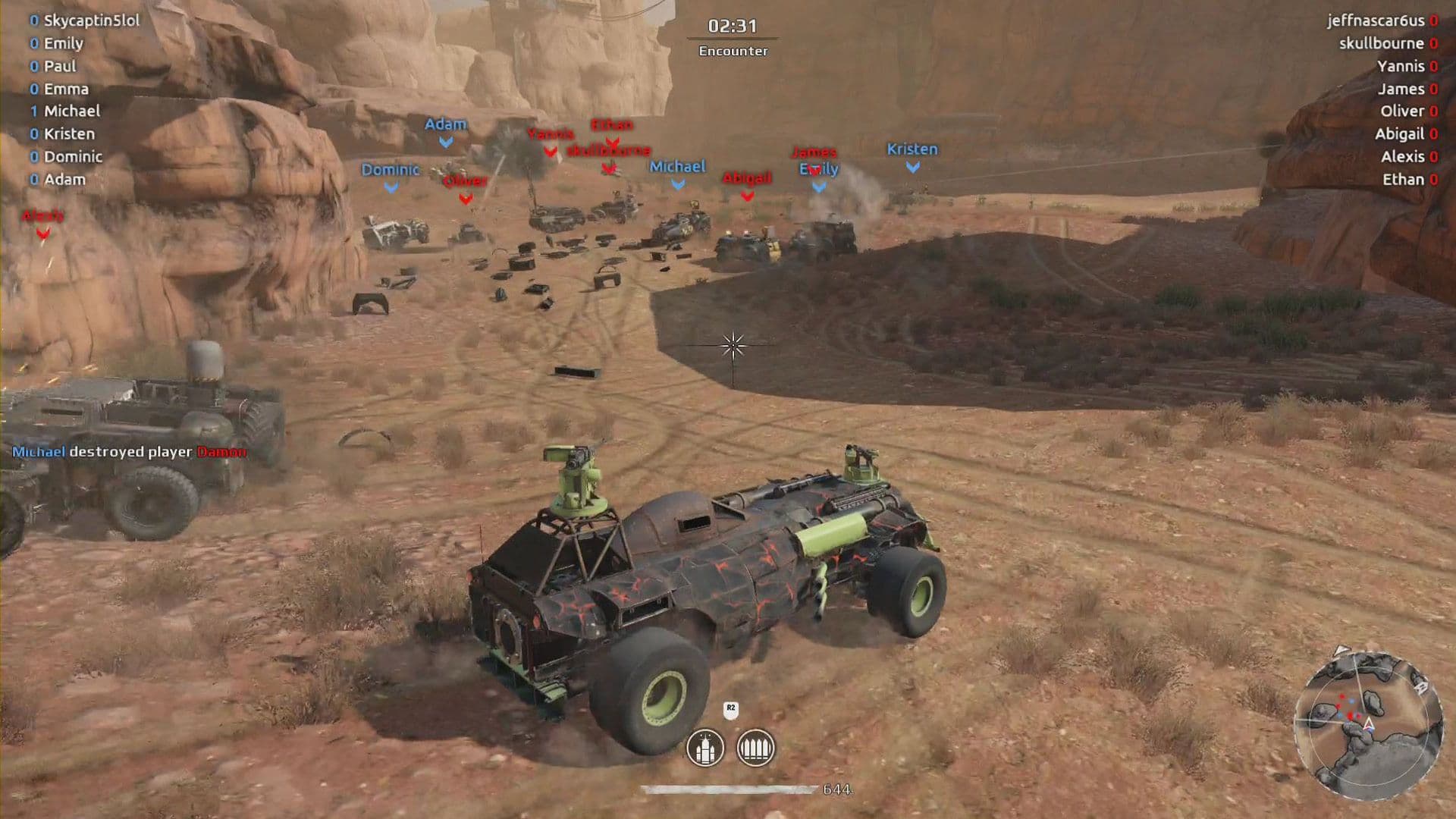
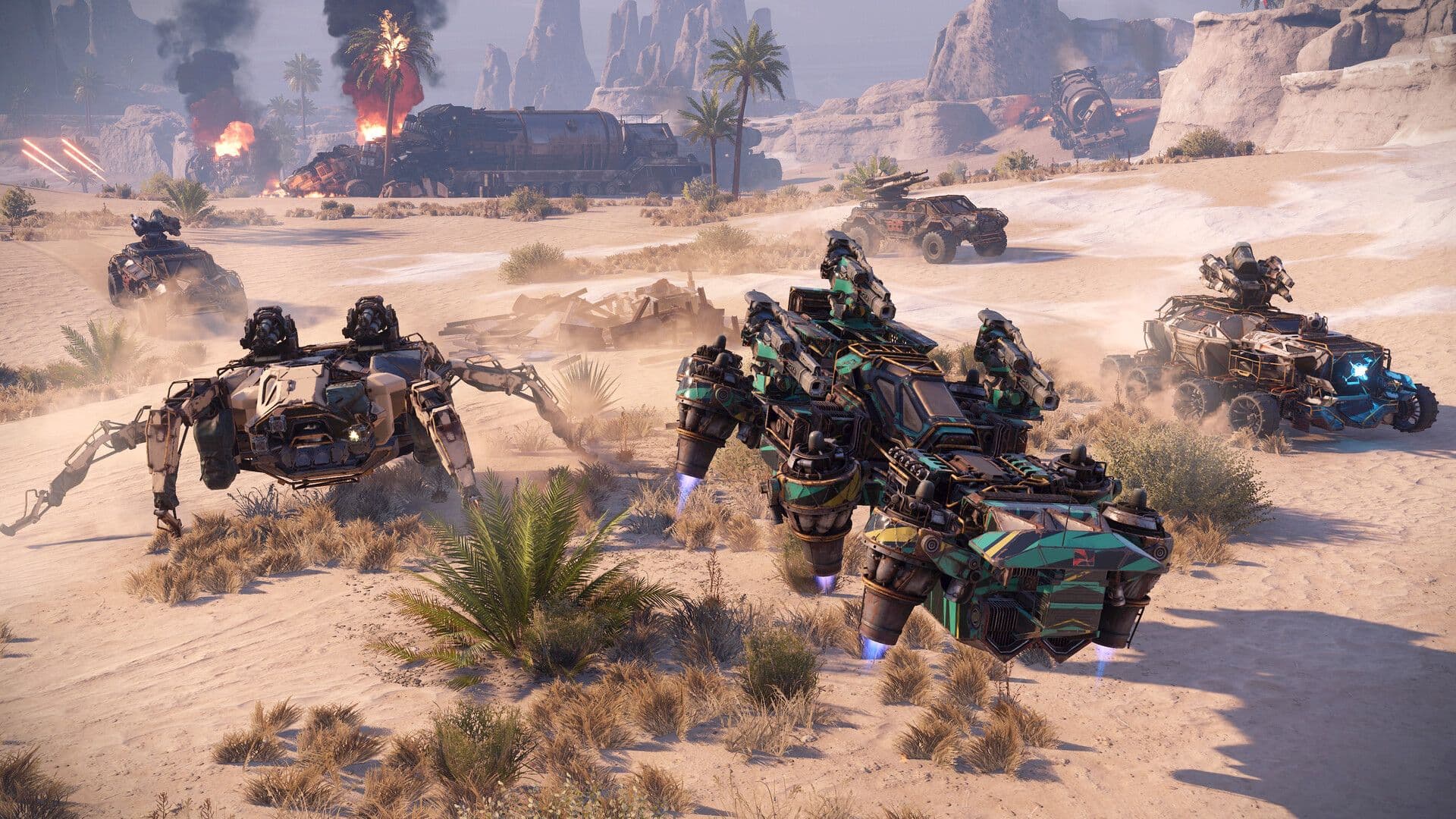
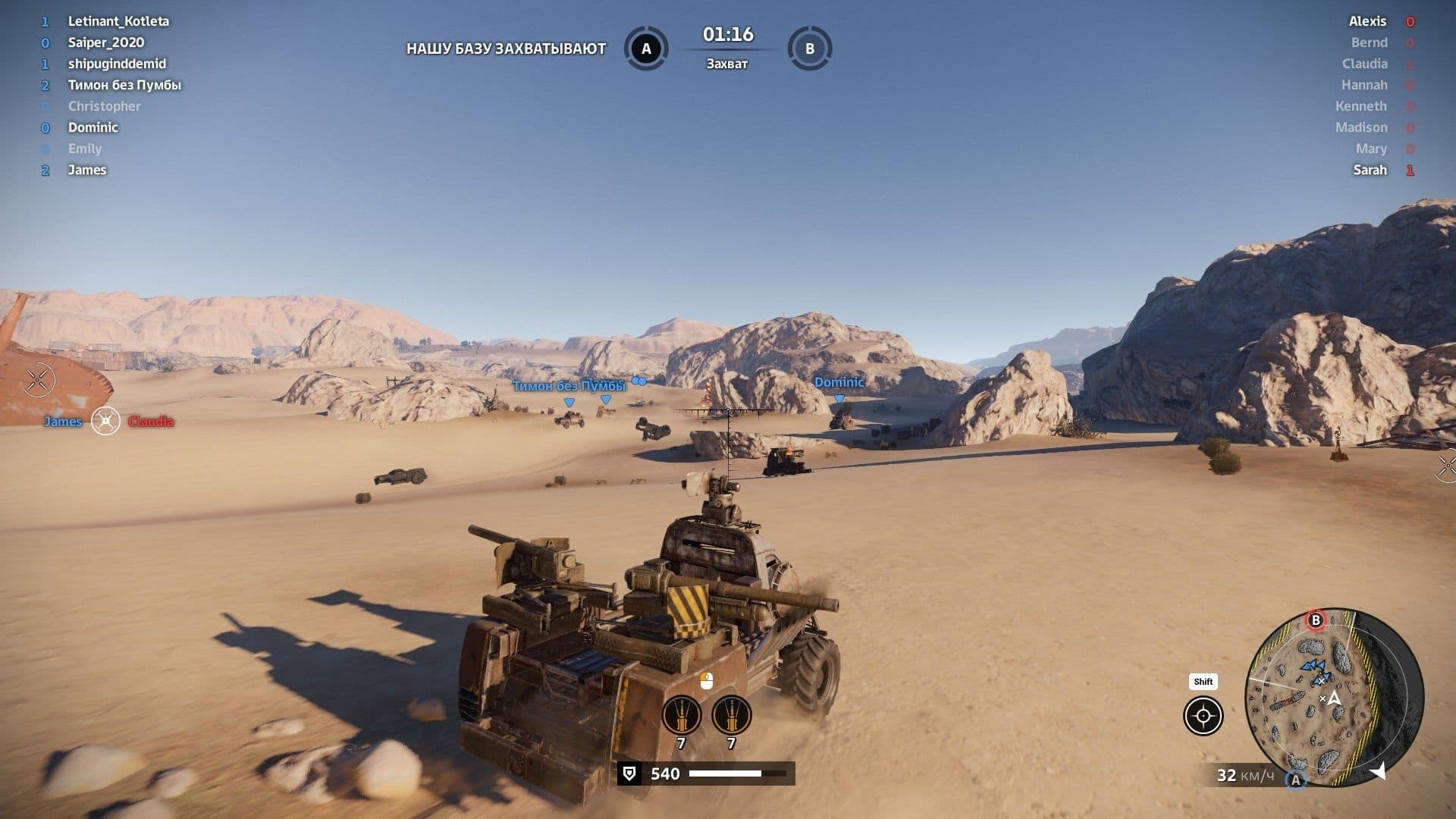
Crossout is a post-apocalyptic vehicular combat game developed by Russian studio Targem Games, published by Gaijin Network, and running on Targem's own Targem Engine 2.0. It entered closed beta in April 2016 and open beta on May 30, 2017, a label the game still officially carries nine years later even though it functions as a finished, actively updated release. What sets Crossout apart from other vehicle combat games is how literally the word "build" is meant: there's no vehicle catalog to pick from, only a frame and a few hundred compatible parts you attach to it yourself, from a single bolt-on wheel to a plasma cannon.
The setting is 2047, roughly fifteen years after a mysterious pandemic called the Crossout wiped out most of humanity. Survivors mutated slightly and, more importantly, never learned to get along: they splintered into factions and started fighting over scrap-built armored vehicles instead of anything resembling peace. New players start with the Engineers, the neutral, catch-all faction that unlocks the most basic blueprints and workbenches.
Raise your reputation far enough and three specialization paths open up: Nomads lean into speed and raiding, Scavengers into raw armor and brute force, Lunatics into fire, close combat, and general chaos. Each of those, at reputation level ten, unlocks an elite "tier two" faction — Dawn's Children for energy weapons, Steppenwolfs for long-range firepower, Firestarters for explosives and speed. Founders, Syndicate, and Hyperborea round out the roster as rarer factions with their own part sets. A more recent story thread adds the Ravagers, mysterious robots that erase the memories of anyone they capture — the one plot device that occasionally pushes the warring factions into uneasy, temporary alliances. None of this is delivered with much ceremony: a line of pre-battle briefing text, the occasional cutscene, and scattered environmental notes are as far as the narrative goes, which is an honest allocation of effort for a game whose actual hook is the garage, not the lore codex.
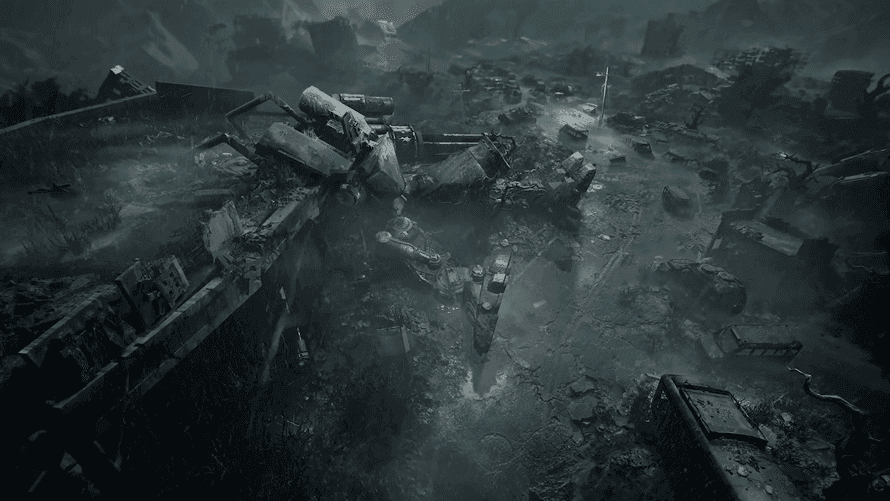
One visible cost of nine years of asset reuse: environments repeat themselves more than the setting's premise would suggest. Rusted hangars, dusty canyons, and industrial wastelands share a common pool of set-dressing pieces, and after a few dozen hours the seams start to show. It rarely matters mid-fight, since combat keeps eyes locked on the machines rather than the scenery, but it's worth flagging for anyone expecting the kind of environmental variety a full-scale MMORPG budget usually buys.
New players start in the garage with one of several starter kits — typically a light wheeled frame, a weak machine gun, and minimal armor. Matchmaking in Crossout doesn't care about account level; it matches based on a vehicle's Power Rating, so an expensive collection of rare parts sitting unused in storage does nothing for you if the machine you actually drive is undertuned. The first few hours are really about internalizing one rule: the frame holds the parts, the parts hold the weapons, and the cabin's mass and power limits determine how much of any of that you can carry at once. Every cabin has two hard caps — tonnage and power — and building around them is a constant trade-off: want one more gun, then something else has to come off, whether that's armor or a heavier movement part swapped for something lighter.
Damage is physical, not abstract. A well-placed shot can knock a wheel clean off or tear a weapon straight out of its mount mid-fight, and you finish the round however you can — on three wheels, or with no gun left at all. Losing pieces in real time, rather than watching an invisible health bar tick down, is one of the clearer ways Crossout signals what kind of game it is early on.
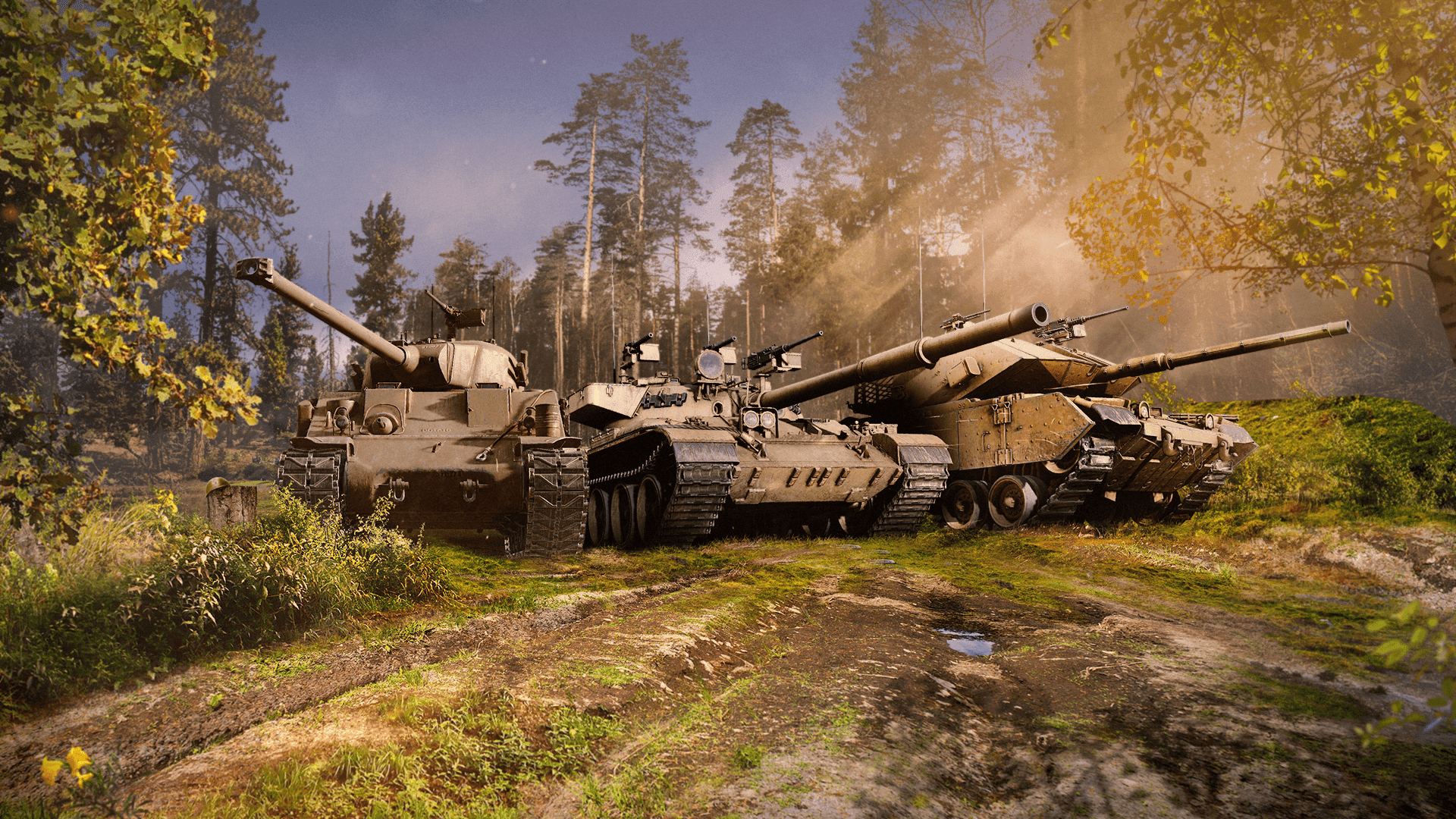
There are no character classes in Crossout. Their role is filled entirely by the combination of cabin, movement type, and weapon loadout, and movement alone splits into several genuinely different playstyles. Wheels are fast and maneuverable but easy to shoot off; tracks are slower but tougher, and can rotate the whole vehicle in place; hover engines let a build glide above the ground and fire from almost any angle, at the cost of holding position under fire; mechanical legs soak up recoil and explosive impulse but cap out at low top speed; screw-drive augers exist for crossing mud and water. Picking a movement base already decides most of a build's personality before a single weapon goes on — a leg-mounted "spider" behaves like a lumbering gun platform, while a light wheeled buggy lives or dies by constant motion and flanking.
The weapon roster splits into standard machine guns and autocannons, close-range shotguns, rocket launchers, spinning-blade melee rigs, and Dawn's Children's charge-based energy weapons like their signature lasers. This is where the system's real strength shows: the same cabin, in different hands, becomes a long-range sniper on tracks in one build and a fast melee ram bristling with spinning blades in another. The freedom cuts both ways, though — movement-type balance has shifted often enough to become a running community talking point, with hovers frequently accused of losing control too easily under fire and legs lagging behind wheels and tracks in raw mobility. The developers address it in small, patch-by-patch tweaks rather than a single sweeping rebalance.
A typical build's evolution over the first hundred hours or so tends to follow a rough arc: start on a wheeled frame with a pair of machine guns, graduate to a track-based "brick" with thick front armor and autocannons just to outlast newer players, then branch out — some toward light hover builds running shotguns for fast strikes, others toward heavy leg-based "spiders" with rocket launchers that hit from range and barely fear a ram. None of these paths is a dead end; each just sets its own pace and its own weaknesses that teammates end up covering.
Crossout is not a PvP-only game: it runs two dedicated PvE tracks alongside its competitive modes. Four-player co-op Raids pit players against AI enemies and bosses, gated by a daily Fuel resource that resets once every 24 hours, so there's a hard ceiling on how much Raid content anyone can burn through in a sitting. The other track is Awakening, a solo-or-co-op story campaign following an amnesiac survivor piecing together their past through faction missions, which doubles as an open sandbox with side content and free roam, its difficulty scaling to whatever the player is driving.
PvP itself runs on three core 8v8 modes: Assault, where one team attacks a fortified base; Domination, decided by control of two out of three points; and Encounter, where both sides fight over a single central position. On top of that, rotating Player Brawls fill the calendar every week or two — a 32-player Battle Royale, a smaller no-respawn free-for-all, a one-shot railgun duel arena, and a weapons-free race, among others that cycle in and out. It's a lot of separate formats stitched into one client, and the rotation is really what keeps the core 8v8 modes from wearing thin over long stretches.
Crafting revolves around faction workbenches — one per faction, elite factions included. Making a part requires three things at once: an unlocked blueprint, the right resources (build materials, wires, and electronic components, depending on rarity), and coins to rent the bench itself. Blueprints for rare and legendary parts don't come cheap or fast — they're earned through faction reputation or battle pass progress — which is exactly why a large share of the playerbase skips crafting the thing they actually want and buys it ready-made on the market instead, funded by selling off whatever junk they've picked up.
That market is a genuine order-book exchange, not a shop window: sellers list an asking price, buyers can counter, and a trade clears automatically once the two sides meet, with the platform taking a 10% cut. Prices swing hard around balance patches — today's meta favorite can lose half its value overnight after a single nerf line in the patch notes. That keeps the economy lively, but it has a downside too: chasing a competitively viable build sometimes has less to do with combat skill than with timing a market purchase before the price catches up to the patch.
Not every build has to start from a blank sheet, either. A dedicated blueprint workshop lets any player publish their vehicle design for others to copy outright, provided they have the parts and the faction level to match — effectively an open library of proven setups rather than a system that forces everyone to reinvent the same wheel arrangement from scratch. It also means the ceiling on a fresh player's build quality is a lot higher than their own crafting progress alone would allow: copy a competitive layout from a top clan, then adapt it piece by piece as your own parts collection catches up.
None of this replaces actual game sense, though. A copied blueprint still needs a driver who understands why the parts sit where they do — which side takes the hits, where the cabin hides, how the weapon arc lines up with the movement type underneath it. Treating the workshop as a shortcut past learning the game tends to produce a build that looks right and drives wrong.
The actual endgame lives in Clan Wars: 4v4 battles played best-of-three, a seasonal league ladder, and a recurring "Battle for Uranium" mode where survivors fight over a resource needed to craft the rarest parts. Progress here is tracked on two separate leaderboards — a personal one that resets weekly and drives matchmaking, and a clan-wide one that accumulates points from every member over several weeks straight, with the top ten clans claiming the best seasonal rewards. This is also where Leviathans show up — multi-section, super-heavy vehicles with several crew stations built into one hull, designed for a coordinated team rather than a single driver. It's the most visually spectacular content in the game and also the most demanding: without an active clan and a stocked part collection, there's little point showing up.
Clan membership isn't required for the base game — Raids and Awakening are perfectly playable solo or with randoms — but Clan Wars and Battle for Uranium are locked behind it entirely. That's a meaningfully lower bar than most MMORPGs set for their endgame, where a guild is often required just to clear mid-tier content, let alone the top of the ladder.
The monetization model is free-to-play, spread across enough parallel currencies that new players tend to need a minute to sort it out. Regular coins come from battles and market sales; a premium currency is bought with real money and spent on cosmetics, bundles, or direct coin conversion. A separate premium subscription boosts reputation and resource gains per battle without unlocking any exclusive weapon — a progress accelerator rather than a paywall around specific gear. Each season brings a battle pass with free and paid tiers covering parts, blueprints, coins, and cosmetics; at the time of writing, the Season 23 Elite Battle Pass was priced at $34.99, noticeably above what a battle pass usually costs in adjacent genres. Nothing in the model sells a direct "pay to win" shortcut — every combat part is eventually craftable or purchasable with earned coins — but three separate currencies and a pricey seasonal pass make the path to understanding the system, without overpaying along the way, harder than it needs to be.
Independent Steam trackers put Crossout's concurrent player count in 2026 somewhere between one and two thousand on that platform, with a historical peak just under 13,000 — modest numbers for a game this age, though a meaningful share of the audience plays through the publisher's own launcher or on console rather than through Steam. The overall Steam review score sits at "mostly positive" across tens of thousands of reviews, a solid outcome for a long-running live game where most negative feedback tends to target a specific balance patch rather than the game as a whole, and those complaints often get partially walked back within a patch or two.
The clan scene keeps its own momentum going through the seasonal Clan Wars ladder, with the top organizations fighting for a spot in the highest leagues purely for parts and cosmetics that aren't obtainable any other way. For a brand-new player that scene isn't really a competitive benchmark to chase right away — it's more of a reminder that there's a real ceiling to climb toward, and it sits a long way past that first hour in the garage.
If the idea of bolting a plasma cannon onto a chassis you designed yourself, then watching someone else's masterpiece come apart bolt by bolt after a well-aimed shot, sounds appealing — why wouldn't you at least install it, especially at zero cost? If what you're actually after is a traditional open-world MMORPG with character levels and a long, voiced story, the honest answer is that Crossout was never built to be that, and the mismatch will show within the first few minutes in the garage. For anyone tired of shooters with a fixed weapon roster and hungry for real build variety, though, nine years of continuous support is a fairly direct answer in itself.
The people most likely to bounce off it hard are the ones who've already burned out on similar part-based builders and expect the endgame to thin out into pure cosmetics once the crafting stops being novel. Crossout's answer to that specific worry is Clan Wars and Leviathans — a real long-term target rather than a decorative illusion of progress — though reaching either one still means finding an active clan first, which isn't a given for everyone who just wants to log in and drive.