 F2P · Live
Lineage 2
Aden's castles never stay in the same hands for long, and Lineage II has built an entire twenty-three-year…
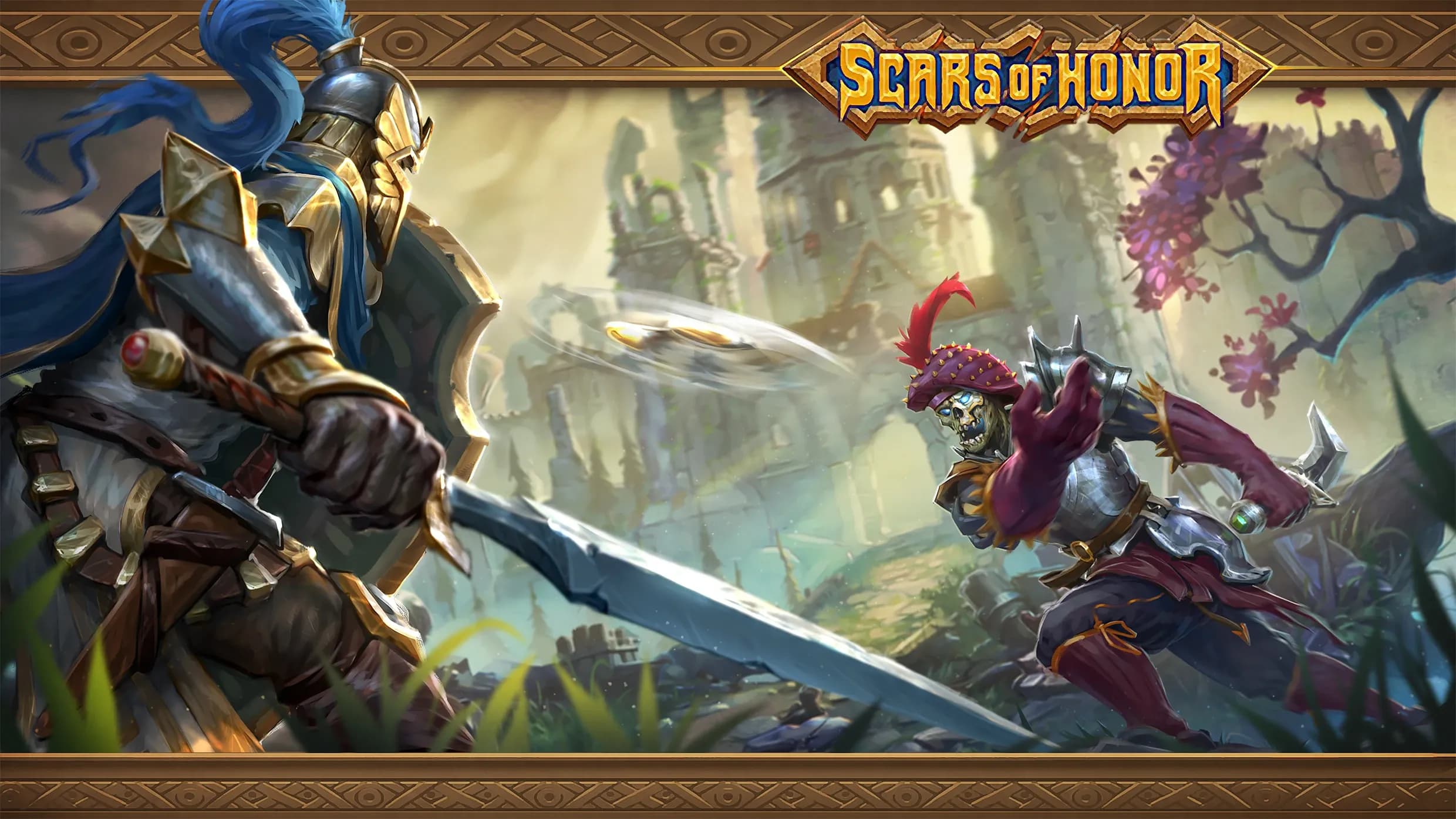
An ancient Ice Dragon is stirring in the frozen north of Aragon, dragging two long-standing rivals — the disciplined Sacred Order and the relentless Domination — toward open war. Scars of Honor puts p...
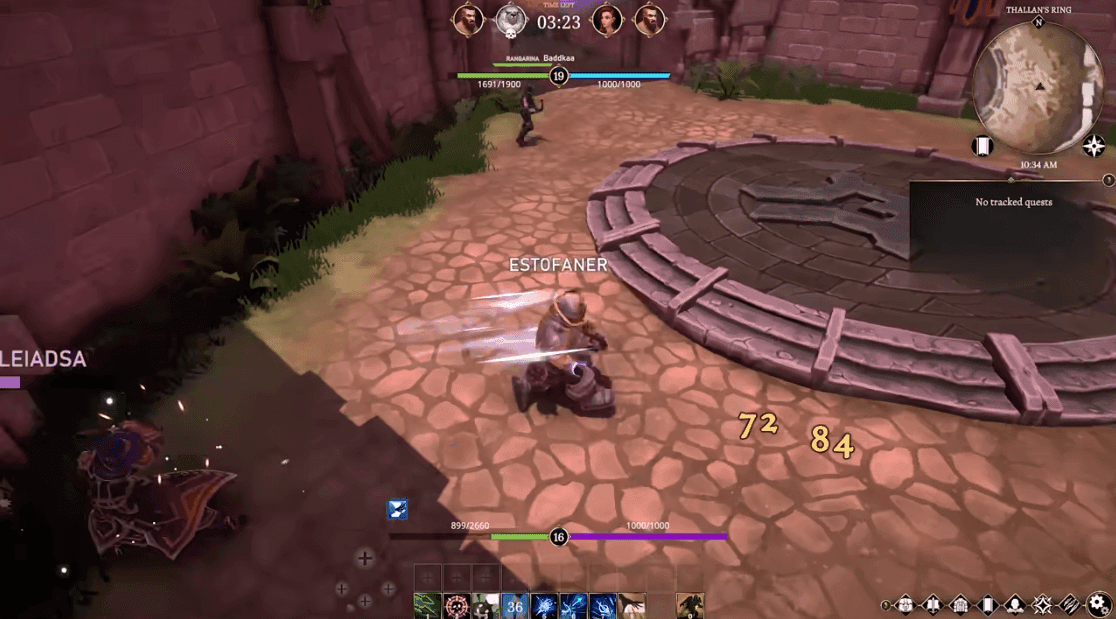
Scars of Honor is a free-to-play fantasy MMORPG in development at Beast Burst Entertainment, an independent Bulgarian studio that grew out of a personal project started by Venelin Vasilev more than four years ago and now employs a fully remote team of over 100 developers. It hasn't launched, and it isn't in Early Access yet — what exists right now is a series of public technical playtests, the largest of which ran on Steam from April 30 to May 11, 2026. This piece isn't a verdict on a finished product, then; it's an honest look at what the game has actually shown, what it's promising, and whether either is worth your attention while you wait.
The pitch is straightforward old-school fantasy: on the continent of Aragon, two alliances — the disciplined Sacred Order and the more ruthless Domination — are locked in a war for survival while an ancient Ice Dragon stirs somewhere in the frozen north. It's not a subtle setup, and it isn't meant to be. Beast Burst has been open about drawing on the genre's classic era for inspiration, and the two-faction structure, the war-torn map, and the looming apex threat all read like a studio building toward familiar MMO beats rather than reinventing the format. What little lore has surfaced so far exists to justify the faction split and give each race a reason to be standing where it stands, not to carry the game on its own.
Talk is cheap for an unreleased MMO, so it's worth being specific about what the most recent test covered rather than what the roadmap promises. The April 30–May 11 playtest opened with six playable races — Human, Dwarf, Infernal Demon, Undead, Bearan, and Gronthar — paired with four classes: Paladin, Mage, Ranger, and Druid. Players explored the region of Ondall's Fall, fought a handful of world bosses including one called the Lord of Shadows, and tried three separate waves of PvP content. Dungeons were deliberately left out of this particular build; Beast Burst has said that's coming in a future test focused specifically on that content.
The numbers around the test are the most concrete thing anyone outside the studio has to go on. Beast Burst reported that over 210,000 people requested access, and a later recap put total mob kills during the window at 2.4 million, with Humans the most-picked race and Mages the most-played class. A community poll the studio ran afterward found players split on what they actually want out of the game: 40% called themselves raid-focused perfectionists, 19% said they were drawn to slower, cozier crafting and life-skilling, and 18% wanted empire-building on top of it all — a spread that suggests the eventual playerbase, if it materializes, won't be chasing one single kind of content.
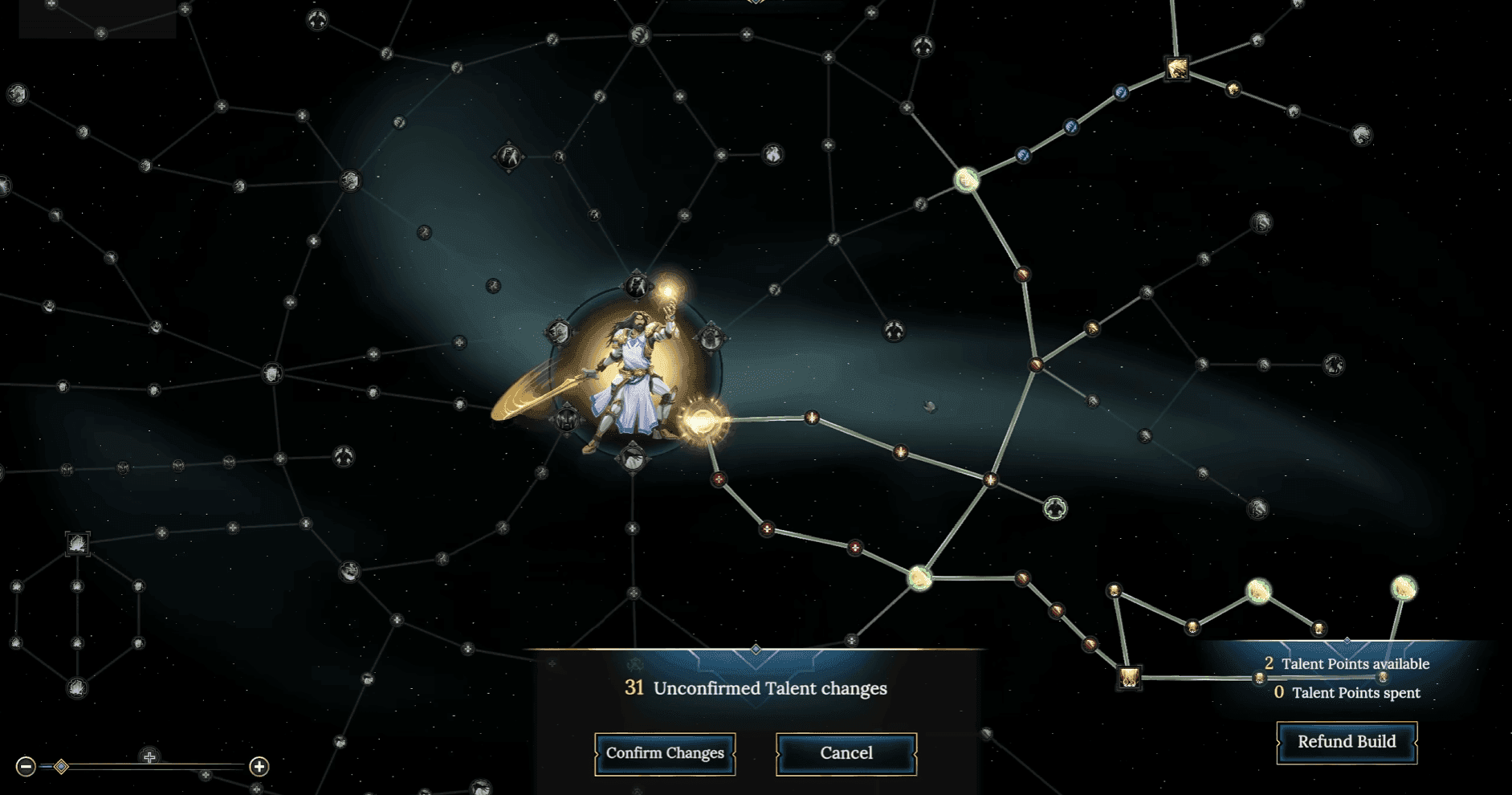
The full vision, per Beast Burst's own materials, is larger than what's been tested: eight races and ten classes are the long-stated ambition, though scope on a project like this tends to move, and the six-and-four lineup from April is the only version anyone has hands-on experience with today. Character building runs on two layers. The first is a talent tree — Beast Burst cites over 240 talents per class — which is the familiar knob-turning most MMO players already know how to use. The second is the game's actual namesake mechanic: Scars, permanent marks a character can earn that don't just buff a stat but restructure how a class's abilities function. Beast Burst's own framing is that a Scar should change your playstyle, not just your numbers, which if it holds up in practice would put it closer to a build-defining relic system than a simple passive.
None of that is verified at scale yet. Talent trees and Scars both existed in the April build, but outside impressions of that test — MeinMMO's coverage in particular — described the skill trees as leaning heavily on passive bonuses that were hard to feel moment to moment, which is a fairly normal complaint for an early alpha and also exactly the kind of thing a studio would need to fix before the mechanic can carry the weight Beast Burst wants it to.
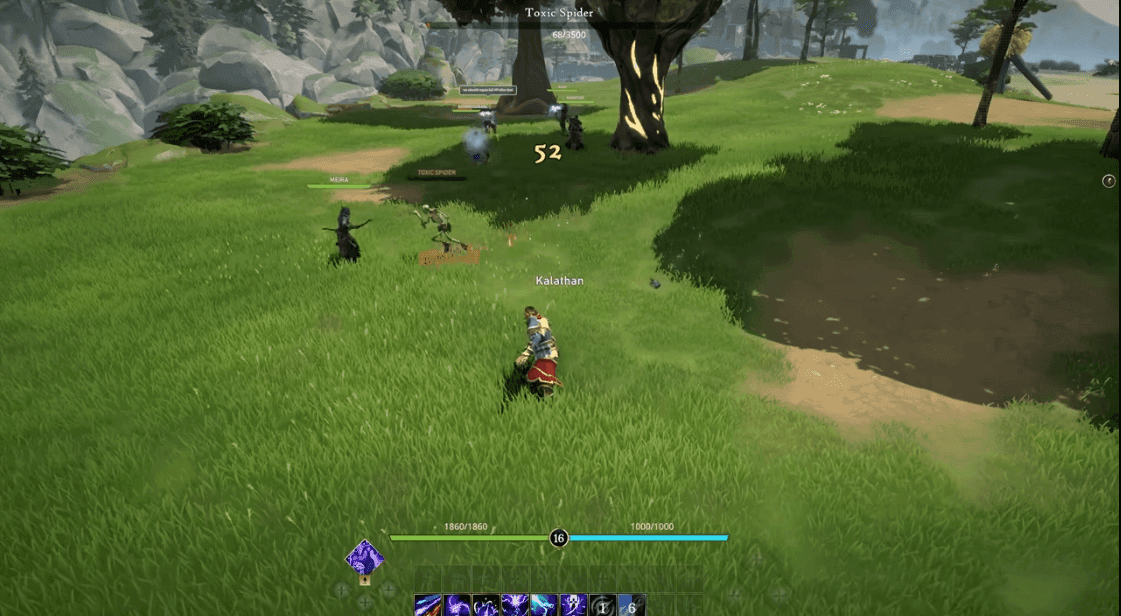
Beast Burst describes its combat as rewarding positioning, timing, and reaction over rotation memorization — active abilities you react with rather than a queue you execute on autopilot. That's the stated design goal. The lived impressions from the April test were mixed on whether it's there yet: reports described early hit feedback as minimal, and several outlets flagged that low-level enemies felt disproportionately punishing for a starting zone, the kind of tuning problem that reads as unfinished rather than intentionally hard. Worth remembering that this was explicitly labeled a technical alpha, not a preview build meant to sell anyone on the combat feel — the studio's own follow-up messaging leaned into that distinction, thanking players for finding the rough edges rather than pretending they weren't there.
The single idea in Scars of Honor's PvE pitch that isn't just a genre standard is the Evershifting Dungeons — procedurally generated instances where layout, encounters, and modifiers change between runs instead of settling into the same memorized pull order after a handful of clears. It's a real answer to a real problem: dungeon fatigue is one of the most common complaints leveled at themepark MMOs a few months after launch, and building variation into the instance itself rather than bolting on a weekly modifier is a more structural fix than most competitors attempt. The catch is that dungeons weren't part of the April test at all, so the Evershifting system exists right now as a described feature and a handful of dev-diary clips rather than something the public has put hands on. World bosses and campaign-style progression toward a level cap are also planned, following a fairly conventional themepark shape once dungeons and raids are layered in.
The tested PvP slice covered Arenas and 5v5 Battlegrounds running on equalized gear, a structure meant to put teamwork and decision-making ahead of whoever logged the most farming hours — a deliberate design choice, and one that would meaningfully soften the gear-gap problem that plagues PvP in most gear-progression MMOs if it holds at scale. Beast Burst's longer-term materials have also floated larger-scale faction warfare and guild-versus-guild content built around the Sacred Order/Domination split, though none of that has appeared in a public build yet, and it's fair to treat it as intention rather than confirmed content until it does.
Beast Burst's December 2025 showcase specifically promised a first look at crafting and cooking systems alongside the PvE update, describing "meaningful crafting" as part of the core loop rather than a side activity. Specifics on recipes, gathering nodes, or how deep the profession system actually runs haven't been demonstrated publicly in a way that lets anyone evaluate them yet, so this is one of the larger question marks in the current picture — a stated pillar of the game with essentially no hands-on evidence behind it so far.
Social systems are central to the pitch — Beast Burst has repeatedly described the game as built around parties and guilds rather than solo play, with guild structure expected to gate a meaningful share of endgame content once it exists. More unusual is how openly the studio has tied its actual development process to its player base: a community initiative called FirstWatch is currently recruiting volunteers to test individual features, sit in on developer interviews, and give structured feedback outside the big public playtest windows. It's a genuinely community-driven approach to building an MMO, for better and worse — it means player feedback has real influence, and it also means a lot of what gets built is being built and rebuilt in public, in front of an audience that's already watched this project take five years to get here.
On paper, no. Beast Burst has been consistent for years that the finished game will launch free-to-play with a cosmetics-only cash shop and zero pay-to-win items, and the studio walked back an earlier setup that required a paid subscription for continuous access to its 24/7 test server, discontinuing that model in mid-2025 in favor of free, scheduled playtest windows like the one in April. That's a meaningful, verifiable step in the direction they've promised, and it's worth crediting. The caveat is that none of this is a live monetization model being stress-tested against real players spending real money at scale — it's a stated policy on an unreleased game, and stated policies on unreleased MMOs have a well-documented habit of drifting once a studio needs revenue to keep the lights on.
It would be an incomplete picture to skip the bumps. A 2024 Kickstarter campaign aiming for $200,000 closed having raised roughly $34,000 from 261 backers, well short of its goal, following a stretch where the studio's own community described communication as sparse. Beast Burst had already secured about $2.5 million in outside investment by that point and continued development regardless, but the failed campaign, combined with a development timeline now past the five-year mark, has left a portion of the MMO community openly skeptical — skepticism that isn't unique to this project but isn't unfounded either, given how many crowdfunded MMOs never cross the finish line. The April playtest didn't fully quiet that skepticism: outside coverage described it as feeling rough enough that at least one outlet cautioned against expecting anything close to a 2026 launch, and Beast Burst's own follow-up messages to the community were candid that the game and servers weren't ready for the scale of interest they got. None of this amounts to evidence of bad faith — the studio's response to a bad test was transparency rather than silence, which is the harder and more credible path to take. But it's a fair reason to treat every future date on this project as provisional until a build proves otherwise.
So where does that leave someone deciding whether to care about this one? If you want a finished game to judge, there isn't one yet, and nothing here should be read as a recommendation to spend money or serious time on Scars of Honor today — there's no retail product to spend either on. If instead you're the kind of MMO player who tracks projects years out, the ingredients are at least more interesting than most: a procedurally shifting dungeon system tackling a genuinely stale genre problem, a permanent-modification mechanic with real design ambition behind it, and a studio that responds to a bad playtest by publishing the ugly numbers instead of a highlight reel. Is that enough to outweigh a missed funding goal, a five-year runway, and a first public test that landed closer to rough than promising? That depends on how much patience you have left for MMOs that ask you to believe in a roadmap. Wishlist it if the idea intrigues you and you're willing to wait through more playtests to see if the execution catches up to the pitch. Spend nothing and expect nothing until it does.