 F2P · Live
Lineage 2 Essence
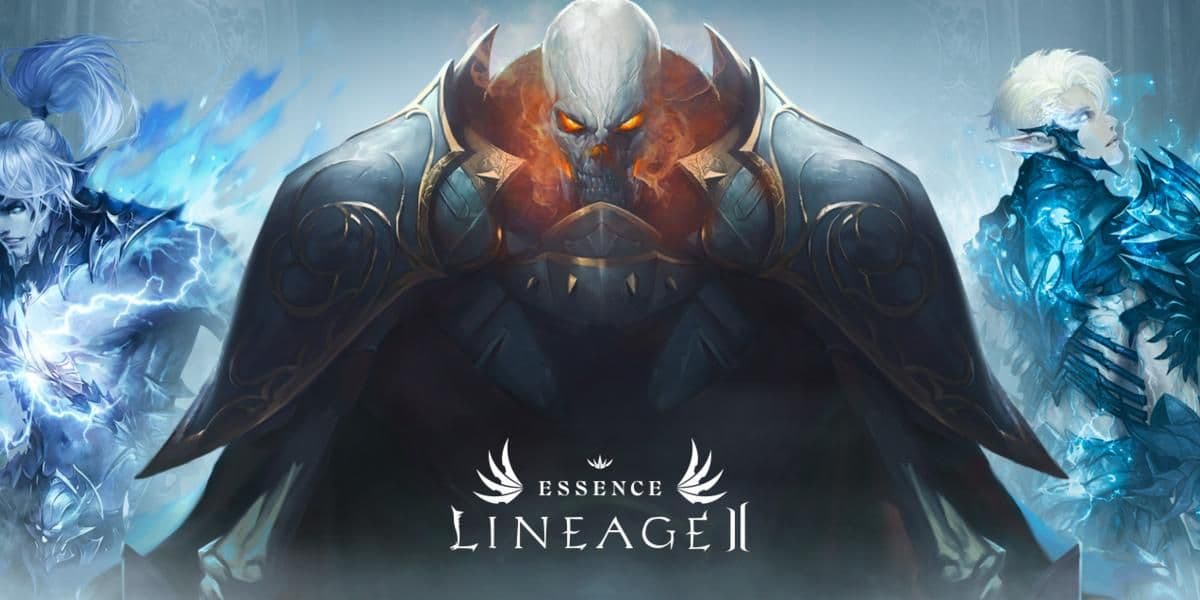
Lineage 2 Essence is NCSoft's free-to-play take on the classic Korean MMORPG Lineage II, built around faster…
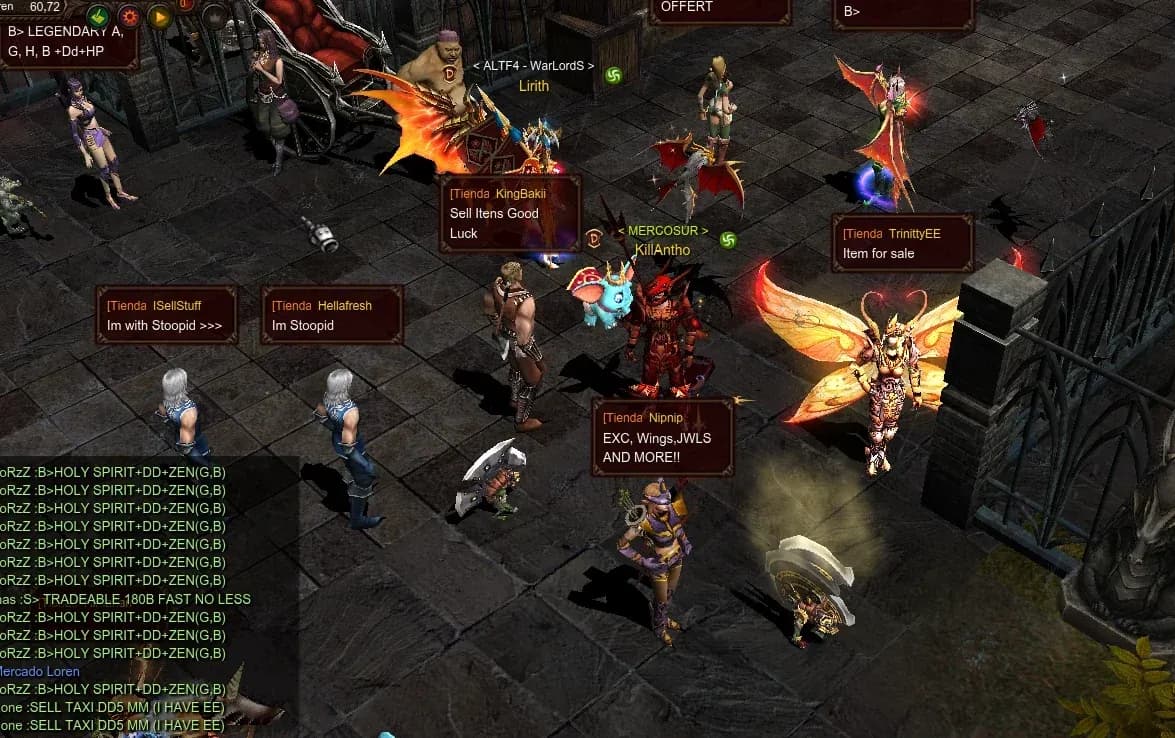
MU Online is a South Korean isometric MMORPG from Webzen, first launched in 2001 and still receiving seasonal content updates today. Its defining feature is the reset system, where a character's real ...
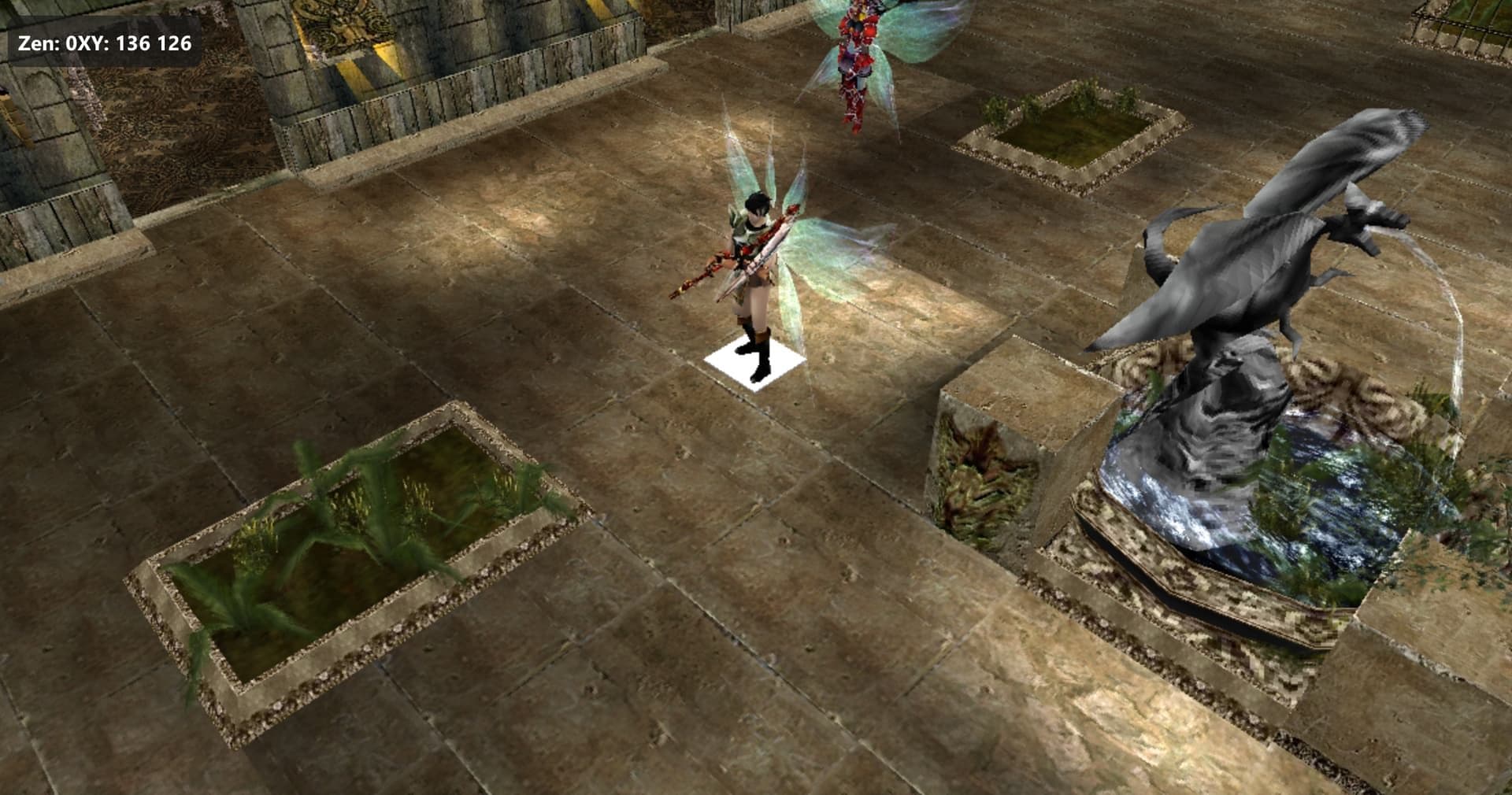
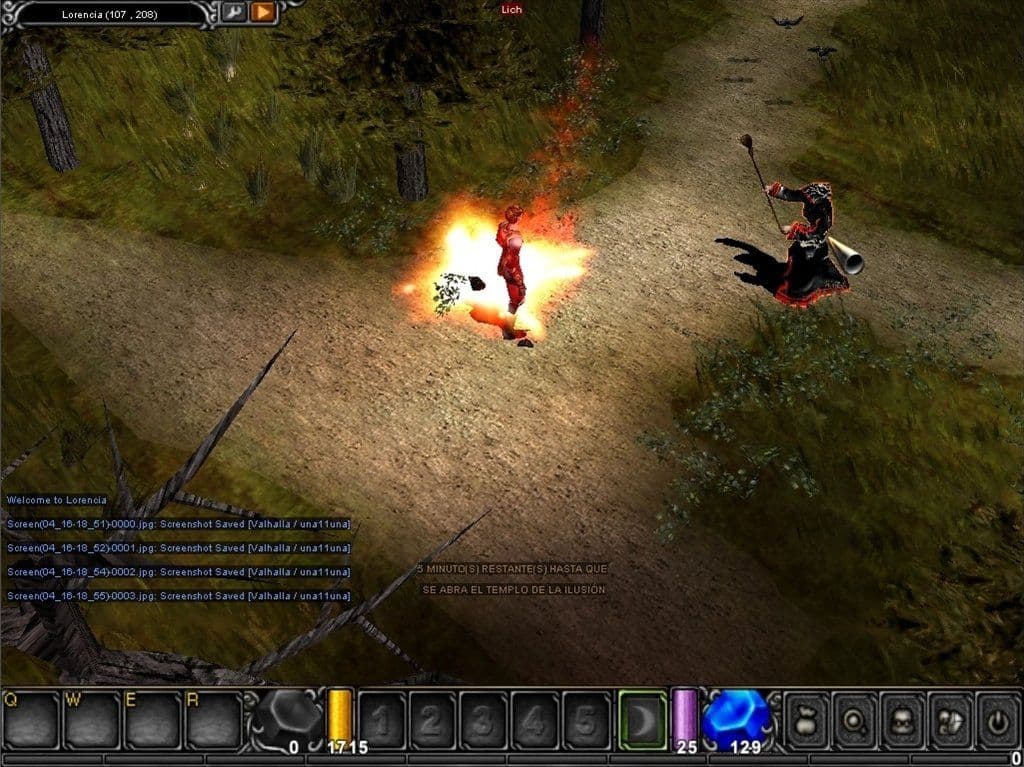
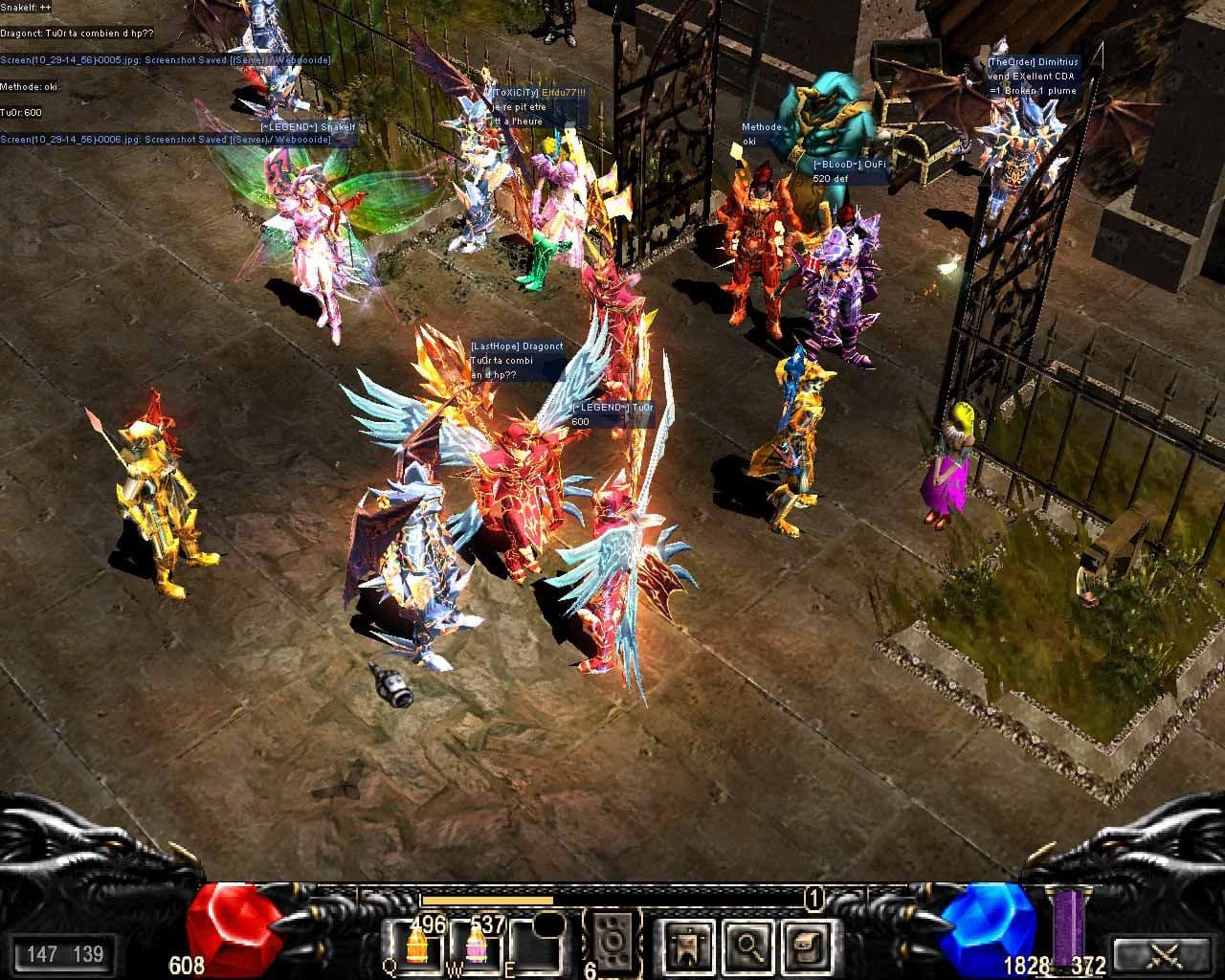
MU Online is a South Korean isometric MMORPG developed and published by Webzen, released in December 2001 and still under active seasonal development a quarter-century later. It was one of the first Korean MMORPGs to go global, launching an international client back in 2003, and today runs alongside an enormous ecosystem of unofficial private servers that many Western and Eastern European players know better than the official version. Webzen pushed a major combat rework for five classes in the first half of 2026 and opened a pre-event for a second rework covering four more classes in September, keeping the two-decade-old game on an active content cadence rather than letting it coast on nostalgia.
The lore is thin by design: the Kundun race once ruled the continent of MU until dark forces shattered their realm, and every player character exists to fight what remains of that catastrophe. There are no cutscenes or dialogue trees carrying the story forward — it surfaces mostly through zone names and item flavor text. What matters more is geography built for hunting: Lorencia is the starting hub, a quiet trading town ringed by goblin and skeleton camps, and from there the map fans out through snowy Noria, desert Davias, volcanic Aida, and dozens of later zones tuned to specific level brackets. It reads as open world on paper — zones connect through transitions rather than loading corridors — but it plays like a theme park, where the only reason to visit a given map is the loot table attached to it.
A separate layer of scheduled events breaks up that routine. Golden Invasion drops gold-tinted monsters with inflated drop rates onto ordinary hunting maps, and whoever's nearby piles on regardless of party or guild lines. White Wizard Invasion briefly turns a peaceful zone into a warzone against an invading mage and his retinue, and the winter Crywolf event tests whether the server can collectively hold back a wolf assault on a besieged settlement. None of it advances the thin lore directly, but these events are the closest MU Online gets to a genuinely crowded map, with dozens of players converging on the same handful of spawns at once.
A newcomer starts on Lorencia's town square with a rusty sword or a plain staff and a marker pointing toward the nearest hunting ground. Combat runs entirely on point-and-click: click a monster, the character walks over and swings, skills sit on hotbar slots triggered by click or key. There's no manual dodging or aiming to learn — the skill expression lives in target priority, skill sequencing, and where you stand relative to a pack of mobs, not in reflexes. The loop is blunt and readable within minutes: kill goblins outside the gate, sell the junk drops to a vendor, buy potions, move to a harder map once the current one stops paying experience. Grouping pays off early — shared loot and shared risk make party hunting the default rather than the exception — and the first mount, a wolf called Fenrir, doesn't arrive until well into the leveling curve, at which point it meaningfully speeds up map traversal.
Character creation offers fifteen playable classes, from the original Dark Knight, Dark Wizard, and Fairy Elf to later additions like Rune Mage, Slayer, Gun Crusher, and Alchemist. Two of them, Magic Gladiator and Dark Lord, don't appear on the starting roster at all — they unlock at a level threshold or through a purchased character card. Roles land where you'd expect: Dark Knight tanks and swings melee, Dark Wizard clears packs with area magic, Fairy Elf buffs and off-heals a party while chipping in ranged damage, Dark Lord commands summoned creatures and leads guild fights from the back line.
Progression runs through class changes rather than a talent tree. A base character quests toward a second form with a new skill kit and a visual overhaul, then a third that unlocks wings and heavier gear, and in later seasons a fourth on top of that. Each jump is a real power ceiling raise, not cosmetics — wings simply can't be equipped before the third change. Wings themselves are forged at the Chaos Machine, an altar where a set of ingredients and a Jewel of Chaos go in and a percentage roll decides whether they come out or burn. A newer late-game layer, Pentagrams and their socketed Errtel stones, adds elemental damage scaling on top of wings and gear sets and gates access to the Arca War maps — one more system stacked above the ones a fresh character already has to climb through.
Not in the way modern action combat uses the term. There's no aiming reticle, no dodge roll, no cooldown-juggling rotation to master by hand — MU Online's skill expression sits in build planning, target selection, and knowing which map and which reset count your character can actually survive. A veteran with fifty resets and modest gear will still out-fight a fresh level-400 character with none, because raw stat accumulation from repeated resets outweighs a few hundred levels every time. That's a deliberate trade: the game asks for patience and planning rather than mechanical execution, and readers coming from a Souls-like or a modern shooter-adjacent MMO should adjust expectations accordingly before installing the client.
Ask a veteran what actually matters in MU Online and the level number barely comes up — resets do. Once a character hits the level cap, resetting sends it back to level 1 in exchange for a fixed stat-point allowance and a permanent bonus to base stats that stacks with every subsequent reset. A character with fifty resets is nominally weaker by level than a fresh level-cap character, but clears the same maps in minutes instead of hours and wins almost any straight fight between the two. Grand Reset sits above that as a reset for the reset counter itself, unlocked after accumulating enough regular resets and adding yet another layer of permanent bonuses on top.
This is the number veterans actually compare when sizing each other up, and it's also the mechanism the entire server economy orbits: Jewel of Bless and Jewel of Soul, needed to enhance gear, climb in price precisely as players gear up for the next reset run. A newcomer skimming a wiki page might reasonably assume level is the measure of progress here — it's the trap the whole design is built around, and understanding that early saves a lot of wasted effort later.
The current top end of that ladder keeps moving. The Season 21-1 update added Sanctuary of Aquilas, a hunting ground gated behind Level 1,600, alongside a new Legendary gear tier reachable only by characters who've already stacked dozens of resets and cleared everything below it. For context, the level cap sat at 400 in MU Online's earliest seasons — the ladder hasn't just gotten longer over two decades, it's been rebuilt several times over to keep giving veterans somewhere further to climb.
Attacking another player is possible on almost any map at almost any time, but MU Online isn't a full-loot game — the self-defense system immediately grants the victim a window to kill the attacker without penalty. Push further and gun down unarmed low-levels repeatedly, and the game brands the character an Outlaw: reduced stats, town guards that attack on sight, and a name rendered in a warning color. It curbs random killing without eliminating it outright — on crowded hunting maps, spawn competition still boils over into fights that start as an accident and end as a standing grudge between two players who now recognize each other's name.
Castle Siege sits at the top of the social endgame: a weekly battle for control of Loren Deep castle. The holding guild fortifies the gates, staffs defensive structures, and guards the throne seal, while challenger guilds attack from multiple approaches simultaneously, racing to break through before the defenders regroup. Winning doesn't just grant bragging rights — the guild gets a week of reduced town taxes, access to a guild-exclusive dungeon, and materials toward legendary-tier weapons. Coordinating a siege without voice chat and a pre-assigned role structure is close to impossible; this plays out more like a planned operation than a spontaneous scrap, and text-only party and guild chat pushes most of that coordination onto an external Discord server, a noticeable gap against MMOs built in the last decade with voice baked into the client.
Below Castle Siege sit the game's instanced event maps: Devil Square throws waves of monsters at a fixed arena, Blood Castle races a group against a timer to smash a guarded statue, and Chaos Castle strips everyone down to a shrinking battlefield in a last-player-standing format — a battle royale structure MU Online was running years before that genre had a name. Kalima adds seven progressively harder dungeon floors gated behind a prerequisite quest, and Illusion Temple layers in timed platforming and mini-bosses on top of the usual combat checks, rewarding group speed as much as raw build strength.
There's no centralized auction house here — trading runs through direct player exchange or personal shop stalls set up on a character standing in Lorencia's market district, with buyers browsing storefronts on foot rather than searching a database. Zen, the base currency, inflates on any server that stays active for more than a few weeks, so jewels end up functioning as the real unit of account: Bless and Soul for gear enhancement, Chaos for Chaos Machine crafting, Life and Creation for rarer operations. Enhancing an item from +0 to +6 with Bless carries no failure risk; push beyond that and every attempt gambles the item itself, with a failed roll dropping it back to +0 — the exact moment where hours of accumulated farming can vanish in a single click.
Yes, in the parts of the game that matter most for long-term competitiveness. The client itself is free, and the cash shop sells convenience items like experience boosters and extra reset attempts — but it also sells randomized Mystery Boxes with a chance at the same rare gear and wings that free-to-play grinding takes weeks to farm. Everyone technically has the same odds, but a paying player pulls those odds far more often, and on a busy server the gap between a subscriber and a grinder becomes visible within the first two or three weeks. Early in a fresh season, when everyone starts from zero, the gap barely registers; the longer a server runs, the more the cash shop determines who tops the reset leaderboard rather than who put in the most hours.
The guild toolkit itself is basic — creation, invites, ranks — but everything that matters at endgame runs through one. A solo player can reach a third class change and clear ordinary hunting maps alone, but Castle Siege, major events, and world boss fights all require an organized roster. Guilds form standing alliances to defend a castle together, and territorial rivalries regularly stretch into multi-week wars decided by roster stability rather than any single skirmish. A guild that loses half its active members to a competing project mid-season rarely recovers its siege footing before the next reset cycle resets the balance of power anyway.
MU Online has survived nearly twenty-five years by refusing to modernize the parts of itself that would break the appeal for the players who never left. The reset ladder, the weekly Castle Siege, the gear-enhancement gamble at the Chaos Machine — none of it has been smoothed over for a newer audience, and that stubbornness is precisely what keeps a specific kind of MMO veteran logging back in season after season. The 2026 combat reworks show Webzen is still investing rather than milking a legacy license, which counts for something in a genre littered with abandoned Korean MMOs from the same era.
What it isn't is an easy recommendation for someone whose MMO diet started with modern action combat and expects mechanical depth in every fight; the depth here lives in planning a reset cycle and reading a market, not in dodging a boss telegraph. Anyone drawn to that kind of long-game patience, and willing to accept that a subscriber will always out-progress a free player at the margins, will find a genuinely deep system underneath the dated coat of paint.
Yes. The client, character creation, and leveling are all free, with a cash shop selling convenience items, cosmetics, and randomized gear boxes on top.
Open-world PvP is possible almost anywhere outside towns, backed by a self-defense system and an Outlaw penalty for repeat killers, alongside structured guild-versus-guild content like Castle Siege.
If reset-based long-term progression and organized guild warfare appeal to you, yes — Webzen is still actively updating the game. If you want fast mechanical combat, look elsewhere in the genre.
The official Global MU Online runs Webzen's own leveling rates, cash shop, and seasonal content. Private servers set their own experience rates, economies, and rules, and quality varies enormously between them.
Fifteen, though two — Magic Gladiator and Dark Lord — require reaching a level threshold or buying a character card before they can be created.