 F2P · Live
Lineage 2 Essence
Lineage 2 Essence is NCSoft's free-to-play take on the classic Korean MMORPG Lineage II, built around faster…
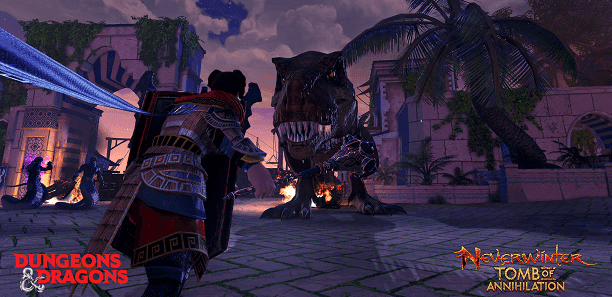
Pick a class, roll into the Forgotten Realms, and carve your name into Neverwinter's ever-expanding story — Cryptic Studios' free-to-play D&D MMORPG has been adding modules for over a decade. The late...
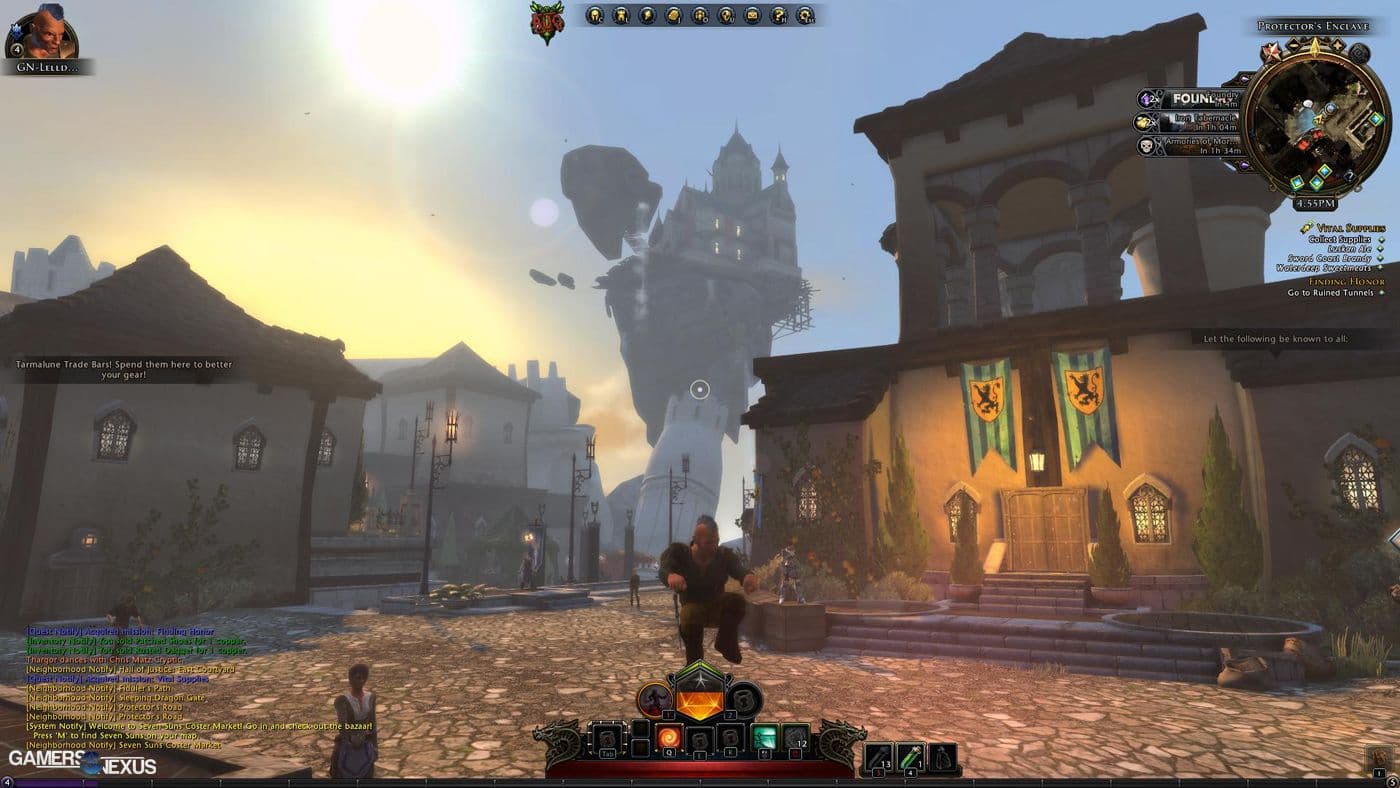
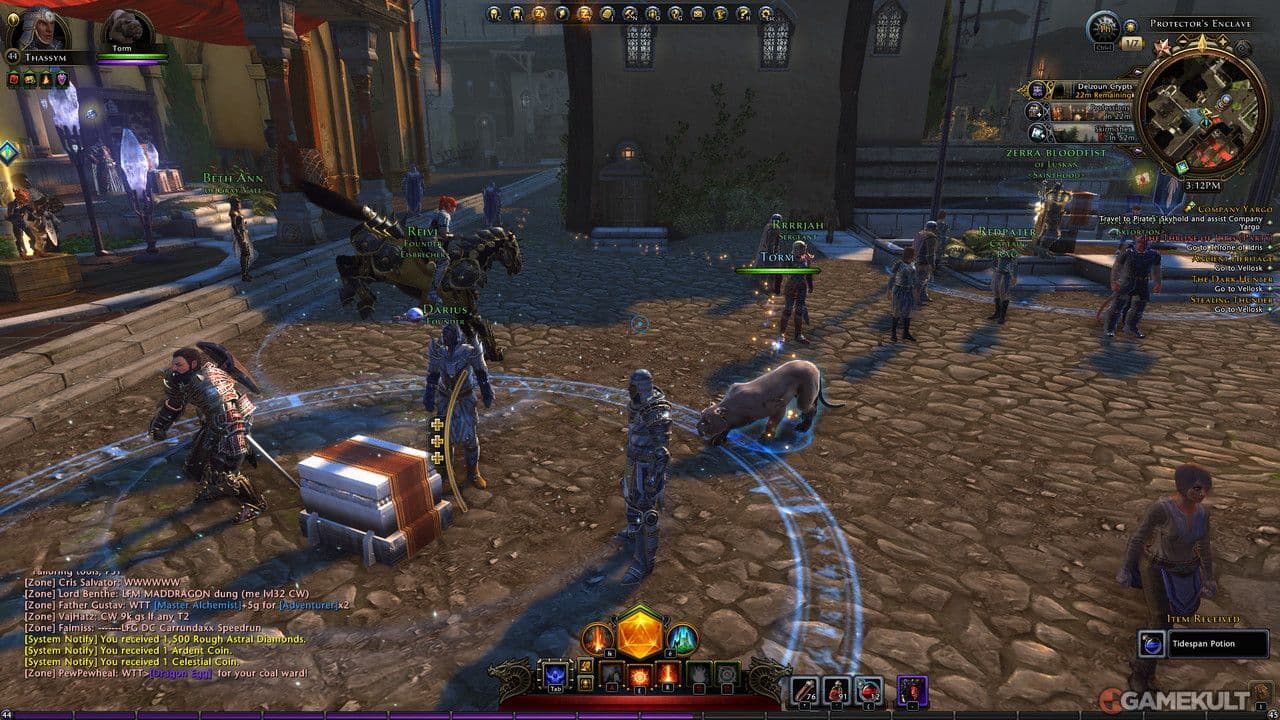
Neverwinter is a free-to-play action MMORPG developed by Cryptic Studios and published by Arc Games, built on the Forgotten Realms setting under license from Wizards of the Coast. It launched on PC in June 2013, expanded to Xbox One in 2015 and PlayStation 4 in 2016, and has been updated by a steady stream of content drops — called Modules — ever since; Module 33, subtitled Biting Cold, arrived in May 2026 and sent players into the frozen Reghed Edge north of Icewind Dale. Thirteen years is a long run for any live-service game, longer than most of the genre's mid-2010s crop managed, and this Neverwinter review looks at what's left standing after all that time.
The setting is doing a lot of heavy lifting here, and it knows it. Neverwinter draws directly from the Forgotten Realms novels and tabletop supplements, opening on the aftermath of the Lich Queen Valindra Shadowmantle's assault on the city and spiraling outward from there — through the Dread Ring, Icewind Dale, Undermountain, Barovia, Avernus, and now the icy edge of the Spine of the World. Long-running fans of the tabletop game will recognize names that carry real weight: Neverwinter's Vault, R.A. Salvatore's Drizzt storylines, and a cast of iconic villains rotating through as the main antagonist of each new campaign arc. Cutscenes are sparing and voice acting is inconsistent module to module, but the writing itself, particularly in newer content, leans harder into actual D&D lore than most licensed games bother to.
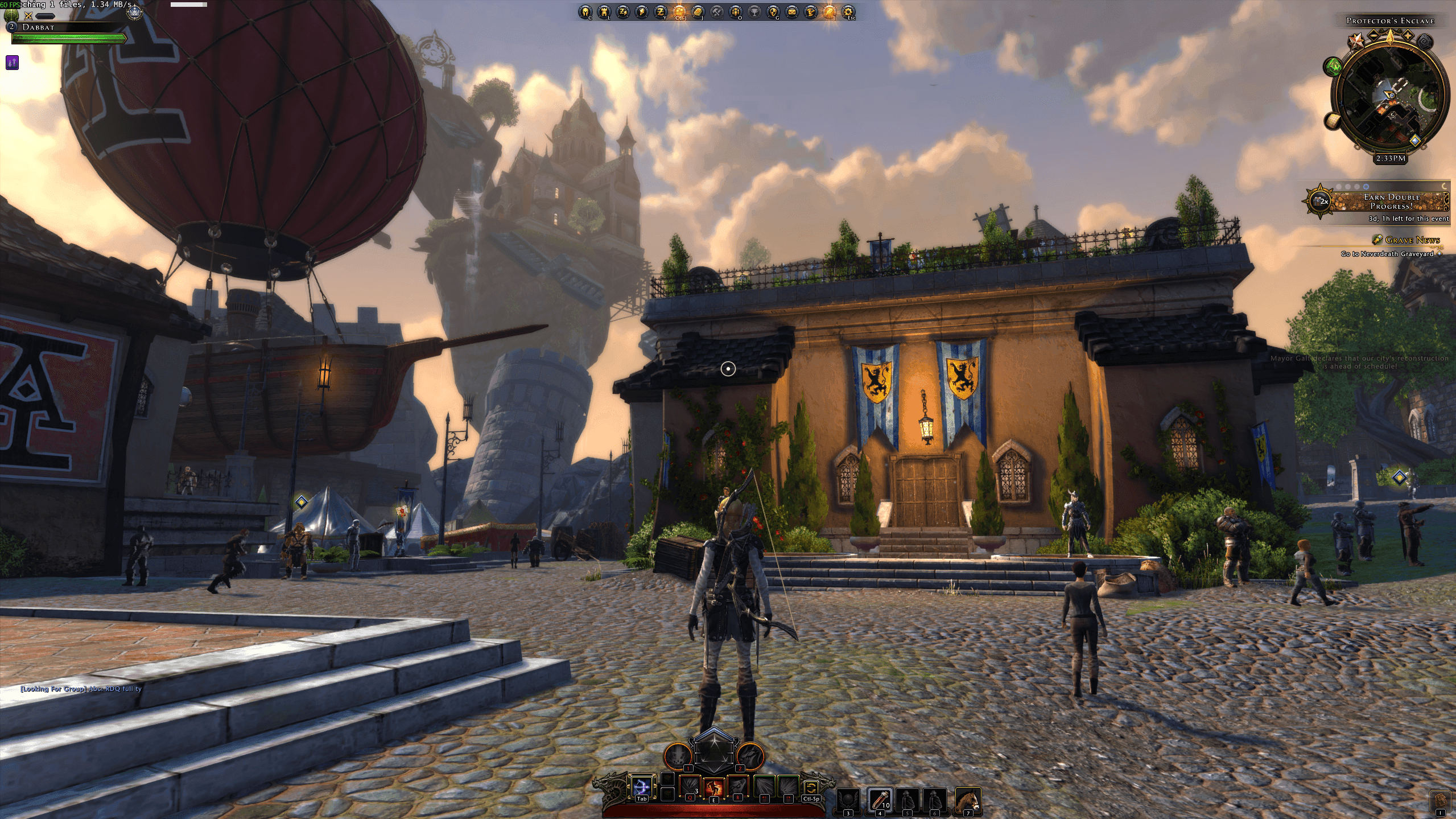
Visually, Neverwinter shows its age. It runs on Cryptic's in-house engine, the same one underpinning Star Trek Online and the now-defunct Champions Online, and character models, lighting, and environmental detail read as distinctly 2013-vintage even in the newest zones. That's not automatically a dealbreaker — the art direction leans into painterly, saturated fantasy rather than chasing photorealism, and the Reghed Edge's glacier fields and aurora-lit skies still land visually despite the dated tech underneath. But anyone coming in expecting Baldur's Gate 3-level fidelity because of the shared IP should recalibrate that expectation immediately.
Character creation asks two questions up front: race and class. There are eight playable classes — Fighter, Barbarian (formerly the Great Weapon Fighter), Paladin, Cleric, Wizard, Rogue, Ranger, Warlock, and Bard — and around a dozen playable races, each with small statistical bonuses that nudge a build in one direction or another. A Dwarf Fighter tanks more comfortably than a Half-Elf one; a Sun Elf Wizard pushes more control-resistant burst than a Tiefling of the same class. None of these choices lock you out of content, but veterans do optimize around them.
The opening hours put you through Neverwinter's tutorial island before dropping you into the starting campaign proper, and the early game is a straightforward hack-and-slash climb: clear a quest hub, kill named mobs, loot gear off their corpses, repeat until the next zone unlocks. Around level 8 the Professions system opens up through a quest called Workshop Opportunity, letting you assign a hired artisan to gather materials or craft gear passively while you keep questing — Neverwinter was one of the earlier F2P MMORPGs to make crafting something you queue up and walk away from rather than a second job. By level 20, most players have picked up their first companion, a pet-like ally that fights alongside you and can eventually be "summoned" for stat bonuses even when not actively fighting at your side, and by level 80 — the current level cap — you're funneled into the current-tier campaign, presently anchored around Biting Cold's Reghed Edge.
This is Neverwinter's real pitch, and thirteen years on it's still the thing that separates it from most of its competition. Combat has no tab-target lock; you aim manually, dodge with a directional roll or block, and land hits based on where your reticle actually is rather than a math check against a highlighted enemy. Every class carries a Tactical power that governs how it survives incoming damage — Fighters and Paladins block with a stamina-fed shield, Rogues and Bards roll clear of telegraphed attacks, Wizards and Clerics teleport out of danger entirely. Encounter powers sit on cooldowns, at-wills are free to spam, and a Daily power builds up on a resource meter and unloads for a big hit once it's full.
Each class also splits into two Paragon Paths once you clear the early campaign, and the split genuinely changes how the class plays rather than just tweaking numbers. A Cleric can go Devout for straightforward healing-over-time support, or Arbiter to trade most of that healing for solar-and-lunar burst damage instead. A Barbarian chooses between Blademaster's two-handed rage-fueled DPS and Sentinel's off-tank durability. The Paladin, added later than the original launch roster, is built as a genuine hybrid — Oathkeeper for healing, Justicar for tanking — and remains one of the more forgiving classes for a first character precisely because it survives its own mistakes.
The honest caveat: none of this is deep in the way a true action game asks you to be deep. Rotations settle into a memorized sequence fairly fast, and endgame difficulty is gated more by gear score and enchantment tiers than by mechanical skill expression. Where the system earns its keep is in feel — dodging a boss telegraph a half-second before it lands still produces a small jolt of satisfaction that tab-target MMORPGs from the same era never bothered chasing.
Gear in Neverwinter isn't just about the number on the item — it's a chassis for enchantment slots, and filling those slots is where most of the game's grind actually lives. Runestones and enchantments socket into weapons, armor, and offense/defense/utility slots, each upgraded by feeding it lesser enchantments and Refinement Points, with the highest tiers requiring a Coalescent Ward to guarantee the upgrade doesn't fail outright. Companions layer another system on top: you collect them from campaigns, the Zen store, and lockboxes, level them like a second character, and equip the strongest few as an active fighting pet plus a passive "summoned" bonus stat stack from the rest of your roster.
None of this is explained particularly well inside the client itself — Neverwinter has always assumed a wiki-literate playerbase, and thirteen years of accumulated systems have made that assumption more true, not less. A brand-new player in 2026 is going to lean on a community guide sooner or later, probably sooner.
Group content scales from five-player dungeons up through ten-player trials, and the current top of the ladder sits in and around Biting Cold's Jotunskar dungeon — a three-boss frost giant gauntlet offered in Normal, Advanced, and Master difficulties, with a lethal environmental Death Pit mechanic that punishes careless positioning regardless of gear level. The Reghed Edge adventure zone surrounding it adds six Heroic Encounters, group-scaled world events that spawn on a timer and reward players for simply being in the area when one pops, plus an Encroaching Frost zone mechanic that periodically forces everyone to find shelter or eat sustained damage — a small but effective way of making open-world time feel alive rather than like empty travel between quest markers.
Older content hasn't vanished, either. Undermountain's sprawling dungeon crawl, the vampiric court of Barovia, and the infernal war-front of Avernus remain fully playable campaigns, each gating its own gear track and story beats behind completion. That backlog is simultaneously Neverwinter's strength and its structural problem: there's a genuinely enormous amount of content available for a returning or new player to chew through, but very little of it beyond the current module matters for endgame progression, which leaves a lot of well-built zones functioning as scenic hallways on the way to the current cap.
PvP in Neverwinter centers on Domination, a capture-and-hold mode where two five-player teams fight over control points on a map, with kills and node control both feeding the win condition. It's serviceable rather than celebrated — Cryptic's own patch priorities have leaned toward PvE content for years, and the PvP population reflects that, with queue times that stretch during off-peak hours and a metagame dominated by whichever class received the most recent balance pass. Guilds with a Stronghold — the game's guild-hall system — can also engage in structured guild-versus-guild siege content, though it's a smaller and more niche draw than the PvE campaign treadmill that most of the playerbase actually logs in for.
Strongholds function as Neverwinter's guild-hall system: a shared base that levels up through member donations of resources and Astral Diamonds, unlocking buffs, crafting stations, and cosmetic upgrades for the whole guild as it grows. A well-run, active guild noticeably outpaces a solo player's access to Masterwork professions and guild-boon buffs, which makes guild membership something closer to a soft requirement at the higher end than an optional social layer.
Astral Diamonds are the game's earned currency, converted from Refinement Points gathered through normal play, and they're the backbone of Neverwinter's Auction House economy — the primary way players actually trade with each other, since direct player-to-player gifting of currency isn't supported. Coalescent Wards, companion upgrades, inventory expansion, and endgame consumables are all priced in AD, and a dedicated free player can grind toward all of it. The catch is patience: converting earned AD into Zen, the premium currency, runs through a capped daily exchange that can take the better part of a year to move a meaningful sum, which is either a fair trade-off for time or a slow-motion tax depending on how much you value your evenings.
Let's answer the search query directly: is Neverwinter pay to win? Not in the way a gacha RPG is, but the monetization has a real edge to it. The Zen store sells companions, mounts, inventory space, and a VIP subscription tier that speeds up nearly everything — faster travel, discounted Auction House fees, a daily lockbox key. Lockboxes themselves are Neverwinter's most criticized system: they drop constantly during normal play, the game broadcasts server-wide whenever someone opens a top-tier item from one, and actually opening them requires keys bought with Zen or earned slowly through VIP. Community sentiment on this point is blunt and consistent — the boxes are engineered to be seen far more often than they're opened, and the odds inside them are not published.
The fairer half of the picture is that almost nothing purchasable from the Zen store is required to clear current content. Enchantments, gear, and companions available through cash shop purchase can all be earned through play and the Auction House instead, just more slowly, and veteran players routinely report reaching VIP and top-tier gear entirely through the AD-to-Zen exchange without ever depositing real money. It's pay-for-convenience layered over a genuinely free game, with a gambling mechanic bolted on top that deserves the skepticism it gets. Players prone to impulse spending or loot-box compulsion should give the Zen store a wide berth; everyone else can treat it as optional friction rather than a wall.
Steam's English-language review score currently sits at Mostly Positive across nearly 19,000 reviews, with recent 30-day sentiment landing at Mixed — a gap that tracks with a pattern common to long-running live-service MMORPGs, where the lifetime audience remembers a game more fondly than the players logged in for this week's specific balance pass or lockbox event actually feel. Critic reception at launch was considerably warmer than the current community mood, with outlets at the time praising the fast combat and the density of Forgotten Realms content on offer. Community discussion around Module 33 has focused less on whether the game is worth playing and more on whether Cryptic's promised communication improvements for 2026 will actually materialize, which is itself a sign of a playerbase invested enough to still be arguing about the details.
Picture an old stone keep that's been rebuilt so many times the foundation barely resembles the original blueprint — new towers bolted onto old walls, a moat that was clearly an afterthought, patches of fresh mortar next to stone worn smooth by a decade of weather. That's Neverwinter in 2026: structurally strange in places, openly showing its age in others, but still standing, still defended, and still worth walking through if you've got a taste for Forgotten Realms lore and a combat system that asks your hands to actually do something. It won't win over anyone chasing modern production values, and the Zen store will test the patience of anyone allergic to lockbox psychology. But for a free download with genuine D&D pedigree behind it, Biting Cold is as good a moment as any to see whether that old keep still has a room worth staying in.