 F2P · Live
Lineage 2 Essence
Lineage 2 Essence is NCSoft's free-to-play take on the classic Korean MMORPG Lineage II, built around faster…
Legend of YMIR casts you as an Einherjar, a reincarnated warrior caught in an endless cycle of Ragnarok on a frost-and-fire version of the Norse cosmos. Choose from six classes, automate the grind, fo...
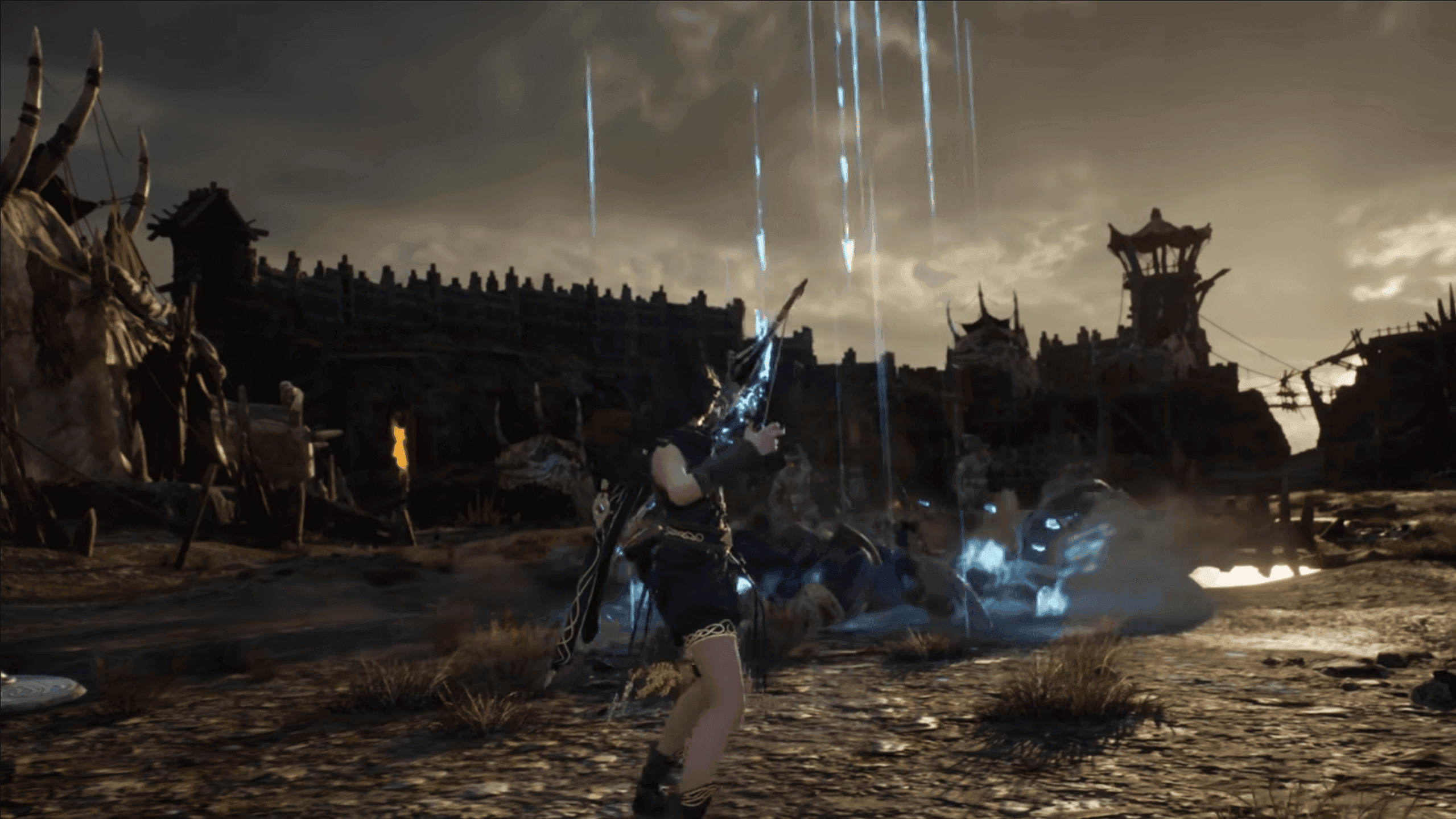
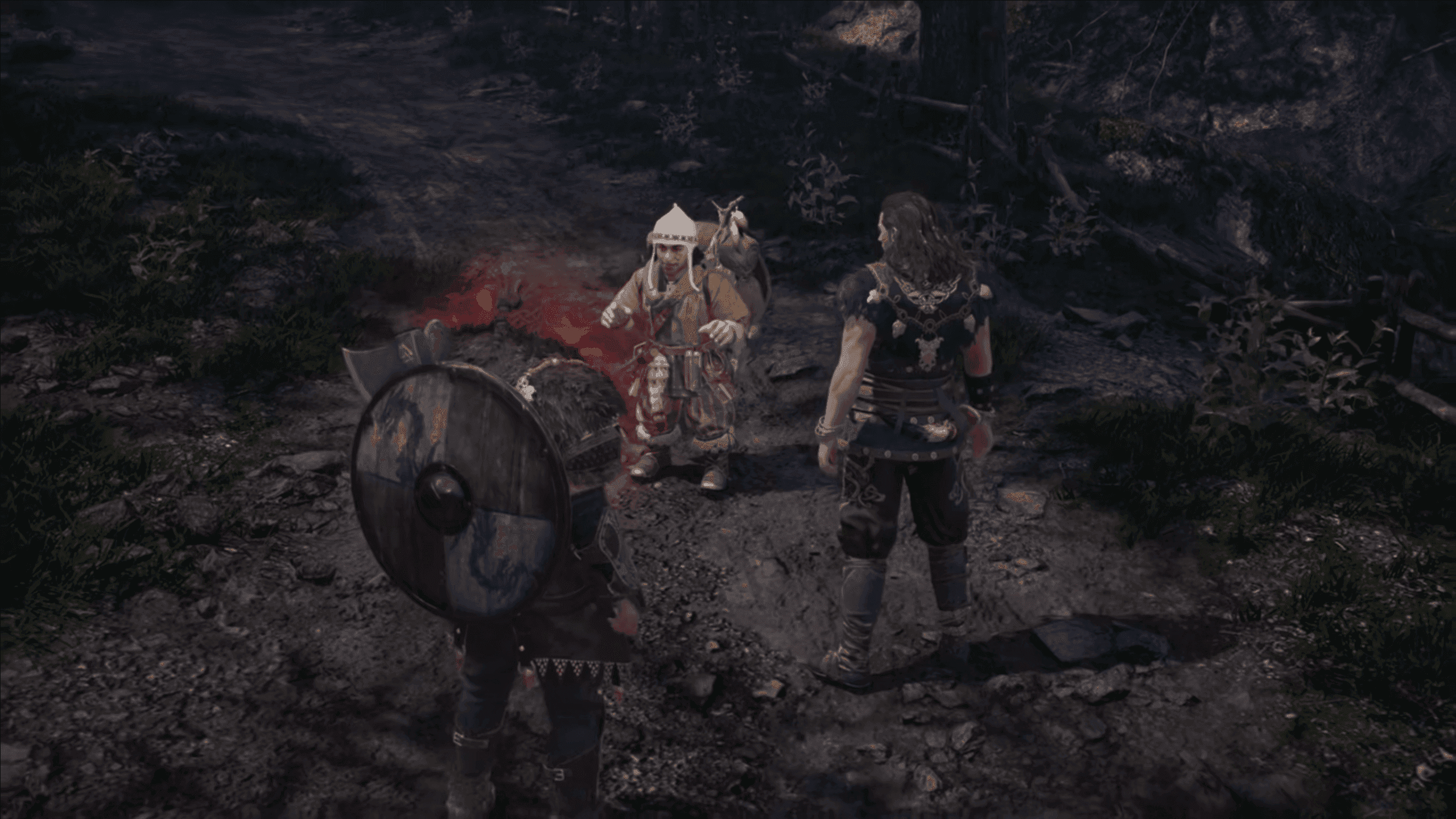
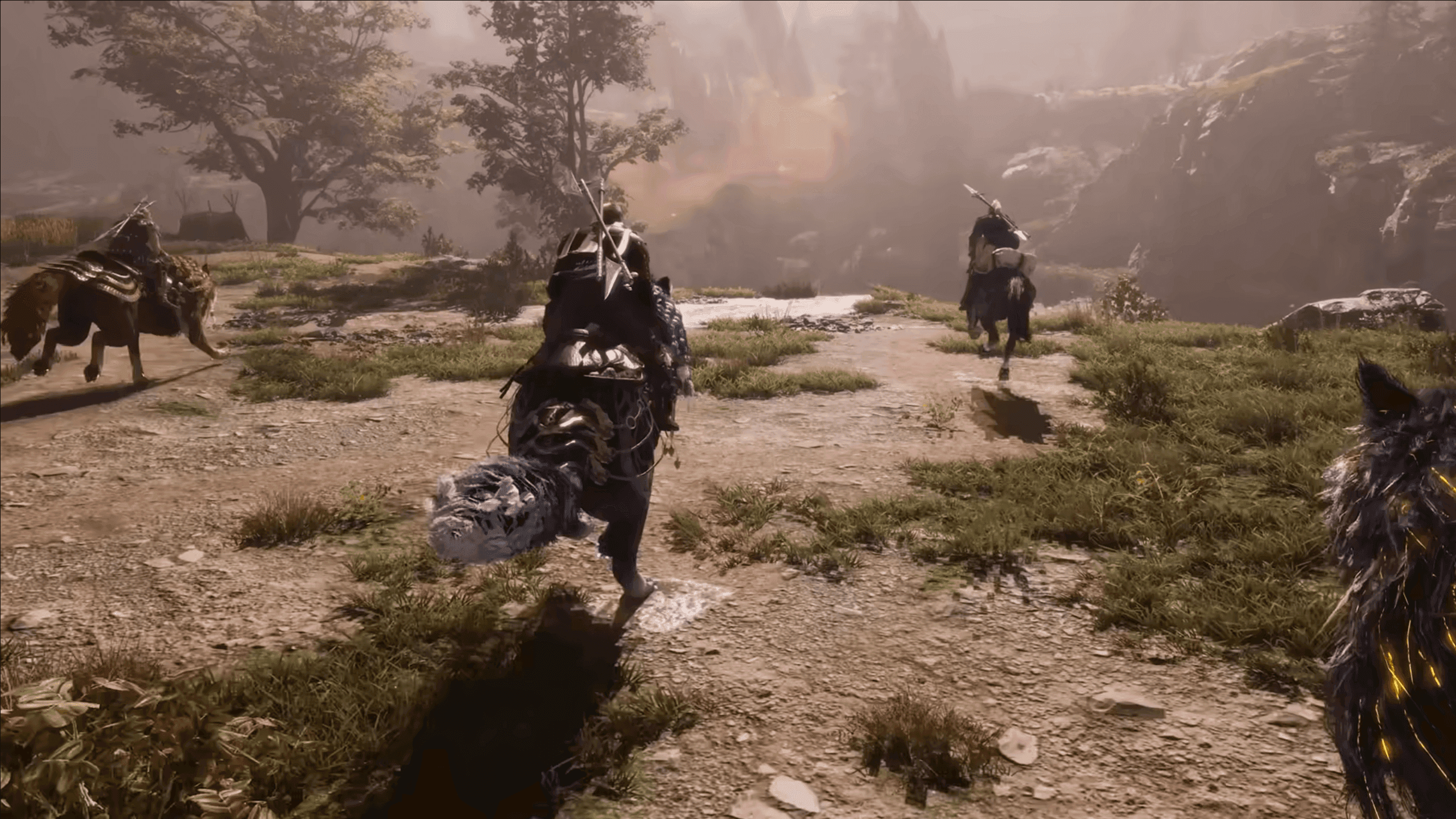
Legend of YMIR is a Norse-mythology MMORPG developed by Wemade XR and published by Wemade, built on Unreal Engine 5. It launched in South Korea on February 20, 2025, went live globally on mobile and PC on October 28, 2025, and arrived on Steam on April 4, 2026, alongside a new playable class and a growing esports push. What makes it worth a closer look isn't just the production values — it's that talking to a brand-new player and a three-month veteran about this game gets you two noticeably different answers about whether it's worth your time.
Legend of YMIR frames its world around a Ragnarok that never quite finishes — a cycle the gods keep losing and the world keeps surviving anyway. You play an Einherjar, a warrior pulled back from death to fight through that cycle one more time, waking up at the Hill of Bifrost under the guidance of two mentor figures, Sigurd and Sigrun, who walk you through your first steps with Aether, the game's stand-in for mana and combat resource. Wemade has described the project as a reinterpretation of its long-running MIR series dressed in Norse clothing rather than a ground-up mythology adaptation, and that lineage shows: the bones of the game are a familiar Korean MMO skeleton, and the Norse setting is the skin stretched over it. That's not necessarily a knock — giants, valkyries, and runic magic give the art team plenty to work with, and the environments lean into it with frost-choked ruins, longhouses, and skyline-scale god-statues that Unreal Engine 5 renders with real weight.
Character models get particular attention here: Wemade brought in a third-party studio to body-scan real performers and translate those scans into the base meshes for several playable races, which is part of why the cast reads as unusually grounded for a fantasy MMORPG rather than leaning on the exaggerated proportions common to the genre. It's a small production detail, but it's consistent with a game that's clearly chasing a broader, more mainstream-facing audience than the average K-MMORPG aims for — a strategy that lines up with the Steam launch and the console-adjacent marketing built around the YMIR Cup.
Install the game fresh and the pitch is easy to like. Character creation funnels you into one of six classes — more on those shortly — and the early hours move fast, because Legend of YMIR leans hard on what Wemade calls Smart Automation: quest paths, mob targeting, and item pickup all run largely on their own, so a new player spends less time backtracking through a map and more time watching numbers climb. Mobs across most zones stand idle until you provoke them and respawn within moments of dying, which is a deliberate design choice rather than a bug — it exists so two or three players can auto-battle side by side in the same clearing without running out of things to kill. For a newcomer, the first impression is of a game that respects a limited evening: log in, let the automation grind a zone, check back in twenty minutes to spend the loot.
The class fantasy sells itself well in this window too. Berserker, Warlord, Skald, Volva, and Archer were the five launch classes, joined in April 2026 by the Rune Fighter, a rune-channeling hybrid added specifically for the Steam release. Each has a clear silhouette: Berserker swings a two-handed weapon into anything that moves, Warlord fights with a spear and crowd control built for guild fights, Skald buffs and heals through battlefield chants, Volva clears rooms with area magic, and Archer kites and picks targets apart from range. A newcomer trying all six in the character preview screen sees a roster that looks genuinely differentiated, and the early campaign — plus the community-run YMIR Cup World Championship held at Razer's Southeast Asia headquarters in early March 2026 — gives the impression of a game actively building toward something with staying power, including a Partner's Server feature that hands top-performing clan leaders the rare chance to run and name an entire server realm.
Spend three months in a clan, though, and the story that comes back is less rosy. The class balance a newcomer sees as varied looks different once servers settle: Archer's ranged safety and consistent clear speed have made it the default recommendation across nearly every player-run tier list and beginner guide circulating since launch, to the point that plenty of veterans describe entire PvP zones where the class distribution feels lopsided toward it. That's not necessarily a design failure so much as an emergent one — five careful class kits can still produce one clear "safe" answer once a large enough population picks the path of least resistance — but it flattens the exact variety that hooked new players in the first place.
The bigger veteran complaint is the monetization curve, and it's a curve rather than a flat rate. Early progress genuinely is close to free — automation and generous early rewards mean a new account can hit a respectable Combat Power with patience alone. But players who stick around consistently describe the difficulty ramping up in step with the shop: timed pop-up offers tied to whatever wall you've just hit, premium gacha pulls for skins and companion pets that carry real stat weight rather than staying cosmetic, and PvP zones where gear gaps between paying and non-paying accounts become the deciding factor well before skill does. One clan officer's account, echoed across multiple player reviews, put it plainly: closing the power gap with rivals in the same server eventually meant spending real money to keep pace, not just patience. The game doesn't hide this so much as delay it — which is arguably worse for a veteran's trust than if the pressure had shown up on day one.
Underneath both perspectives sits the same mechanical loop. You farm early zones — Kobolds and Jotunns are the first real speed bumps — for Rusty-tier gear, dismantle the duplicates into crafting materials, and feed everything into weapon and armor enhancement. Skill books unlock and upgrade your active and passive abilities as you level, and each class earns an ultimate attack through a short side-quest rather than a level-gate, which is a nice touch that rewards exploring rather than just grinding past content. Bosses genuinely punish sloppy positioning — dodge timing matters against telegraphed attacks in a way that routine trash mobs never ask for — but the skill ceiling on basic rotations is shallow. There isn't much room to combo abilities together in unexpected ways, and once you've learned a class's rhythm against one boss, most others ask for the same rhythm again.
Progression eventually funnels into Combat Power, the single number that determines whether you can meaningfully contribute to group content, and it's built from a wide stack of systems layered on top of raw gear: Potential Skills, Valkyrie and Disir buffs, Forge upgrades, Artifacts, a Story Deck collection bonus, and — later — Awakening and Runes. It's a lot of interlocking meters for what is, moment to moment, fairly simple combat, and that mismatch is exactly where the newcomer-versus-veteran split resurfaces: early on, the systems feel like exciting depth to unlock; later, they feel like a dozen separate places the game can ask you to spend either time or diamonds.
The instanced side of PvE runs through Expeditions, a rotating set of boss encounters scaled from an easy entry point — Rogni, the lowest-tiered boss in the mode — up through tougher tiers that gate the better enhancement materials. A typical Expeditions run has three or four players circling a boss that telegraphs its heavy attacks a full second or two before impact, which is generous by the genre's standards but unforgiving if you're still learning a fight blind: eat two of those hits back to back on an undergeared character and the run is over before the enrage timer even becomes a factor. It's here that the class kits get their best showcase — a Skald's group heal covering a mistimed dodge, a Volva's area burst punishing an add phase the group would otherwise get overwhelmed by — and it's also where the Combat Power gate becomes impossible to ignore, since the game will simply decline to let underpowered groups queue for the higher Expeditions tiers at all.
The feature that separates Legend of YMIR from a standard K-MMORPG is its blockchain layer. Gear, resources, and other tradable items are tied to the WEMIX blockchain, giving them a form of verifiable, cross-platform ownership rather than sitting purely as database entries the publisher controls outright. Progress and inventory carry across devices, registration can run through a web link or Telegram, and Wemade has framed the whole system around smart-contract transparency for reward distribution. Whether that resonates with you depends entirely on how you feel about Web3 gaming generally: it's a genuine point of difference from Wuthering Waves or RAID: Shadow Legends, and for players already invested in the WEMIX ecosystem it adds a layer of real ownership most gacha RPGs don't offer. For everyone else, it's an extra system to learn on top of an already system-heavy MMORPG, and it hasn't stopped diamonds — the game's separate premium currency — from functioning as the more immediate pay-to-progress lever most players actually interact with.
Diamonds, the separate premium currency layered on top of the blockchain assets, are where most players actually feel the shop day to day. They buy the keys that open the game's more lucrative dungeons, accelerate gear enhancement so a weapon upgrade that would take a week of farming takes an afternoon instead, and fund the clan customization mentioned above. They're also the currency behind gacha pulls for cosmetic skins and companion pets — and unlike most gacha RPGs where a skin is purely a look, several of YMIR's premium pets carry real combat stat bonuses, which is the detail that turns an optional cosmetic system into something closer to a second gear slot for anyone who can afford to chase it.
Clans are where Legend of YMIR's social layer lives, and they matter beyond simple companionship — shared rewards, event chests, and clan-coin income all flow through active membership, and clan customization (names, banners, borders) runs on diamonds specifically. A clan that logs in daily and clears its shared objectives snowballs noticeably faster than a solo account doing the same content alone, which makes joining one within the first week or two something closer to a soft requirement than an optional social layer. PvP scales from open-world skirmishing up to the game's marketed "massive server wars," and it's here that the gear-gap problem bites hardest: a lower-Combat-Power player wandering into a contested zone against a whale-backed clan is not walking into a fair fight, and multiple player accounts describe exactly that dynamic souring their interest in open-world PvP specifically, even when they were otherwise enjoying PvE.
The YMIR Cup, by contrast, is built around clan-versus-clan competition at a curated, offline scale, and it's a genuinely interesting proof that a persistent MMORPG can host a real esports bracket. The inaugural YMIR Cup World Championship ran February 28 through March 1, 2026, at Razer's Southeast Asia headquarters, with clan leaders from qualifying servers flown in to represent their regions on a physical stage rather than settling things purely over a patch cycle. Wemade's argument is that competitive success there reflects months of earned character investment rather than day-of mechanical skill, and for the clans that made it to Razer's stage, that framing held up — the matches were decided as much by pre-built rosters and clan coordination as by any single player's reflexes, which is a genuinely different esports pitch than the twitch-reflex shooters and MOBAs that usually dominate that space.
Answering the search query directly: yes, meaningfully, especially in PvP and especially the longer you play. Steam's own numbers tell a version of this story — overall reviews sit at Mostly Negative, with roughly a quarter of the game's 1,000-plus reviews positive, while the most recent month reads as Mixed and closer to even. That gap between all-time and recent sentiment usually means one of two things: either the developer has been actively smoothing out launch-era complaints, or the loudest recent voices are newer players who haven't yet hit the wall that soured the veterans. Both readings have some truth here. The automation, the class variety, and the visual presentation are real strengths that a first impression fairly picks up on. The escalating shop pressure, the archer-heavy PvP metagame, and the requirement to spend to stay relevant in guild warfare are just as real, and they're the reason the loudest long-term players sound more frustrated than the newest ones.
Judge the game by its opening weeks and it earns a genuine recommendation: the presentation is strong for a live-service MMORPG, the automation respects your time, six classes give real early variety, and the WEMIX ownership layer is a legitimately novel idea in a genre that rarely offers anything but a database entry for your effort. Judge it by the account of someone three months deep in a clan, and the picture shifts toward a familiar K-MMORPG pattern where the free ride has a clock on it, PvP power gaps become unavoidable, and one class quietly becomes the path of least resistance for most of the population. Neither view is wrong — they're simply describing different stages of the same game. If you're drawn to Norse mythology, don't mind automation handling the busywork, and you're comfortable capping your ambitions at PvE and casual clan life rather than server-wide PvP dominance, Legend of YMIR is a reasonable free download. If your MMORPGs live or die on fair, skill-first PvP, the gear and spending gaps documented by its own long-term players are the kind of friction that tends to compound rather than fade.