 F2P · Live
Lineage 2
Aden's castles never stay in the same hands for long, and Lineage II has built an entire twenty-three-year…
A next-generation isometric action RPG built on Unreal Engine 5 in an Eastern dark fantasy setting by studio Boundary and publisher KRAFTON. The game delivers punishing, tactile combat centered on par...
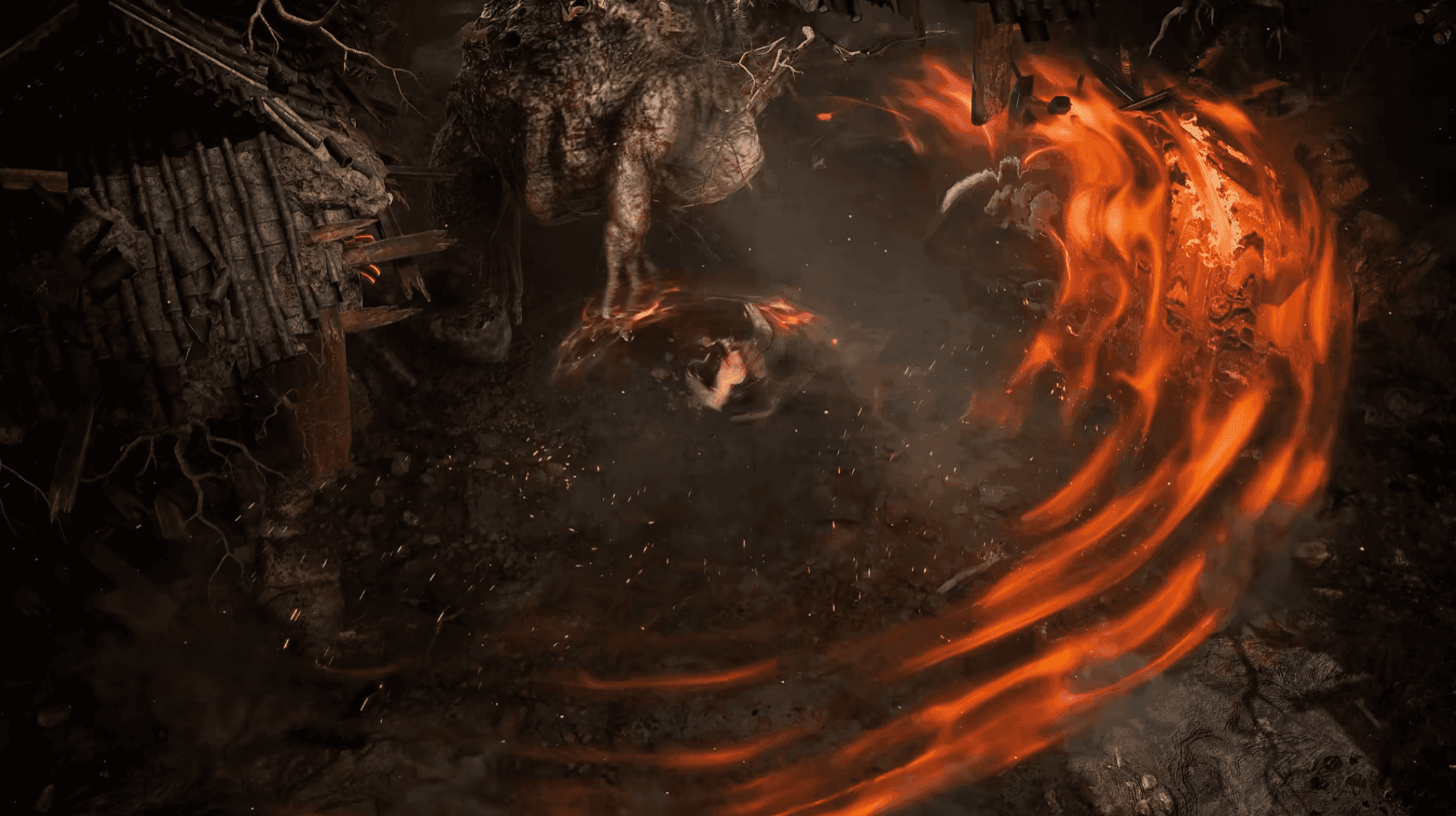
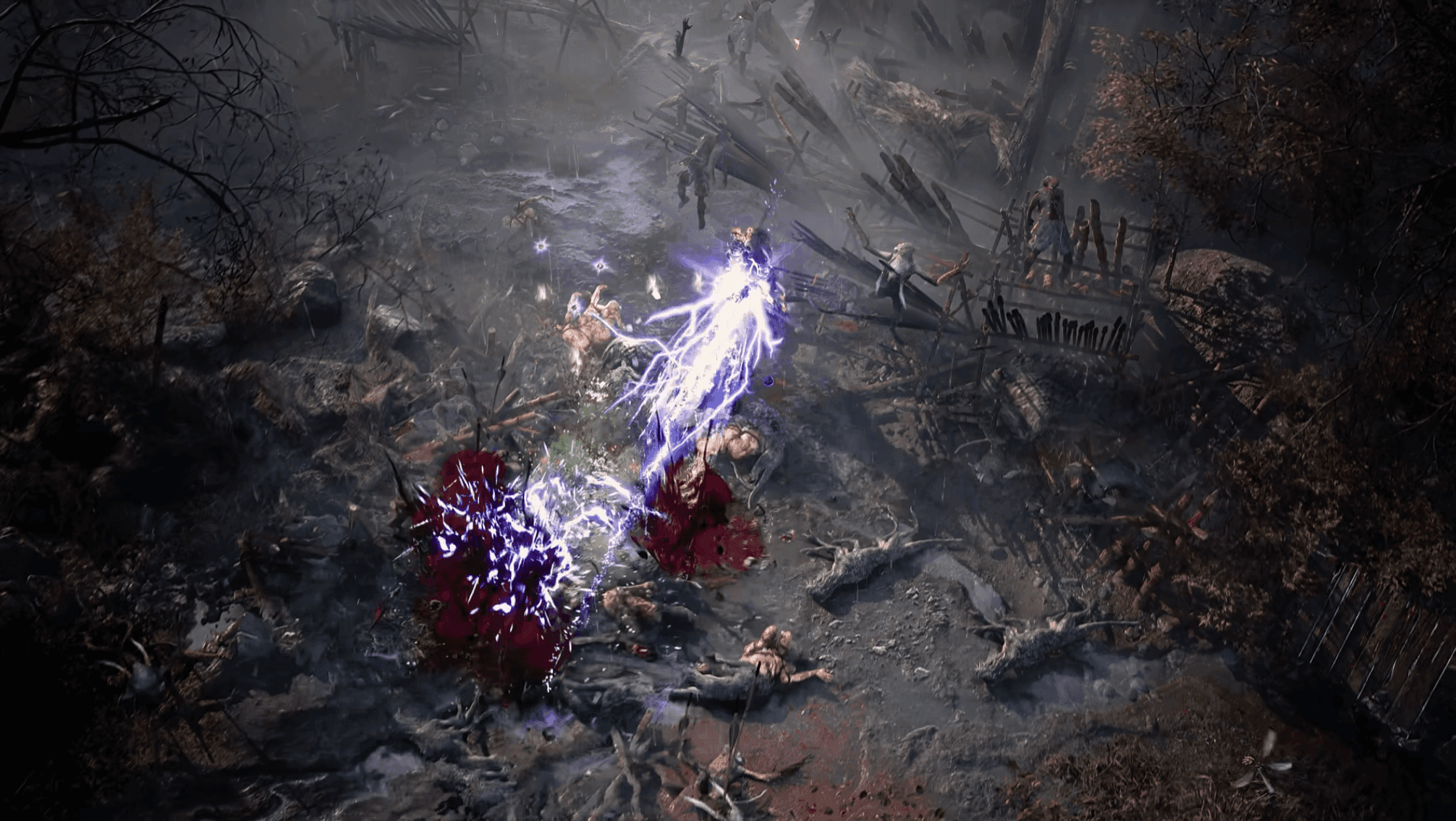
When South Korean publisher KRAFTON unveiled its newest flagship title on the main stage at Gamescom 2026, the international gaming landscape took immediate notice. Bearing the evocative title TARAE: The Unbound (in Korean, 타래: 디 언바운드), the project does not merely augment the ranks of isometric action RPGs; it throws down an uncompromising gauntlet to the genre's entrenched titans. Leading development is Seoul-based studio Boundary, spearheaded by Executive Producer Inyoung Koo (Inyoung Koo) alongside core veterans behind the grim ARPG UNDECEMBER. Harnessing their hard-won development expertise while deliberately casting aside the pitfalls of predatory live-service models, the team set out to construct a monumental Eastern dark fantasy epic free from mobile concessions.
In an era where Asian game development has increasingly surrendered to cross-platform mobile auto-battlers and predatory gacha monetization wrapped in saccharine anime aesthetics, TARAE: The Unbound represents a defiant return to hardcore gaming heritage. Development is targeted exclusively for premium platforms: desktop personal computers (PC via Steam and the Epic Games Store) and current-generation consoles, PlayStation 5 and Xbox Series X|S. Built from the ground up on the technological foundation of Unreal Engine 5, the title exploits micropolygon geometry via Nanite and dynamic real-time global illumination through Lumen, plunging players into a tactile, blood-soaked world steeped in ancient mystical dread.
The Korean word «Та래» (Tarae) refers to a twisted coil of thread, an entangled skein, or an intractable knot. Within the game's mythological framework, this represents a tangled karmic knot formed from countless unatoned sins, shattered oaths, and twisted destinies binding the worlds of the living and the dead. The story unfolds on the cursed island of Taegwido (Taegwido), an anomaly born from cosmic catastrophe: a rogue outcast named Agatha (Agatha) shattered the metaphysical barriers safeguarding the Buddhist Six Realms of Reincarnation (Six Realms of Samsara), freezing the eternal cycle of rebirth. Reality teeters on the brink of dissolution as ancient spirits, mutated goblin-demons known as Dokkaebi (Dokkaebi), and vengeful specters pour through spatial fissures.
Key pillars establishing the singular identity of TARAE: The Unbound include:
Studio Boundary makes no secret of its ambitions: this is not another disposable mob-grinder, but a weighty, visceral, and psychologically oppressive action RPG where every blade strike carries physical momentum and every unraveling karmic knot unearths the tragedy of a dying Eastern world.
The first premise developer Boundary emphasizes across every technical briefing is an outright refusal to classify their project as a conventional "Diablo clone" or generic hack-and-slash. Within modern gaming nomenclature, a top-down isometric perspective almost reflexively triggers expectations of mindless single-button horde clearing and spreadsheet-driven gear inflation. However, TARAE: The Unbound stakes its core identity on a diametrically opposed philosophy: the primacy of player reflexes, tactile weapon physics, and frame-perfect combat timing over numerical stat inflation.
The game's combat architecture borrows extensively from unforgiving soulslikes and character action games, meticulously calibrated for an isometric three-quarter perspective:
What does this mechanical framework deliver in practice? It violently shatters the hypnotic trance typical of traditional isometric farming. In standard ARPGs, players can rest a finger on a single key while clearing off-screen packs amidst an illegible cascade of damage numbers. In TARAE: The Unbound, even a modest pack of mutated Dokkaebi poses lethal danger to an inattentive fighter. Survival dictates continuous spatial awareness, reading visual tell-tale windups from flanking archers, disciplined kiting, and executing combos with acute respect for animation recovery frames (recovery frames).
Wherein lies the critical catch of this design philosophy? In an unforgiving barrier to entry that offers zero comfort to casual audiences. In traditional loot-driven titles, hitting a wall against a punishing boss can be bypassed by grinding trivial dungeons for marginal stat upgrades. On Taegwido, brute-forcing is impossible. Bosses unleash complex multi-phase assault patterns, deceptive feints, and sweeping area-of-effect strikes that demand memorizing attack tells. No high-tier armor will save a player incapable of timing parries or respecting boss momentum. For hardcore purists, this represents a long-awaited breath of fresh air; for the uninitiated, the opening hours will feel like a merciless trial by combat.
Rather than relying on blank-slate avatars with swappable hairstyles or exhausted Western high-fantasy archetypes (warrior, mage, rogue, archer), studio Boundary embraced deep ethnographic and mythological reinterpretation. The playable roster of TARAE: The Unbound comprises six distinct Seekers (Seekers). Each is a fully voiced, bespoke character defined by personal tragedy, an unresolved karmic knot, and a distinct combat philosophy rooted in the martial traditions and folklore of Korea, Japan, and China.
The six available classes showcase fundamentally divergent tactical doctrines:
What does this architecture contribute to the player experience? Unparalleled narrative cohesion. In the single-player campaign, choosing a class does not merely alter your hotbar. Whichever Seeker you select becomes the primary protagonist, while the remaining five join your journey as fully integrated companions! They actively converse during explorations, comment on unfolding horrors, unveil their dark pasts, and fight alongside you during climactic story encounters.
Wherein lies the design catch? In severe class asymmetry and the total absence of homogenized hybrid safety nets. Mastering the high-mobility, glass-cannon parry windows of the Kunoichi shares virtually zero transferable muscle memory with the calculated trap placement and ranged spacing of the Chakhogapsa. Players accustomed to all-purpose builds will find no shortcuts: every Seeker demands total commitment to their distinct mechanical rhythm, and poorly matched classes will face brutal friction against specific boss archetypes.
While the active combat loop of TARAE: The Unbound hinges on twitch reflexes and animation tells, the underlying character progression is governed by the ancient tenets of Far-Eastern natural philosophy. Studio Boundary consciously eschewed generic, uninspired skill trees offering flat "+3% fire damage" increments. In their place stands a complex cosmological architecture: the cyclical dynamics of the Five Elements (Wuxing), the dualistic polarity of Yin and Yang, and the tangible unravelling of Karmic Knots (Tarae).
These three interlocking systems operate as follows:
What does this framework offer the player? Immense theorycrafting depth and true build diversity. Two players running the Mansin class will operate as fundamentally different entities on the battlefield: one might align with Metal and Water under a dominant Yang polarity, transforming the shamaness into an aggressive close-quarters exorcist wielding icy spirit blades, while another delves into Yin-attuned Fire and Wood, smothering encounters in corrosive rot curses and toxic funerary maelstroms.
What is the underlying catch? Severe, uncompromising punishment for superficial mechanics comprehension. It is never enough to simply equip gear with the highest raw armor or weapon power rating. If an uncoordinated loadout triggers an elemental clash along the Overcoming Cycle — such as inadvertently applying a Water penalty to a primary Fire rotation — your effective DPS will plummet dramatically. TARAE: The Unbound refuses to hand-hold: it forces players to rigorously analyze elemental resonance and calibrate energetic balance before venturing into high-tier boss domains.
In contemporary isometric ARPGs, story campaigns are routinely dismissed as perfunctory chores — text-heavy hurdles players aggressively skip through to access endgame loot loops. Studio Boundary deliberately inverted this paradigm, elevating narrative craft into one of the central supporting pillars of TARAE: The Unbound. Designed as a standalone narrative experience spanning over 40 hours of solo progression, the campaign eschews sterile text popups in favor of fully rendered in-engine cutscenes, expressive voice acting, and deep environmental storytelling.
At the center of this grim epic lies a catastrophic metaphysical rebellion. For eons, mortal existence was anchored to the immutable Buddhist law of the Six Realms of Reincarnation (Six Realms of Samsara): souls endlessly rotated between heavenly celestials, warlike Asuras, mortal humans, beasts, torment-wracked Preta ghosts, and the subterranean horrors of Naraka hells. This eternal cycle was violently severed by Agatha (Agatha), a rogue mystic who deemed perpetual rebirth an unacceptable engine of cosmic suffering. In a bid to force universal liberation, she shattered the metaphysical boundaries of the afterlife, triggering an existential rupture of catastrophic proportions.
The ground zero of this collapse is the cursed island of Taegwido (Taegwido), a dimensional nexus where reality has unravelled into chaos:
What does this cinematic ambition provide the player? A suffocating, richly atmospheric descent into Eastern gothic horror and psychological dread. There is no triumphant melodrama here; Taegwido is dying a slow, agonizing death. This immersion is underpinned by a masterclass in acoustic design — the mournful plucks of the twelve-stringed Korean gayageum zither, the thunderous cadence of ritual buk drums, and the chilling lamentations of trapped specters echoing through fog-choked gorges.
Wherein lies the catch of such narrative density? In its deliberate, unyielding pacing. A 40-hour campaign is a massive commitment for an ARPG, and the game strictly prohibits "autopilot" progression. Every chapter imposes formidable barriers in the form of environmental investigations, labyrinthine crypts, and multi-phase story bosses capable of halting unrefined builds for hours. Those seeking mindless, podcast-friendly mob farming with immediate access to max-level gear will find this solemn, challenging narrative pilgrimage exhausting if approached with the wrong expectations.
A pervasive blight afflicting modern high-budget isometric action RPGs is an acute poverty of adversary variety. Players routinely endure dozens of hours bludgeoning identical skeletons, arachnids, and palette-swapped demons distinguished merely by elemental aura tints. Studio Boundary delivers an emphatic counterblow in TARAE: The Unbound: the game features over 80 completely unique boss archetypes at launch, each engineered with bespoke combat rigging, motion-captured animations, and intricate multi-tier phase transitions.
The game's bestiary draws heavily from Far-Eastern mythological folklore, presented with the unflinching grotesque aesthetic of pure dark fantasy:
How do these boss encounters play out in practice? As a lethal, high-stakes choreography. Every boss is designed to rigorously punish mechanical complacency and poor spatial positioning. They possess zero blind spots: attempting to camp indefinitely behind a monster's flank will trigger sudden tail whips, swift spin-slashes, or radial shockwaves. Upon losing a third of their vitality, bosses enter heightened combat phases: arenas become choked in spectral mist, elemental Wuxing enchantments ignite their weapons, and combo strings lengthen aggressively, demanding synchronized parrying and frame-perfect evasions (i-frames).
What does this staggering bestiary deliver to the gameplay loop? An unadulterated sensation of triumph following every hard-fought victory. In TARAE: The Unbound, a defeated boss is not simply a fountain of randomized loot; it is validation of your personal mechanical skill. The game resurrects the thrill of true exploration, transforming every encounter with an unknown titan into an adrenaline-charged tactical duel.
What is the inevitable catch of this mechanical intensity? Severe mental and physical fatigue during repetitive farming runs. Because bosses must be broken down through disciplined pattern recognition rather than stat-checked, routinely grinding dungeons for upgrade materials can feel mentally exhausting. If your character build is poorly attuned to a boss's specific elemental vulnerabilities, encounters can easily stretch into protracted ten-minute endurance tests where a single mistimed dodge resets your entire run.
When the credits roll on the 40-hour solo campaign, TARAE: The Unbound does not bid farewell to the player. Instead, the game executes an elegant structural pivot, discarding its solitary narrative cloak to transform into a punishing cooperative endgame hub for four players (4-Player Co-op). It is here that studio Boundary firmly crosses into traditional online MMO territory, introducing shared social hubs, high-tier group dungeons, mythical trials, and hunts for absolute primordial relics across fractured realities.
The network architecture anchors player collaboration through a meticulously structured ecosystem:
What does this cooperative design deliver to the community? Electrifying synergy and shared combat rhythm. Conquering mythic labyrinth spires requires crisp voice coordination and intimate knowledge of your teammates' skill cooldowns. Unlike multiplayer titles where four-player parties devolve into an unreadable stew of fluorescent screen-clutter, TARAE: The Unbound maintains crystalline visual legibility, rewarding cohesive squads with synchronized, cinematic team takedowns.
Wherein lies the critical catch of the cooperative endgame? In draconian requirements for individual accountability. Boundary deliberately rejected casual matchmaking crutches: if even one player in a party fails to master boss attack tells and dies prematurely, the remaining trio faces near-certain defeat against strict enrage timers (enrage timers). Taegwido's endgame has zero tolerance for passengers — here, high-tier gear can never substitute for personal combat execution.
For the dedicated isometric ARPG community, the phrase "South Korean online RPG" has long functioned as an ominous warning. Memories remain painfully raw from decades of exploitative monetization: paid inventory expansion tabs, consumable failure-prevention charms for gear honing, experience boosters, and suffocating artificial paywalls designed to extract hundreds of dollars or demand hundreds of hours of joyless labor. Against this cynical backdrop, the manifesto laid down by studio Boundary and publisher KRAFTON rings with revolutionary clarity: TARAE: The Unbound completely severs ties with toxic free-to-play traditions.
The economic architecture of the game is grounded in uncompromising transparency:
What does this economic framework offer the broader player base? Absolute peace of mind and a restored respect for player investment. When you inspect an adventurer occupying the upper echelon of the seasonal leaderboard or draped in majestic Joseon-era relic plate, you know with absolute certainty that their status was forged through frame-perfect parrying discipline and hundreds of hours of coordinated team execution — not the limitless depth of a credit card limit.
Wherein lies the vulnerability of this economic philosophy? In the immense operational burden placed upon Boundary's live-service pipeline. A Buy-to-Play model in the modern seasonal ARPG space thrives solely as long as developers consistently supply inventive mechanics, challenging encounters, and meaningful progression resets every 3 to 4 months. Should seasonal content falter or suffer protracted delays, player retention will drop sharply between major narrative expansions, an existential hurdle that has humbled even the most venerated Western studios.
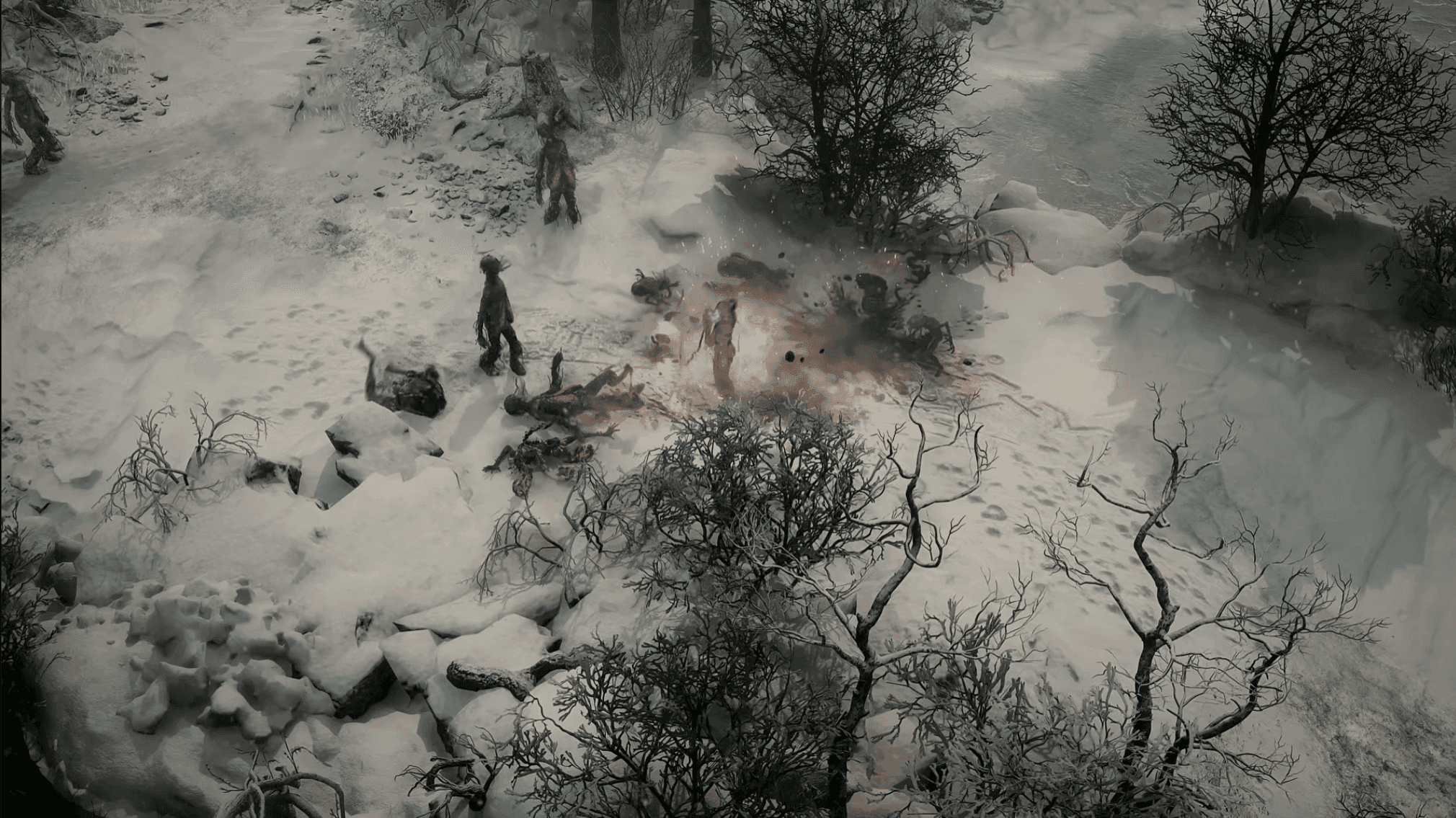
Even a cursory examination of the initial gameplay footage of TARAE: The Unbound makes one reality immediately apparent: this is among the most graphically accomplished and aesthetically distinctive isometric titles of the current hardware generation. Studio Boundary deliberately rejected aging proprietary engines and compromised mobile cross-compatibility, anchoring their entire graphical pipeline to the cutting-edge technological stack of Unreal Engine 5.
The architectural foundation of the title harnesses next-generation rendering systems to unprecedented effect:
What does this technological threshold impart to the overall experience? Striking cinematic clarity during chaotic encounters. Unlike competing titles that overwhelm the screen in an illegible firestorm of fluorescent visual noise, TARAE: The Unbound maintains a disciplined, somber aesthetic palette. Resonant flashes from Wuxing elemental reactions, sprays of black Dokkaebi ichor, and brilliant sparks from blade-on-blade parries punctuate the visceral physical combat without compromising mechanical legibility, allowing players to instantly read split-second telegraphs from lethal adversaries.
Wherein lies the primary technological challenge? In the engine's uncompromising appetite for high-performance computing hardware. Unreal Engine 5 is historically notorious for its heavy computational demands on single-core CPU throughput and VRAM bandwidth when driving dynamic Lumen passes and large-scale crowd simulations. While the dedicated console targets (PlayStation 5 and Xbox Series X|S) leverage fixed architectures and aggressive temporal reconstruction to maintain 60 frames per second, PC enthusiasts operating older graphics cards will be forced to make significant visual compromises to secure the razor-sharp framerate consistency vital for timing parries.
By the midpoint of the current decade, the isometric action RPG genre finds itself deeply polarized between two ideological extremes. On one flank towers the mainstream behemoth Diablo IV, fully committed to casual accessibility, seasonal battle passes, and popcorn dungeon clearing. On the opposite extreme looms the monolithic Path of Exile 2, pushing numerical complexity, spreadsheet theorycrafting, and sprawling passive skill webs to their outer limits. Amidst this clash of giants, TARAE: The Unbound stakes claim to an exceptionally bold and tantalizing frontier: an uncompromising, tactile action RPG that restores the visceral thrill of personal player mastery.
Synthesizing the far-reaching revelations from KRAFTON and studio Boundary, three foundational pillars cement the project's unique position in the gaming ecosystem:
What does the impending arrival of TARAE: The Unbound signal for the broader industry? A transformative paradigm shift in Eastern game development. Following the monumental global breakthrough of prestige Asian blockbusters like *Black Myth: Wukong*, South Korean developers are proving their readiness to engineer mature, uncompromised, world-class PC and console multiplayer experiences completely liberated from mobile dilution, automated pathing, and predatory gacha mechanics.
Wherein lies the paramount risk along the road to the targeted 2027 release window? In the brutal crucible of time and intense market competition. Studio Boundary faces a formidable technical checklist: perfecting netcode synchronization for 4-player cooperative sessions, finely tuning the intricate circular balance of Wuxing elemental interactions, and architecting a sustainable multi-year seasonal content roadmap. Whether the team can sustain this audacious standard of excellence through launch remains the ultimate question; yet even today, TARAE: The Unbound shines as one of the most promising, culturally profound, and mechanically ambitious isometric role-playing titles of the entire hardware generation.