 F2P · Live
Lineage 2
Aden's castles never stay in the same hands for long, and Lineage II has built an entire twenty-three-year…
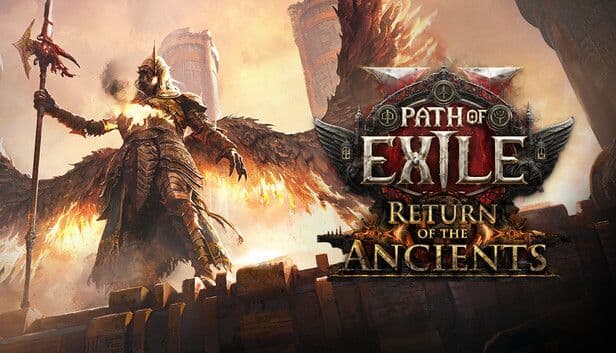
Path of Exile 2 reinvents Grinding Gear Games' skill system by socketing support gems directly into skill gems, so full six-link builds are possible from hour one. Thirty-six Ascendancies, Trials buil...
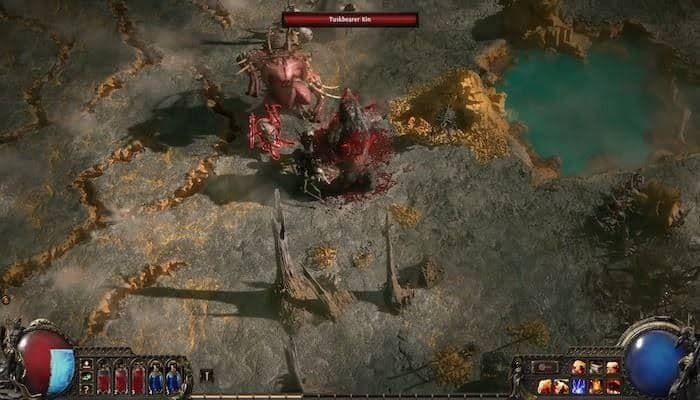
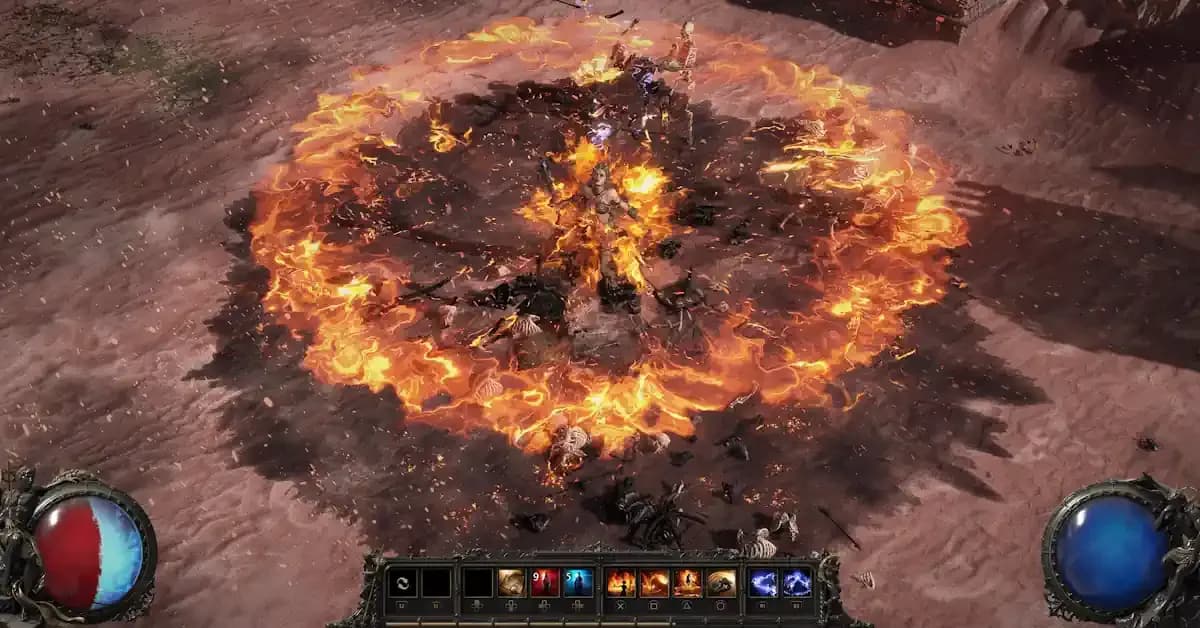
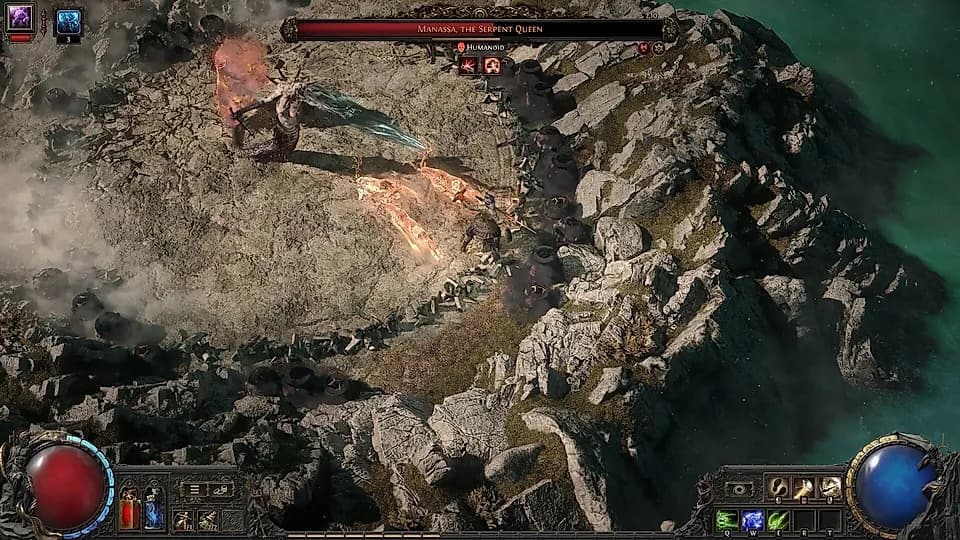
Path of Exile 2 is an action RPG from New Zealand studio Grinding Gear Games, in Early Access since December 6, 2024 on PC, PlayStation 5, and Xbox Series X|S. The full 1.0 release lands on December 11, 2026, at which point the game goes completely free-to-play, mirroring what happened to the original a decade earlier. Two years into Early Access, it's grown its own economy, its own community, and its own endgame Atlas separate from the first game — and it's still changing patch to patch.
Quick take: Path of Exile 2 fixes the linking headache that defined the original's build-crafting, replaces it with a genuinely inventive Ascendancy system, and does it all while running on hardware that's five years out of date. It's still missing two campaign acts and still costs money to enter — both of which stop mattering on December 11.
The story picks up two decades after the first game, on the same grim continent of Wraeclast. Your character starts as a condemned criminal about to be hanged in the county of Ogham, among the Ezomites — a faction with distinctly Celtic dress and architecture. Sharing the continent are the Eternal Empire, drawing heavily on Rome, and the Karui, whose culture reads as Polynesian: three distinct peoples, three different relationships to a continent that's rotting from the inside out all over again.
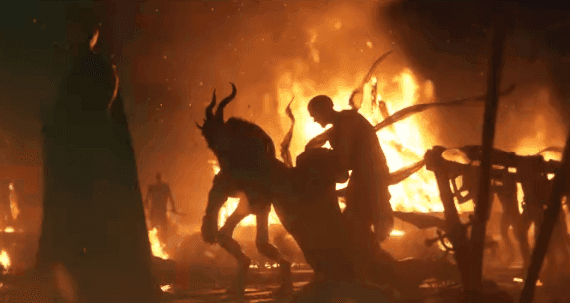
The opening cutscene doesn't waste time on backstory. A hunting party runs down a hooded man, kills him, and steals a spherical container from him. The sole survivor of the group opens it to find a writhing mass of tentacles inside — which promptly slits his throat and devours him whole, growing larger in the process. That container is the seed of the Corruption spreading across Wraeclast, and everything else in the campaign traces back to it.
Visually, the game still runs on Grinding Gear Games' own in-house engine — the same lineage that's been iterated on since the original released in 2013 — retooled for physically based rendering. It shows up less in trailers and more in small things: torchlight catching wet cobblestones in Ogham, the difference in how Ezomite cloth reads against Eternal Empire plate. For a sequel that reuses none of the original's art assets, that's a meaningful amount of work from the art team, not a palette swap.
You start with almost nothing — a dull axe and a couple of spells — but twelve base classes fan out across three attributes (Strength, Dexterity, Intelligence) into wildly different builds. There are two classes for every attribute combination, so a Strength/Dexterity character has a choice between two starting points before build customization even begins, each with a different early playstyle baked in. Each class also carries three Ascendancy specializations, so the real number of playable archetypes isn't twelve, it's thirty-six Ascendancies. None of them come free — you have to clear one of two Trials to unlock one.
The Trial of the Sekhemas is a survival gauntlet: your Honour resource stands in for health, it doesn't regenerate mid-run, and one bad hit near the end can erase the whole attempt. The Trial of Chaos works differently — your normal health pool stays intact, but after clearing each room you're forced to pick one of three negative modifiers, and they stack for the rest of the run. Grinding Gear Games built it so neither Trial is mandatory: clearing either one enough times grants all eight Ascendancy points, which matters, because complaints about the Sekhemas' Honour system are a recurring theme on the game's forums.
The Ascendancies themselves aren't abstract stat sticks — they read as distinct archetypes with real personality. Titan trades mobility for shields and raw armor, turning into something genuinely hard to move; Stormweaver plays around constant lightning-and-cold swaps to chain status effects; Invoker summons elemental spirits to fight alongside you; Infernalist keeps a fight burning until it's time to shift into a demonic form of its own. Which one dominates the ladder shifts every league — the build that's mandatory this patch was a niche pick six months ago, and it'll probably be niche again in six more.
Progression has a physical feel to it: a dash roll shows up early, mana reservation for auras got replaced with a separate resource called Spirit, and the 1,500-node passive tree supports Dual Specialization — holding two builds in your head at once and switching between them on the fly. Points in daggers and traps, points in ice and lightning, whichever set applies kicking in based on the weapon in your hands.
The old headache of the series — hunting for a perfectly colored six-link socket set for one specific skill — is gone entirely. Support gems now slot directly into skill gems instead of sitting in separate equipment sockets, so six-linking any skill you're using is possible from hour one. The system runs on 240 active skill gems and 200 support gems — enough combinations that a warrior build and the same class leaning into fire damage don't look remotely related.
New weapon categories fill in gaps the original never had: spears with wide attack arcs, self-loading crossbows, flails that work equally well for raw damage or crowd control. The overall item pool runs to 700 base equipment types, and every single one has its own named unique variant — not a generic "rare with bigger numbers," but an item with its own identity and mechanic attached.
Combat still isn't pretending to be a tactical turn-based wargame — it's an action game where survival comes down to dodging, not cursor placement. In practice: a grenadier can ignite their own gas cloud for a follow-up explosion, a staff wielder can summon and strike a magic bell for a shockwave, an archer with lightning rods can chain arrows between them for extra damage. Most serious bosses are built around chaining two or three skills together, not spamming one button — and that's true from the early campaign, well before endgame.
Yes, with one caveat: two of the six campaign acts don't exist yet, and won't until December 11. Everything else — the crafting loop, the endgame Atlas, the skill system, the trading economy — is functional and actively supported right now, not a half-built promise. If waiting a few months for the free, complete version sounds better than paying to help shape the game while it's still missing content, that's a reasonable call too.
Crafting benches don't sit just anywhere — they live in a personal Hideout, a point on the Atlas map that becomes yours once you've fully cleared its zone. Inside, there's a bench for breaking materials down, a salvage station for scrapping unwanted gear, and a Recombinator that fuses two items into one, gambling on which modifiers survive the merge. Hideouts also get furniture, lighting, and decor by owner preference — the community regularly shows off entire themed builds, from coastal camps lit by a simulated sunset to cathedral-scale constructions — and they double as a quiet space away from the noise and clutter of public zones.
The economy runs on trading currency items between players, not gold in the traditional RPG sense. Crafting leans closer to controlled gambling than a guaranteed blueprint result: most currency items modify gear randomly, and experienced players think in probabilities and risk pools of rare orbs rather than following a fixed recipe. That uncertainty is exactly what keeps the trade site alive — exchange rates between currencies swing league to league, and a chunk of the community spends more time speculating on that internal market than fighting monsters.
Endgame doesn't start at the credits — it starts when you unlock the Atlas of Worlds, an effectively endless network of maps with their own modifiers, bosses, and reworked versions of leagues from the original game. Seasonal leagues plug straight into that structure: as of this writing, league 0.5.5, "Forbidden Rites," has been running since September 4, 2026, with its own set of temporary mechanics and the genre-standard character reset. Every new league rewrites part of the Atlas, so the stagnation some players complain about in other loot RPGs mostly doesn't happen here — at least not for more than a few months at a stretch.
This is a PvE game first, and Grinding Gear Games doesn't pretend otherwise: co-op supports up to six players at once, while PvP exists mostly as a formality — a small arena that gets the occasional experiment but never a real competitive scene. If you're after ranked duels, this isn't the genre; the whole system is built around proving a build against monsters, not other players, and the community treats that fact with more amusement than disappointment.
The competitive instinct hasn't disappeared, though — it's been redirected into the official leaderboards, which track Standard, Hardcore (permanent character death), and Solo Self-Found separately, the last being the mode where you voluntarily cut yourself off from any trading with other players. Racing to level 100 in the first weeks of a fresh league is, for a lot of people, just as compelling as the campaign itself — top players routinely hit the cap within days of a launch, competing on an hour-by-hour basis.
The community has largely settled on treating the fourth and hardest tier of Ascendancy points as optional. The first three tiers cover every piece of content the game currently offers, so a lot of players stop there deliberately and treat the endgame version of the Trials as its own separate challenge for enthusiasts, rather than a mandatory step in leveling up a character.
Social systems are simple but well built: a guild gets a shared stash with configurable permissions (officers can lock high-value tabs away from rank-and-file members) and its own Guild Hideout, decorated the same way a personal one is. Solo players aren't left out either — Path of Exile 2 is entirely playable without ever talking to another person, and the Solo Self-Found mode exists specifically for that crowd, with its own leaderboard kept separate from the standard trading league.
Joining a guild takes a couple of clicks: open the social menu, accept an invite from a leader or officer, and the shared stash full of accumulated materials is immediately available. For new players, that's the fastest route to a starting cushion — currency for early purchases, or build advice from someone further along — without having to figure out the trading economy from zero capital on their own.
The game runs on PC, PlayStation 5, and Xbox Series X|S with full cross-play and cross-progression across all three. On Steam Deck, it's still stuck at "Playable" rather than "Verified" — the one officially cited blocker is small interface text that hasn't been resized for a handheld screen yet, though the studio has said work on that is ongoing; players capping the frame rate at 40 on the handheld report noticeably better battery life without giving up a stable campaign framerate. The minimum system requirements themselves are unusually light: hardware that's five years old can still run it, and the full breakdown lives in this listing's system requirements section.
Storage is the one place the game asks for more than you'd expect — 100 GB even at the start of Early Access, and that number tends to climb with every major league patch adding new assets. An SSD isn't officially required, but it noticeably speeds up loading between campaign zones and Atlas map transitions, where every second matters during an active farming session.
Worth being precise here: as of this review, the game is still in Early Access, and getting in costs money — the base supporter pack runs $29.99, with pricier packs unlocking cosmetics and early access to hideout decorations. Once 1.0 launches on December 11, 2026, Path of Exile 2 becomes fully free-to-play, the same way the original did. The studio's stated principle is "fair-to-play, never pay-to-win": purchases are cosmetics and stash space, not character power.
Anyone who already bought into Early Access doesn't need to do anything else — the full 1.0 game arrives at no extra cost on release day, and all character progress and items carry over intact. For anyone still on the fence, there's no real rush: full free access is only a couple of months away, and the only thing you'd be missing is the Early Access cosmetic perks.
If meticulous build min-maxing and the willingness to rebuild a character from scratch every major league sound appealing, Path of Exile 2 is at exactly the right point to jump in and grow alongside the project through to its official launch.
No — during Early Access it requires a paid supporter pack starting at $29.99. It becomes free-to-play for everyone on December 11, 2026, when version 1.0 launches.
Yes. Progress, items, and characters all persist into 1.0 with no wipe tied to the launch itself, separate from any regular league reset.
Not in any organized sense — there's a small PvP arena, but the game is built almost entirely around PvE progression, and the community treats PvP as a curiosity rather than a feature.
The minimum spec is unusually forgiving for a 2024–2026 release — roughly five-year-old mid-range hardware clears it. Full details are in the system requirements section of this listing.
Twelve base classes, two per attribute combination of Strength, Dexterity, and Intelligence, each branching into three Ascendancy specializations — 36 distinct Ascendancies in total once you factor those in.
This review was written during Early Access, ahead of the 1.0 release. By December 11, 2026, the monetization model changes to Free To Play, the campaign gains its final two acts, and some systems may be reworked in patches — details here are worth double-checking closer to the full launch.