 F2P · Live
Lineage 2 Essence
Lineage 2 Essence is NCSoft's free-to-play take on the classic Korean MMORPG Lineage II, built around faster…
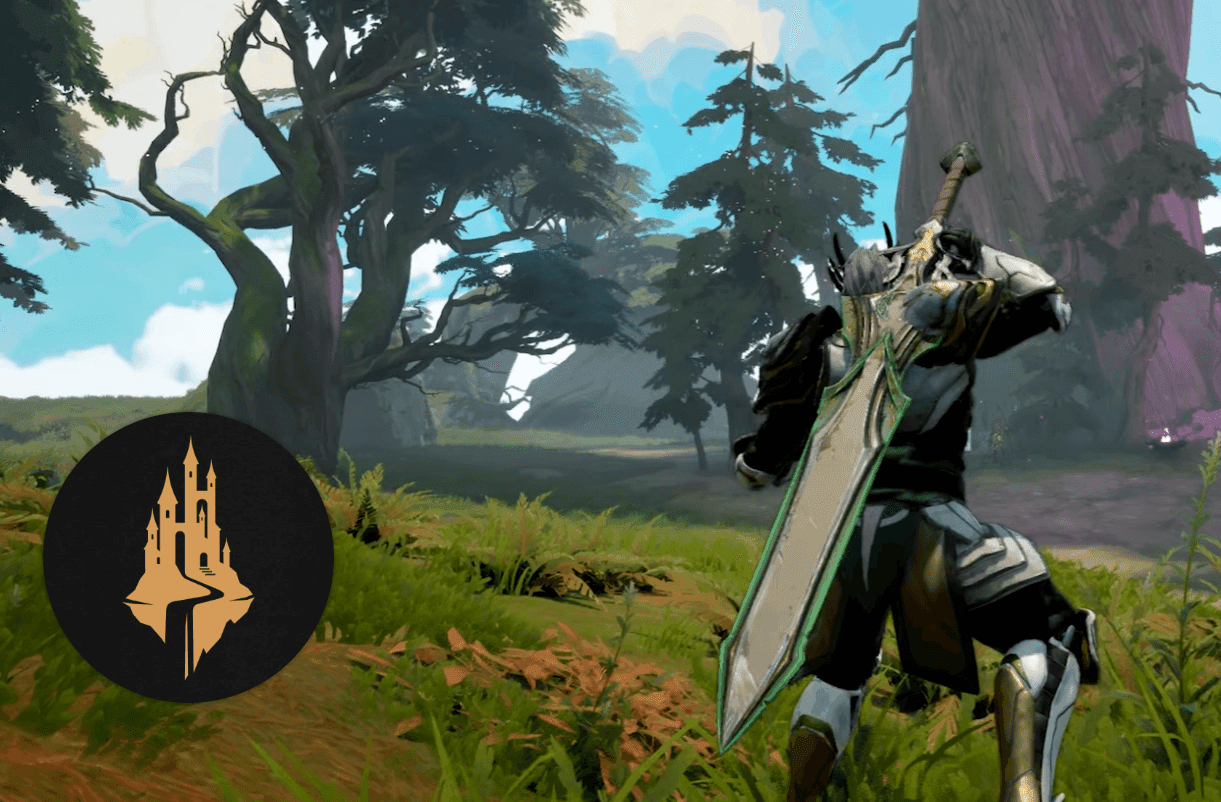
Project Ghost was an in-development MMORPG from Fantastic Pixel Castle, the studio founded by former World of Warcraft designer Greg "Ghostcrawler" Street, built around a floating-island hub city and ...
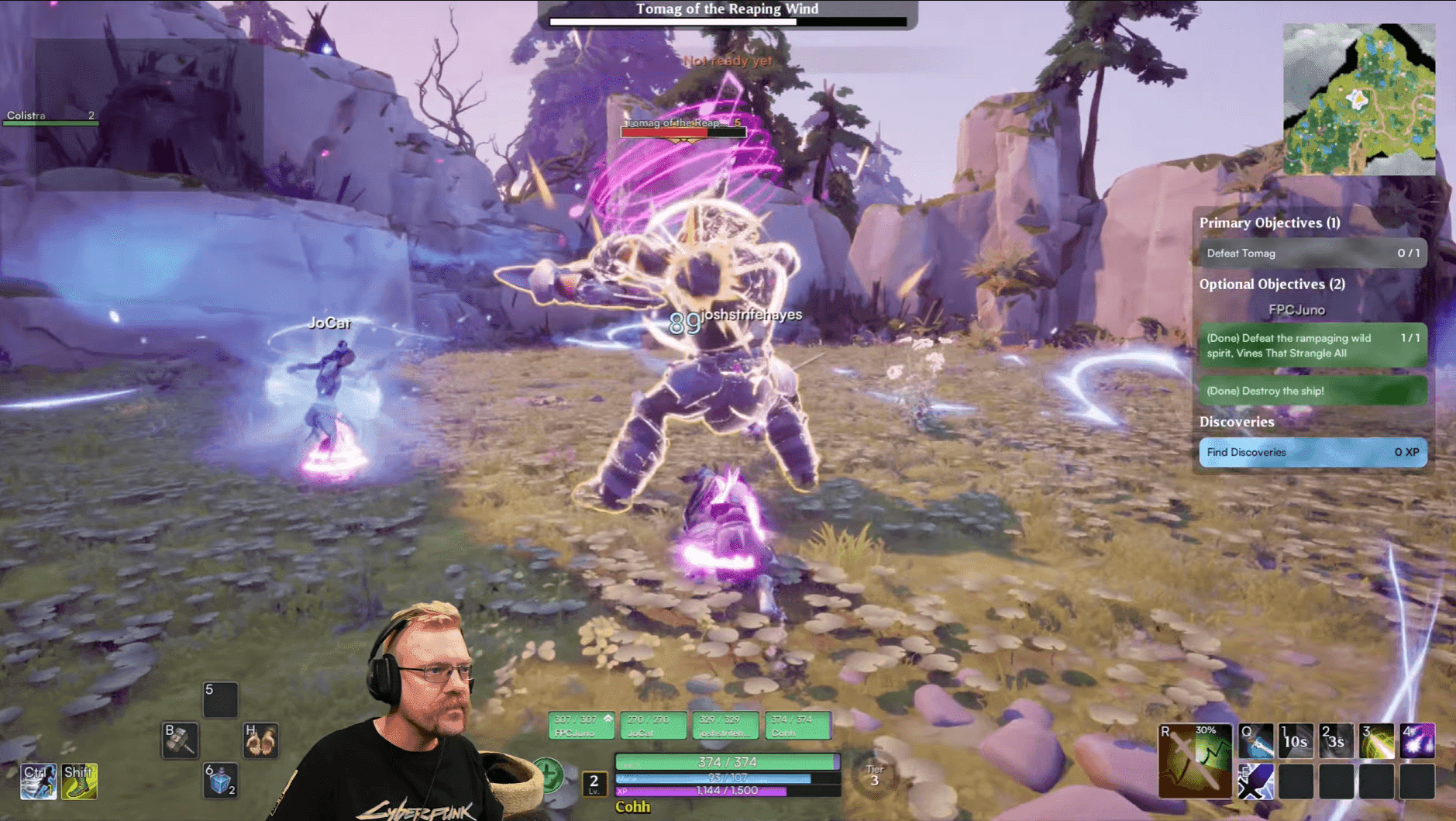
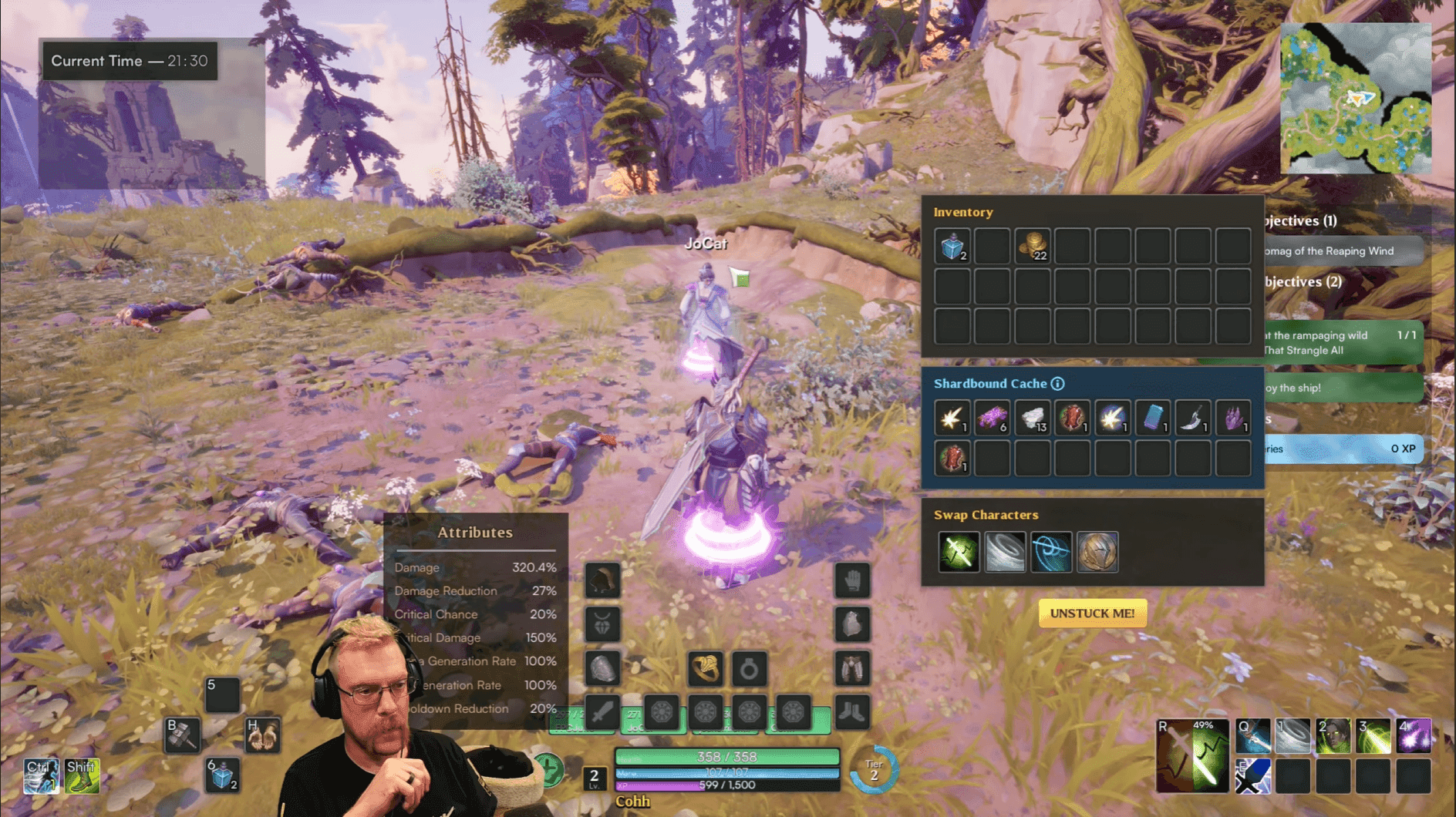
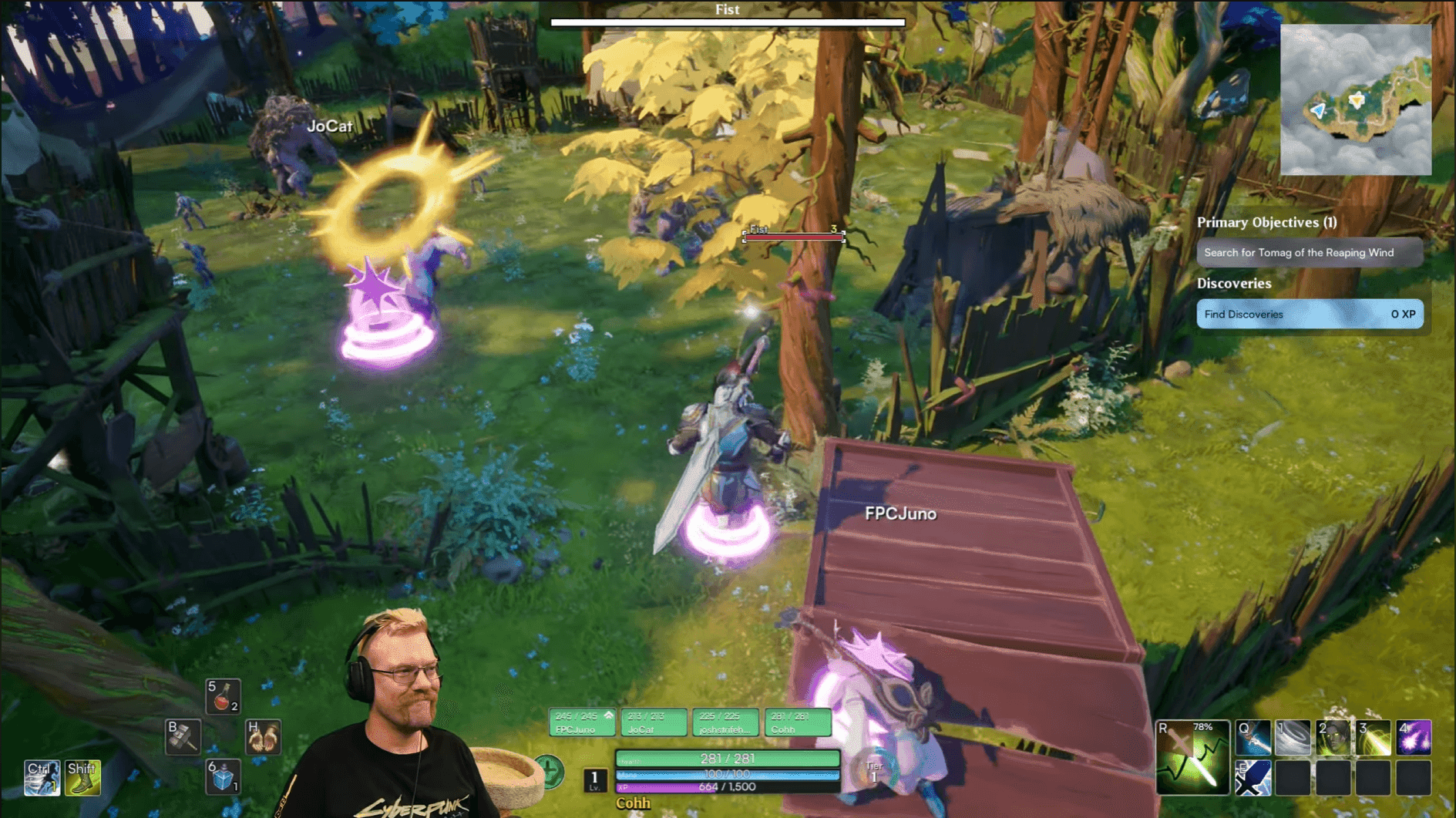
Project Ghost was the codename for an MMORPG built by Fantastic Pixel Castle, a studio founded by former World of Warcraft lead systems designer Greg "Ghostcrawler" Street and backed by NetEase Games. What set it apart wasn't the pitch — a post-apocalyptic fantasy world rebuilt after some world-ending catastrophe is hardly a novel premise — but the studio's decision to talk about the game constantly, in public, for two straight years of pre-alpha development, right up until the funding disappeared and there was nothing left to show.
Street left Riot Games, where he'd overseen an unreleased League of Legends MMO, to found Fantastic Pixel Castle in 2023. The studio stayed small and senior — roughly forty people, all hired at experienced levels rather than padded out with junior staff — and NetEase backed it as a first-party project. What made Fantastic Pixel Castle unusual in an industry known for locking games behind NDAs was its "Ghost Stories" dev blog series, which started showing placeholder Unreal Engine screenshots and unfinished systems within months of the studio's founding, long before most teams would admit a project existed at all.
That openness turned out to be the studio's defining trait. Across two years of posts, community roundtables, and podcasts, Fantastic Pixel Castle walked players through prototype milestones as they happened — messy graphics, "dead-eyed" placeholder ponies and all — rather than saving everything for a polished reveal trailer.
Ghost's setting followed a familiar shape with its own texture: a fantastical world recovering from an apocalyptic event, with a floating island serving as the last major bastion of civilization and the game's central social hub. Street described the city as deliberately tied into class identity and mission structure rather than functioning as a pure lobby — one of several points where the team pushed back on the idea that Ghost would be, in their words, just another game you log into to queue for content.
Concept art shared over the course of development showed a desert biome and a faction built around fire-aligned characters, part of a wider push to establish Teleria-scale — sorry, Ghost-scale — regional variety before the underlying systems were even finished. None of that art ever made it past the concept stage into a shipped build.
The single most distinctive system Fantastic Pixel Castle ever detailed was its Red Zone and Blue Zone split. Red Zones worked like a classical MMO space — shared quests, fixed objectives, the same layout every player experiences. Blue Zones were procedurally generated on each visit, meant to give players a different expedition every time rather than a memorized quest route. By the third external prototype test, run with a group of roughly twenty players, the team reported that the core Blue Zone loop was functioning, alongside early passes on stealth mechanics and difficulty tuning discussed in a later community roundtable.
It's worth being honest about what that means: a working prototype loop tested by twenty people is not a finished feature, and Ghost never reached the scale of testing where anyone outside the studio and a small playtest pool could judge whether Red and Blue Zones actually solved the staleness problem they were built to fix.
Early builds shown in 2024 had exactly two classes, nicknamed internally "fireball" and "sword" before proper names existed, running on foundational combat systems the team was still bolting together. By the second prototype milestone that summer, the studio reported three distinct classes, a working inventory, loot tables, and boss encounters substantial enough that a fourteen-player group clearing one felt, in the developers' own description, like an actual raid. Later footage — including a playthrough video released after the shutdown was already confirmed — showed resource gathering, traveling, looting, and flight, suggesting the traversal and economy loops had matured well past the earliest builds.
Beyond that, the trail runs cold. Ghost never reached a state where classes, itemization, or endgame structure were locked down publicly, and no monetization model was ever announced — the game was still years from a release window when funding stopped.
NetEase's retreat from Western game development wasn't unique to Fantastic Pixel Castle. Over roughly a year, the publisher cut loose several first-party studios it had staffed with veteran Western talent, including Mac Walters' Worlds Untold, Jerry Hook's Jar of Sparks, and Rich Vogel's T-Minus Zero — none of which shipped a game either. NetEase informed Street in October 2025 that it would no longer fund Fantastic Pixel Castle as a first-party studio, and after a month spent unsuccessfully searching for a new publisher or investor, Street announced the studio would close its doors on November 17, 2025.
Street has been candid about the reasoning since. Industry-wide, tightened investment, high Western development costs, and a wave of layoffs left publishers risk-averse, and in his account, pitching a new investor now hinges less on a game's quality than on a short, gripping hook a nervous backer can repeat in a meeting. He's maintained that Ghost's cancellation wasn't a verdict on the work itself — the team had cleared its planned milestones and built what he's called a strong foundation — but NetEase retains ownership of the code and assets, which are now shelved rather than shopped around. Street has floated the possibility that an investor could revive the project years down the line, though nothing concrete has followed.
Ghost's shutdown didn't happen in isolation. It landed in the same stretch as the stall of major content development on New World and the reported cancellation of Amazon Games' Lord of the Rings MMO — a run of bad news that left the genre's most-watched hopefuls thinning out at exactly the moment old standbys like World of Warcraft, Guild Wars 2, RuneScape, and Final Fantasy XIV kept absorbing the audience that newer projects were supposed to pull away from them. Whatever Ghost might have been, it joins a growing pile of ambitious MMOs that investors decided weren't worth the multi-year runway the genre demands.
Most cancelled games leave behind a teaser trailer and a lot of speculation. Ghost left behind two years of its own paper trail — dev blogs, playtest recaps, a studio head talking through failure with unusual candor after the fact. That's not the same as a game, and it never will be. But for anyone who followed the "Ghost Stories" posts as they went up, the strange consolation is that this cancelled MMO is better documented, mid-collapse, than most finished ones ever bother to be while they're alive.