 F2P · Live
Lineage 2 Essence
Lineage 2 Essence is NCSoft's free-to-play take on the classic Korean MMORPG Lineage II, built around faster…
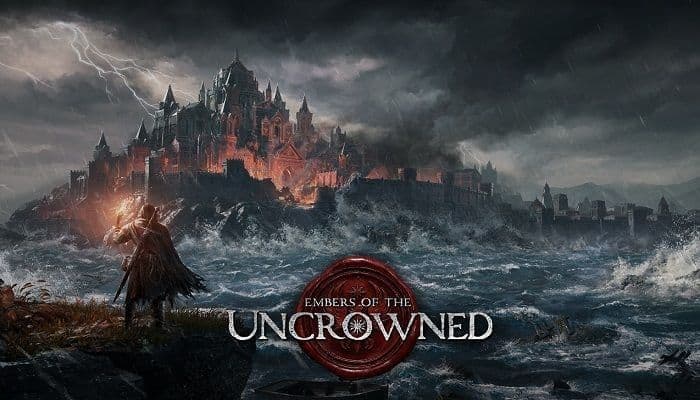
Embers of the Uncrowned casts you as the illegitimate heir of a fallen noble house, fighting to reclaim a kingdom torn apart by an elven invasion. Choose between the blade-quick Spectral Blade, the cr...
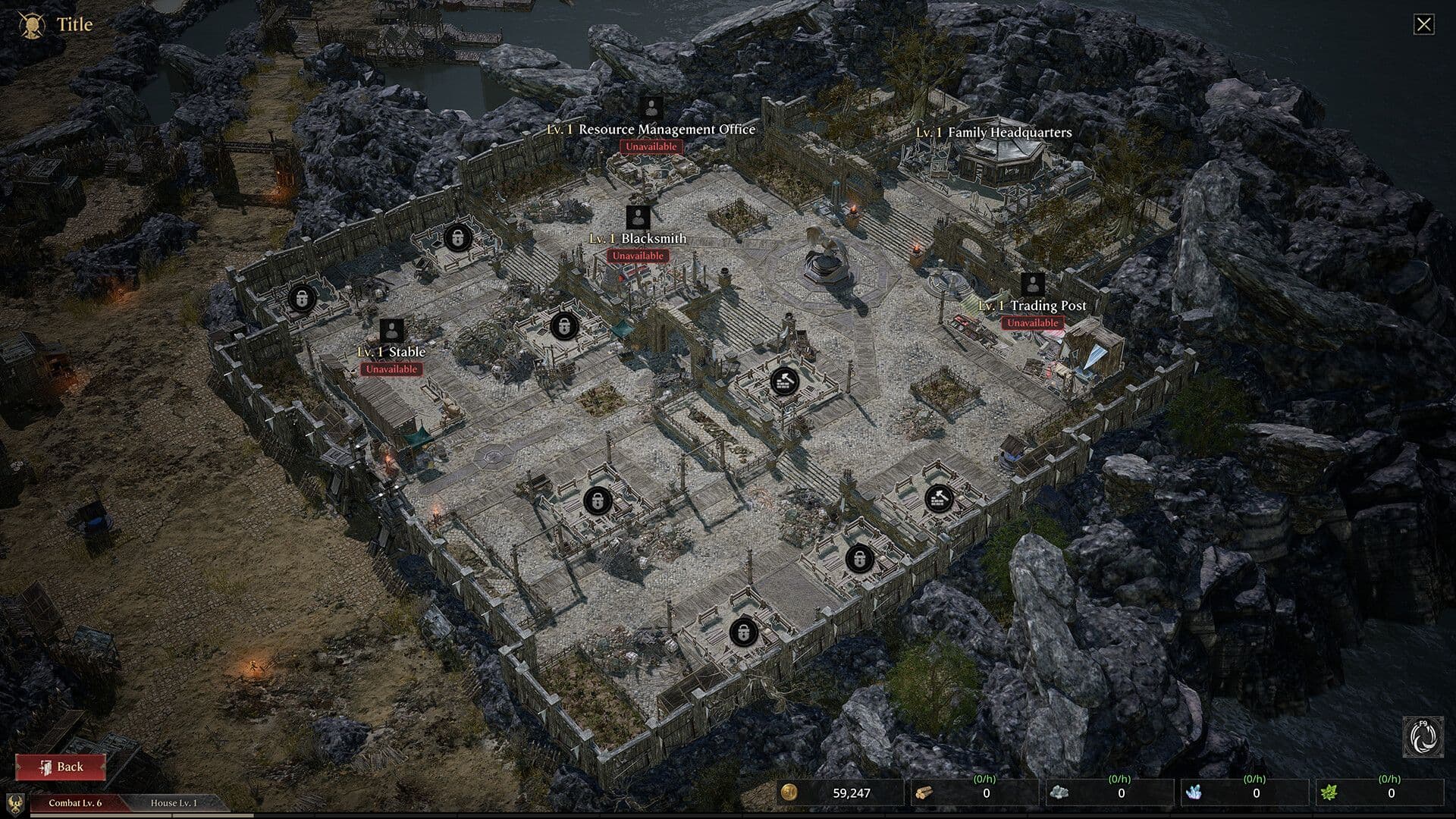
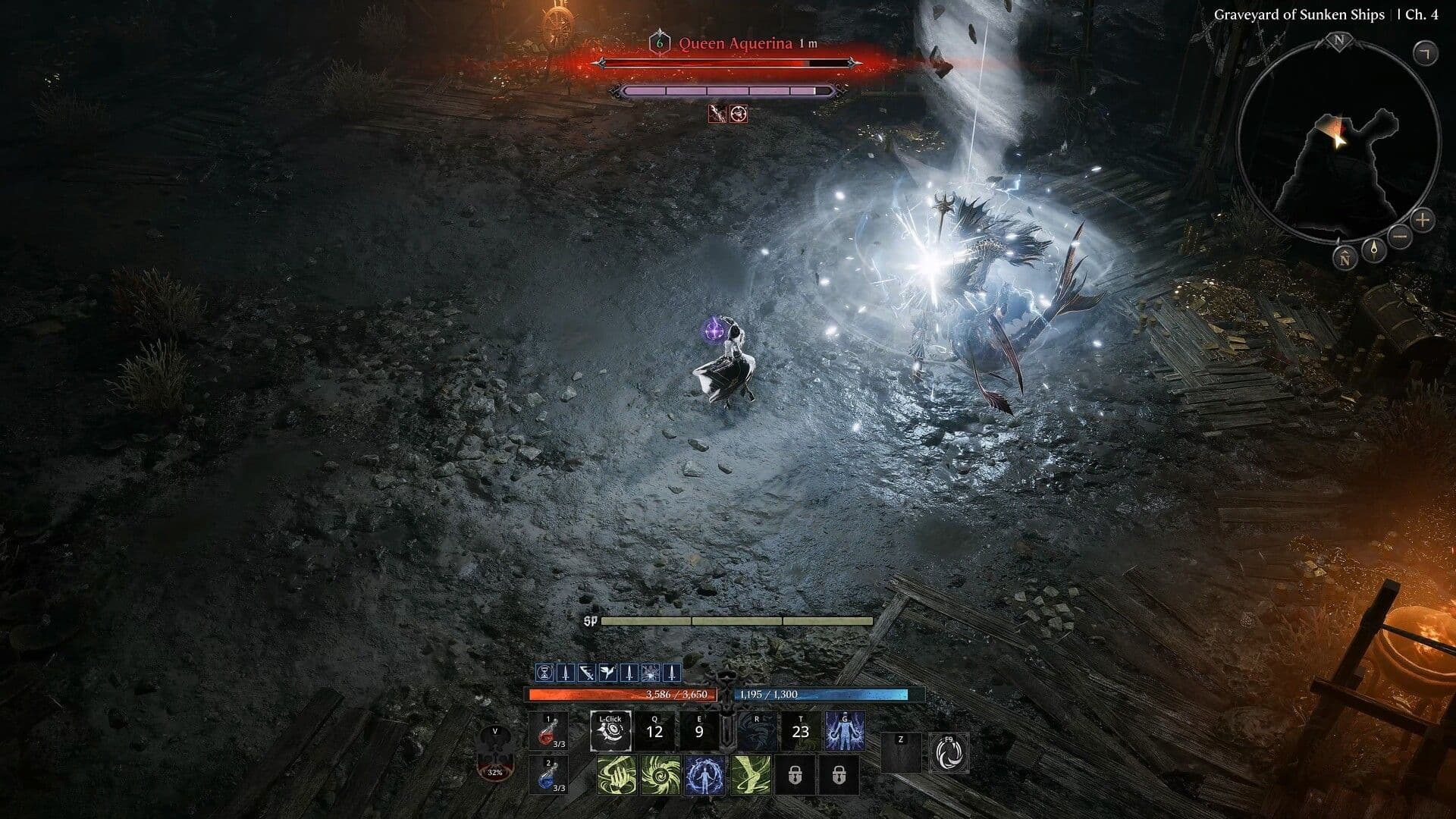
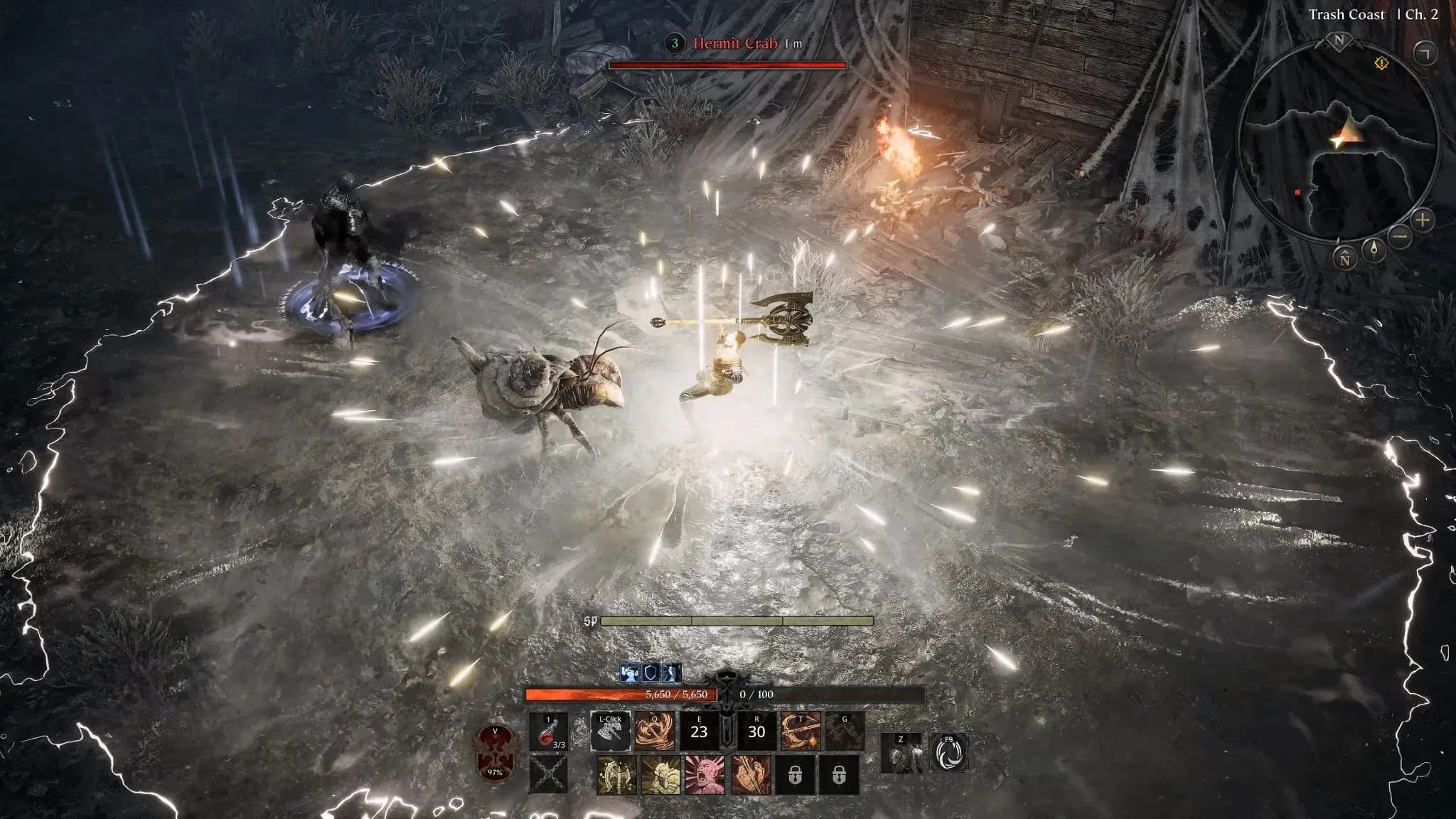
Embers of the Uncrowned is an isometric dark fantasy MMORPG developed and published by Nexon, first revealed in April 2026 and built on Unreal Engine 5. There's no full release yet — the game remains listed as "Coming Soon" on Steam, with outside trackers pointing to 2027 — but a free public demo went live during Steam Next Fest on June 13, 2026, giving players and press their first real hands-on look. What follows isn't a verdict on a finished product, since one doesn't exist; it's a close look at what that demo showed, what it left unanswered, and whether the foundation is worth keeping an eye on.
The pitch is unapologetically melodramatic. You play the passed-over, illegitimately born sibling of a soon-to-be king, watching from the margins as your brother prepares for his coronation. The ceremony doesn't go as planned: a group of elven attackers crashes the event, and your brother doesn't survive it. The elves — led by a figure named Bella, whose true, monstrous form is the centerpiece of the reveal cinematic — seize the kingdom, and the story deposits you back home as the last surviving claim on House Harborwell's throne. It's a setup that owes an obvious debt to Warcraft's opening beats and a dozen other "usurped kingdom" fantasy plots, and nobody previewing the demo has claimed otherwise.
What's caught people off guard is the presentation wrapped around that familiar frame. The opening cinematics run noticeably above the genre's usual bar, with solid voice work and cutscenes that look considerably more expensive than a first demo typically bothers with. The gore is not subtle — Nexon's own content warnings call out frequent violence, and early footage doesn't shy from it — and the elves themselves are rendered with an eye-catching, almost fashion-shoot polish that several previewers have noted borders on distracting. None of this makes the story itself more original. It does mean that, unlike a lot of gacha-adjacent MMOs that treat narrative as connective tissue, this one is at least trying to make the connective tissue look expensive.
After the opening cutscene, character creation offers detailed face and body sculpting and a range of costume options, though gender selection is listed as "coming soon" rather than available at demo time — an odd omission for a game this far into building out its character screen. From there, you're locked into one of three classes: Spectral Blade, a longsword duelist built around fast, mobile swordplay; Executioner, a giant-axe bruiser whose kit revolves around single devastating hits rather than combo strings; and Stormbringer, a ranged caster who throws wind and lightning at anything that gets close. Previewers who put ten-plus hours into the Stormbringer specifically praised its rhythm — chaining wind and lightning abilities has a satisfying back-and-forth to it — and reported reaching the demo's level cap without hitting any bugs severe enough to break the flow.
The controls are where the demo makes its first real statement of intent. Despite the isometric camera, Embers of the Uncrowned runs exclusively on WASD movement, with no click-to-move option offered anywhere in the settings that anyone previewing it could find. For a genre where click-to-move is close to a default expectation, that's a deliberate choice, and it will split players cleanly along personal preference lines rather than any objective merit — some will appreciate the direct feel, others will miss the option entirely.
The loop underneath the combat leans familiar. You gain levels, fill out a fairly conventional talent tree, and slot Skill Gems that buff specific abilities rather than grant new ones outright — more of a stat-tuning layer than a build-defining one, at least in what the demo exposed. Gear drops exist, but the emphasis so far sits more on upgrading what you already have than on chasing new pieces, an approach that several previews compared directly to Lost Ark's itemization philosophy. It's a sensible comparison: both games ask you to treat your equipment as a project you refine rather than a slot machine you keep re-rolling.
Layered on top of class and gear is a companion system — recruitable allies who fight alongside you and, per Nexon's own framing, are meant to form synergies with your chosen kit rather than simply add extra damage. The demo introduced the concept without going particularly deep into it, which is one of the clearer signs this build was a vertical slice rather than anything close to a full systems showcase. Progression materials also mention "awakening the ancient power of your bloodline" as an endgame-facing character system, though nothing in the demo let players actually test it. Treat it as a promised pillar rather than a proven one for now.
The game's stated hook beyond combat is territorial: liberate regions from elven occupation, and your starting camp grows into a proper settlement as word spreads and people migrate in. It's presented as both a narrative beat — restoring House Harborwell's standing — and a light structural one, giving solo liberation efforts a visible, persistent payoff. Domain Bosses, the cooperative encounters guarding those regions, are pitched as the first tier of group content, with full Raids sitting above them for players who want a harder, more coordinated fight. Both were shown in trailers rather than made playable in the Next Fest build, so how they actually feel in practice — whether "perfect cooperation and flawless tactics," as Nexon's own copy puts it, means genuinely demanding boss design or just bigger health bars — is still an open question the demo didn't answer.
Is Embers of the Uncrowned going to be pay-to-win? Nexon hasn't shipped a storefront yet, so nobody can answer that with certainty, but the company has staked out a public position worth taking seriously: a message on the demo's login screen states that the full release will not sell any offers that affect character progression, and that anything touching player power will be earnable through play. That's a specific, falsifiable promise rather than vague marketing language, which matters given Nexon's own history includes titles on both ends of the monetization-honesty spectrum. The free-to-play model itself is confirmed; the shape of the shop underneath it is not, and this is the single most important thing to watch for between now and launch.
One thing that stood out across nearly every preview was how actively the development team engaged during the Next Fest window. The demo's Steam page filled up with patch notes addressing specific player feedback in near real time, a level of visible iteration that's rare for a first public test and suggests a studio genuinely listening rather than just collecting metrics quietly. Player sentiment on the demo itself landed mixed — user reviews sat around the mid-fifties in percentage-positive terms across several hundred write-ups — which tracks with a build that impressed some testers with its combat feel and stability while leaving others cold on a story and presentation that, gorgeous cutscenes aside, isn't yet bringing anything the isometric ARPG space hasn't seen before.
There's also a technical wrinkle worth flagging for anyone playing on Steam Deck or similar hardware. The Next Fest demo itself didn't require the kernel-level anti-cheat that had some previewers bracing for trouble on Unreal Engine 5, and it ran on Deck without issue as a result. The full game's Steam listing, however, already discloses a requirement for Nexon Game Security, a kernel-level anti-cheat tied to a third-party EULA — so whatever ran smoothly in the demo may not reflect how the shipped version behaves on the same hardware. Nexon also discloses that AI-based tools may assist with in-game visual content, marketing materials, live chat translation, and partial dialogue localization during development and live service — a increasingly common disclosure worth noting for players who care about how a game's content pipeline is built.
Right now, Embers of the Uncrowned is closer to a single spark than a fire — bright enough to notice, nowhere near proven enough to warrant standing too close. The demo did the one thing a first demo actually needs to do: it made the moment-to-moment combat feel good and the presentation feel like more than a placeholder, which is a better starting position than most MMOs get on their first public showing. Everything that would actually determine whether this becomes a lasting game — the depth behind those Skill Gems, whether Domain Bosses ask anything of a coordinated group beyond patience, and whether that no-pay-to-win promise survives contact with a live shop — is still sitting unlit behind the curtain. Wishlist it if the demo's combat and art direction sound like your kind of thing. Just don't mistake a promising ember for a finished blaze.