 F2P · Live
Lineage 2
Aden's castles never stay in the same hands for long, and Lineage II has built an entire twenty-three-year…
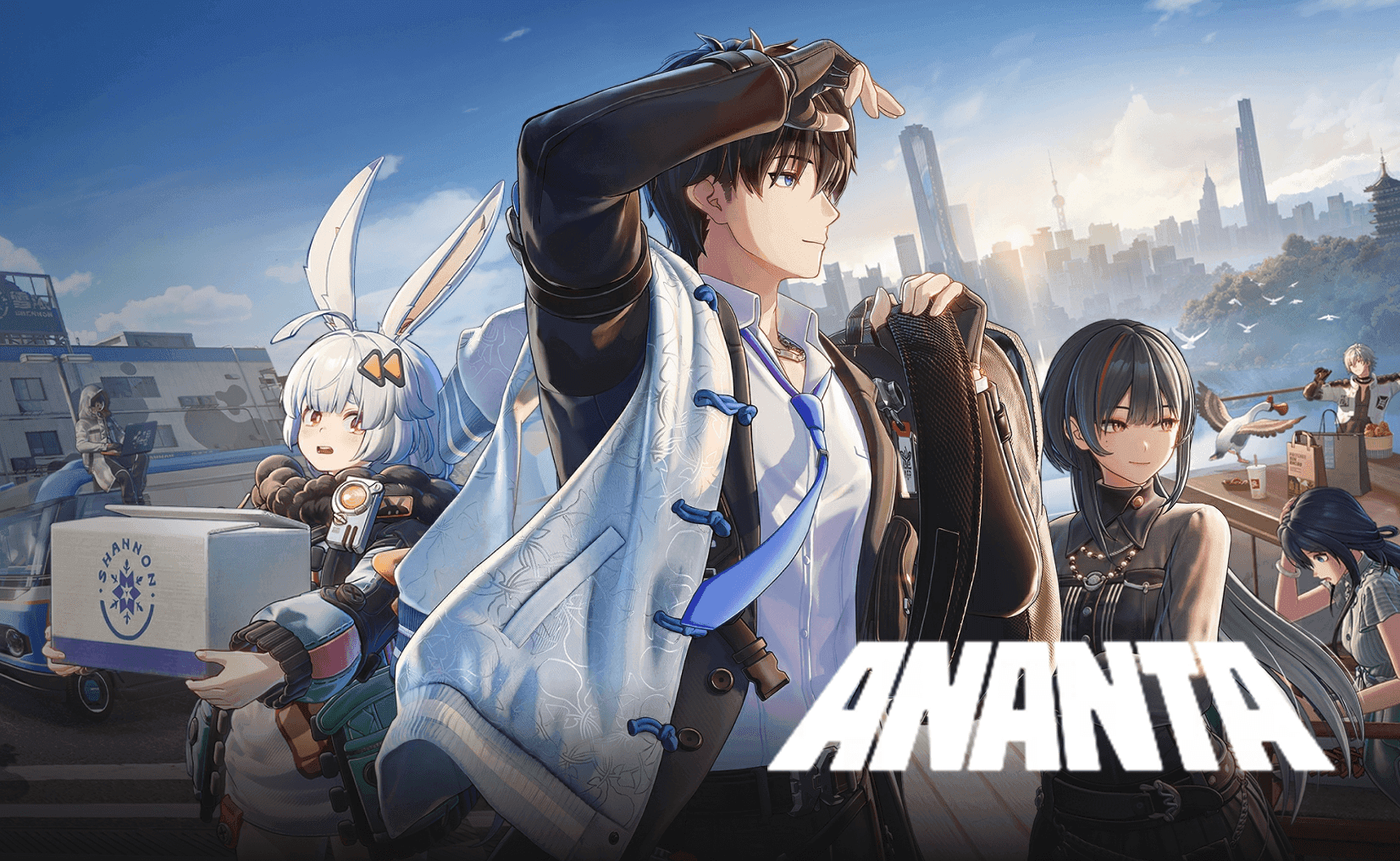
An ambitious next-generation urban open-world Action RPG built on a customized Unity pipeline (Tuanjie Engine) by studio Naked Rain and publisher NetEase Games. Set across the neon-drenched metropolis...
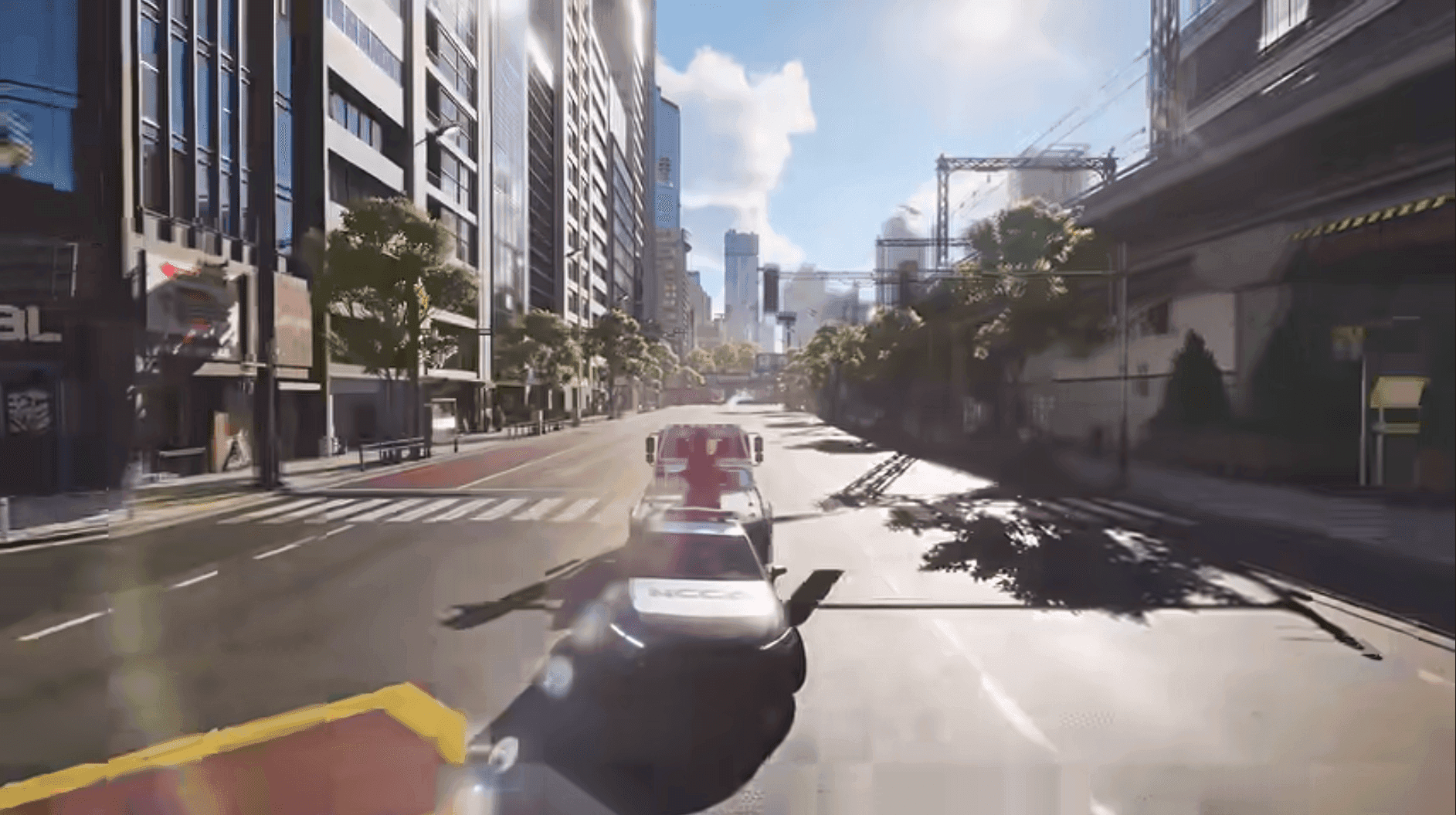
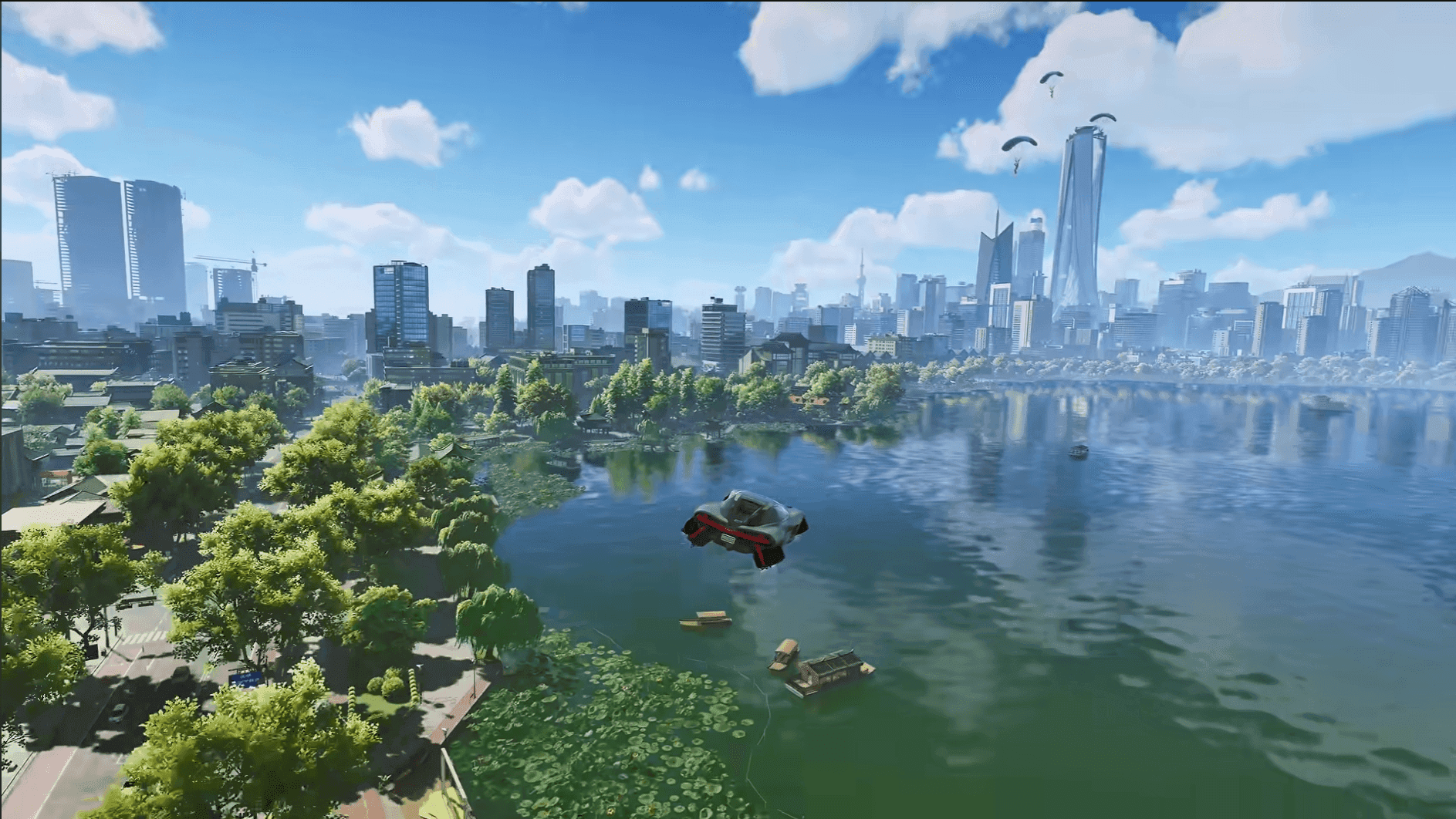
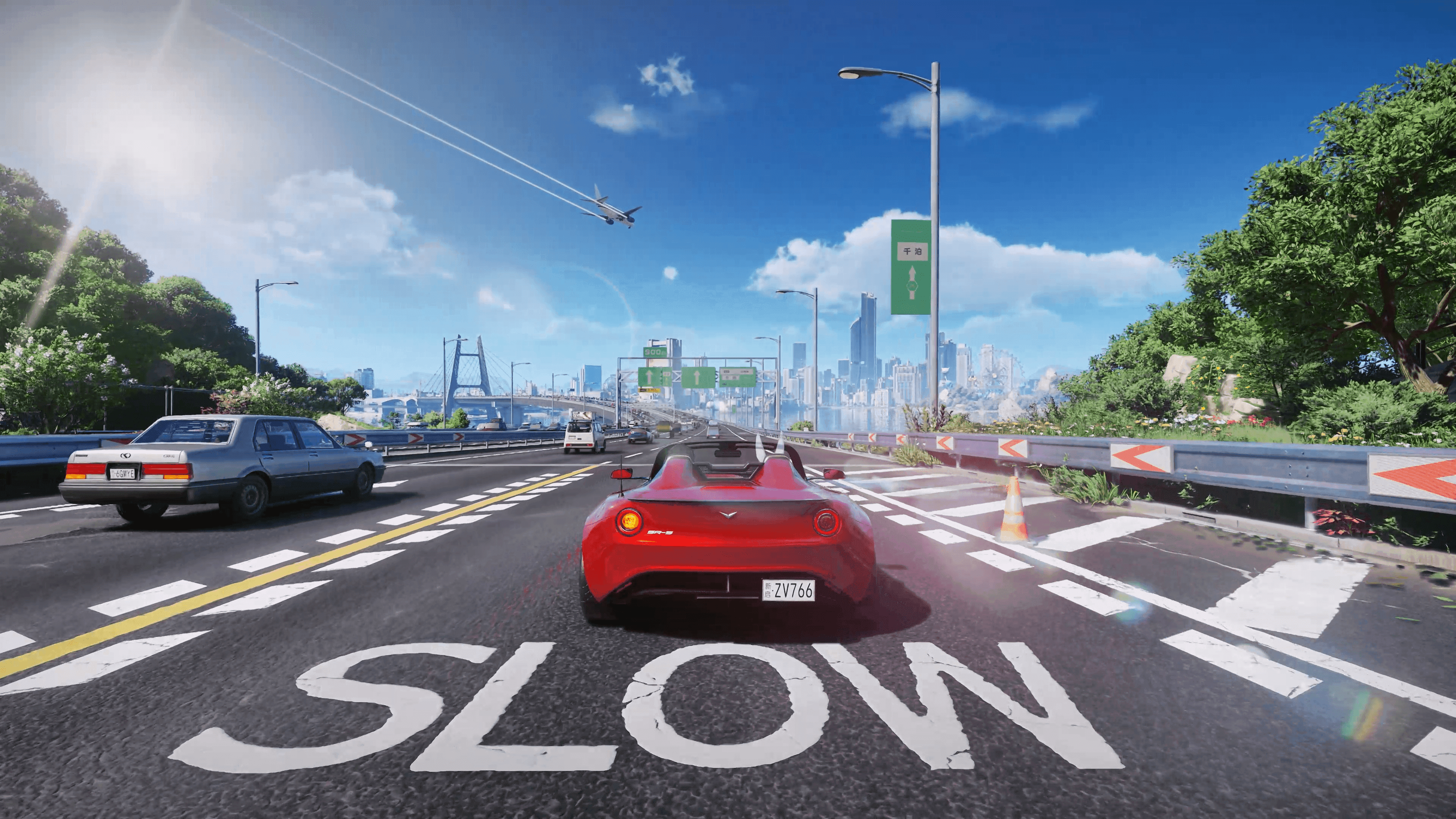
When international publishing titan NetEase Games debuted the premier trailer for a mysterious project codenamed Project Mugen in August 2023, the global gaming sphere was taken by storm. Rather than presenting another pastoral fantasy clone, the reveal unveiled the long-standing dream of millions of enthusiasts: a fully realized, high-budget urban open-world sandbox promptly hailed by the community as "anime GTA." In time, the ambitious production received its definitive title: ANANTA—a Sanskrit term signifying "infinite" or "boundless." This moniker directly encapsulates the foundational philosophy of its design: the doctrine of Unlimited Freedom across a seamless neon-drenched metropolis.
Development is spearheaded by studio Naked Rain, established under NetEase's esteemed Thunder Fire Studio branch. The team set out on a monumental objective: unifying the cinematic fidelity of modern single-player adventures, the breakneck momentum of superhero combat, and the emergent social interactivity of a persistent online service. The global premiere is officially ticking down on the portal's countdown timer: ANANTA is scheduled for worldwide release on January 15, 2027. Engineered from the ground up as a premier cross-platform release across PC, PlayStation 5, iOS, and Android, the title guarantees seamless cross-progression alongside cross-play functionality.
The narrative unfolds across the sprawling districts of Nova City, an ultramodern urban sprawl confronting a supernatural underbelly known as Chaos. Players assume the mantle of an elite field operative codenamed Infinite Trigger, serving within the secretive Anti-Chaos Directorate (A.C.D.). Blessed with rare esper sensitivities, the protagonist mobilizes an eclectic roster of gifted operatives to investigate paranormal urban legends, pacify reality-warping mutations, and preserve civil order throughout the unaware city.
Core architectural pillars distinguishing ANANTA across modern action RPG landscape:
The ambition behind the project is unmistakable: Naked Rain and NetEase are orchestrating a technological turning point, poised to elevate the standards of urban open-world gaming while demonstrating that a free-to-play framework can deliver the craftsmanship of a premier AAA blockbuster.
Across the majority of contemporary open-world role-playing games, traversal is treated as little more than a tedious chore between combat encounters—an uninspired, linear trek perpetually constrained by an exhausting stamina gauge. The architects behind ANANTA inverted this philosophy entirely: they transformed metropolitan navigation into an exhilarating, expressive core mechanic (Signature Feature) capable of standing toe-to-toe with genre benchmarks such as Marvel's Spider-Man and the celebrated cult classic Prototype.
The primary design manifesto from Naked Rain is the systematic elimination of artificial friction. In ANANTA, exploratory stamina limitations are completely discarded (Zero-Stamina Traversal). Characters maintain an endless full-speed sprint across sidewalks, mantle street barriers, slide effortlessly beneath security gates, and seamlessly transition into sprinting straight up the vertical glass facades of soaring towers (Wall-Running). The physical momentum is palpable: hitting a tower base at terminal velocity propels the operative upward, allowing them to vault off rooftop parapets directly into a heart-stopping freefall down avenue canyons.
Mid-air traversal is where the production showcases its genuine brilliance through energy-cable web-swinging (Web-Swinging). Discharging spectral anchor threads via customized esper gauntlets, operatives latch onto skyscraper corners, illuminated billboards, and towering construction cranes. The physics engine models authentic pendulum conservation: releasing tension at the trough of an arc propels you skimming over vehicular traffic at breakneck speeds, whereas releasing at apex launches you high above observation decks. Chaining directional air dashes (Air Dash) weaves aerial navigation across Nova City into an unbroken, hypnotic rhythm of gravity and kinetic mastery.
Yet vertical parkour constitutes merely one dimension of the operational toolkit. Descending to the asphalt, the experience seamlessly channels the kinetic thrills of classic urban sandboxes in the vein of Grand Theft Auto:
What remains the structural caveat of such unbridled mobility? Studio Naked Rain confronted a formidable level design challenge: preventing aerial swinging from rendering ground-level fidelity obsolete. While dense skyscraper districts provide ideal anchor geometry for web-swinging, wide coastal boulevards and expansive public plazas naturally lack overhead anchor points—organically nudging players back to street level to cruise behind the wheel or explore shopfronts and pedestrian alleyways on foot.
The vast majority of online role-playing titles confine players within repetitive medieval fantasy conventions populated by stone bastions, high elves, and wyverns. The setting of ANANTA takes an unapologetic leap toward modern urbanism, drawing sharp inspiration from supernatural anime thrillers such as Persona, Durarara!!, and psychological urban mysteries. Here, the neon signage of twenty-four-hour convenience stores casts a luminescence over ancient curses, while mirrored corporate skyscraper facades mask spatial fractures that defy the known laws of physics.
The world is anchored upon the vivid atmospheric juxtaposition of two expansive locations, each possessing a distinct social rhythm, cultural identity, and architectural personality:
Yet this vibrant civic panorama serves merely as a fragile facade. The reality of ANANTA is continually warped by the phenomenon known as Chaos—spatial-temporal anomalies where collective societal anxieties, regional folklore, and viral urban legends physically manifest in the waking world. Department store mannequins suddenly animate to stalk late-night pedestrians, commuter trains veer onto phantom subway platforms absent from municipal schematics, and digital skyscraper displays broadcast cryptic transmissions from distorted parallel dimensions.
To shield the civilian populace from existential dread and prevent mass panic, a covert government division operates under absolute secrecy: the Anti-Chaos Directorate (A.C.D.). Operatives of the A.C.D. undertake the dirty work: cordoning off anomaly sectors, erasing civilian memories under the guise of "industrial gas leaks," and deploying Espers—gifted individuals who have awakened supernatural psychic and elemental affinities.
Players step into the shoes of an elite A.C.D. investigator operating under the designation Infinite Trigger. Unlike conventional field agents, the protagonist commands a unique gift: the power not merely to perceive reality distortions, but to act as a stabilizing catalyst that mends spatial rifts. Investigating a web of seemingly isolated incidents—from the mysterious disappearance of school students during midnight downpours to anomalous overloads in municipal data centers—the protagonist gradually uncovers a dark, deliberate intelligence orchestrating the spread of Chaos across Nova City.
The core narrative triumph rests on a masterclass in tonal balance: seamlessly intertwining warm, slice-of-life camaraderie (characters sharing bowls of ramen, bantering in transit, and managing daily routines) with sudden escalations of paranormal detective noir. Naked Rain crafted an environment where progression extends beyond clearing map icons into actively savoring the metropolitan underbelly, eavesdropping on commuter gossip at tram stops, and deciphering occult graffiti scrawled across forgotten underpasses.
The combat architecture of ANANTA deliberately breaks away from static cooldown rotations and stationary button-mashing. Studio Naked Rain engineered an explosive, tactile real-time slasher merging the hyper-stylish choreography of Devil May Cry, seamless team tag dynamics, and an unprecedented level of physical environmental interactivity. Encounters unfold with the cinematic ferocity of an over-the-top Hong Kong superhero action sequence, where virtually any street object becomes lethal ordnance.
At the mechanical core lies an active strike team of four interchangeable espers (4-Character Squad), between whom players alternate instantaneously mid-combo. Unlike titles where characters merely swap in place passively, ANANTA incorporates a kinetic tag-in system (Tag-In Attack). Launching a mutated brute airborne with a crushing heavy hammer swing, hitting the tag input causes the incoming operative to vault directly into the fray, seamlessly intercepting the suspended target with a flurry of aerial kicks or mid-air pistol fire before they touch the ground.
Yet the defining signature of the battlefield remains interactive psychokinesis (Psychokinesis). The urban layout ceases to be a static backdrop, transforming into an adaptable, lethal armory:
Defensive execution places paramount weight on reflexes. The precision evasion mechanic (Perfect Dodge) rewards split-second timing with localized temporal dilation, allowing operatives to circle behind towering behemoths and strike exposed structural cores. Depleting an anomaly's stability threshold (Chaos Shield) initiates a vulnerable stagger phase, empowering the entire squad to execute synchronized, cinematic group finishers punctuated by dynamic camera angles and screen-shaking kinetic impacts.
Where does the gameplay nuance lie? The exhilarating pace and volume of reactive debris demand strict spatial discipline. In narrow backstreets or multi-story parking structures, poorly aimed telekinetic throws can rebound off structural pillars, while dazzling elemental particle cascades challenge players to discern enemy attack tells through a storm of shattered concrete and neon sparks.
In hero-roster action RPGs, long-term player investment is overwhelmingly dictated by character charisma, distinct silhouettes, and tactile feedback. The creators of ANANTA deliberately bypassed generic, cookie-cutter anime archetypes in favor of an eccentric gallery of metropolitan personalities, each deeply interwoven into the civic subcultures and clandestine undercurrents of Nova City.
Anchoring the overarching narrative is the protagonist operating under the callsign Infinite Trigger—an elite field investigator within the Anti-Chaos Directorate (A.C.D.). Gifted with the extraordinary ability to attune to spatial rift frequencies, the protagonist acts as the field conductor orchestrating a versatile ensemble of specialized espers:
The crowning achievement of the roster in ANANTA is the complete abandonment of archaic MMO role pigeonholing. There are no passive healbots or inert damage sponges; each operative functions as a completely self-sufficient powerhouse possessing distinct burst damage, defensive escapes, and unique traversal benefits across the open metropolis.
Where does the mastery curve lie? Characters feature vastly contrasting animation recovery commitments. While Alan and Dila execute rapid strikes that cancel instantly into evasive dashes, Taffy's sweeping heavy hammer swings demand strict commitment: whiffing a strike against a nimble boss leaves her vulnerable unless the player actively bails out via an on-the-fly tag-in swap.
The cardinal curse of modern open-world game design is the "empty soundstage syndrome": sprawling environments that boast immense draw distances yet remain completely devoid of tactile life outside marked quest triggers. Studio Naked Rain approached Nova City with the obsessive micro-level craftsmanship championed by titles like Yakuza and Shenmue, molding the virtual metropolis into a deeply immersive urban life simulator.
There is an irresistible temptation to set aside world-saving A.C.D. investigations simply to wander rain-slicked, neon-lit side streets. The city reacts dynamically to shifting weather: during sudden cloudbursts, pedestrians promptly unfurl transparent umbrellas and scramble beneath bus stop awnings, asphalt puddles mirror overhead neon signage with pristine clarity, and cozy basement izakayas emit the comforting hiss of grilled skewers alongside ambient chatter.
Between paranormal skirmishes, operatives can immerse themselves in an extensive array of civic leisure pursuits:
What gives this domestic layer its true staying power? The developers consciously avoided turning casual pastimes into mandatory grind loops. The game never forces hours at the arcade to unlock vital character stats; rather, it provides an authentic playground of downtime that grounds the high-octane superhero spectacle into a living, breathing anime world.
One of the most persistent shortcomings of contemporary anime-styled action RPGs is the artificial isolation of the player: worlds are rich and expansive, yet multiplayer functionality is frequently relegated to sterile, after-thought guest visits. The designers of ANANTA arrived at an organic structural synthesis: the intimate solo detective campaign effortlessly broadens into robust four-player online cooperative incursions (4-Player Co-op), transforming anomaly containment into coordinated tactical strikes.
Group content revolves primarily around isolated spatial ruptures known as Chaos Rifts (Chaos Rifts). These instanced parallel dimensions subvert foundational physical laws: elevated transit rails drift suspended in mid-air, office towers hang inverted against fractured cosmic skylines, and dark dimensional fissures spawn relentless waves of mutated urban folklore. Access to these volatile zones is coordinated via municipal A.C.D. terminals or initiated directly within the open world upon detecting seismic anomaly spikes.
While solo play tasks a single player with cycling through four squad members, cooperative mode empowers four independent players to field their selected espers simultaneously in real time. This is where the kinetic potential of the combat engine reaches its zenith:
Raid encounters represent the absolute pinnacle of encounter design. Players confront colossal multi-phase monstrosities forged from modern societal nightmares: a towering scrap-metal colossus assembled from crushed monorail carriages and bent construction cranes, or an ethereal phantom mirror queen warping the geometry of the battle arena beneath the operatives' feet.
Where does the tactical challenge lie? Cooperative incursions harshly penalize mindless button-mashing. High-tier raid bosses unleash sweeping, arena-wide devastation capable of wiping an operative's health bar in mere seconds. Success demands sharp evasion timing, coordinated deployment of Mechanika's defensive barrier grids for emergency team resurrections, and disciplined role execution during tight vulnerability windows.
For the better part of a decade, high-budget Asian free-to-play gaming operated under an unspoken, cynical consensus: if a project bears an anime aesthetic and open-world scope, it will invariably subject players to predatory gacha banners with sub-one-percent drop rates, duplicate constellation mechanics, and weapon lottery traps. That established status quo was shattered when studio Naked Rain and publisher NetEase Games dropped an industry-shaking bombshell: ANANTA officially features no character gacha system whatsoever (No Character Gacha).
This decision carries the weight of a historic precedent. Rather than forcing players to gamble hard-earned income across high-stress "50/50 pity" banners, character acquisition adheres to the dignified foundations of classical role-playing game design:
Where does monetization reside? The business model of ANANTA pivots entirely toward aesthetic self-expression (Cosmetics Only), mirroring the sustainable, consumer-friendly frameworks pioneered by global live-service titans like Fortnite and Warframe:
What is the operational catch for the studio? Dispensing with gacha psychological exploitation shifts monumental pressure onto the artistic department of Naked Rain. Sustaining continuous content updates for a massive living metropolis requires crafting undeniably desirable, top-tier cosmetic craftsmanship. For the gaming audience, however, this shift represents an unambiguous triumph: ANANTA restores respect for player time and psychological well-being to the center of modern gaming.
When early promotional footage of the game circulated across global media, enthusiast communities engaged in fierce debates: the vast majority of commentators remained adamantly convinced they were witnessing an unannounced technological showcase of Unreal Engine 5, citing its volumetric fidelity and architectural density. The broader industry was genuinely stunned upon discovering that ANANTA is built on an extensively customized foundation of Unity—specifically its high-performance architectural branch, the Tuanjie Engine, engineered to support massive, complex multiplatform deployments.
The graphics engineering team at Naked Rain pulled off an undeniable technical marvel, rebuilding the rendering pipeline from the ground up to accommodate the demands of a continuous metropolis. The visual identity establishes an immaculate synthesis between expressive anime cel-shading (Cel-Shading) and physically based material rendering (PBR):
Optimization benchmarks extend across the entire target spectrum. On desktop computers (PC), the engine provides uncapped refresh rates, ultra-wide monitor aspect ratios, and integration of modern temporal reconstructors (DLSS, FSR). The PlayStation 5 release targets a fluid 60 frames per second in Performance mode while leveraging the DualSense haptic feedback suite: players physically sense the mechanical tension of energy anchors during aerial apexes and the visceral low-frequency vibration of engine throttles.
What is the computational cost? Simulating an expansive open metropolis places severe strain on single-thread processor throughput (CPU IPC) and memory bandwidth. High-speed transit through downtown districts teeming with dynamic lighting arrays triggers massive draw call volumes (Draw Calls), meaning that legacy PC configurations and older mobile handsets will necessitate measured concessions in foliage density and pedestrian draw distances.
Over the past half-decade, the free-to-play open-world action RPG landscape grew increasingly constrained by its own self-imposed formulas. Countless productions sought to emulate the pioneer successes of the genre, offering players endless iterations of pastoral meadows, quiet medieval hamlets, and sheer cliffs where exploration ground to a halt against an exhausting stamina gauge. In stark contrast, ANANTA arrives not merely as a refreshing alternative, but as an authentic tectonic shift—a bold production daring to transplant expansive sandbox mechanics into a vertical neon-lit metropolis while returning uncompromised kinetic flight to the player.
Evaluating the magnum opus of Naked Rain alongside its industry peers crystalizes the sheer magnitude of its evolutionary leap:
Inevitably, the studio faces monumental live-service hurdles. Supporting a living metropolis of this architectural complexity through recurring seasonal updates is a formidable operational undertaking. The development team must prove that once the credits roll on the main investigative campaign, cooperative Chaos Rifts, high-tier raid encounters, and domestic civic pursuits can sustain community engagement without resorting to artificial time-gating or punitive grinds.
Yet gazing upon the global launch date ticking down toward January 15, 2027, one conclusion stands beyond question: ANANTA emerges as one of the most daring, technologically sophisticated, and hotly anticipated online projects of the decade. If the creators preserve the uncompromising vision demonstrated in their design manifestos, the industry will receive a definitive urban action RPG benchmark destined to redefine player expectations for years to come.