 F2P · Live
Lineage 2 Essence
Lineage 2 Essence is NCSoft's free-to-play take on the classic Korean MMORPG Lineage II, built around faster…
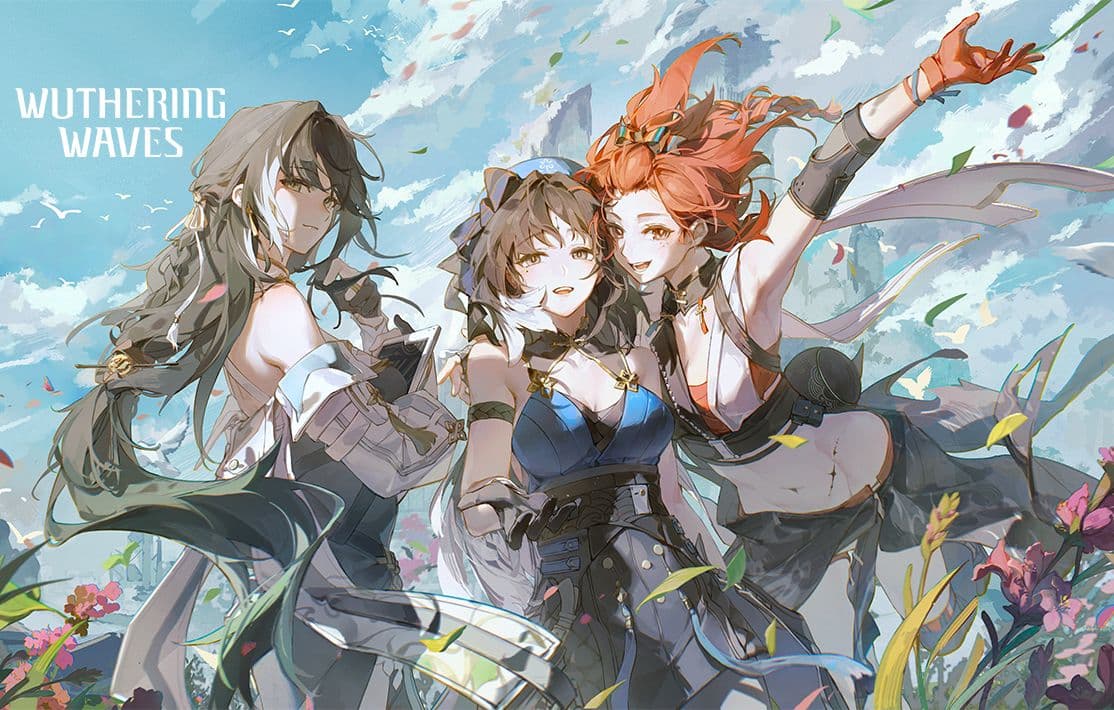
Solaris-3 is a planet still reeling from The Lament, a calamity that shattered its old world and unleashed monstrous Tacet Discords across the ruins. Wuthering Waves puts players in the role of a Reso...
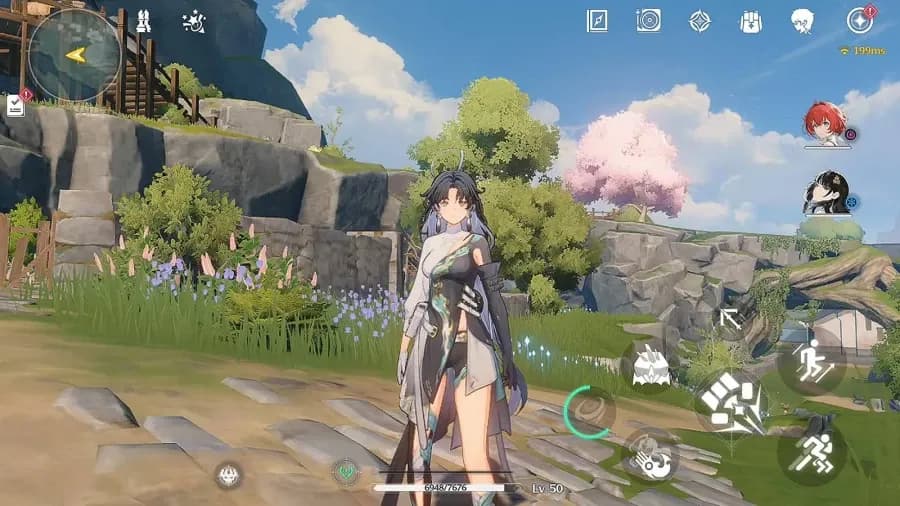
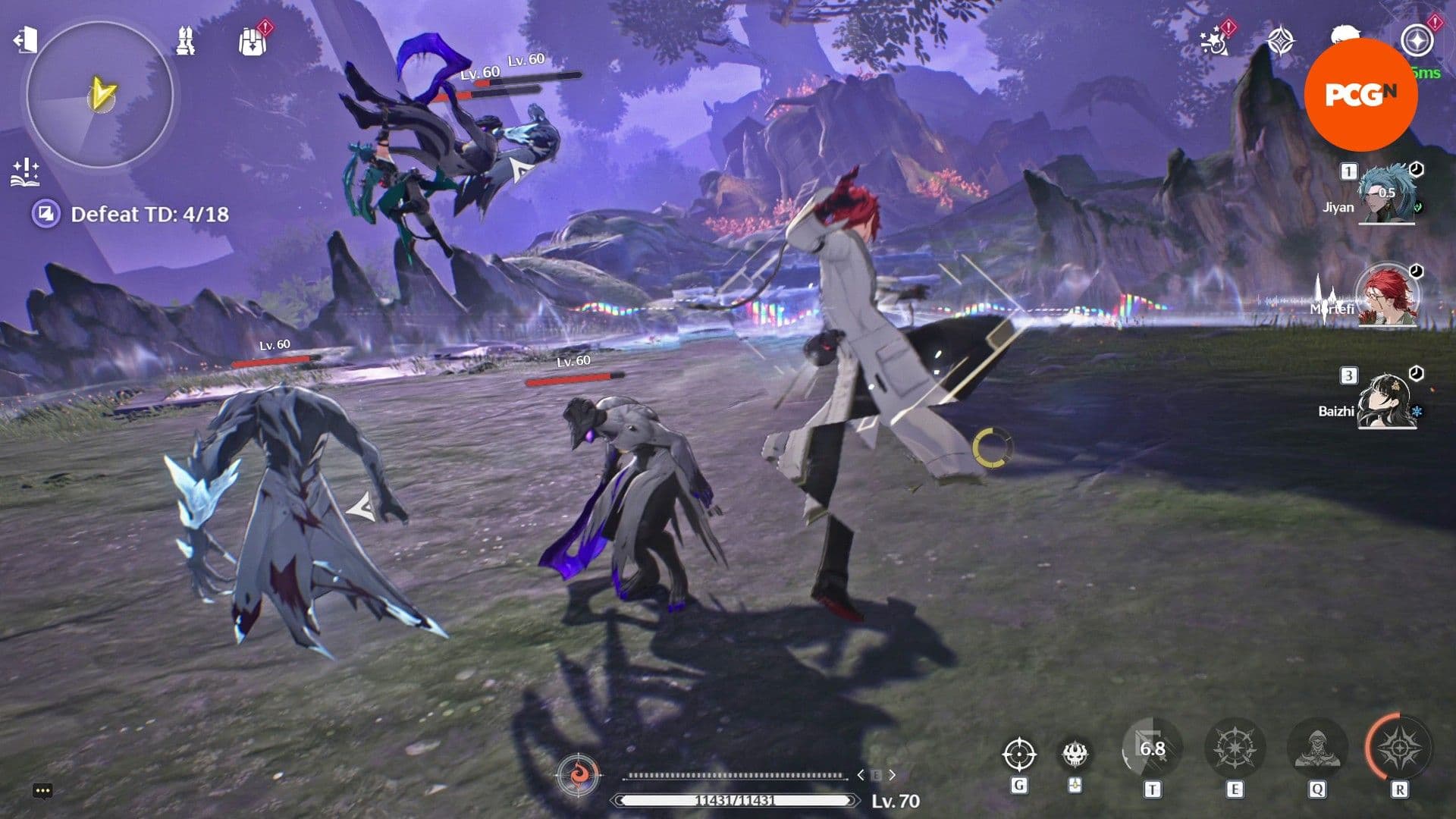
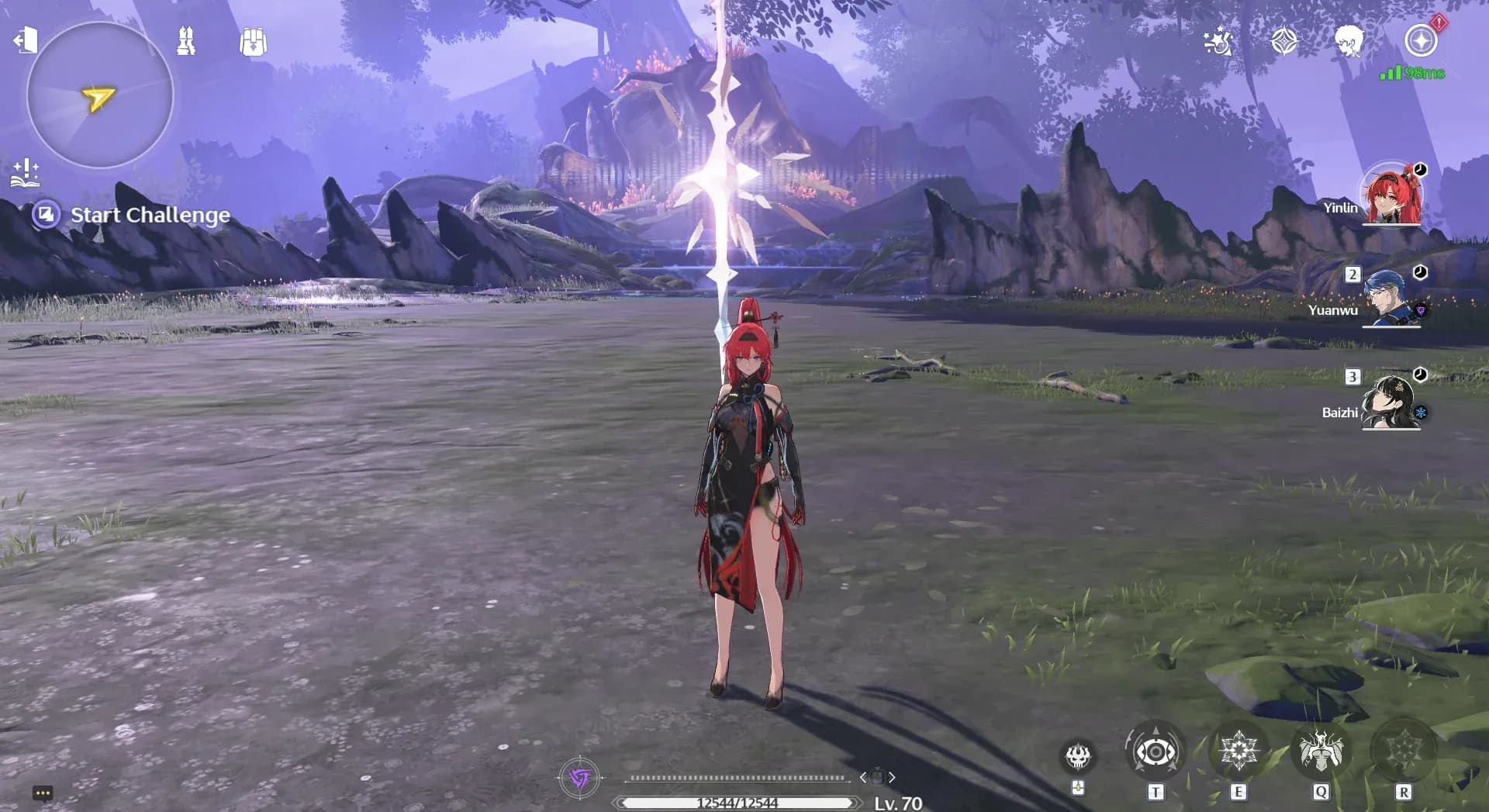
Wuthering Waves is an open-world action RPG developed and published by Kuro Games, the Guangzhou studio behind the mobile hit Punishing: Gray Raven. It launched globally on PC, Android, and iOS on May 23, 2024, added PlayStation 5 in January 2025, and reached Xbox Series X|S alongside its Version 3.5 update in July 2026 — a four-platform spread that puts it among the more ambitious cross-platform gacha releases of the last few years. Built on Unreal Engine 4, it pairs Genshin-style open-world exploration and character-collecting with a faster, more technical combat system inherited from its developer's mobile pedigree.
The planet of Solaris-3 is the kind of setting that works better in motion than in summary: a world scarred by some past catastrophe, half-reclaimed by nature, half-rebuilt by the people who survived it. Ruined highways run past living cities. Ancient automatons still patrol forests nobody programmed them to guard anymore. Two organizations recur across the story without ever fully explaining themselves early on — Startorch, an institute quietly researching the old world's leftover technology, and the enigmatic Black Shores, whose motives stay deliberately murky for a long stretch of the plot. It's a slow-burn setting more than an instantly graspable one, closer to a puzzle box than an elevator pitch, and the game is content to let players piece it together region by region rather than front-loading exposition.
You open your eyes with no memory of who you are, on a planet called Solaris-3, in a body that used to belong to someone else. That someone is Rover, and the game never lets you forget the gap between the person everyone expects you to be and the blank slate you actually are. The opening hours are mostly a walking tour of the region of Jinzhou: a tutorial dungeon, an escort quest, a handful of camera-hogging cutscenes explaining a war that ended before you woke up. It's serviceable rather than gripping — several outlets flagged the early story as the game's weakest stretch back at launch, heavy on exposition and light on hooks.
What sells the first hour isn't the plot, though. It's the way your character moves. Combat drops you into a three-person squad built around the Intro and Outro Skill system — an ability triggers on entry, another on exit, meaning swapping characters mid-fight isn't a menu interruption but a combo extender. Dodge at the right instant and the game slows time around you, opening a free hit window that rewards reflexes over gear checks. It's clearly descended from Punishing: Gray Raven's console-adjacent hack-and-slash roots, and it shows within the first ten minutes of holding a controller.
The tutorial doesn't hide the ball on this, either. Within the first hour you're already juggling three Resonators against a mid-boss that punishes button-mashing: tag in a sword-wielding attacker for a burst combo, tag out the instant its Outro Skill triggers a shield on the incoming character, then dodge through a sweeping attack a half-second before impact to trigger a slow-motion counter window. Miss the timing and you eat the hit; nail it and the fight briefly turns into a highlight reel. That's an unusually assertive way to greet new players, and it sets expectations the rest of the game is careful to keep.
Crafting, in the traditional sense of professions like blacksmithing or alchemy, isn't really part of the picture here — there's no player-run economy, no auction house, no gathering-into-recipes loop. What passes for an economy is smaller and more personal: farm materials from world bosses and weekly bosses, feed them into ascension and skill upgrades, repeat. It's leaner than games built around player-driven markets, and it means nothing here will eat the hours a dedicated crafting system would.
Progression here runs on two tracks that rarely intersect cleanly. One is your Union Level, a broad account rank that unlocks new systems, story chapters, and difficulty tiers as it climbs. The other is per-character: level caps that need Ascension materials farmed from world bosses, plus a currency grind for skill upgrades. Somewhere around hour eight or nine, the game hands you your first taste of the Echo system — essentially the artifact slot from other gacha RPGs, except you don't loot Echoes from chests, you defeat an enemy and absorb what's left of it. A boarish Tempest Mephis gets clubbed into submission, and its "Echo" becomes an equippable skill you can slot onto any character, letting a support unit briefly borrow an enemy's ranged attack pattern.
By hour ten you've usually unlocked the Expedition Motorbike, added in a later patch and retrofitted early into the new-player pipeline because it solved a real problem: the world is large, vertical, and full of climbable cliffs, and running everywhere got old fast. The bike turns traversal into its own small pleasure — carving along coastal roads is closer to an arcade racer than dead time between quest markers, and it's one of the few systems in the genre that actually improved after launch instead of just expanding.
This is where Wuthering Waves stops feeling like a Genshin cousin and starts earning its billing as a quick-swap combo ARPG rather than just another open-world collector. Team-building becomes a puzzle of Intro and Outro chaining: a Havoc-element sword user opens with burst damage, tags out into a healer whose Outro Skill buffs the next character in, who tags into a Spectro support that detonates everything you just set up. None of this is optional flavor — the highest-difficulty content is tuned around it, and characters who don't fit a rotation cleanly get benched regardless of rarity.
The world has also grown considerably by this point in an account's life. Launch shipped with Jinzhou; two years and roughly a dozen major patches later, the map has expanded through Rinascita, the Sanguis Plateaus, Chronorift Metropolis, the Fabricatorium of the Deep, Lahai-Roi, the Dimmr Plains, and, as of Version 3.5 in July 2026, the new district of Mengzhou — an eastern-flavored city built around ancient automaton architecture. Each region has arrived roughly every six weeks, a cadence Kuro has held to with unusual consistency for a live-service title this size.
Endgame in Wuthering Waves is less about a single grind and more a rotating slate of score-based combat trials. The Tower of Adversity is the anchor — a floor-based gauntlet that resets its buff conditions periodically, forcing you to reconsider team comps you'd otherwise never touch. Version 3.2 added the Endstate Matrix, a harder-difficulty mode layered on top for players who've outgrown the Tower's ceiling. None of it is mandatory: there's no subscription-style FOMO clock forcing weekly attendance, and skipping a cycle costs you cosmetic bragging rights more than actual account power.
Social systems stay deliberately light. There's no guild structure and no open-world PvP of any kind — this is a PvE-focused game through and through, built for solo play with occasional co-op drop-in for specific event content. If you're the type who wants raid nights and server drama, look elsewhere; if you want a world you can explore entirely on your own schedule, that's the design intent, not an oversight.
Wuthering Waves is free-to-play, monetized through a gacha system Kuro calls Convene. Astrite, the currency earned through normal play, converts into Tides — Lustrous Tides for the permanent character pool, Radiant Tides for limited banners, Forging Tides for weapons — and those get spent on pulls. Published rates put the base chance at a 5-star Resonator around 0.8% per pull, with soft pity kicking in near pull 65 and a hard guarantee by pull 80. Limited banners run a 50/50: hit the guarantee and you've got even odds of getting the featured character versus a random standard 5-star, but losing that coin flip guarantees the featured unit on your very next 5-star pull, capping the worst case around 160 pulls. Weapon banners skip the coin flip entirely — pity there guarantees the featured weapon outright.
So, is it pay to win? Not in any meaningful sense. Combat is built on timing and rotation knowledge rather than raw stat checks, and the community has extensively documented free accounts clearing every current difficulty tier using nothing but farmed materials and patience. Owning a specific 5-star does shave time off clears and opens stronger team comps, but it isn't a wall between you and the content the way it can be in stricter gacha titles. The predatory edge that does exist is standard-issue for the genre: limited-time bundles, a real-money Crystallo currency that discounts pulls in bulk, and banner FOMO that will happily eat a wallet if you let it.
The 1.0 launch was rough — buggy, over-written, and dogged by comparisons to Genshin Impact that weren't always kind. Two-plus years on, that reputation has largely flipped. Steam's lifetime rating sits at "Very Positive" across more than 28,000 English-language reviews (88% positive), and even the more critical last-30-days figure holds at 82% positive, which for a live-service game two years past launch is a healthier number than most of its peers manage. Exact concurrent-player figures aren't published by Kuro, but the sustained six-week content cadence, the console expansion, and the review volume all point to a large, still-growing audience rather than a game coasting on inertia. Some critics still argue it leans too hard on borrowed genre conventions to ever fully step out of Genshin's shadow — a fair critique of the broader gacha-ARPG wave, not just this one entry in it.
Judged purely on where it stands right now, rather than where it started, Wuthering Waves earns its audience. The combat is the best argument for installing it — few free-to-play RPGs ask this much of your reflexes and reward you this generously for meeting the bar. The story remains the weakest link, particularly in the opening stretch, and anyone allergic to gacha pull mechanics won't be won over by generous rates alone. But two years of near-uninterrupted content delivery, an expanding map that's now up to its seventh major region, and a monetization model that doesn't punish patience add up to a live-service game that's kept its half of the bargain with its players. If you tried it at launch and bounced off the story, the version running today plays a different game than the one you remember.