 F2P · Live
Lineage 2 Essence
Lineage 2 Essence is NCSoft's free-to-play take on the classic Korean MMORPG Lineage II, built around faster…
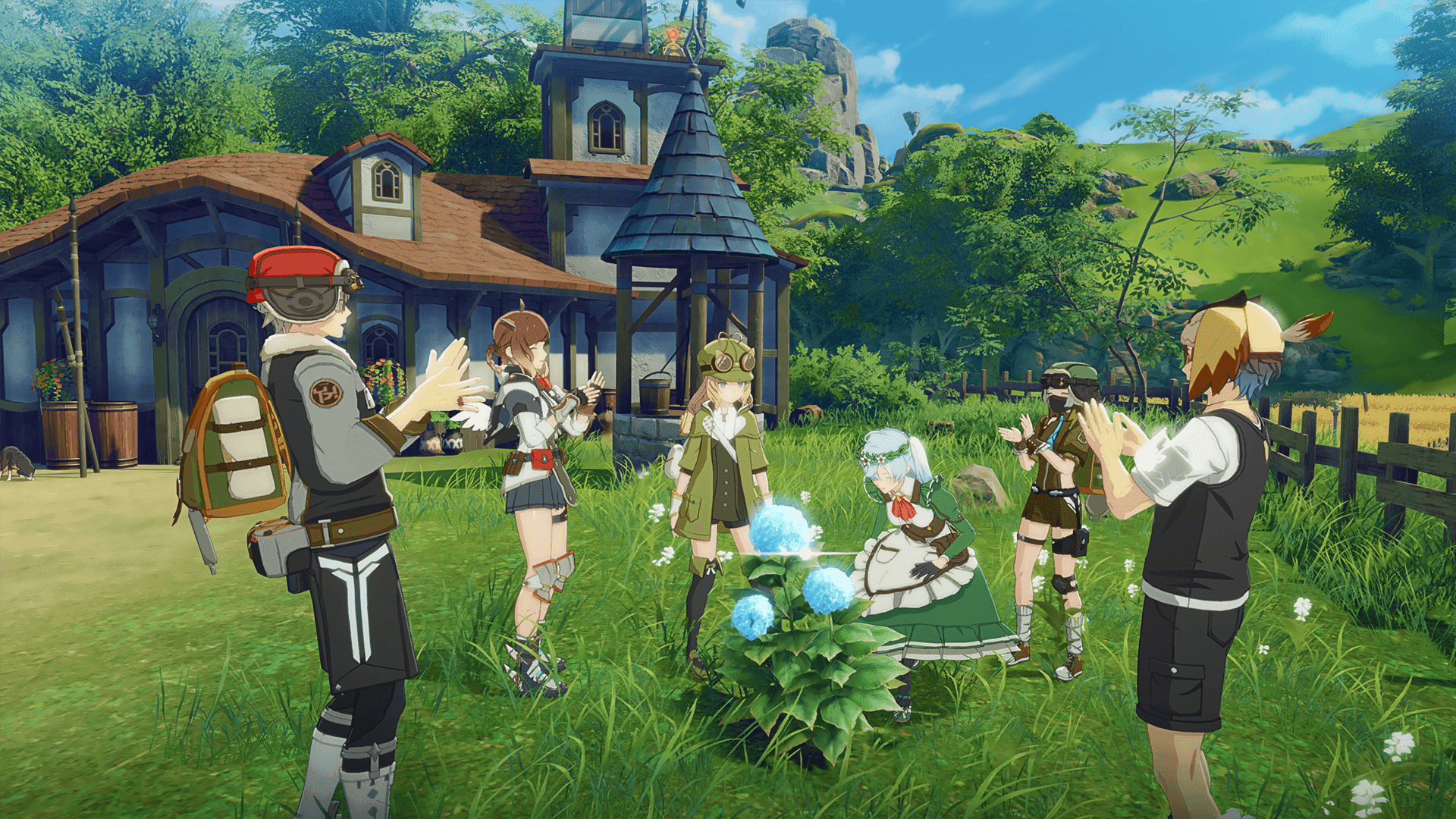
The original Blue Protocol never made it past Japan before Bandai Namco shut it down — Blue Protocol: Star Resonance carries its world forward anyway, rebuilt by a different studio for a global audien...
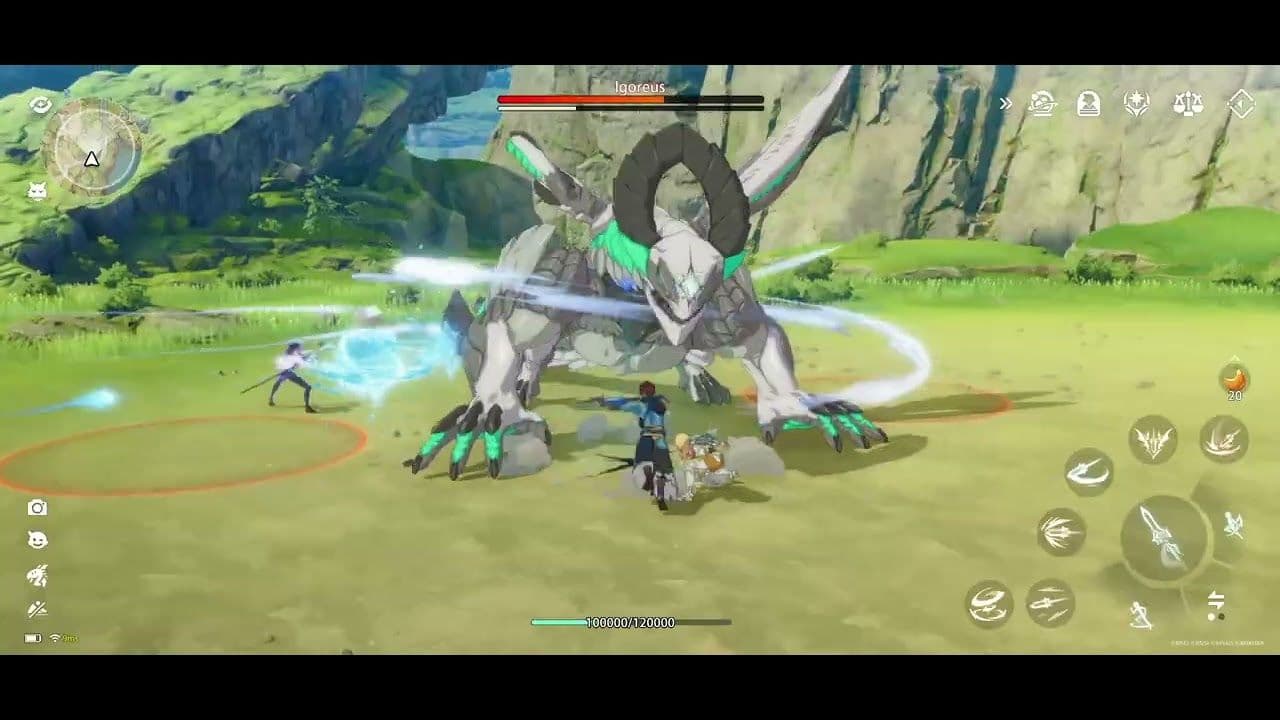
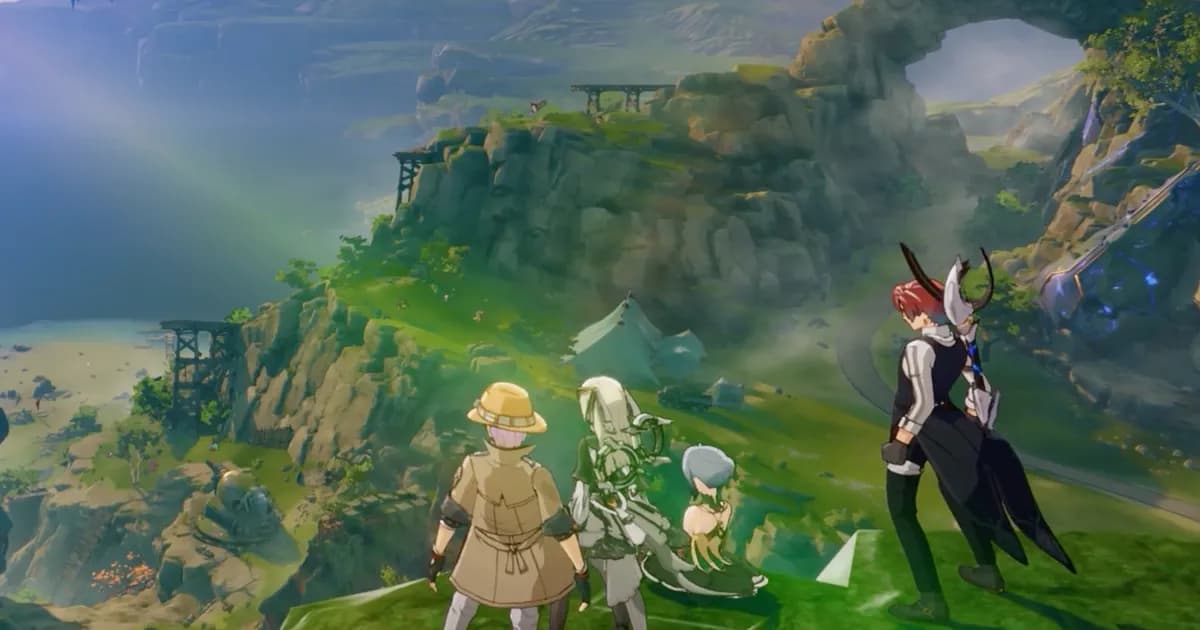
Blue Protocol: Star Resonance is a free-to-play anime-style MMORPG developed by Shanghai Bokura Network Technology (BOKURA Studio, backed by Tencent) and published by A Plus Japan. It carries forward the world of Regnus from the cancelled Bandai Namco original, rebuilt on Unity instead of the source game's Unreal Engine 4. Star Resonance launched worldwide on October 9, 2025, on PC via Steam and Epic Games Store and on iOS and Android, with a single cross-platform progression shared across all of them. Where the cancelled original never made it past Japan, this version reached a global audience from day one — a distinction that shapes almost everything about how the game is built and marketed.
Quick take: Blue Protocol: Star Resonance is a solidly built, low-pressure co-op MMORPG that earns its free-to-play label — gear comes from dungeons, not the shop — but it trades away the class depth its cancelled predecessor was known for, and its Steam player count has been shrinking steadily through 2026.
The backstory matters here more than it does for most MMORPG launches. Bandai Namco's original Blue Protocol released in Japan on June 14, 2023, built on genuine ambition — a global rollout with Amazon Games had been announced at The Game Awards back in December 2022. The Japan-only version developed a small but devoted following, partly for its combat and partly for a community trick: stripping characters down to underwear in raids to shave off texture load and squeeze out better frame rates. Western fans had reason to be hopeful too: Amazon Games' vice president at the time called it "a beautifully crafted game" built by a team that could unite the community, and the two companies described a close working relationship throughout development.
None of that goodwill translated into financial stability. Bandai Namco Online admitted insolvency-level losses as early as 2023, and the game's global blog quietly went dark that November. The closure was made official in August 2024, and Japanese servers shut down for good on January 18, 2025, without the game ever reaching players outside Japan.
Star Resonance is not a revival of that game. BOKURA licensed the Regnus setting and built its own MMORPG on top of it, with a different engine, a different combat system, and a different publisher entirely. The story has moved forward too — a third powerful race now stands alongside the dragons and the divine Bapharia people, expanding the mythology rather than retelling it. Anyone coming in fresh will find an open, colorful world of farmland, forest paths, and resource nodes with no baggage attached. Anyone who spent time with the original Japanese version will recognize place names in NPC dialogue while playing a fundamentally different game underneath them. That gap between the two audiences is worth keeping in mind throughout this review: what reads as a fresh, welcoming MMORPG to a new player often reads as a smaller, simpler one to someone who remembers what came before.
The opening hours are unglamorous by design. A new character starts with herb-gathering errands and a nearby bandit camp — nothing epic, just enough to get a feel for movement and combat before the map opens up. From there, a chain of story quests pulls the character from settlement to settlement while dropping in the game's other systems: ore near the cliffs, berries in the underbrush, fish at the docks.
Within the first few hours, players reach their first five-person dungeon, and this is where Star Resonance makes an unusually generous choice: dungeon runs cost no stamina, so there's no limit on how many times a player can farm one in a day. Each dungeon drops a fixed pair of gear pieces — a helmet and bracelet, say, or leggings and gloves — and once that pair is collected, farming the same dungeon stops paying off. Difficulty starts at two tiers, with a tougher "Master" mode unlocking later for legendary-rarity drops.
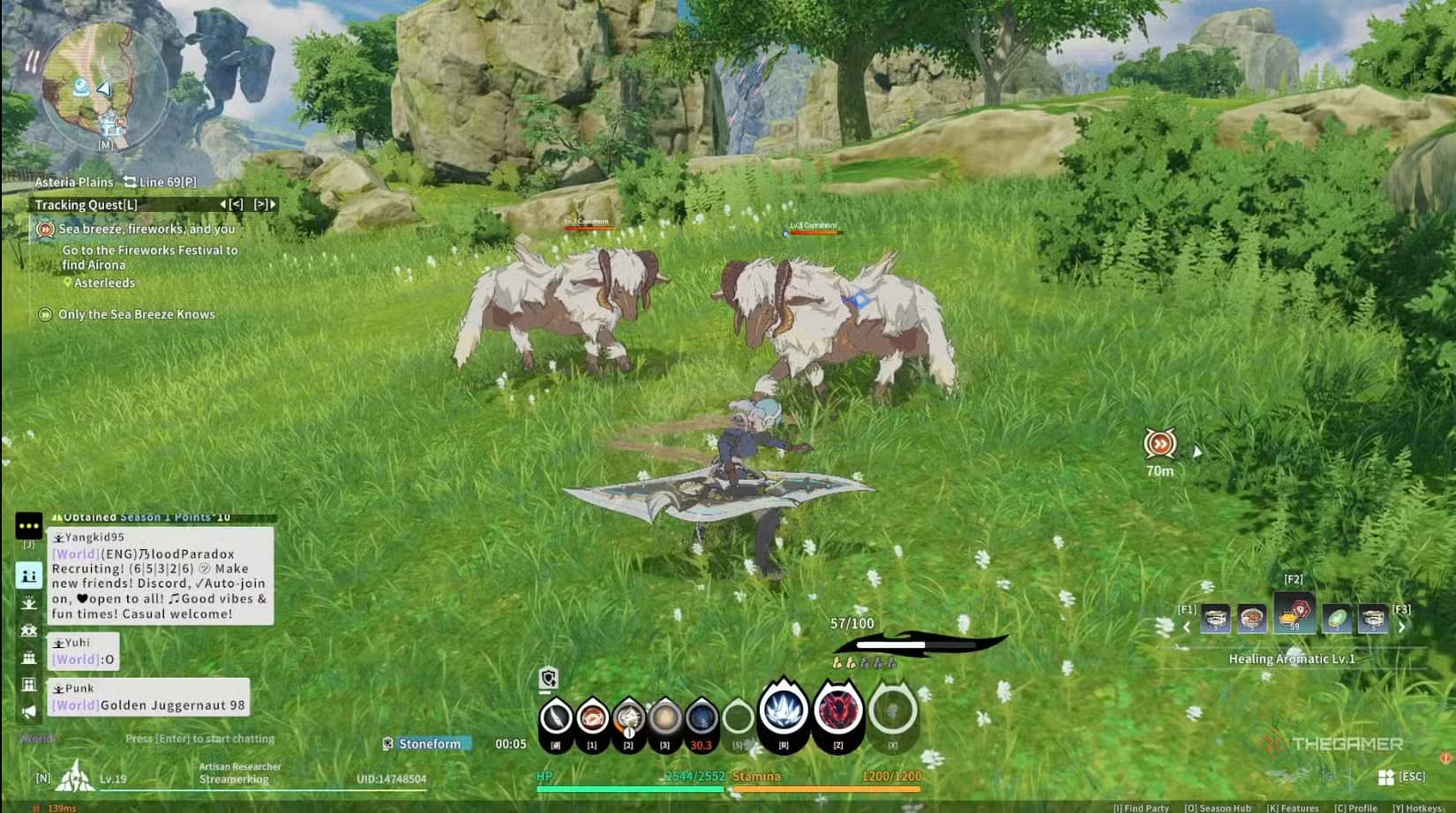
Combat runs on lock-free action mechanics — dodges, combos, and positioning matter more than keeping a target highlighted. The skill bar holds three fixed abilities tied to the class, three flexible slots pulled from that class's own skill tree, and two slots for Battle Echoes, summonable companions that boost specific attack chains. A Guardblade tank, for example, holds enemy attention with a shield and crowd control; its Earthfort specialization turns the character into a near-unkillable wall for boss fights, while its more mobile counterpart blocks selectively to conserve a defense resource for the moments that matter.
In practice, switching classes is as simple as walking into the hub at Asterlid, opening the list of unlocked archetypes, and trading a tank's shield for Twin Striker's paired blades without leaving a dungeon queue. Group combat still runs on the genre's familiar triangle once a fight actually starts: the tank plants itself between the boss and the rest of the party, damage dealers target weak points for bonus hits, and the healer tracks health bars and times defensive buffs ahead of the boss's next big attack.
Season 3 added Twin Striker, a fast dual-wielding DPS class with its own pair of specializations built around different combat rhythms.
Eight base classes each split into two specializations, adding up to sixteen distinct playstyles. Players can swap classes at any time through a hub location without losing character level — only the new specialization's talents need leveling from scratch, and raid gear automatically reconfigures itself around whichever role is currently active. For a newcomer, that reads as unusual generosity: try one class, don't like it, switch, no penalty and no second character required.
For anyone who remembers the original Blue Protocol's elemental and skill combinations, the current roster feels narrower. Every class here is locked to a fixed element, and build depth is noticeably thinner than what the closed Japanese version offered through mixing weapons and elements freely. Star Resonance clearly prioritized readability over the build variety its predecessor was known for — a defensible trade, since the whole system explains itself to a new player in minutes rather than requiring a week of experimentation, even if it costs the game some of the depth veteran fans remember fondly.
Endgame follows the genre's familiar ladder. At the bottom sit two easy daily dungeons that can be cleared solo with bots or with real players, mainly for coins that feed a class's skill tree — thirty combat trials exist in total, unlocked gradually on a timer. Above those are the five-person dungeons with fixed gear drops already described, and at the top are twenty-person raids. As of this review, there are three raid bosses: an ice dragon, a light dragon, and a harder version of one of them for experienced groups — thin content for a large-group audience, and dedicated players are likely to exhaust the current raid roster faster than the studio can add to it.
World bosses are scattered across Regnus's open areas and reward materials for upgrading talents and gear — a standard system, but one that keeps the open world feeling active outside of story content, since a field boss going down regularly pulls in whoever happens to be nearby. That open-world layer is doing more work than it looks like on paper: in a genre where field content often empties out once players clear it once for the quest reward, having a reason to return — fresh materials, a chance at a rare drop — keeps Regnus from feeling like a corridor between instances. Separate role-specific trials exist for tanks, DPS, and healers, letting players grind class talents without needing a full group. A handful of dungeons and raids have a low chance to drop a special outfit or a weapon skin envelope — worth chasing, since base weapon models look identical across rarities and a skin is one of the few ways to stand out.
Housing here isn't a decorative afterthought — it's a genuine parallel game, and it's worth understanding on its own terms rather than as a side menu tacked onto combat. Players get a personal island that can be built up with a farm and decor, and shared with friends or a guild rather than locked to solo use. Crafting draws on resources gathered in the open world: ore for gear, herbs and fish for consumables and food buffs. A bond system slowly reveals backstory for key NPCs like Darya, Boyce, and Fafala and rewards the time spent with them. Season 3 layered on a music system — guitar, keyboard, bass, and drums, played together in groups — a light social feature more than a core mechanic, but one that fits the game's generally low-pressure tone.
The leveling loop outside combat is simple to describe but genuinely time-consuming to master: gather ore and herbs across Regnus, feed them into crafting stations for gear components and buff food, then sink the surplus into island upgrades or trade it with friends visiting the same plot. None of it is mandatory to clear content, which is exactly the point — it exists for players who'd rather spend an evening fishing at the docks than queueing for another dungeon run.
Solo play isn't punished here: story missions can be soloed, and groups are mainly needed for dungeons, bosses, and seasonal events. The social layer is solid where it exists — guilds unlock joint tasks and role coordination for larger fights, and the island housing system turns co-op into something closer to hanging out than grinding together. For players who come to MMORPGs primarily for a relaxed social space rather than competitive content, that's a real strength, and it's one many faster-paced games in the genre don't bother with.
No, not in any meaningful sense. The gacha system covers cosmetics only — outfits and pets — with a guaranteed rare pull by the hundredth try. Every piece of gear that actually affects combat power comes from raids and dungeons rather than the shop; spending speeds up convenience — a battle pass with free and paid tracks, outfits, skill-bar customization — without buying direct strength. Some of the premium currency used for outfits can be earned just by exploring the world.
The one blemish isn't the monetization model itself but the content around it: in spring 2026, publisher XD Global publicly apologized to the community after unlicensed audio content was found in the game. It's an embarrassing miss more than a malicious one, but it didn't do much for confidence in the localization team's quality control. It's also worth flagging for anyone comparing notes across platforms: mobile and PC share the same account and progression, so a costume or currency purchase made on a phone shows up identically when logging in on Steam, and vice versa — there's no separate mobile-only economy to worry about.
Star Resonance's story since release maps neatly onto its own seasonal structure. Season 1 carried the October 2025 global launch and its initial burst of Steam traffic. Season 2 was quieter — concurrent player counts on Steam slid noticeably through early 2026, from roughly 4,500 in January down to about 2,400 in March. Season 3, which began May 28, 2026, reads like a deliberate correction: it added the Twin Striker class, six new dungeons, the music system, and a large crossover event with the anime Fairy Tail, letting players temporarily summon Natsu and Lucy as combat allies. It also brought a European server online alongside a full fan-made Russian localization that received official publisher backing.
None of that has reversed the underlying trend. By midsummer 2026, Steam concurrent numbers had dropped into the hundreds. That figure only captures the PC version through Steam, though — the game is cross-platform across Epic Games Store and mobile as well, so the Steam graph alone doesn't show the full player base. Still, the direction on the platform that's easiest to measure is unmistakably downward, and it would be dishonest to gloss over that.
Yes. It's fully free-to-play with an optional gacha limited to cosmetics, a battle pass, and no paid gear.
It shares the Regnus setting and lore but is a separate game by a different studio, built on a different engine after Bandai Namco's version shut down.
Not in any meaningful form at the time of writing — the game is built almost entirely around cooperative PvE content.
Yes, at any time through a hub location, without losing character level.
For a relaxed, solo-friendly co-op MMORPG with fair monetization, yes; for deep build customization, it's a step down from what the cancelled original promised.
It shares the setting but not the engine, developer, or class depth — the original offered more elemental and weapon combinations, while Star Resonance trades some of that variety for a much easier system to learn.
A community-made Russian localization received official publisher support starting with Season 3 in May 2026, alongside a new European server.
Blue Protocol: Star Resonance earns its keep as a comfort-food MMORPG: generous dungeon farming, a genuinely engaging housing system, and a monetization model that sells looks instead of power. Players chasing deep build variety should adjust expectations — the class system is simpler than what the Japanese original promised, in exchange for a much shorter learning curve and free class-switching with no penalty attached.
Anyone still mourning the original Japanese Blue Protocol will have to accept something plainer: that game isn't coming back. Star Resonance is less a sequel than an heir with a different last name — related by blood to the world it inherited, but running its own household under a different roof, with its own rules and its own quieter ambitions.