 F2P · Live
Lineage 2 Essence
Lineage 2 Essence is NCSoft's free-to-play take on the classic Korean MMORPG Lineage II, built around faster…
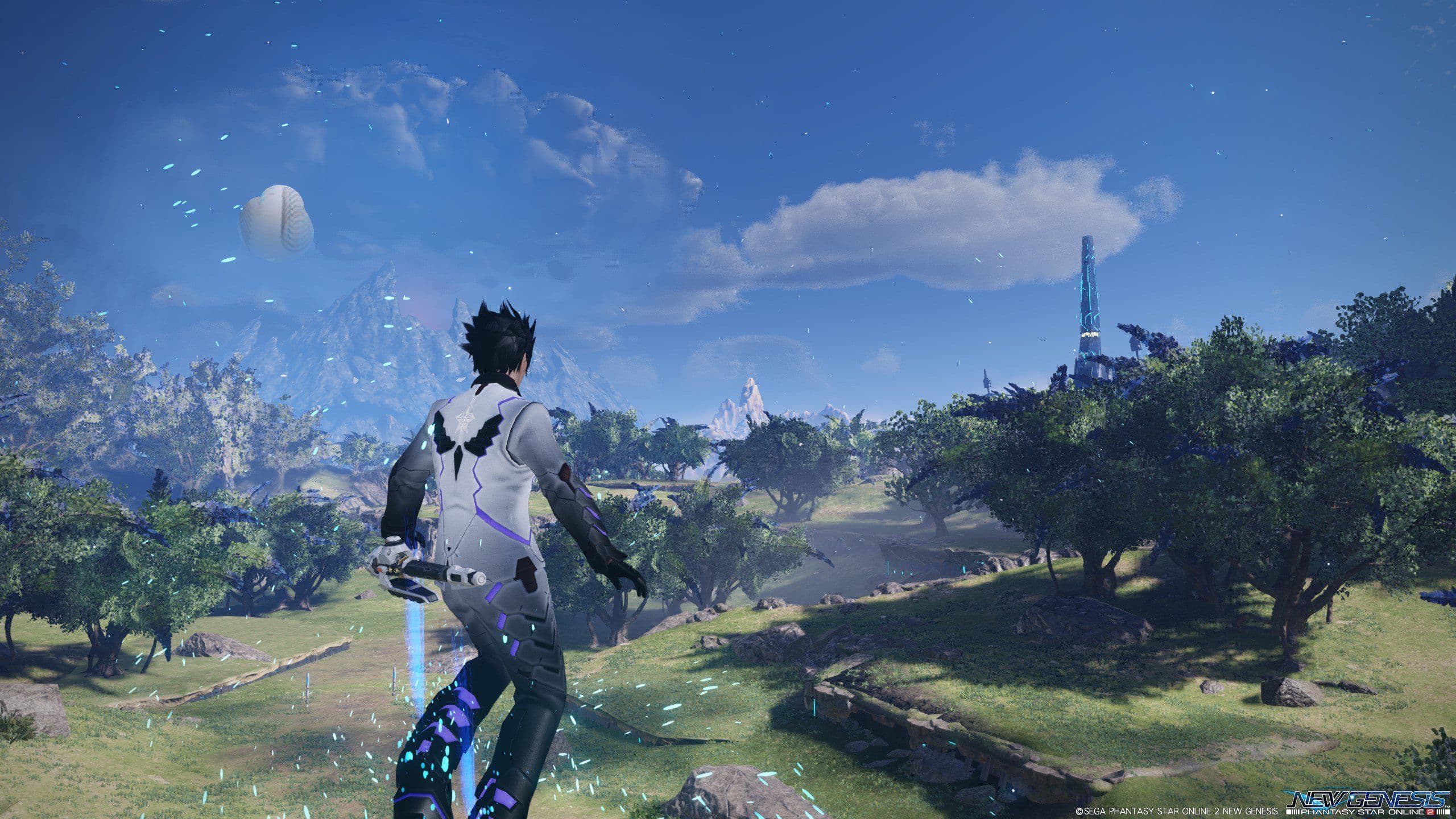
Fast, airborne action combat and a deep roster of weapon classes are the backbone of Phantasy Star Online 2: New Genesis, SEGA's free-to-play open-field action MMORPG and spinoff of the 14-year-old PS...
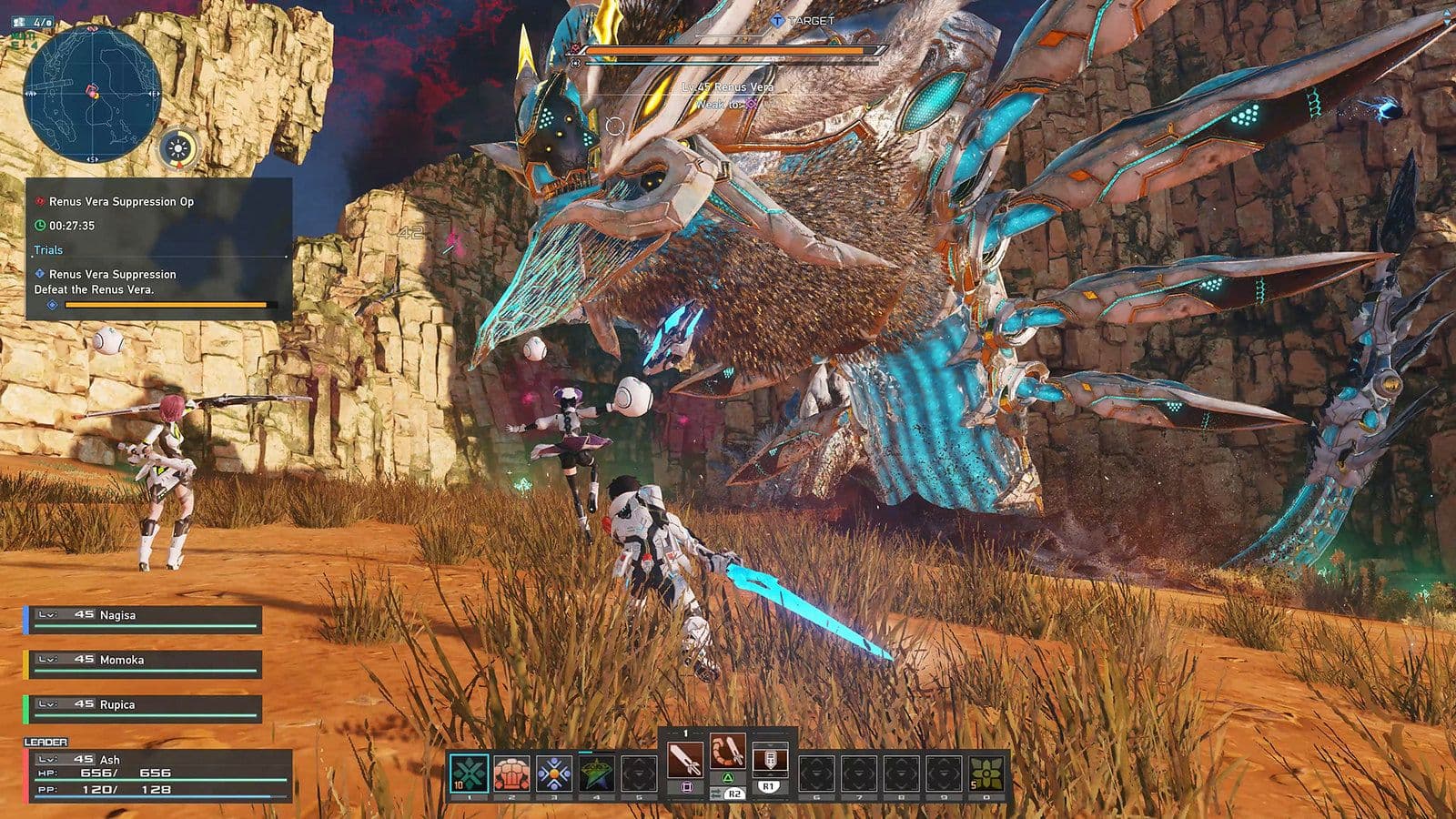
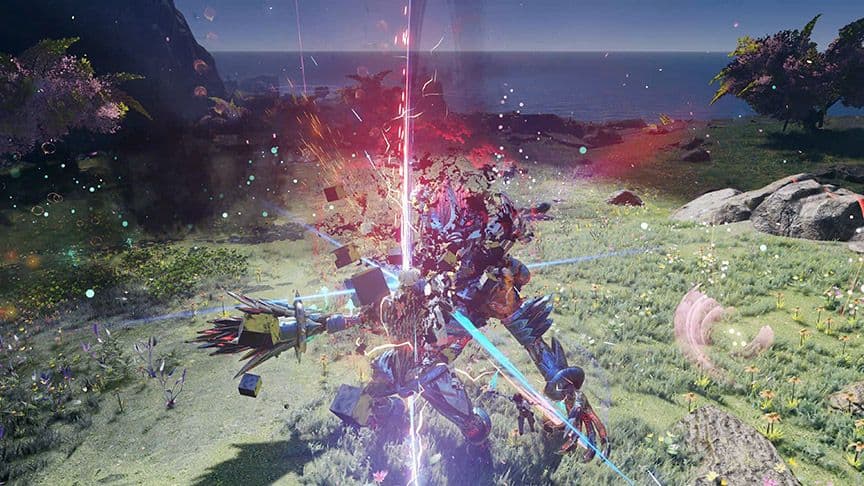
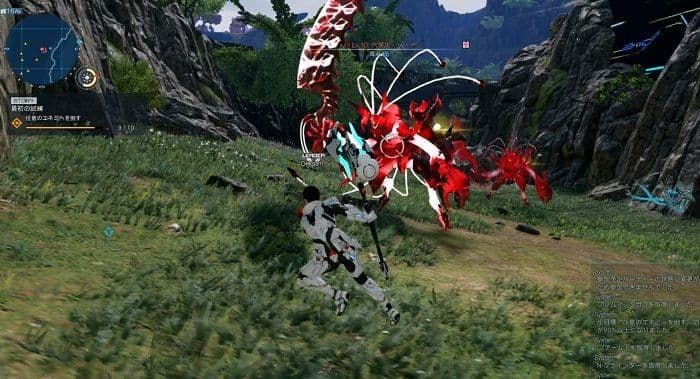
Phantasy Star Online 2 is Sega's long-running free-to-play action RPG, originally launched in Japan on July 4, 2012 and finally brought west on Xbox and PC in 2020. In June 2021, Sega rebuilt the game from the ground up as Phantasy Star Online 2: New Genesis — a parallel, graphically overhauled continuation set a thousand years after the original's story, running alongside the classic game rather than replacing it. Five years into that relaunch, with a new story chapter, a raised level cap, and a fifth-anniversary roadmap all landing in 2026, the question worth answering is whether New Genesis has grown into the game it promised to be, or is still coasting on the goodwill of a series that's been around since the PlayStation 2 era.
New Genesis moves the action from the original game's colony ship Oracle down onto Halpha, a planet the Oracle was searching for all along. It's a deliberate reset: fresh regions, fresh enemies called Dolls in place of the old Falspawn threat, and a story that's been criticized, fairly, for taking its time. Early on there's barely an antagonist to speak of — you're mostly clearing waves of Dolls across open fields while the plot assembles itself in the background. That's changed gradually rather than suddenly; Chapter 8 of the main story arrived in April 2026, and the narrative finally has enough momentum that longtime players talk about it instead of apologizing for it. If you're coming in cold, don't expect a gripping hook in the first few hours. The story is a slow burn even by MMO standards, and it earns your patience well before it earns your attention.
What New Genesis got right immediately was the character creator, and it's worth dwelling on because it's still one of the best in the genre. Sliders control everything from bone structure to skin texture, characters' fingers actually grasp weapons instead of clipping through them, and accessories can be placed at custom points rather than locked to preset slots. Almost nobody who's spent serious time in PSO2 talks about the plot first. They talk about the hours they lost in the character creator before ever touching a monster.
A new character starts with a short Photon Dive tutorial, then drops into Central City, Halpha's main hub, where you pick a starting class at the Class Counter — Hunter, Ranger, Force, Fighter, Gunner, or Techter, each tied to a specific weapon pair. From there the actual business of the game begins: you're handed Photon Dash and Photon Glide, a sprint-and-glide traversal pair that turns Halpha's open fields into something closer to a big playground than a quest corridor, and you're pointed at your first Exploration zone to farm Dolls, gather Meseta, and pick up N-Meseta and Photon Spheres for gear upgrades.
The loop that forms in your first hour looks like this: run an Exploration quest or two, pick off roaming Dolls and the odd elite variant for better drop tables, bank experience toward your level and your class's own separate level, then feed spare materials into weapon and unit enhancement at a Camp Ship terminal. Multi-weapon play is baked in from the start — you can main one class and set a second as your Subclass, mixing, say, a Hunter's tankiness with a Force's Techniques — and switching your active class costs nothing but a trip back to the counter. It's a generous, low-friction opening built to get you moving rather than reading, which suits a game whose combat is genuinely more interesting than its tutorial text lets on.
New Genesis doesn't have a crafting economy in the sense a sandbox MMO would recognize — there's no blacksmithing tree, no player-run refinery chain. What it has instead is Augmenting: you gather Augment Capsules and Enhancement Materials from Exploration zones and boss drops, feed them into a weapon or unit at the Item Lab, and layer stat bonuses on top of whatever base gear you're running. Certain fights gate specific materials behind specific bosses, which quietly turns even routine farming into a checklist — you're not grinding in the abstract, you're grinding toward a named component for a named upgrade. It's leaner than a full-blown player economy, and it means the Personal Shop functions more as a convenience market for Meseta and cosmetics than as the beating heart of the game the way an auction house does in a sandbox title.
Combat in New Genesis has no ability cooldowns in the way most action RPGs use them. Instead, every Photon Art and Technique draws from a shared PP (Photon Point) pool that drains with each use and regenerates through basic attacks and successful dodges, which means the actual skill expression is less "when do my cooldowns come back" and more "can I keep my PP topped up while chaining the right attacks in the right order." A well-played Hunter isn't spamming one Photon Art — it's alternating a close-range Photon Art, an area attack, a Just Guard timed to the half-second before a hit lands, and a directional dodge that resets the whole sequence, because sticking to one move locks you into its animation and leaves you exposed.
Each of the ten current classes — the original six plus Braver, Bouncer, Waker, and the gunblade-wielding Slayer added since launch — plays distinctly enough that switching feels like picking up a different game rather than reskinning the same rotation. Braver mixes katana slashes with bow shots at range; Bouncer knocks enemies airborne and chases them with Jet Boots or Soaring Blades; Waker summons Familiars through a Harmonizer instead of fighting directly. Class Skill Trees let you specialize further, and a well-built Subclass pairing — Hunter under a Force, for instance, trading some damage for survivability — is where a lot of the game's real depth lives, well below the surface of "shoot the Doll."
Past the early regions, New Genesis's structure widens into Alter Realm exploration zones, Trials, and scheduled Urgent Quests that pull a shipful of players into a single large-scale boss fight — the recurring Planetbreaker encounters are the current flagship version of this, escalating through numbered Ranks as the community collectively pushes a raid's difficulty tier. Sitting alongside that is the Ruinius track: bosses like Ruine Masquerader and Ruine Shraider spawn in progressively harder Depths, and clearing Rank 10 of one Depth unlocks the next, turning what could be a single boss fight into a genuine ladder with its own item rewards at each rung.
Layered on top of all of it is the Mission Pass, a seasonal battle-pass-style track handing out cosmetics, boost items, and currency for completing weekly and limited-time tasks, and a Personal Shop system that functions as the game's player-driven marketplace — list gear, camos, and materials for Meseta, and let other players buy them without a trade window. There's no dedicated raid-and-loot dungeon crawl in the classic MMO sense; the closest analogue is the rotating slate of Limited-time Quests, which run for a few weeks with their own reward tracks before cycling out and getting replaced. The honest criticism here is one Metacritic reviewers raised even in New Genesis's first year and it hasn't fully gone away: skill trees and Photon Art variety can feel thinner than the pre-relaunch game offered, and there are stretches where the loop reduces to "clear the current Urgent Quest, repeat" without much narrative texture around it. The counterpoint is that Sega has kept adding onto that skeleton steadily rather than leaving it bare — the level cap climbed to 115 in February 2026, and the 2026 roadmap frames the year as NGS's fifth anniversary with more story and systems still to come.
Competitive-minded players get a light dose of bragging rights through ARKS Records, a ranking board attached to solo boss fights like the Ruine Shraider encounter, where clear times and scores post publicly rather than feeding into any gear-power system. It's a nice touch for the min-maxers without turning the whole endgame into a leaderboard chase. Worth knowing too: the original 2012 Phantasy Star Online 2 hasn't been shut down. It runs alongside New Genesis as a separate, legacy experience — its own classes, its own decade-plus of story content — though since the June 2023 Ver. 2 update, playing it requires downloading a separate PSO2 Classic data pack rather than getting it bundled in automatically. It's a strange bit of housekeeping for new players to discover, but it means the twelve-year backlog of content is still there for anyone who wants it, not deleted the way most relaunches would have handled it.
New Genesis calls its guild equivalent a Team, and Teams matter less for gatekeeping content than for pooling resources and running Urgent Quests together, since almost nothing in the game is hard-gated behind group size the way siege or raid content is elsewhere. Personal Quarters and the Creative Spaces system, added in the June 2023 Ver. 2 update, give players an actual building tool — placeable furniture, terrain editing, shareable layouts — that turns housing from a cosmetic afterthought into something people spend real hours on. Beyond that, social play stays light: Parties for shared quests, Alliances for linking multiple Teams together, and a lobby culture built around outfit-showing rather than raid-night coordination. It's a fundamentally solo-friendly game that happens to be more pleasant with company, not one that requires it. Even the Camp Ship — a semi-persistent hub ship you can decorate and invite friends onto — leans into that same philosophy: it's a place to show off a build or a room design, not a place you're forced to log into on a schedule to keep a raid roster intact.
Here's the direct answer to the question people actually search: is Phantasy Star Online 2: New Genesis pay to win? Overwhelmingly, no — and that's the single biggest thing separating it from most of its free-to-play competition. The cash currency, ARKS Cash (AC), buys AC Scratch Tickets, but those tickets are almost entirely cosmetic: outfits, hairstyles, emotes, and weapon camos, not the weapons and augments that actually determine your damage output. Real combat power comes from playing — farming materials, running Urgent Quests, and upgrading gear you find or craft through normal progression, not from a loot box.
Where Sega does monetize meaningfully is convenience. A Premium Set subscription boosts rare drop rates, adds extra storage, and speeds up experience gains, and Star Gems — a separate currency earned partly through play and partly through purchase — buy their own rotating scratch tickets. It adds up over months, and a subscribed player will out-pace a free one in raw grinding efficiency. But nothing in that structure blocks a free player from reaching endgame content, clearing it, or fielding a fully competitive build; the ceiling is time, not a credit card. Anyone put off by gacha-driven character or weapon summoning in other action RPGs will find New Genesis a genuinely different, gentler animal.
New Genesis has never been a runaway hit in the West by the metrics people usually reach for — Steam concurrent counts have historically sat in the low thousands rather than the tens of thousands other live-service RPGs post, and that's a real number worth being upfront about, not a verdict on the game's quality. It undercounts the actual audience: New Genesis also runs on Xbox, PlayStation, the Epic Games Store, and the Microsoft Store, none of which Steam's counter sees, and the Japanese server has consistently drawn far heavier livestream viewership than the global side, suggesting a larger and more engaged base than the Western numbers alone would imply. It remains, by its own community's admission, a niche pick — drawing players more interested in action combat and deep character customization than in guild politics or server-wide events, and that's a fair description of its appeal rather than a knock against it.
What's harder to dispute is the cadence of support. Between the February 2026 level cap increase, Chapter 8 of the main story in April, and a steady drip of Limited-time Quests, seasonal Mission Pass seasons, and collaboration events (a second Touhou Project crossover landed alongside the July 2026 update) running through the summer, Sega hasn't treated New Genesis as a game on autopilot. For a title that's absorbed its share of criticism over thin systems in its early years, that level of ongoing investment is the strongest argument that the studio still sees a future in it worth building toward.
Strip away the marketing and New Genesis is a game about movement — gliding across an open field, chaining a Photon Art into a dodge into another Photon Art, watching a character you spent an hour sculpting land a Just Guard a half-second before impact. That's the part Sega has never stopped getting right, even through a rocky launch and years of fair criticism about pacing and system depth. The 2026 version is a more patient, more populated, more content-rich game than the one that opened to mixed reviews back in 2021, even if it's never going to out-shout the biggest names in the genre for attention. Halpha isn't crowded. It's still worth visiting.