 F2P · Live
Lineage 2
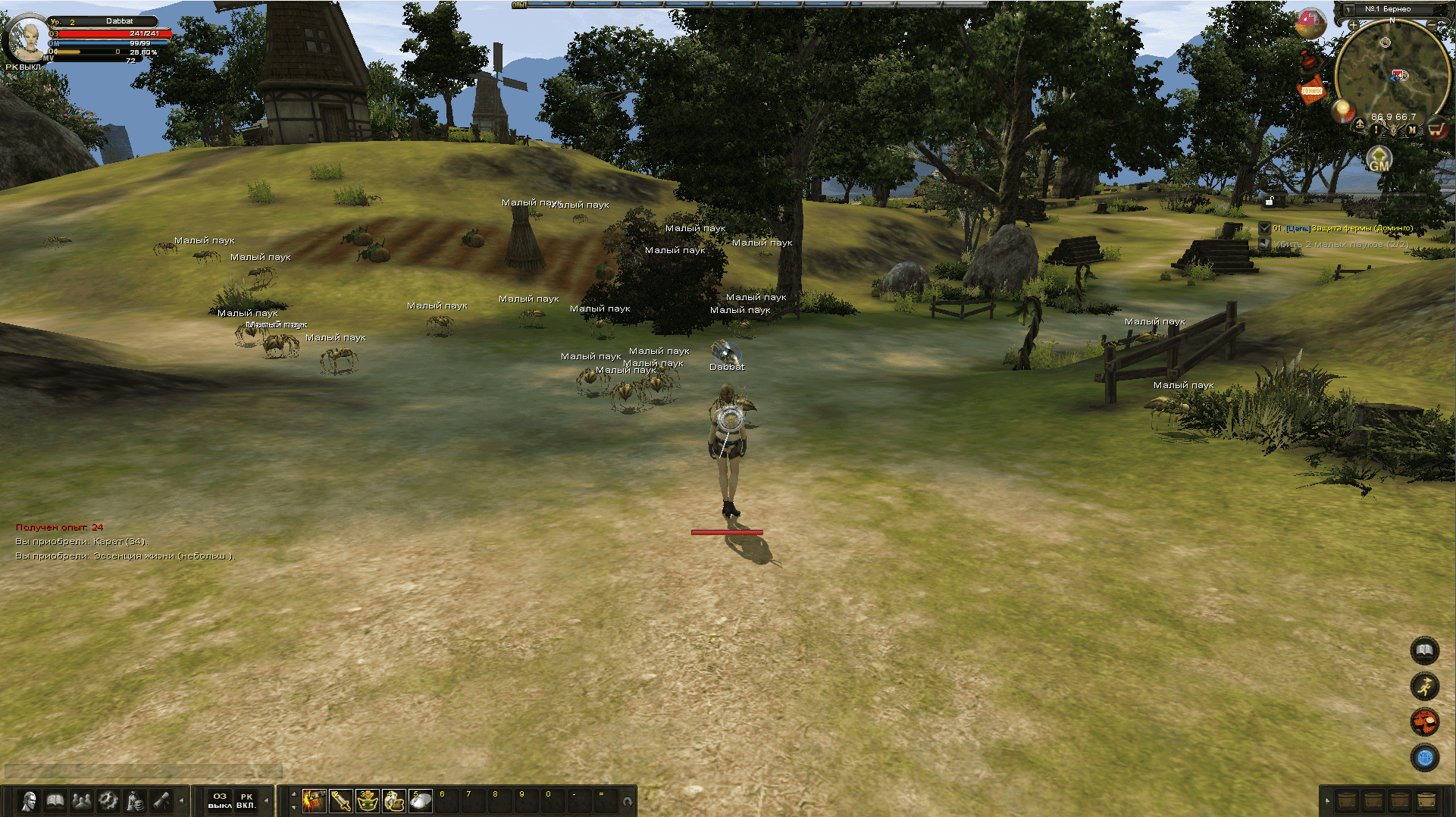
Aden's castles never stay in the same hands for long, and Lineage II has built an entire twenty-three-year…
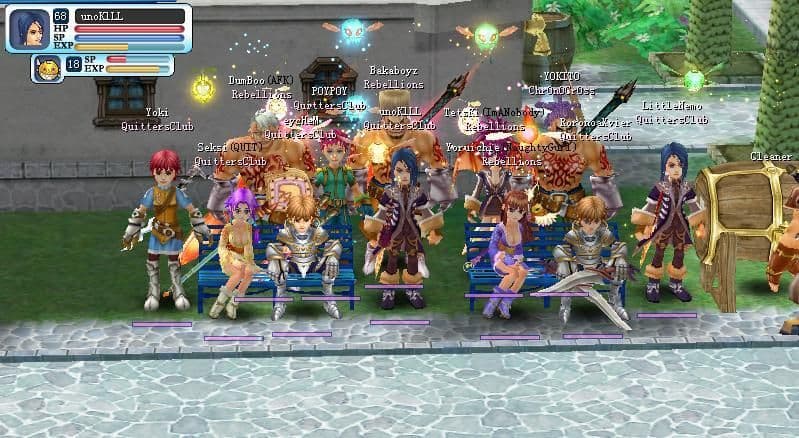
Pirate King Online began as a private continuation of Tales of Pirates II after IGG shut the original down in 2016, with fan studio ServerDev relaunching it under a new name that same year. The comica...
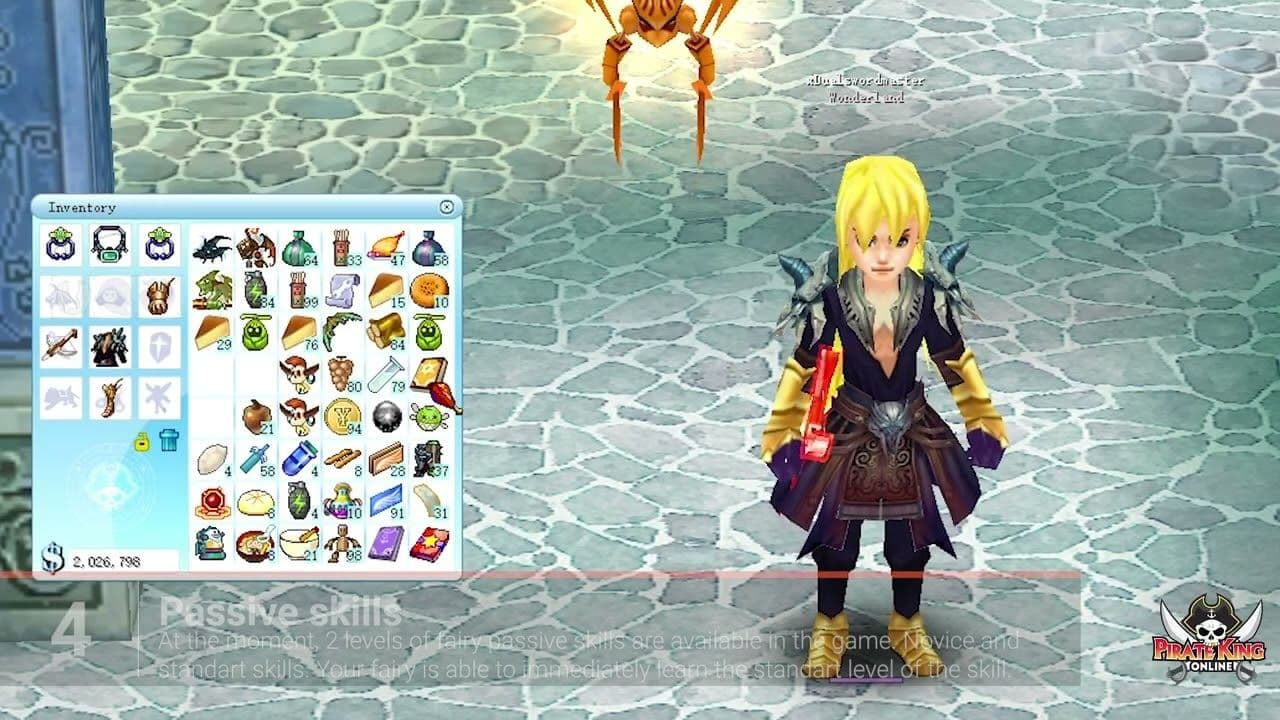
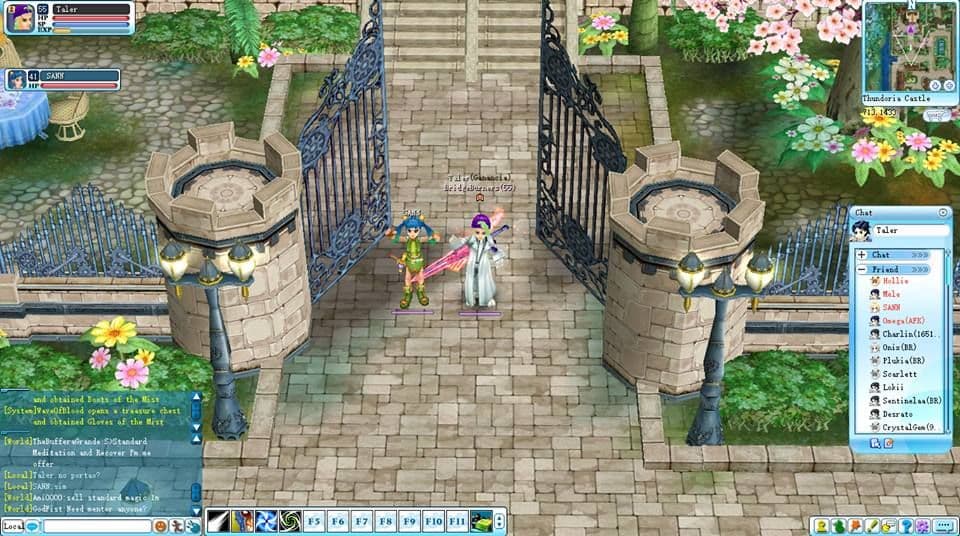
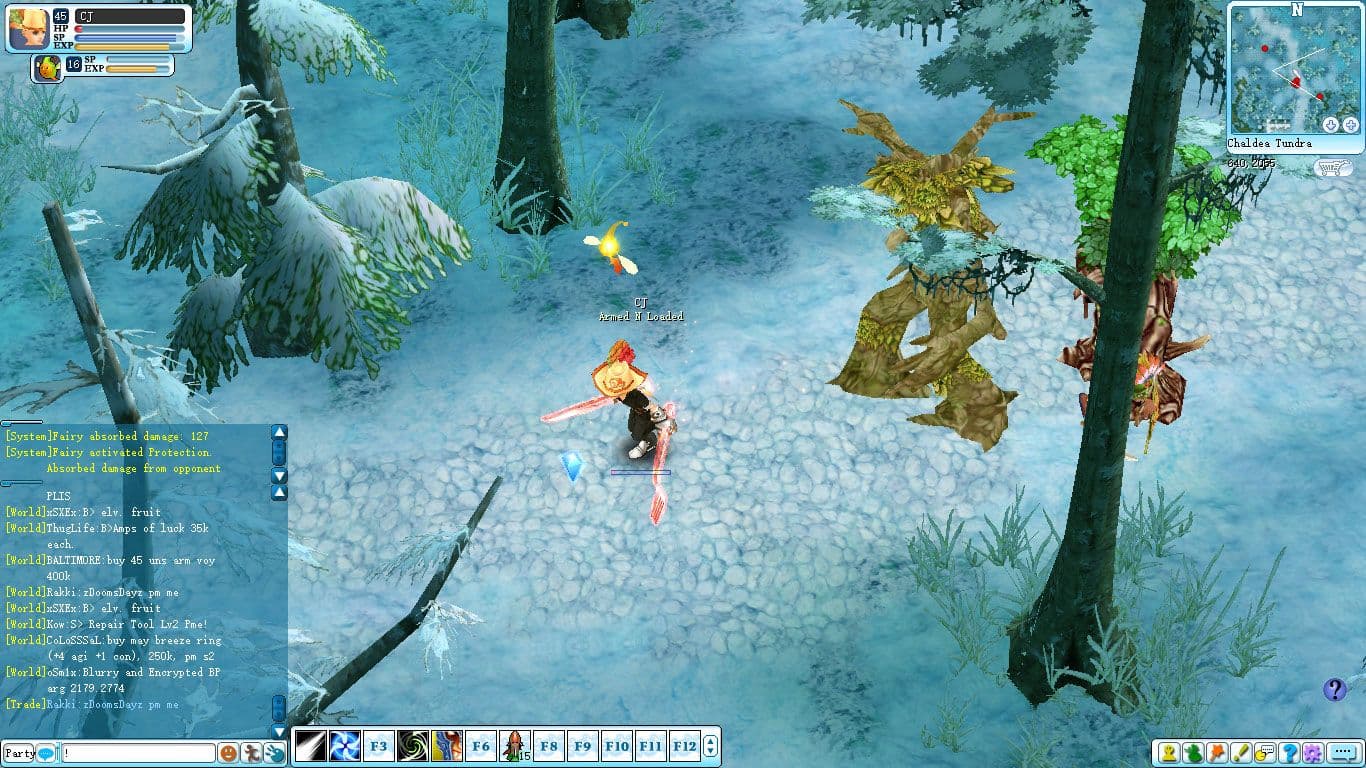
Pirate King Online began life as Tales of Pirates, a 3D fantasy MMORPG developed by the Chinese studio MOLI and published by IGG, which opened its global doors in March 2008 with a manga-flavored pirate world of swords, sea shanties, and ship-to-ship cannon fire. IGG folded the original into its sequel in 2011 and shut that sequel down for good on February 29, 2016, ending official support entirely. What survives under the Pirate King Online name today is a community-run continuation of that same client, kept alive by volunteer teams rather than a publisher, and still pulling in players who never got their fill of Argent City's docks.
The world of Pirate King Online leans into a comic, exaggerated art style rather than the grim fantasy most of the genre defaults to — bright colors, oversized weapons, and character animations that overshoot for effect the way an old Saturday-morning cartoon does. The lore claims five thousand years of history behind it, though in practice the writing is a light frame for exploration and grinding rather than a story the game expects you to follow closely. Three starting regions — Argent, Shaitan, and Icicle — each host their own early quest chain, and the overall tone stays closer to a swashbuckling romp than a serious pirate epic. It reads like a game built in the mid-2000s because it is one, and the client's age shows in its UI and its dated character models, but the color and personality of the world still land.
Zones connect through a mix of teleportation portals and open sailing routes, so getting from one island to another is rarely a chore, and the top-down camera keeps busy fights readable even when a screen fills with monsters and quest-item glitter. There's a comfortable familiarity to it: this is the same visual language that carried a whole generation of free-to-play browser and downloadable MMORPGs through the mid-2000s, and the game never tries to disguise that lineage or dress it up as something newer than it is.
New players pick from four fixed avatars — Lance, Carsise, Phyllis, or Ami — and that choice determines which classes are open to you later, since some jobs are gender-locked to specific avatars. The early hours are unapologetically old-school: clear a quest hub's worth of low-level monsters, gather quest items, and grind toward level 10, where you select your first job from four base classes. Swordsman handles melee damage, Hunter covers ranged combat with bows and firearms, Herbalist is the healer and support caster, and Explorer leans toward utility and eventually seafaring. None of this reinvents the job-class formula, and the game doesn't pretend otherwise — it's the same tutorial-to-first-job pipeline players were running in 2008, republished with a community team keeping the servers lit.
At level 40, each base class advances into a specialized second-tier job through a dedicated quest chain: Swordsmen split into Crusaders or Champions, Hunters into Sharpshooters or Seal Masters, Herbalists become Clerics, and Explorers become Voyagers. Each advancement quest is its own small errand — collect a set number of drops from a named monster, return to an NPC, repeat — and completing them is treated as a genuine milestone rather than a formality. Past the leveling curve sits the Rebirth system, a prestige loop available from level 75 onward that resets your stats and skill points in exchange for a permanent power bump, a class-swap option if you want one, and a cosmetic set of wings with a boss-kill glow effect that visibly marks veteran characters in a crowd. A second Rebirth tier goes even further for players willing to grind the requirements twice over.
The honest caveat here is pacing. This is a grind-heavy game built before modern quality-of-life expectations existed, and repetitive monster-clearing is the backbone of getting anywhere. Community servers have tried to soften that with adjustable experience multipliers — some run at 15x or 20x rates specifically to cut the worst of the tedium — but the flagship server keeps things closer to the original rhythm, which means slower, more deliberate progress than most modern MMORPGs would ask of you.
The feature that gives the game its name unlocks at level 15: players can purchase and captain their own ship, opening up sea travel between the game's scattered islands and, more importantly, ship-to-ship combat on open water. Vessels can be upgraded and customized, with stat improvements that matter directly in naval skirmishes against other players or sea monsters. It's a smaller system than the naval sandboxes built by dedicated pirate MMOs, and it functions more as a travel-and-combat layer bolted onto a standard land-based MMORPG than as the game's central pillar — but it's also the one system here that still feels distinct from the generic fantasy grind surrounding it, and it's why the pirate framing isn't just cosmetic paint over a reskinned fantasy template.
Beneath the combat sits a dense, if unglamorous, production layer: a manufacturing system for gear, a separate cooking system for consumables, and an equipment-forging loop that runs through gem combining, apparel fusing, and socket-making. Gems themselves have their own upgrade path — Broken gems refine into Cracked, then Chipped, then Unique — and the rarest tier, Black Dragon gems, are capped at a lower upgrade ceiling specifically because of how powerful they are. Layered onto all of this are Fairies, pet-like companions that level up alongside their owner, boost stats, and assist directly in fights; a dedicated Fairy Marriage system lets players formalize a bond between their fairy and another player's, which is a small but genuinely unusual social touch for a game this old. Trading between players runs through a direct trade window rather than a centralized auction house, supplemented by Offline Stalls that let a character keep selling goods to passersby while its owner is away from the keyboard.
The dungeon list scales with the level ladder rather than existing as a separate endgame track: Forsaken City covers the 30–45 range, Dark Swamp picks up players from 40 to 55, and the Black Dragon Lair and Demonic World wait at 50 and beyond for characters chasing the game's best crafting materials and equipment. Lone Tower Maze adds an instanced puzzle-and-combat gauntlet distinct from the open grinding zones. None of it is mechanically deep by contemporary raid standards — expect tab-target combat against monster packs rather than choreographed boss fights — but the dungeon list does give leveling a series of concrete waypoints instead of leaving players to grind open fields indefinitely.
Outside the level-gated dungeons, Wowo Treasures and timed treasure-map events add a lighter, repeatable layer of PvE — dig up a marked location, fight whatever guards it, and walk away with gear or crafting components without committing to a full instance run. It's a small system, but it gives players without a party on hand something worthwhile to do solo between the bigger dungeon pushes.
Player-versus-player combat runs through several separate systems rather than one unified mode. A dedicated Bar PvP system offers structured, contained fighting away from the open world, while instanced mazes and open-world zones both allow PK combat for players who want the stakes higher. Sacred War, a recurring large-scale guild event, has been one of the community's most consistently anticipated fixtures since the original IGG era, and its return on community servers tends to draw noticeably more concurrent players than an average evening. Class balance here is a fair target for skepticism — a nineteen-year-old job system was never going to be perfectly tuned by 2026 standards, and veteran players openly discuss which advanced classes carry PvP and which ones don't.
Guild membership gates access to Sacred War and most of the game's organized PvP, and an active guild is where the social fabric of the game actually lives — the open world itself is quiet outside of event windows, population-wise, and guild chat is where most of the coordination happens. Beyond formal PvP, the game supports a Mentor and Disciple system that pairs veteran and new players together with mutual rewards, a detail that speaks to how much of this game's remaining audience is built on returning players teaching newcomers the ropes rather than a constant stream of first-time arrivals.
One unexpectedly modern touch: the flagship server supports optional two-factor authentication on accounts, alongside item-locking stones that prevent equipment from being traded or dropped without an explicit unlock. For a game whose economy still runs on direct player trades rather than a moderated auction house, that kind of account-security tooling matters more than it would in a game with sturdier built-in trade protections.
The item mall sells apparel and cosmetics, tickets for fast travel and instance access, forging materials, and character-utility items like skill-reset scrolls and hairstyle books. The detail worth flagging is RUM, the game's premium currency: players can buy it with real money, but they can also trade it to other players at a fixed exchange rate, which functions as an informal gold-for-cash bridge not unlike a subscription token in bigger MMOs — free players can earn RUM in-game and sell it rather than paying directly. Equipment forging and gem-socketing carry a real risk of destroying gear on failure, and Insurance Cards purchasable from the mall protect against that outcome, which edges toward pay-to-win territory in the specific sense that spenders can gear up with less risk than free players taking the same gamble. It isn't the aggressive, omnipresent monetization of a modern gacha title — there's no daily countdown timer pushing purchases — but it's also not the "no pay-to-win" claim some rival community servers advertise under similar branding. The fairer read is that money buys convenience and reduced risk rather than content access itself, and a patient free player can still reach the same endgame systems everyone else does.
Pirate King Online is less a live-service product than a ship that its own crew refused to let go down — nobody at IGG is steering it anymore, but the people still aboard have kept the sails patched and the cannons loaded for the better part of a decade. If you're drawn to the specific pleasure of an old, unpolished MMORPG with real production depth and a working naval PvP layer, and you're willing to grind at 2008 pace with a volunteer-run community rather than a studio at your back, there's a genuine game here worth boarding. If what you want is a maintained, balanced, actively marketed live-service experience, this isn't that ship, and you should look elsewhere in the genre. Just make sure you know which port you're actually docking at — with several servers flying the same flag, it pays to check which crew you're signing on with before you set sail.