 F2P · Live
Lineage 2
Aden's castles never stay in the same hands for long, and Lineage II has built an entire twenty-three-year…
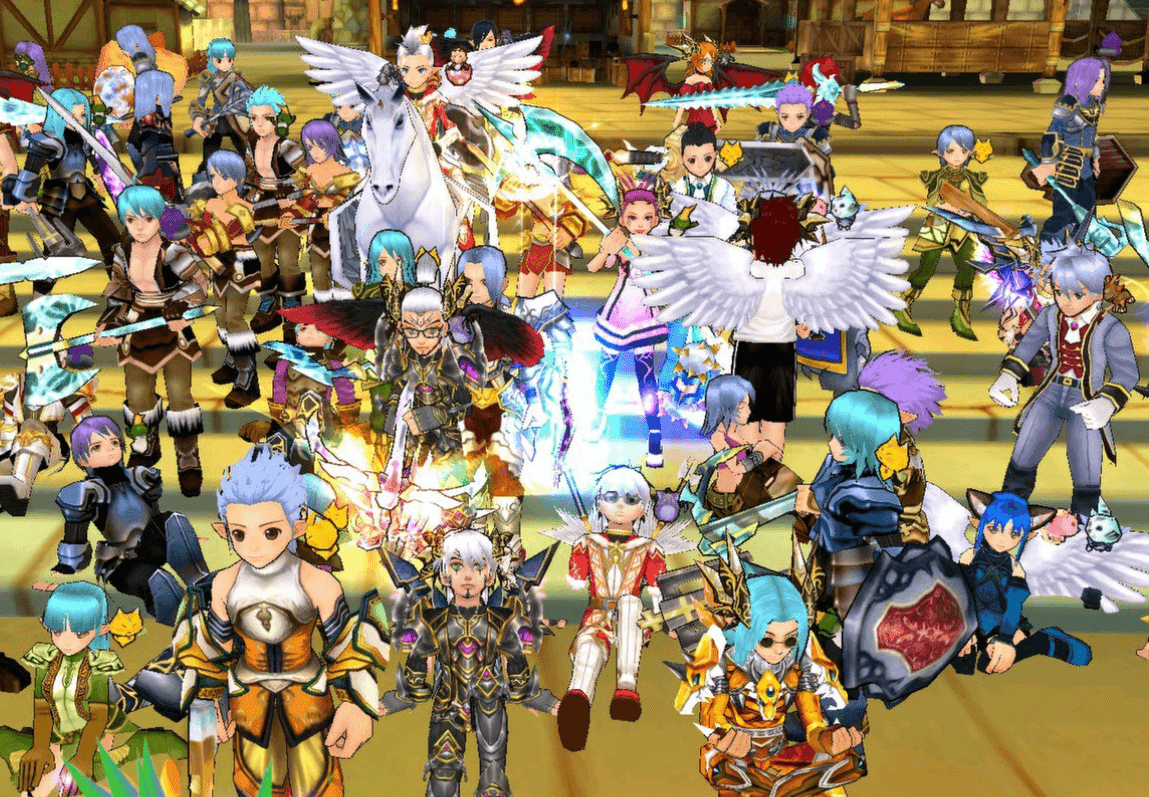
Pick from six classes, marry another player, and grind up from apprentice to master in Fiesta Online, Gamigo's long-running anime-styled MMORPG set in the magical world of Isya. Originally launched in...
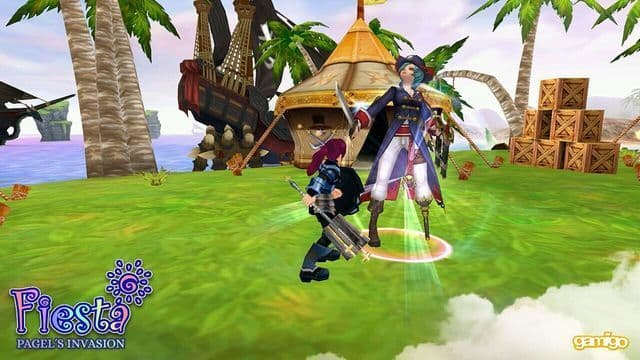
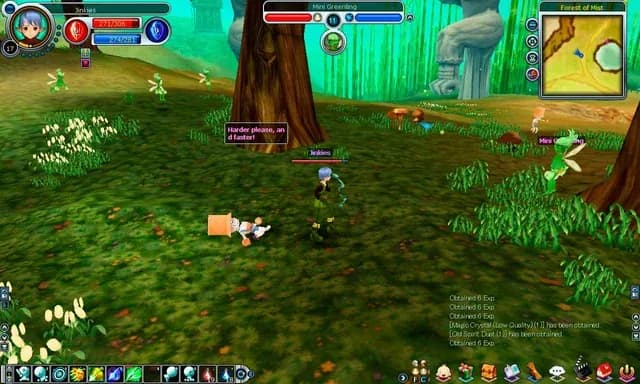
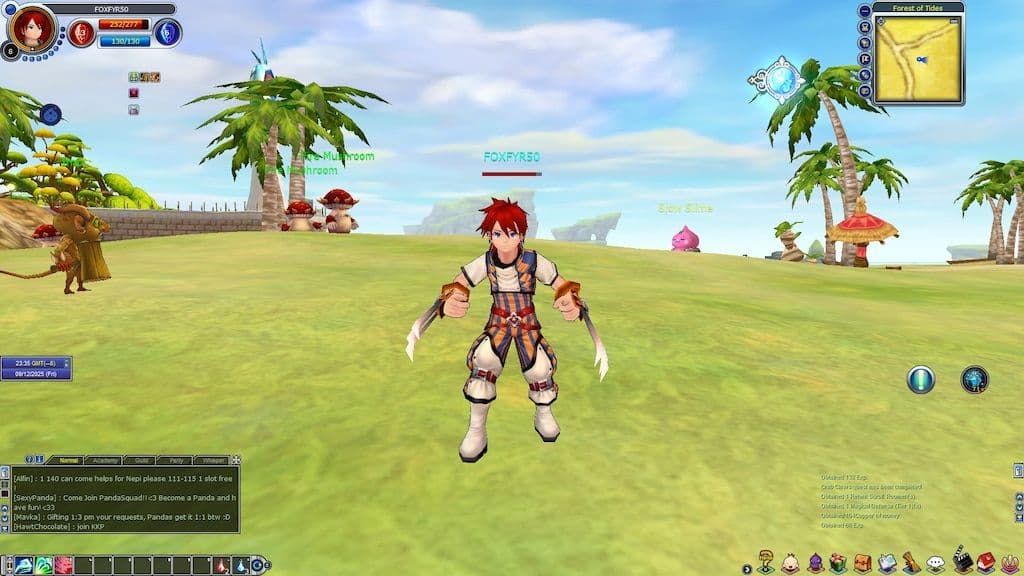
Fiesta Online is a cel-shaded, anime-styled MMORPG developed by the South Korean studio Ons On Soft and originally launched in Korea in mid-2007, with a Western release the same December through the now-defunct publisher Outspark. When Outspark folded, gamigo picked up the license in February 2013 and has run both the North American and European versions ever since. Nearly two decades on, Fiesta occupies an unusual position: the official servers still exist, patched and maintained, but a sprawling ecosystem of privately run servers has become, for a large share of the remaining playerbase, the default way to experience the game. This Fiesta Online review looks at both sides of that split, because right now they're close to two different products wearing the same name.
Isya is a bright, storybook fantasy continent built around a handful of hub towns — Roumen for new arrivals, Elderine as the mid-game crossroads — connected by open fields, forests, and dungeon entrances rather than a single seamless landmass. The tone leans cheerful and colorful, closer to a Saturday-morning cartoon than the grim aesthetics that dominate a lot of the genre, and that cel-shaded art direction is arguably the game's most identifiable asset even now. The story itself is thin scaffolding for the leveling path rather than a driving reason to play; nobody who's spent real time in Fiesta remembers the plot beats, they remember the towns, the music, and the friends they made grinding the same field for the tenth time.
Character creation is deliberately narrow by modern standards — a single face model with a handful of hairstyles and colors to pick from, with a cash-shop cosmetician available later for anyone who wants a different look. That minimalism was a mild complaint even at launch, and it hasn't aged into a strength. What the game spends its visual budget on instead is the world itself: Roumen's market square, the misty paths through the Forest of Mist, and the increasingly stylized zones that open up past level 60, where the color palette gets bolder and the monster designs get considerably weirder than the early fields would suggest.
Movement is handled through point-and-click navigation with WASD as a secondary option, and combat plays out as real-time action against a target rather than a menu-driven exchange — closer in feel to a lightweight action-RPG than to a stat-check simulator, even if the actual damage math underneath is doing conventional MMO arithmetic.
New characters choose from four base classes — Fighter, Cleric, Mage, and Archer — plus the closer-range Trickster, each locked to specific weapon types and armor tiers from the start. Fighters wade in with swords, axes, and a shield; Archers kite with bows from range; Mages sling area spells at a squishy body; Clerics buff and heal with a mace in hand; Tricksters build up a resource called soul through claw or dual-sword strikes and spend it on burst finishers. It's a conventional trinity-plus-DPS spread, but the execution has aged reasonably well for a design that predates most of its Western competition.
What still stands out, even in 2026, is the class change system. At level 20 every class quietly evolves into a specialized variant — Fighters become Clever Fighters, Archers become Hawk Archers, Clerics become High Clerics — through a short quest chain rather than an automatic level-up. The bigger milestone lands at 60: a trip to Guard Captain Shutian in Elderine and Grand Master Sean in the Forest of Mist sends you through the Dungeon of Shadow to earn a full heroic-class upgrade, turning a Fighter into a Warrior or a Cleric into a Paladin. There's also a sixth class, the Crusader, that skips the early grind entirely and starts pre-equipped at level 60 — a shortcut clearly built for players returning to try something new without redoing thirty levels of fields.
The first thirty levels run almost entirely on quests, and the pacing here is genuinely comfortable — new areas, new mobs, a steady trickle of gear. Past level 30, the quest supply thins out and instanced dungeons take over as the primary leveling tool, which is also where Kingdom Quests become relevant. These are timed, party-based instances — up to fifteen players fighting through waves of monsters and a boss under a countdown — that run on a fixed two-hour schedule with eight parallel instances per cycle, meaning there's almost always a slot open regardless of when you log in. They remain one of Fiesta's better ideas: approachable, well-paced, and one of the few systems built specifically to put strangers into a party together rather than leaving grouping entirely to guild chat.
Beyond Kingdom Quests, the leveling path from the 60s onward runs through a rotation of instance dungeons, with the endgame farming hub Leviathan's Nest doing most of the heavy lifting for players pushing toward the level 105 cap. It's an efficient loop on paper — dungeon runs feed gear and experience, gear lets you clear harder dungeons faster — but the later levels stretch out considerably, and more than one review over the years has flagged the same wall: content thins out around 70, and the grind past that point asks for either a full, coordinated party or a lot of patience.
Fiesta's crafting runs through a profession system called Alchemy, where players pick two production skills alongside a gathering profession to produce potions, scrolls, and weapon or armor enhancement stones. It's a support system rather than a parallel economy — nobody plays Fiesta primarily to craft — but a dedicated alchemist selling enhancement stones and stat scrolls to the server genuinely matters, especially since enhancing gear past a certain tier becomes one of the game's steeper currency sinks. A separate card system layers passive stat bonuses on top, collected from monster drops and slotted into a small number of card sockets, giving min-maxers a secondary progression track that never fully stops mattering even at the level cap.
PvP was never Fiesta's centerpiece, and the design is honest about that. Every town includes a designated Free Battle Zone where players can duel without consequence, and Abyss Maps push the stakes higher by combining open-world PvP with monster hunting — better experience and drops, but no protection for lower-level characters who wander in unaware. It's a real risk-reward zone rather than a safety-railed one, and Fiesta has never added the kind of level-bracket enforcement that would stop a geared veteran from ruining a newcomer's afternoon there.
Guild-versus-guild play is where the competitive side actually lives. Guilds can opt into a war system at creation and declare conflicts on rival guilds in designated areas, and the weekly Guild Tournament Conquest turns that into structured competition — guilds with at least ten members at level 60 or above enter a bracket-style flag-capture arena and score points for kills and flag control. It's a system that rewards an organized, active guild far more than a stacked solo roster, which fits a game whose social systems have always outshone its combat depth.
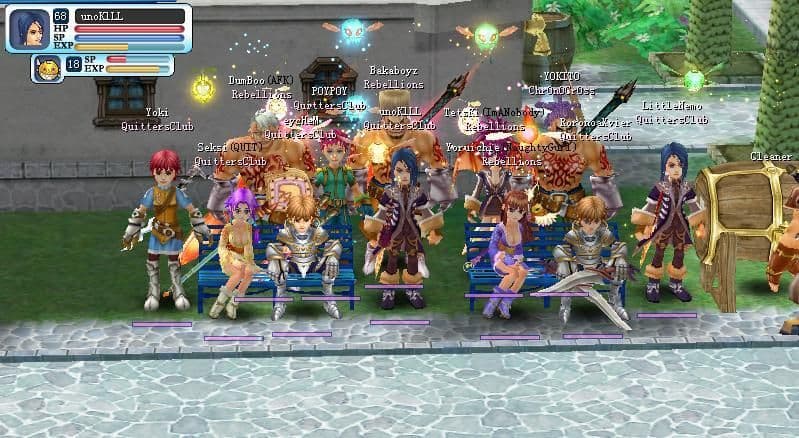
Social features have always been Fiesta's strongest hand, and several of them carry real mechanical weight rather than existing as pure decoration. Guilds include shared storage that any member can deposit into (though only officers can withdraw), dedicated chat channels, and a built-in Guild Academy that automatically enrolls up to fifty low-level members and funnels them level-based rewards from the guild treasury — a genuinely thoughtful piece of design for keeping new blood attached to an established guild instead of drifting off alone.
The Estate housing system lets any character past level 10 purchase and decorate a home that can host up to fifteen guests, and it's held up as one of the game's quiet highlights across nearly every review written about it, then and now. The marriage system goes further than most MMOs bother to: married characters get a real stat bonus while grouped together, the ability to summon their spouse to their location, and a themed pet tied to the bond. The catch, and it's a real one, is that the wedding application itself requires a cash-shop purchase, while only the engagement ring can be bought with in-game gold — a rare case of a genuinely appealing social system with a paywall built directly into the ceremony.
This is the section that makes a 2026 Fiesta Online review different from one written a decade ago. Log into gamigo's official NA client today and you'll find a small, aging population — third-party Steam trackers put concurrent players in the low double digits on a typical day, a fraction of what the game drew even five years ago. Multiple long-time players describe the current state bluntly in community forums: mergers happened to consolidate dying servers, character-transfer tools have gone unstocked for stretches at a time, and updates arrive slowly. It's not a dead game — patches and cash-shop rotations continue, and the client works — but it plays like a maintenance operation rather than an actively growing live service.
Set that against the private-server ecosystem, and the picture flips. Listing sites track dozens of independently run Fiesta servers at any given time, spanning different game versions, rates, and rule sets, and the most active ones report populations that rival or exceed what's left on the official client. The appeal is straightforward: most private servers strip out the cash-shop power creep entirely, letting every enhancement stone, costume, and premium consumable be earned or traded for with in-game currency instead of real money. For a lot of returning veterans, that's not a workaround — it's the version of Fiesta they actually remember wanting to play. The honest caveat here cuts both ways: private-server population figures are self-reported and unverifiable in the way official Steam data at least approximately is, individual servers can and do shut down without warning, and there's no guarantee a given server survives long enough to be worth the investment. Anyone choosing that route should treat any single server's promised numbers with some skepticism and expect churn.
On the official servers, yes, in the ways that matter for a game this old. The cash shop today leans more toward cosmetics and time-limited rentals than the outright stat-boosting sales that defined the Outspark era, but experience-boosting consumables, premium enhancement tools, and gear-progression conveniences remain squarely for sale, and enhancing equipment past the mid tiers without them is a slow, currency-starved process. Long-running players have been consistent on this point for over a decade: Fiesta was pay-to-win under Outspark, remained pay-to-win under gamigo, and the core economic pressure — spend real money or accept a much slower climb — never fundamentally left. It's worth saying plainly, since it's a common search question: the free-to-play path is playable and always has been, but it is deliberately the slower path by design.
On private servers, the answer usually flips, though "usually" is doing real work in that sentence — it depends entirely on the specific server's rule set, and there's no central authority enforcing consistency across them. Many advertise a no-pay-to-win policy as their core selling point and back it with an entirely earnable economy. Some don't, and simply replicate or worsen the official cash shop under a different name. Read a server's rules before investing real time, because the label "private server" guarantees nothing on its own about fairness.
Fiesta Online in 2026 isn't really one decision, it's two. On gamigo's official servers, it's a legacy MMORPG running on momentum: still patched, still playable free of charge, and still carrying a cash shop that will slow anyone unwilling to spend. Judged as a modern live-service product, that's a hard sell against nearly anything released in the last five years. Judged as a nostalgia trip with a working population and a client that still launches, it's fine for what it is. The private-server scene is where the more interesting version of this recommendation lives — an ecosystem that, at its best, strips out the exact monetization pressure that soured a decade of official reviews and hands back a version of Isya closer to what long-time players actually wanted from it, provided you pick a server carefully and accept the risk that it might not be there next year. Either way, go in knowing which Fiesta Online you're actually installing.