 F2P · Live
Lineage 2 Essence
Lineage 2 Essence is NCSoft's free-to-play take on the classic Korean MMORPG Lineage II, built around faster…
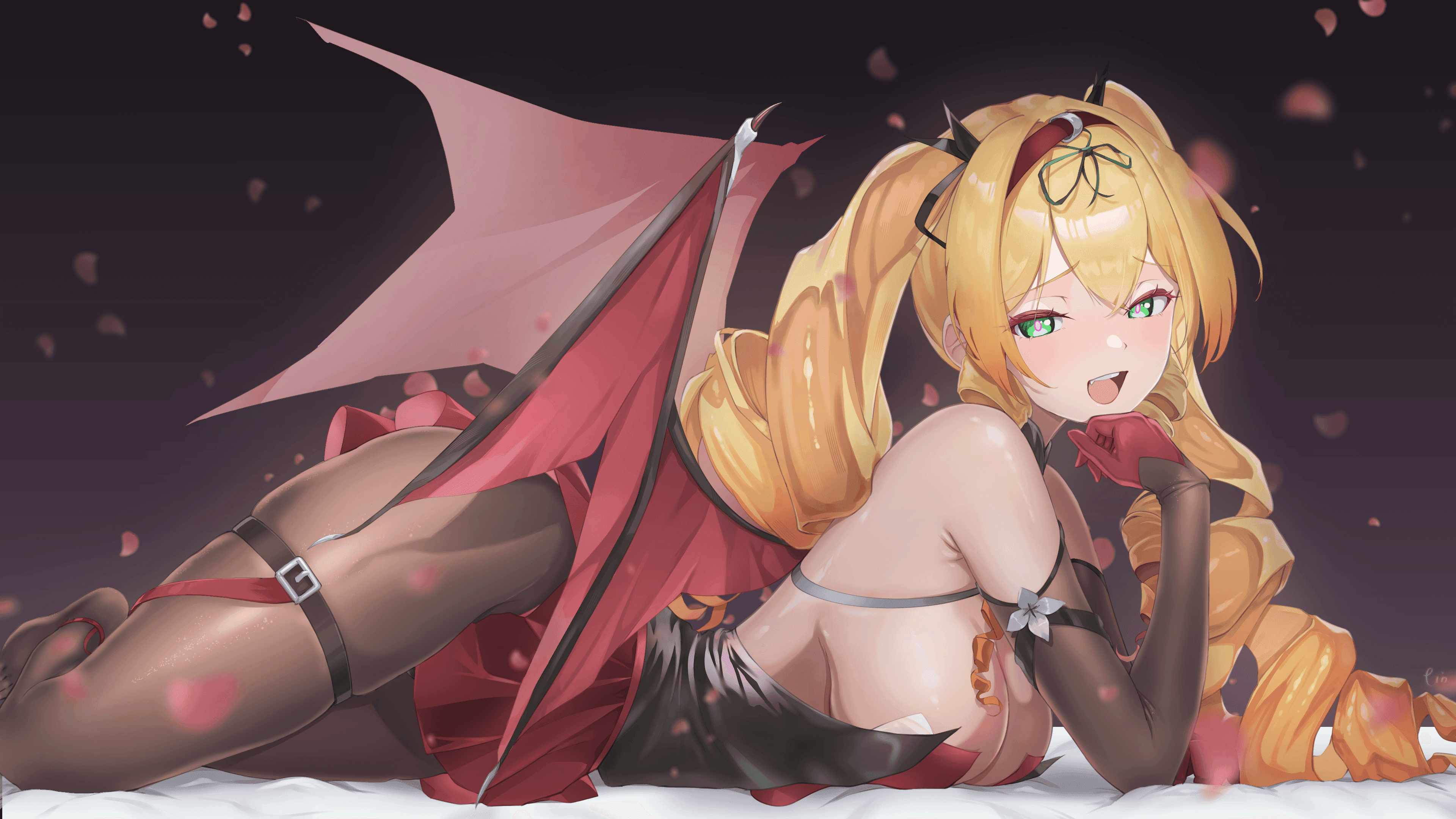
Epic Seven is a turn-based RPG from Super Creative and Smilegate Megaport built around hand-animated 2D combat, four-hero teams, and a turn bar where Speed decides who acts and how often. Eight years ...
Epic Seven is a turn-based gacha RPG developed by Super Creative and published by Smilegate Megaport, launched in South Korea in August 2018 and globally that November. Its pitch was hand-animated 2D combat running on an in-house engine built to keep loading times short on older phones, and eight years later nothing in the genre has matched it on that particular ground. The game is still under heavy development: the NEW ERA update rebuilt its progression ceiling in April 2026, and a global esports league ran its first season the same spring.
Quick take: Epic Seven is the best-animated turn-based RPG on mobile and one of very few gacha games whose PvP rewards practice rather than payment alone. Hero acquisition is fair by 2026 standards — the expensive part is gear, and since April, the Imprint Circuit. Worth starting if team-building puzzles appeal to you and you can accept that an account takes months to feel finished.
Epic Seven's opening hour is the most polished stretch of the game and the least representative of what follows. You play Ras, the Heir of the Covenant, a being shaped by the goddess Diche to defend a world called Orbis — the seventh version of that world, which is where the title comes from. Combat plays out on side-scrolling corridor maps: a few waves of monsters, then a boss, then the next stage.
What separates this from every other mobile RPG in the first ten minutes is the animation. Skill activations are drawn cutscenes rather than sprite flashes, story beats are fully animated, and the in-house engine keeps the gaps between them short even on hardware that struggles elsewhere. The game runs in eight languages and has a Korean voice track across most of the main story.
Super Creative rebuilt that opening in April 2025. The Origin update compressed the first episode from ten chapters into six and cut a large stack of optional hidden stories, which was a plain admission that seven years of accumulated onboarding had become a wall. Six main episodes exist now, the last of them, Dirge of the End, split across two releases. Collaborations have brought in outside casts along the way — Guilty Gear in 2019, Re:Zero, Overlord, and Frieren: Beyond Journey's End in late 2025.
Combat is four heroes against four, resolved on a turn bar where Speed decides who acts and how often. Each hero has three skills — a basic attack, a utility skill, and an ultimate on cooldown — plus a passive. Six classes divide the roster: Knights and Warriors hold the front, Thieves and Rangers deal damage or strip buffs, Mages burst, and Soul Weavers heal, though their healing scales off Health, so they are frequently the tankiest units on a team.
Two systems sit on top of the turn bar and do most of the strategic work. Combat Readiness is a direct push along that bar, so a support who moves an ally forward by 30% has effectively stolen an enemy turn. The elemental wheel handles the rest: Fire beats Earth, Earth beats Ice, Ice beats Fire, Light and Dark counter each other, and elemental advantage swings hit rate by 15% in both directions. Debuff application runs through Effectiveness against Effect Resistance, which is why gear obsessives track four stats no other turn-based game would bother displaying.
Building a team here is closer to setting alarm clocks than picking a party. Speed differences of five points decide whether a stun lands before or after an enemy cleanse, and a hero ten points slower than intended will simply do the wrong thing. Attacks also have a chance to trigger a dual attack from a teammate, and a Souls gauge fills as the fight goes, spendable on a boosted version of a skill or on a summoned Guardian.
The auto-battle AI is the weak link. Left to itself, a team fires ultimates the moment they come off cooldown, including into an enemy with a sliver of health left that a basic attack would have finished. For farming stages that already fall over, this is fine. For anything tuned tightly, it is a reason to play manually.
Somewhere around the fiftieth hour the game stops handing out progress and becomes a gear farm, and that transition is the single most important thing to understand before starting. Heroes are the marketing. Equipment is the product. Ask a veteran what actually gates an account and the answer is never the roster.
The Hunt bosses are the source. Wyvern sits at the centre of the early and mid game because it drops the Speed and Critical sets that nearly every meta composition needs, and getting a team that clears its highest stage on auto is the real graduation ceremony. Banshee supplies lifesteal and counter sets, Golem covers attack and health, Azimanak provides hit and immunity gear. Each boss stage has thirteen difficulty tiers, and the top one is where the useful drops live.
Then the RNG stacks. Gear drops with up to four random substats, upgrades in steps toward +15 with rolls landing wherever they like, and can be reforged afterwards for a further boost. A piece with the right main stat and three dead substats is scrap. Players who have automated Wyvern runs describe the loop in payroll terms rather than adventure terms, which is accurate: you clock in, you sell most of what you get, and you keep the two pieces in a hundred that rolled Speed.
Hero growth is comparatively cheap. Levelling is fast, awakening costs common materials, skill enhancement runs on MolaGora, and duplicate heroes raise an Imprint that adds flat stats. Specialty Change turns certain 3-star heroes into genuinely usable units, which is the game's oldest and best free-to-play concession. None of it will save a hero wearing bad gear.
More than most of the genre, and less than the esports framing suggests. Epic Seven runs two competitive modes: an asynchronous Arena where you attack another player's AI-controlled defence, and World Arena, a live mode against a human opponent. World Arena is the one that matters. Both sides draft from their own rosters with pre-bans, picks alternate, and the match is decided in the draft as often as in the fight.
That draft is where the depth sits. Knowing that a given opponent's first pick implies a specific speed threshold, banning the cleanse that breaks your composition, choosing an element that forces a bad matchup — these are readable, learnable skills. Smilegate has leaned into it. The E7 Masters league held its group draw in April 2026 with a prize pool of roughly $34,000 and seeding into a World Championship, and the World Arena runs on seasonal cycles with balance passes attached. The June 2026 patch reduced a defensive warfare rule from 30% damage reduction plus a bonus down to a flat 25% for Covenant heroes, on the stated grounds that certain units had become tiring to face.
The ceiling is roster breadth. Counter-drafting requires owning the counter, and a player two years into the game holds bans that a newer account cannot answer. Skill decides matches between comparable collections; between very different collections, it mostly decides how long the loss takes.
Guild content is where Epic Seven does its group play, and none of it involves fighting alongside another person in real time. Guild War is the anchor: each side sets defence teams, each side attacks, and the scoreboard settles it. Ancient Inheritance adds seasonal guild exploration — the fifteenth season sent guilds into a location called the Ancient Dragon's Tomb — while World Boss and Expedition offer shared damage races against a single large target.
The guild shop is the practical reason to join one early. MolaGora for skill upgrades, Mystic Medals for Moonlight summons, and equipment conversion gems for crafting right-side gear all sit behind guild currency, and the difference between a guild that participates and one that does not is measured in months of progress. Solo players can clear everything the story and Hunts offer, but they will pay for it in materials.
The NEW ERA update on 2 April 2026 added a second progression ceiling above gear, and it has been the most contested change the game has made in years. The Imprint Circuit unlocks at Soul Rank 1, a new account-wide rank that climbs to 20 through general play. Each circuit holds 25 nodes — common, epic, and a symbol node that activates once the rest are filled — and the stats they grant apply to a hero's base values before equipment multiplies them, so the practical gain runs well ahead of the displayed number.
The friction is in the restrictions. A circuit covers five heroes at a time, heroes cannot be shared across circuits, and resetting one circuit costs 500,000 gold. Guild War players report the resulting routine as a chore: place six defenders before the war, pull them out to attack, pay again. Competitive players running that cycle every battle describe weekly costs in the millions of gold, which lands hardest on accounts that do not buy resources. The system was banned outright from the E7 Masters tournament, and community discussion since April has centred on the same complaint — that circuits deepen the entrenchment of a handful of meta heroes rather than widening the pool.
The same update pushed hard in the other direction for newcomers. Milestone of Radiance converts general play into Essence of Radiance and then into reward boxes, and accounts created after 1 January 2026 get the Dawning Trajectory track with its own exchange shop, finishing at the 101st reward of the version everyone else runs. Epic Seven has arrived at the position most eight-year-old live games reach: aggressively generous to people who have never played it, considerably less so to people who have.
Not in PvE, where every piece of content is clearable with free heroes and enough gear. In the upper reaches of World Arena and Guild War, money buys time, and time is what the competition is actually made of. The summoning side is where the game earns its reputation for fairness: rate-up banners guarantee the featured 5-star hero by the 121st summon, and hitting a 5-star on those banners gives you the featured hero rather than a random one, so there is no coin flip to lose.
Moonlight heroes — the Light and Dark units that dominate PvP — run on a separate economy. Mystic Summons cost 50 Mystic Medals each with a 5-star guaranteed at 201 pulls, Moonlight Summons cost Galaxy Bookmarks and hand out a free pull every 20, and the daily secret shop refresh is where non-paying players farm most of both currencies. Events supply the rest in volume: the Secret Summer run from 25 June to 26 August 2026 handed out five free Moonlight summons every day for two months.
Where the model actually bites is gold and time. Gear enhancement, reforging, and now Imprint Circuit resets all drain the same currency, and the players who feel the squeeze are the ones swapping teams constantly — which is to say, the competitive ones. Smilegate reported $650 million in cumulative sales by August 2023, and third-party trackers put recent US app-store spending in the region of $1.4 million a month across both platforms, a figure consistent with a mature game holding a committed audience rather than growing one.
Everything people praise about Epic Seven's monetization is true and applies to the least expensive component of the game. Heroes are cheap now. Hard pity works, events give away Moonlight units by the handful, and a patient free player can assemble a roster that beats a spender's roster on paper. Then the gear farm starts, and the actual price of the game reveals itself in months rather than money.
That is not a swindle, it is a design choice with eight years of consistency behind it, and plenty of people find the puzzle genuinely absorbing — speed tuning a Guild War defence is a better strategy game than most things sold as strategy games. What has changed in 2026 is that Epic Seven added a ceiling above the ceiling and attached a gold cost to moving heroes through it, at the exact moment it started running an esports league that bans the system in question. That is not a small contradiction.
Start it for the combat system and the drafting, which are excellent and have no real equivalent on mobile. Do not start it because someone described it as free-to-play friendly. That phrase accurately describes the summoning screen and nothing behind it.
Yes. The game is a free download on iOS, Android, and PC, and earns through gacha summons, cosmetic skins, and a seasonal Epic Pass. All story and Hunt content is reachable without spending.
Yes, through Smilegate's official Stove PC client, which shares progress with the mobile account. It is not distributed on Steam, and it is a native client rather than an emulator.
It is a reasonable entry point. Accounts created after 1 January 2026 get a dedicated catch-up track, the 2025 story rework trimmed the old onboarding slog, and summer events have been handing out Moonlight heroes at a rate veterans never saw at launch.
The main story falls in a few weeks of casual play. A reliable auto-clear team for the hardest Hunt stages typically takes a couple of months, and competitive World Arena brackets take considerably longer, since they depend on collection breadth as much as on gear quality.