 F2P · Live
Lineage 2
Aden's castles never stay in the same hands for long, and Lineage II has built an entire twenty-three-year…
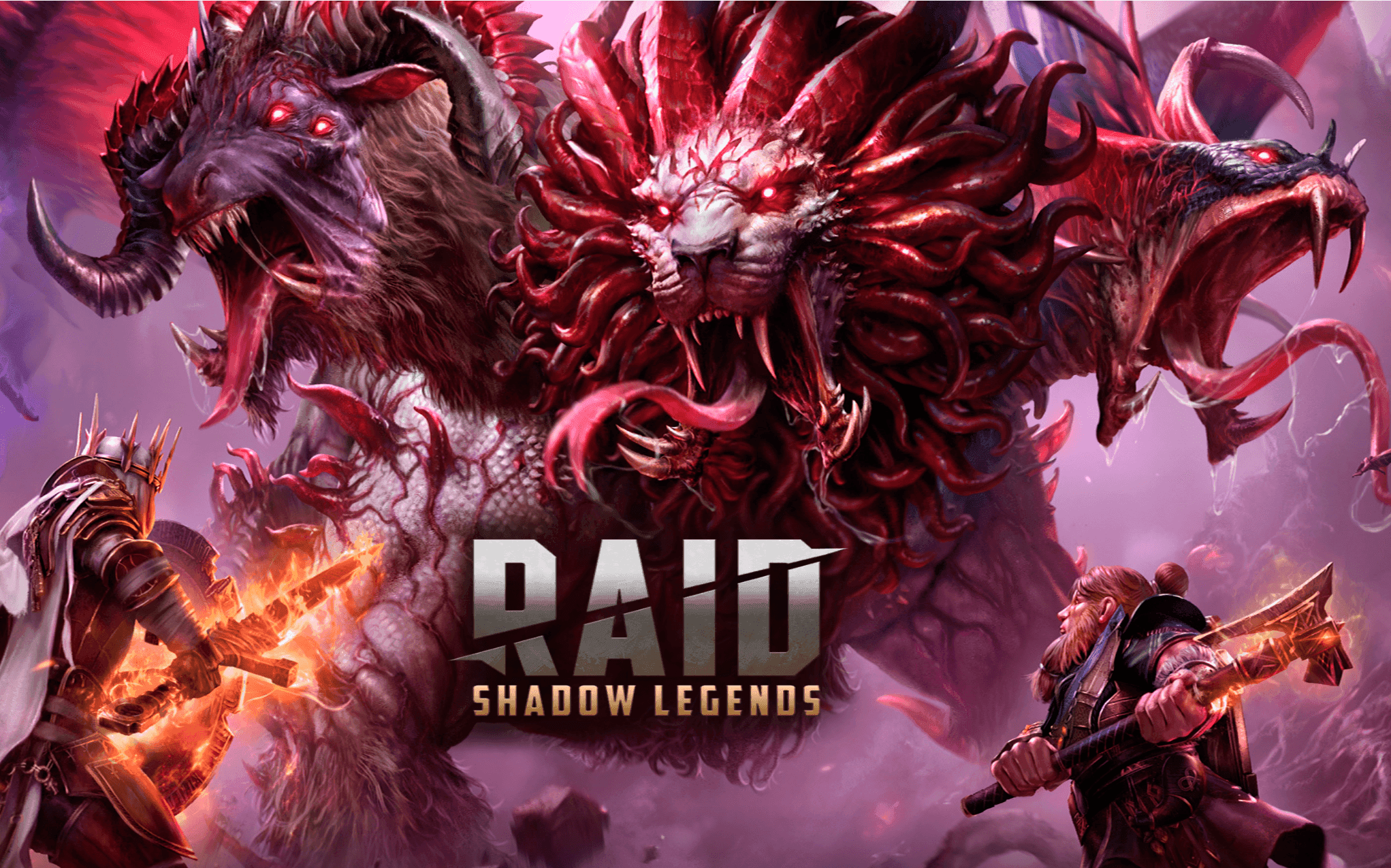
Nine hundred-plus Champions, fifteen warring Factions, and a gear system deep enough to keep min-maxers busy for years — that's Raid: Shadow Legends. Plarium's dark fantasy collector RPG has spent sev...
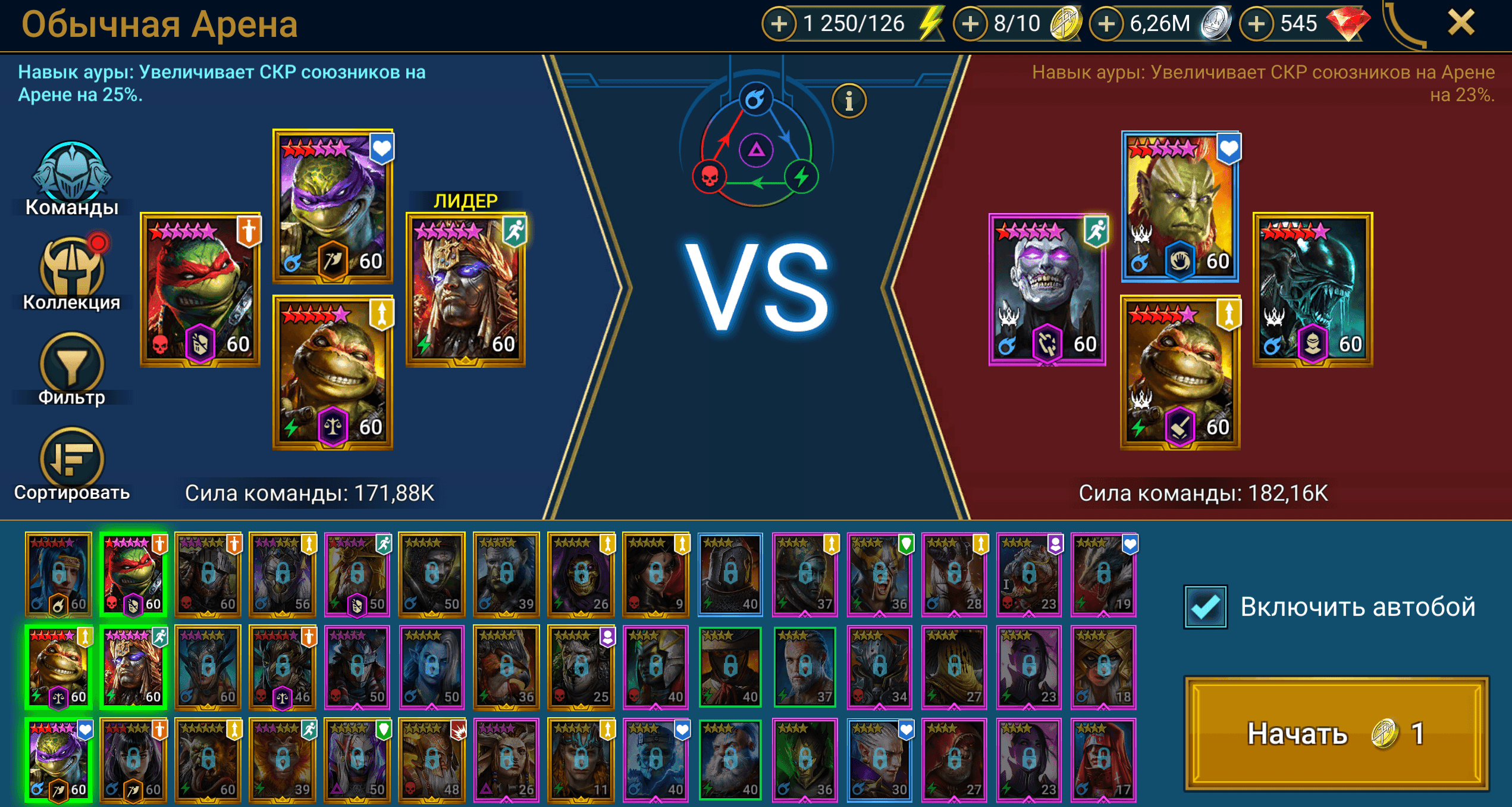
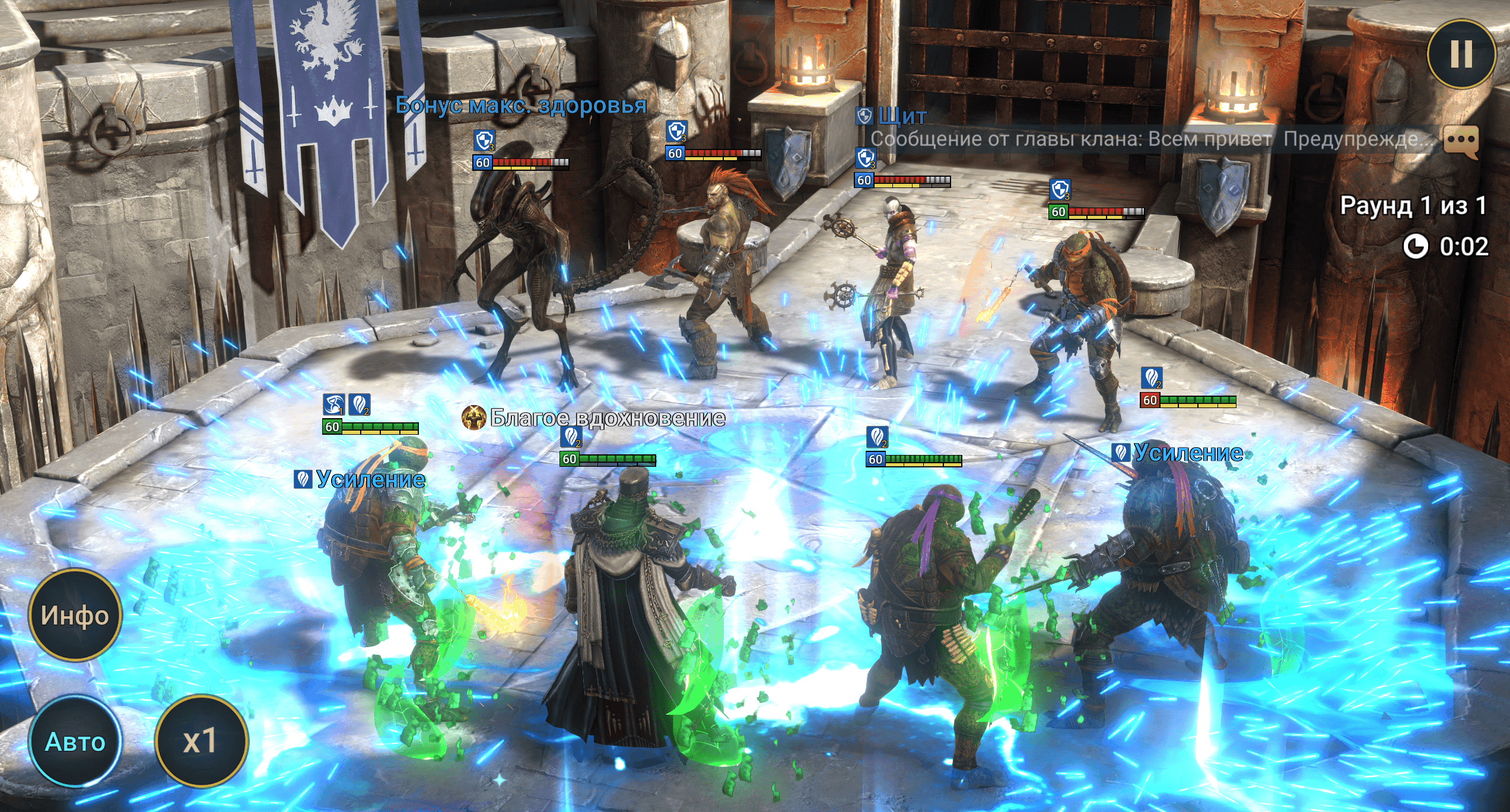
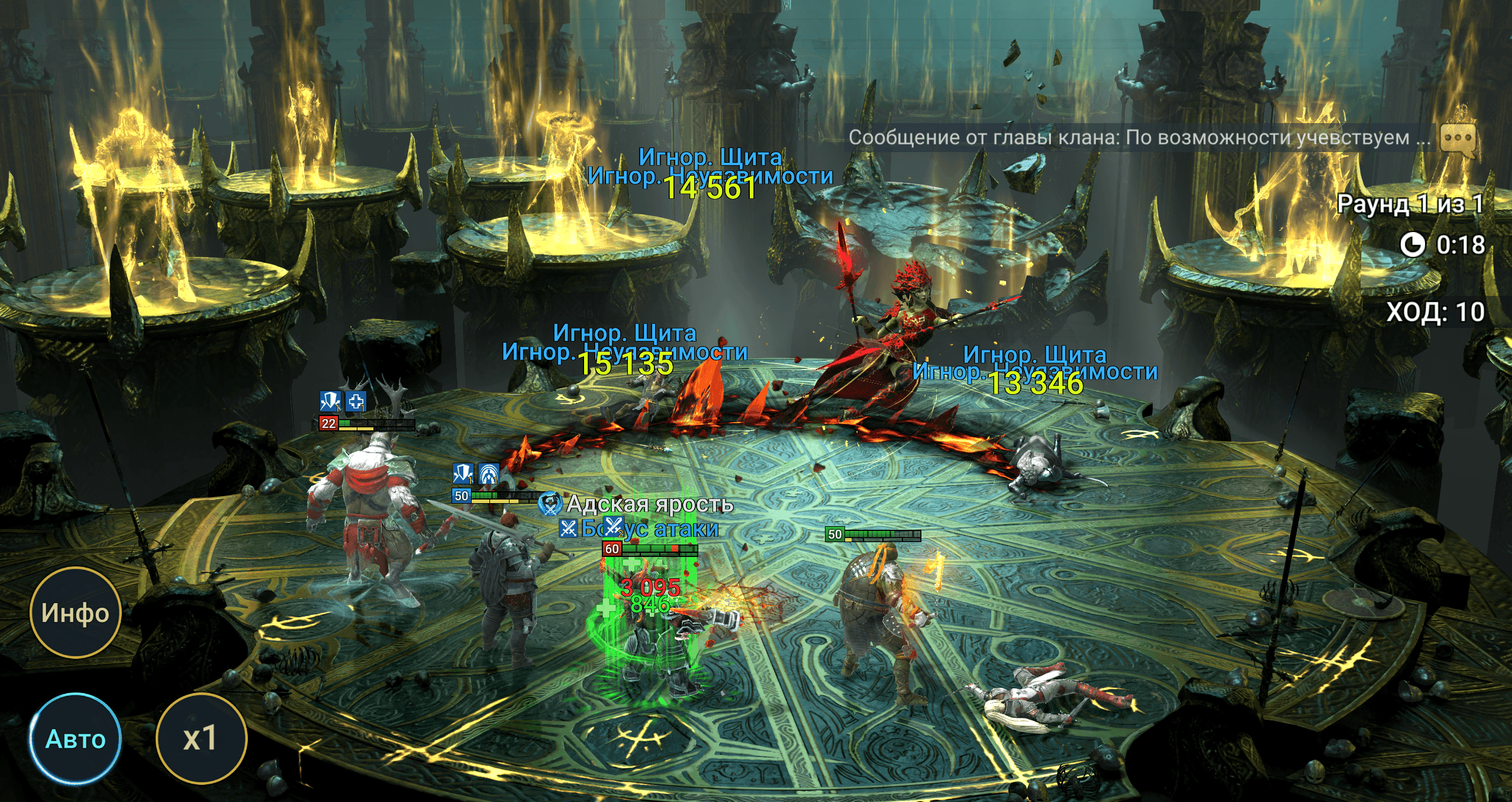
RAID: Shadow Legends is a turn-based collection RPG from Israeli studio Plarium Games, launched on mobile in 2018 and ported to PC in January 2020. It became famous twice over — first as one of the highest-grossing gacha RPGs in the West, crossing a billion dollars in lifetime player spending by 2022, and second as the game whose sponsorships flooded half of YouTube. Eight years on, it remains fully alive: new champions arrive every two to three weeks, the roster has grown past 800 characters across 16 factions, and Plarium keeps adding endgame systems like the Cursed City, Hydra, and clan Sieges. Whether you should actually play it in 2026 is a more complicated question, and this RAID: Shadow Legends review tries to answer it honestly.
RAID takes place in Teleria, a dark-fantasy continent where the Arbiter — an angelic guardian of the world — resurrects your champions to fight back the Dark Lord Siroth. The lore exists, and it's more detailed than most people give it credit for: each of the 16 factions has its own identity, from the plague-ridden Undead Hordes to the samurai-flavored Shadowkin and the lizardfolk of the Lizardmen. But nobody plays RAID for the story. Cutscenes are sparse, campaign dialogue is functional, and the narrative mostly serves as a coat rack for the real draw.
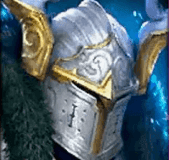
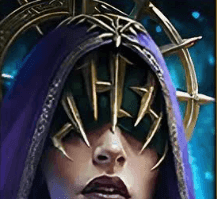
That draw is the character art. Champions are rendered in a semi-realistic 3D style that leans grim and heavy — armored knights caked in mud, ogres with cracked tusks, dark elves that look like they walked off a metal album cover. It reads closer to Warhammer than to the pastel anime aesthetic dominating most of the gacha genre, and that distinction is a big part of why the game found its audience in the West. On a modern phone or on PC, models and skill animations still hold up well for a 2018 release, though battle arenas themselves are static backdrops you'll stop noticing within an hour.
A new account opens with a short tutorial battle and a choice between four starter champions — Kael, Athel, Elhain, or Galek. The community consensus has held for years: Kael, a poison-spreading dark elf, carries early progression harder than the rest, though any starter can clear the campaign. From there, the loop establishes itself fast. You push through campaign stages, each one a chain of three or four quick turn-based fights, and every victory drops silver, experience, and gear.
The actual day-to-day of a beginner looks like this: farm campaign stage 12-3 on repeat to level up food champions, feed those champions into your main damage dealer to rank him up, slot the best artifacts you've looted, and crack open whatever summoning shards the game hands you. Progression runs on a six-star ranking system — a champion caps at rank one, and to push them higher you sacrifice leveled champions of equal rank, which means an enormous amount of your playtime is spent leveling sacrificial fodder. Getting your first champion to six stars is a genuine milestone that takes most new players a couple of weeks.
The early game is deliberately generous. Energy refills, free shards, a guaranteed strong champion from early login events — the first two or three weeks feel like constant forward motion. The friction arrives later, and it arrives on schedule.
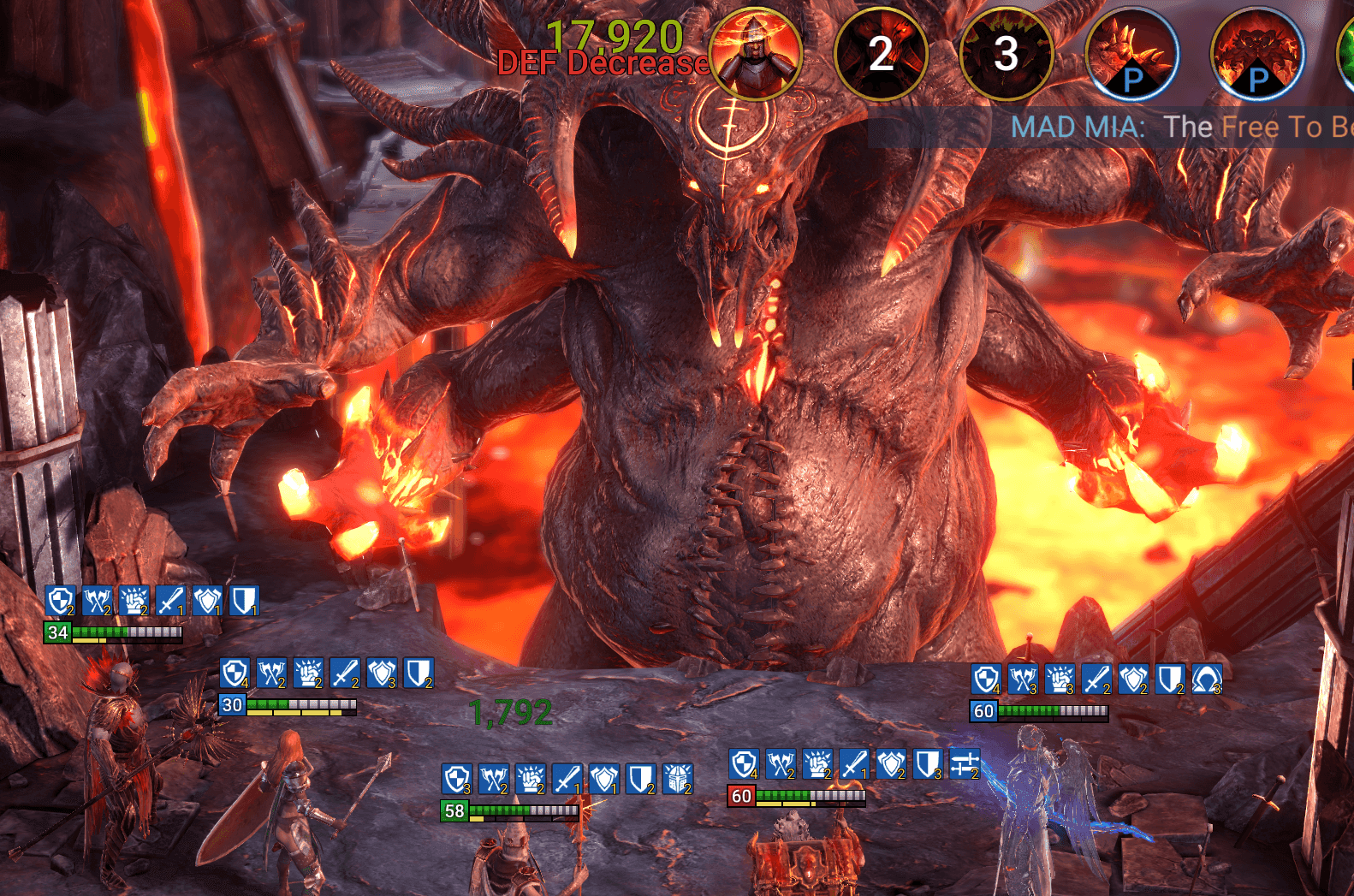
Combat is turn-based and built around one stat above all others: speed. Turn order is determined by a turn meter that fills based on each champion's speed value, which means fights are won or lost in the loadout screen as much as in the battle itself. A team that outpaces the enemy can strip their buffs, land crowd control, and finish the round before the opponent acts. A slower team just eats damage.
Each champion carries three or four skills — typically a basic attack plus abilities on cooldowns — and the depth comes from the buff-and-debuff economy layered on top. Decrease Defense makes your nuker hit triple. Poison stacks melt bosses with huge health pools. Ally Protection, Counterattack, Unkillable, Block Debuffs — veteran team-building is essentially a puzzle of stacking the right effects in the right order against each piece of content. Clan Boss, the asynchronous raid boss every clan chips away at daily, has spawned entire spreadsheet subcultures around speed-tuning teams so that a counterattack loop fires on exactly the right ticks.
There's an affinity triangle too — Magic beats Spirit beats Force, with Void champions sitting outside it — but it's a modifier, not a foundation. The honest caveat: moment-to-moment combat is not where RAID shines. Most farming is done on auto-battle, and the game openly expects this, offering multi-battle queues that run stages while your phone sits on the table. RAID is less an action experience and more a management game — a slow, deliberate optimization hobby where the satisfaction comes from watching a team you theory-crafted execute perfectly without your input.
New champions come almost exclusively from summoning shards, and this is where you need clear eyes. Ancient Shards — the mid-tier currency you'll earn most often — carry a 0.5% chance of a Legendary champion, or one in two hundred. Sacred Shards raise that to 6%. A mercy system softens the worst streaks: after 200 Ancient pulls without a Legendary, your odds climb by half a percent per pull until one lands; Sacred Shards hit mercy after just 12 dry pulls. The system works, but the game doesn't display your mercy counter anywhere, so serious players track it manually or with third-party tools.
Above Legendary now sits the Mythical rarity — dual-form champions introduced in recent years that can switch between two skill kits mid-battle. They're the current power ceiling, they're heavily featured in promotional events, and free-to-play players will wait a long time to see one. It's worth internalizing early that rarity is not destiny: several Rare and Epic champions, like the dungeon-farming staple Coldheart or the speed-support Deacon Armstrong, outperform most Legendaries in specific roles, and building them well matters more than the color of your pulls.
For a game that fits in your pocket, the PvE ladder is enormous. Past the campaign, four classic dungeons — Dragon's Lair, Ice Golem's Peak, Fire Knight's Castle, and the Spider's Den — form the gear-farming backbone, each demanding a different team answer: the Fire Knight punishes slow multi-hit teams, the Spider requires either massive area damage or enemy-max-HP mechanics to burn down her endless spiderlings. Later additions like the Iron Twins, Sand Devil, Phantom Shogun's Grove, and the Amius dungeon extend the list, and each drops the specific accessories or ascension materials that gate further progression.
Then the vertical content starts stacking. Doom Tower is a monthly 120-floor climb with rotating bosses that force genuine team-building creativity — one floor wants poison immunity, the next wants turn-meter control. Faction Wars locks you into fielding teams from a single faction per crypt, which is the game's quiet way of making your entire 800-champion collection relevant instead of just your top five. The Cursed City of Sintranos serves as a sprawling late-game zone of themed stages with its own progression track. And above the daily Clan Boss sits the Hydra — a multi-headed clan encounter where heads devour your champions and specific counters become mandatory — plus the newer Chimera boss for clans that have out-geared everything else.
The structure is genuinely well-designed: there is always a next wall, and every wall drops something you need for a different wall. The criticism writes itself from the same sentence — RAID's endgame is a lattice of interlocking grinds, and if watching numbers slowly rise doesn't scratch an itch for you, no amount of content variety will fix that. Energy costs also mean you can't simply grind as long as you like without either patience or payment.
Classic Arena is asynchronous — your defense team squares off against attackers while you're away, and rankings feed the Great Hall, an account-wide stat bonus system that makes Arena participation effectively mandatory even for PvE-focused players. Tag Arena expands this to multiple teams. The real competitive mode is Live Arena, where you draft champions in real time against another player, with bans and picks that reward roster depth over a single stacked team.
Siege, the clan-versus-clan mode added in recent years, is the most ambitious swing: clans build defensive layouts across a shared fortress map, assign defense teams to posts, and attack each other's structures on a schedule. When it clicks — a coordinated clan planning who defends which tower — it's the closest RAID gets to feeling like a proper online world rather than a solo game with leaderboards. The barrier is that PvP is where the power gap between spenders and everyone else shows most sharply. In PvE, a patient free player eventually clears almost everything. In high-bracket Arena, you will meet accounts whose rosters simply cannot be matched without years of play or a credit card, and no amount of clever drafting fully closes that distance.
Clans are the game's social spine, and they matter more than the genre average. Clan Boss, Hydra, Chimera, and Siege are all gated behind clan membership, and an active clan versus a dead one is the difference between a steady drip of Sacred Shards and leaving half the game's rewards on the table. Beyond the clan, though, RAID is a fundamentally solo experience — there's no open world to run into strangers in, no trading, no player economy. Calling it an MMO, as the marketing sometimes does, stretches the term. It's an online RPG with strong guild mechanics, and it's completely comfortable being played as a self-contained single-player hobby with a chat window.
Let's answer the search query directly: is RAID: Shadow Legends pay-to-win? In PvP and in progression speed — yes, meaningfully. The game is free-to-play and monetizes through shard bundles, energy refills, gear-passes, and a rotating storefront of limited-time offers that begins the moment you finish the tutorial and never stops. Industry tracking put the game's revenue at roughly $11–13 million per month through 2025, most of it from the United States, and that money comes from somewhere: the design paces its generosity so that early progress feels free while late-game walls quietly point toward the shop.
The fairer framing is that RAID is honest about what it is by gacha standards. Rates are published, the mercy system exists, no purchase is required to access any content, and the community has documented free-to-play accounts clearing Ultra-Nightmare Clan Boss and deep Doom Tower floors on nothing but time and discipline. The predatory edge is real — countdown timers on bundles, pop-ups after every login, offers tuned to whatever wall you just hit — and anyone with impulse-spending tendencies should treat this game with genuine caution. But a player who installs it, mutes the shop mentally, and accepts slower progress can play for years without paying a cent. Many demonstrably do.
If you enjoy slow-burn optimization games — the kind of hobby where you plan a team in a spreadsheet on Tuesday and watch it finally beat the Fire Knight on Sunday — RAID: Shadow Legends is one of the most content-rich versions of that hobby ever built, and it costs nothing to find out whether it hooks you. If you want reactive, skill-driven combat, or if limited-time shop offers wear down your resolve, look elsewhere; the genre has gentler entries, and traditional MMOs will serve a social itch this game only partially scratches. Come for the art and the team-building puzzle, stay only if the grind feels like meditation rather than homework — and keep your wallet in another room for the first month while you decide.