 F2P · Live
Lineage 2
Aden's castles never stay in the same hands for long, and Lineage II has built an entire twenty-three-year…
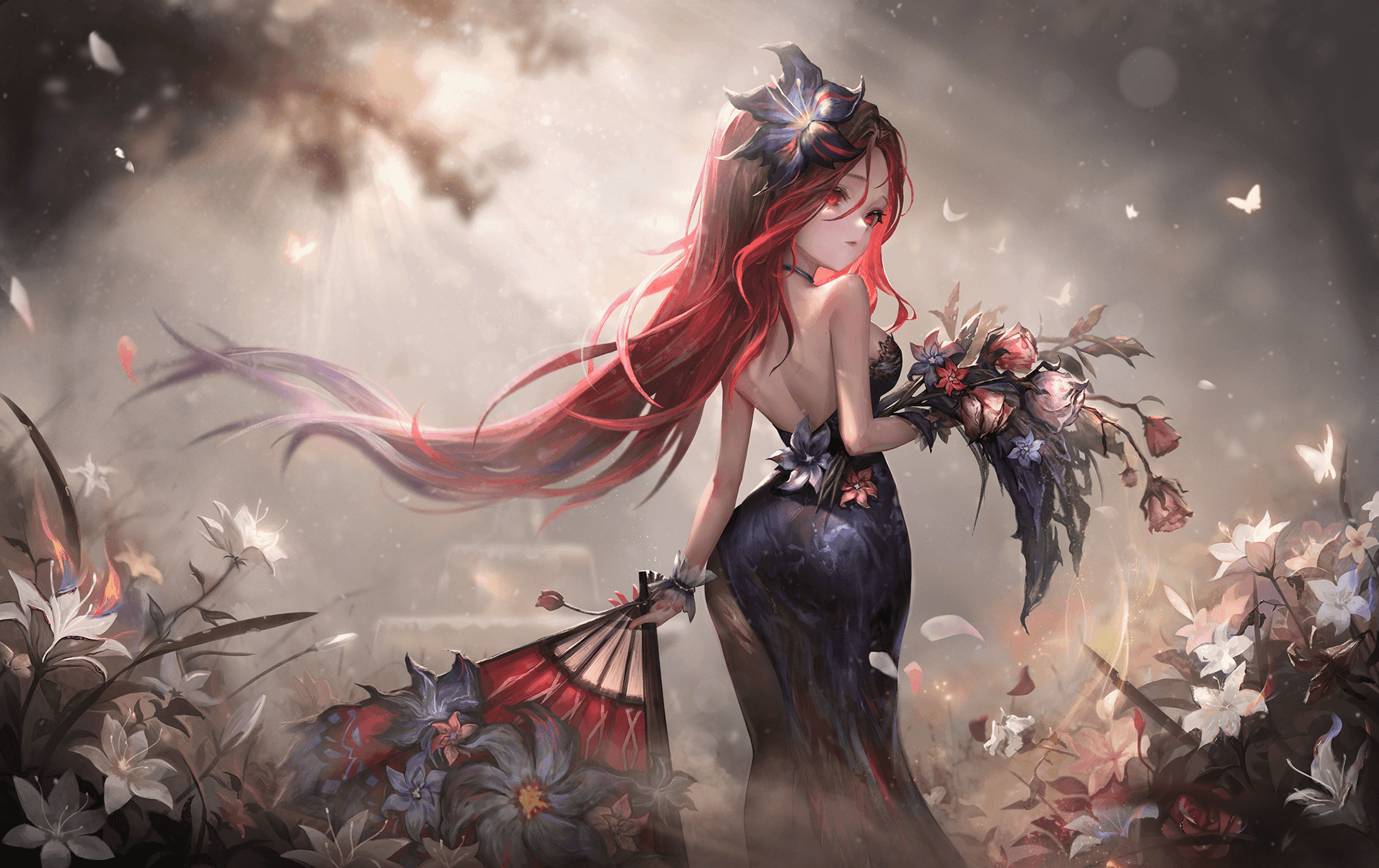
Summoners War: Sky Arena is a cross-platform monster-collector RPG built around turn-based strategy, where players assemble squads from thousands of collectible monsters and fine-tune runes, skills, a...
Summoners War: Sky Arena is a turn-based monster-collection RPG developed and published by South Korean studio Com2uS, launched on mobile in June 2014 and, a decade later, ported to Steam in January 2024. It's easy to undersell how long that stretch is in gacha years — most of the genre's current heavyweights weren't announced yet when Summoners War first opened its scroll shop. The game has since crossed roughly 300 million downloads worldwide, spawned an entire esports circuit that fills arenas in Seoul, and kept adding systems onto its rune-and-monster foundation without ever needing to relaunch or reboot. Whether that foundation still holds up against a decade of newer, flashier competition is the question this Summoners War: Sky Arena review sets out to answer.
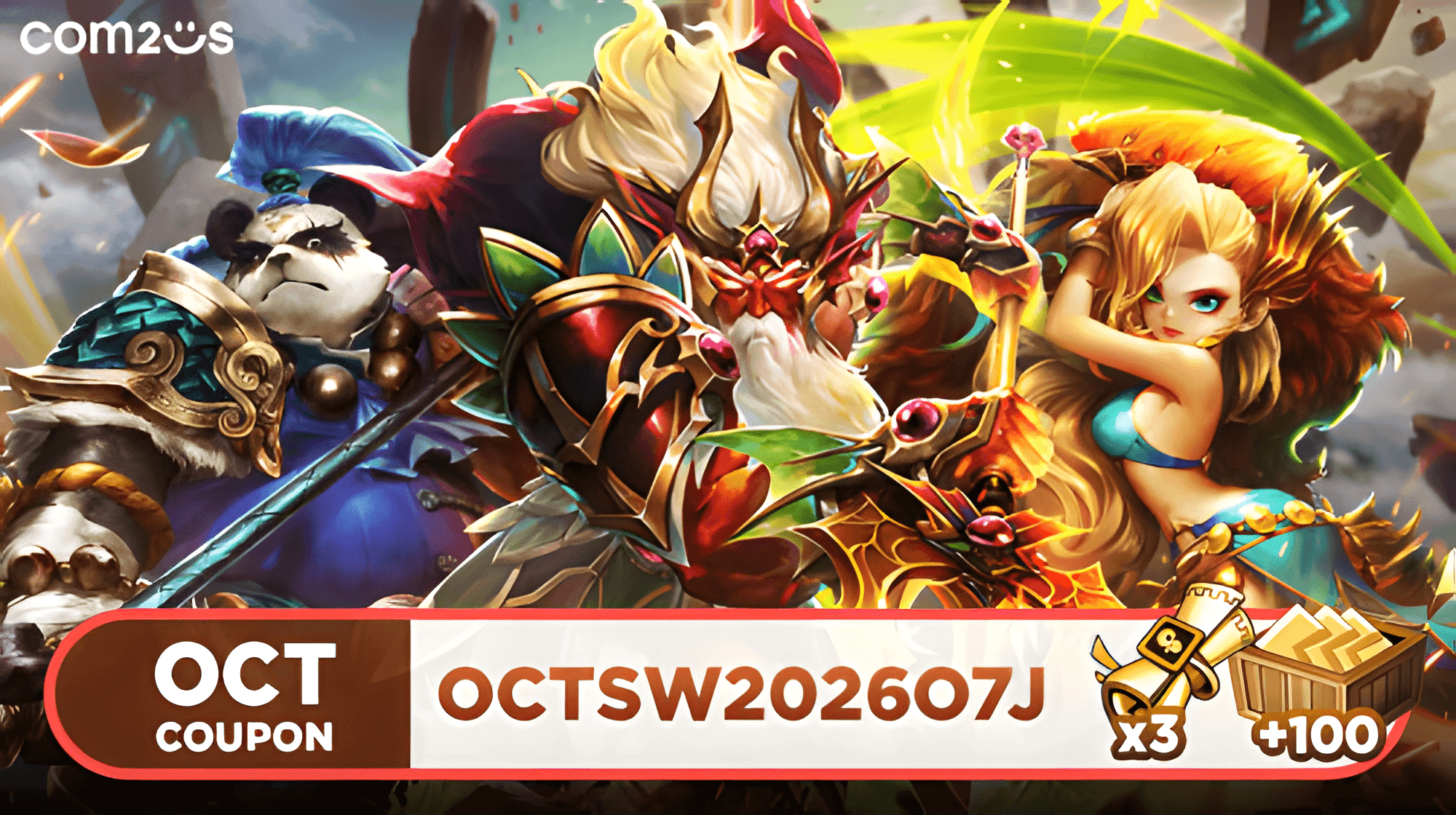
The fiction is thin by design. Sky Island and its surrounding realms are locked in a long conflict over Mana Crystals, the resource every faction is fighting to control, and the framing device is simple: you're a Summoner, you build a village, you send monsters to war. There's no sprawling cutscene budget here, no voiced protagonist arc — the story exists mostly as a pretext for the next dungeon and the next boss. What Summoners War spends its presentation budget on instead is the roster. Over a thousand distinct monsters populate the game, spanning five elemental attributes — Fire, Water, Wind, Light, and Dark — and stretching from squat slime-like Homunculi to towering dragons and armored knights. Character models lean stylized rather than photorealistic, closer to a painted fantasy-illustration look than the moody 3D realism of some Western-facing gacha titles, and that art direction has aged more gracefully than the game's decade-old bones might suggest.
The village itself gets more attention than the plot does. It's a small, decorative home base rather than a functional hub — buildings, banners, and seasonal dressing that shift with events like the game's 12th anniversary festival redesign of Sky Island — and it works mostly as a quiet signal of how long an account has been running. Walk through a veteran's village and you're looking at a decade of collected cosmetics; walk through a fresh one and you're looking at the same starting plot every other new Summoner gets. It's a small touch, but it does more to communicate the game's age and staying power than any loading-screen lore ever could.
That longevity shows up in the numbers, too. Summoners War has crossed roughly 300 million downloads since 2014, and unlike a lot of decade-old mobile titles, it hasn't needed a full relaunch or a numbered sequel to stay relevant — the same account structure, the same core systems, and largely the same monster roster from 2014 are still the foundation new players build on in 2026.
A fresh account drops you into an empty plot of land with a handful of starting monsters and a short string of Scenario missions — regional story dungeons that double as the game's tutorial. Early sessions are spent farming these Scenario stages for silver and experience, feeding weaker monsters into stronger ones through the Power-up Circle, and slowly filling out a village that functions as your account's home base. The pacing is deliberately generous at first: login events, mission rewards, and the occasional guaranteed 5-star drop from Com2uS's recurring "Ameria's Luck" and anniversary campaigns mean a new Summoner can field a genuinely competitive team within the first couple of weeks without spending anything.
The real onboarding curriculum, though, is the rune system, and it takes longer than a couple of weeks to click. Every monster carries six rune slots, numbered one through six, and each slot only accepts a rune engraved for that number. Runes range from 1 to 6 stars, can be powered up to +15, and come bundled into set effects — four-piece Violent grants a chance at an extra turn, four-piece Rage boosts critical damage, four-piece Will grants immunity to crowd control — and stacking the right sets on the right monster is where Summoners War quietly turns into a spreadsheet game. New players tend to treat runes as an afterthought for the first week and as the entire game for the next several months.
Once a player understands that a well-runed 3-star monster can outperform a badly-runed 5-star, the actual progression loop reveals itself: farm runes from Giant's Keep, Dragon's Lair, Necropolis, and the elemental Spiritual Realm dungeons, awaken your best monsters using element-specific essences pulled from the Cairos Dungeon, then loop back and re-rune everything as better drops come in. Awakening itself isn't just a stat bump — it changes a monster's name, appearance, and often grants or upgrades a skill, which is why veteran players talk about their rosters in terms of "awakened" versus "unawakened" almost as a separate tier of ownership. A smaller subset of monster families can go further still, through Secondary Awakening in the Dimension Hole, trading Dimension Hole Energy and dungeon clears for another round of stat and skill growth on specific lines like Inugami, Warbear, or Grim Reaper.
Two systems layered on top in the game's twelfth-anniversary update in 2026 are worth calling out specifically, because they shift how new accounts catch up. Relics are a new equipment category that, unlike runes, apply account-wide rather than to a single monster, letting players push power into their whole roster instead of endlessly re-optimizing one unit at a time. And Summon Mileage introduces a straightforward pity counter: enough summons without landing a natural 5-star guarantees one outright, which takes some of the sting out of a gacha system that has historically offered no in-game visibility into how unlucky a streak has actually been.
There's also Homunculus, a fully custom monster crafted rather than summoned. Players choose its element, name, and skill loadout from a fixed pool, and can hold exactly one Attack-type and one Support-type at a time. It's a neat wrinkle — the only monster in the game where build choice, not luck, decides the outcome — though it's locked out of Arena, Guild War, and RTA defense teams, so its impact stays confined to PvE.
Is Summoners War pay to win? The honest answer starts with the summoning math. Mystical and Elemental Scrolls — the currencies a free player accumulates fastest — carry roughly a 0.5% chance at a natural 5-star monster, with an 8% shot at a 4-star and the remaining pool landing on 3-stars. Light and Dark Scrolls, tied to premium Legendary content, sit slightly lower at around 0.35% for a 5-star. None of that is generous by modern gacha standards, and it's exactly the kind of number that made "spreadsheet subculture" a real phrase in this community years before most of its competitors existed. The Summon Mileage system added in the 2026 anniversary patch softens the worst-case streaks without touching the base rate, which is the same trick most long-running gacha games eventually reach for once their playerbase has spent a decade tracking bad luck manually.
The thousand-plus monster count sounds intimidating, and it's worth contextualizing rather than repeating as a marketing line. A large share of that roster exists as elemental duplicates of the same base monster — a Fire, Water, Wind, Light, and Dark version of the same design — which means the functional decision space is smaller than the raw number implies, though still enormous by any other genre's standard. Rarity also isn't destiny here any more than it is in comparable titles: several 3- and 4-star monsters remain staples in high-end Guild War and Siege defense a decade after release, specifically because their kits solve a problem better than most 5-stars do.
The PvE ladder is where a decade of content additions actually shows. Past the Scenario campaign, Giant's Keep, Dragon's Lair, and Necropolis form the core farming rotation for gear-relevant drops, while the Spiritual Realm and the timed elemental dungeons exist specifically to feed the rune economy. Trial of Ascension climbs 100 floors across Normal, Hard, and Hell difficulties on a recurring refresh cycle, forcing a rotation of team comps rather than one fixed squad. Rift of Worlds splits into two halves: Rift Dungeon, a solo fight against a boss of a specific element, and Rift Raid, where three Summoners drop into the same real-time instance to bring down a shared boss together — one of the only moments in the entire game where "real-time" and "cooperative" overlap. Clearing Rift Raid also unlocks the Dimension Hole, which loops back into the Secondary Awakening system described above and keeps veteran accounts busy long after the campaign stops offering anything new.
None of this content demands split-second reflexes — battles remain turn-based and largely automatable once a team is built — but the planning layer underneath it is genuinely deep. Deciding which of a thousand-plus monsters deserves your best runes, in what order, for which specific wall, is closer to portfolio management than to combat in the traditional sense. Players who want their thumbs tested by dodge windows and combo timing should look elsewhere; players who like optimizing a system until it clicks into place will find that Summoners War rewards patience more consistently than almost anything else in the genre.
Regular Arena is asynchronous — you set a four-monster defense team, other players attack it while you're offline, and Arcane Towers chip in automated defense-ignoring damage on your behalf. It's a low-friction ladder that rewards a well-built squad more than active play. The real test sits in the World Arena, universally nicknamed RTA by the community even though Com2uS itself never uses the acronym in-client: two players draft live from their full rosters, alternating picks and bans until each side is down to four monsters, then fight it out in real time. Rank tiers run from Challenger up through Fighter, Conqueror, Punisher, Guardian, and Legend, and because duplicate picks are banned and drafting punishes a shallow roster, RTA is the mode that most directly rewards the years a veteran account has put in.
Guild content adds a social layer that regular Arena doesn't: Guild Battle pits two guilds against each other in a series of one-on-one attacks against defense towers, World Guild Battle and Siege Battle scale that up into larger structured guild-versus-guild content, and Tartarus' Labyrinth gives guilds a cooperative PvE dungeon to clear together for shared rewards. None of it is mandatory in the way daily login rewards are, but an inactive guild leaves real rewards on the table compared to one that clears its weekly content on schedule.
What sets Summoners War apart from most of its collection-RPG peers, though, is that its top-tier PvP scene extends past the game client entirely. The Summoners War Championship has run every year since 2017, and the 2026 edition — held in Seoul with Regional Cups in Hamburg, Toronto, and Bangkok feeding into the finals — carries a total prize pool of $216,000, with $100,000 for first place alone. This year's format also introduces a "Stack Ban" rule that lets competitors ban an opposing monster starting from the second match of a series, specifically to punish shallow rosters and reward the kind of long-term roster investment casual players rarely reach. It's a legitimate, sustained esports scene built entirely on a decade-old mobile game, which says something about how seriously its competitive systems were built in the first place.
Summoners War is free-to-play, monetized through Crystals — the premium currency spent on summoning scrolls, energy refills, and inventory expansion — alongside a rotating storefront of bundles and event passes. The 0.5% natural-5-star rate on the most common scroll type is the single biggest lever pulling toward spending, and a player chasing a specific monster for RTA or Siege defense can burn through a lot of Crystals chasing it before Summon Mileage's pity counter finally steps in. That's a real cost, and it's fair to call the rate structure aggressive by any standard outside the gacha genre itself.
Where the picture gets fairer is in what spending actually buys. In PvE, a patient free-to-play account can clear essentially all of the game's content — Rift Raid, high-floor Trial of Ascension, Dimension Hole — using nothing but farmed runes and time, and the community's own tier-list culture openly credits several free-to-obtain 3- and 4-star monsters as legitimate top-tier picks specifically to counter the idea that spending is required to compete. The gap shows up hardest at the top of RTA and in elite Guild Wars and Siege brackets, where roster depth from years of accumulated summons is genuinely hard to out-strategize. Steam's current review standing reflects that split verdict fairly well: the game sits at a Mixed rating overall among English-language reviews, with a meaningfully more positive reception in several other regional-language review pools, which tracks with a game that rewards long-term investment more generously than short-term spending.
What does it mean for a mobile gacha RPG to still be running an esports championship in a stadium twelve years after launch, with a $216,000 prize pool and a competitive ruleset actively being revised to stay interesting? It means the systems underneath the summoning banners were built to last, not just to launch. That's the case for Summoners War in one sentence: the rune-and-monster foundation is deep enough that Com2uS is still finding new ways to build on top of it a decade later, and a new player starting today inherits all of that depth for free. It's also the case against it — twelve years of accumulated systems is a genuinely steep on-ramp, the summon rates haven't gotten meaningfully kinder, and nothing about the combat itself asks for reflexes or moment-to-moment skill. If the appeal of a management-style RPG where you plan a team on a spreadsheet before you ever press a button sounds like a hobby rather than homework, this is one of the most complete versions of that hobby still being actively supported. If you want your thumbs tested rather than your patience, the genre has faster, newer options that will get there sooner.