 F2P · Live
Lineage 2 Essence
Lineage 2 Essence is NCSoft's free-to-play take on the classic Korean MMORPG Lineage II, built around faster…
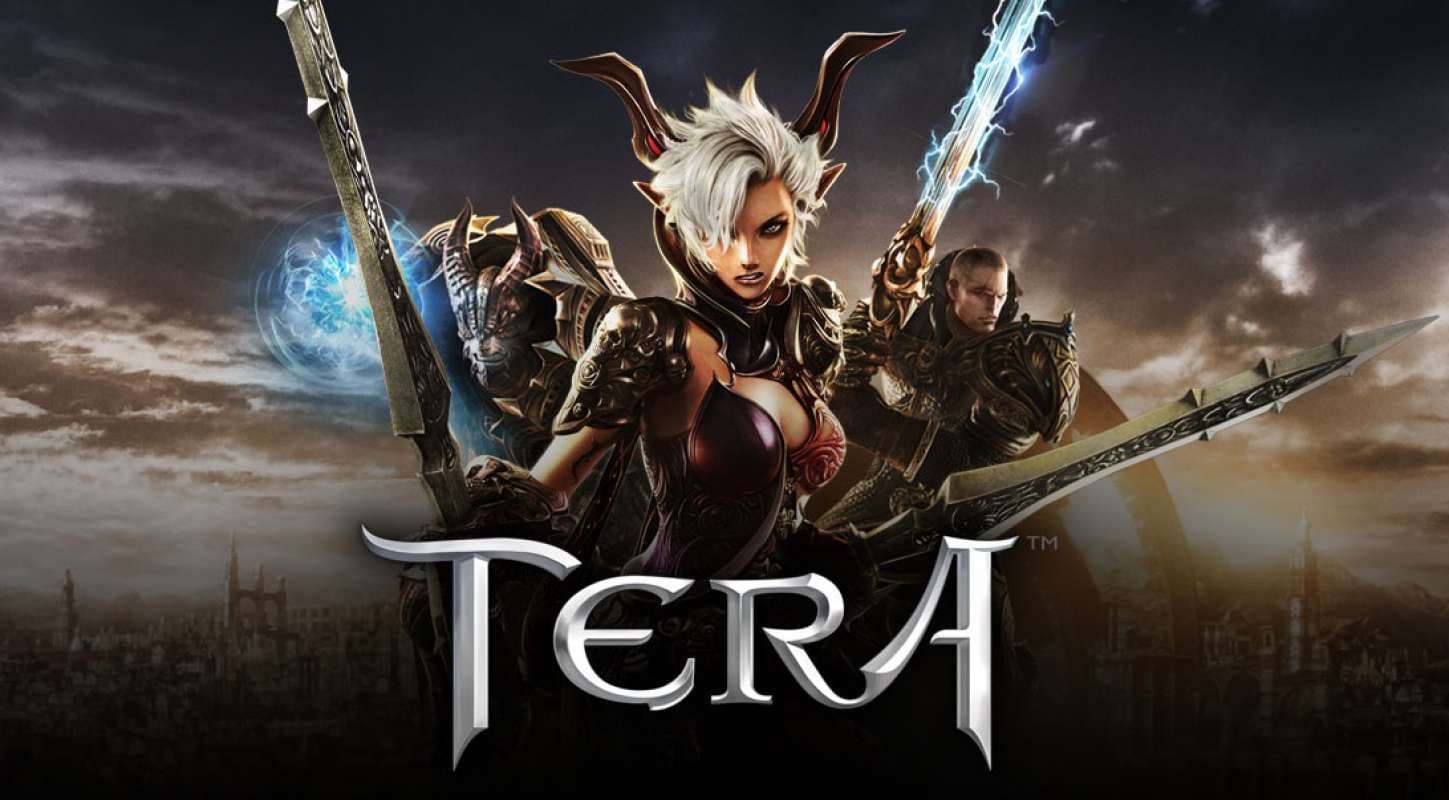
TERA drops you into Arborea, a world built by two sleeping titans and torn apart by a war among twelve gods — one of the first MMORPGs to trade tab-targeting for real aim-and-dodge combat, with a play...
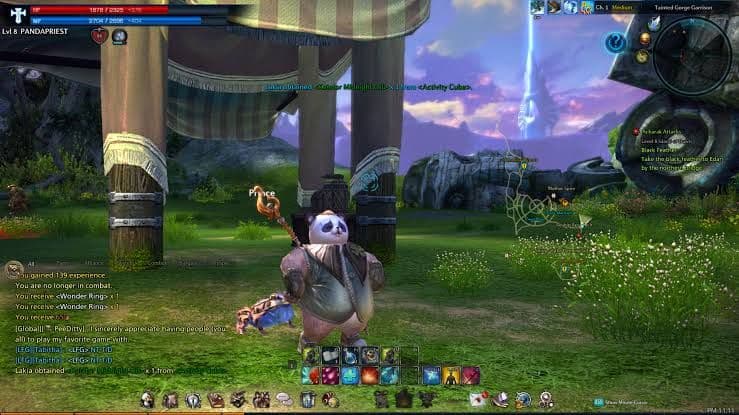
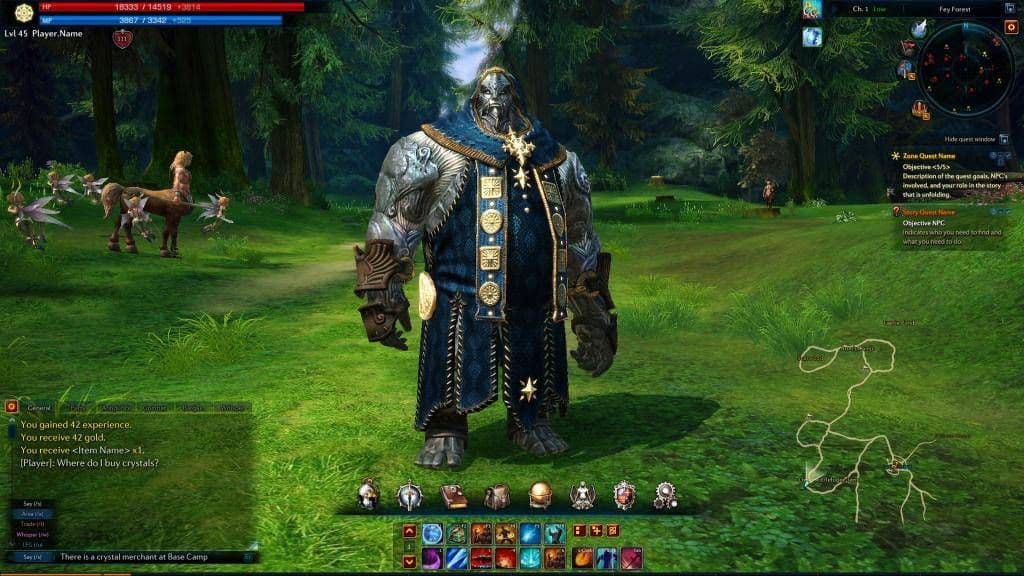
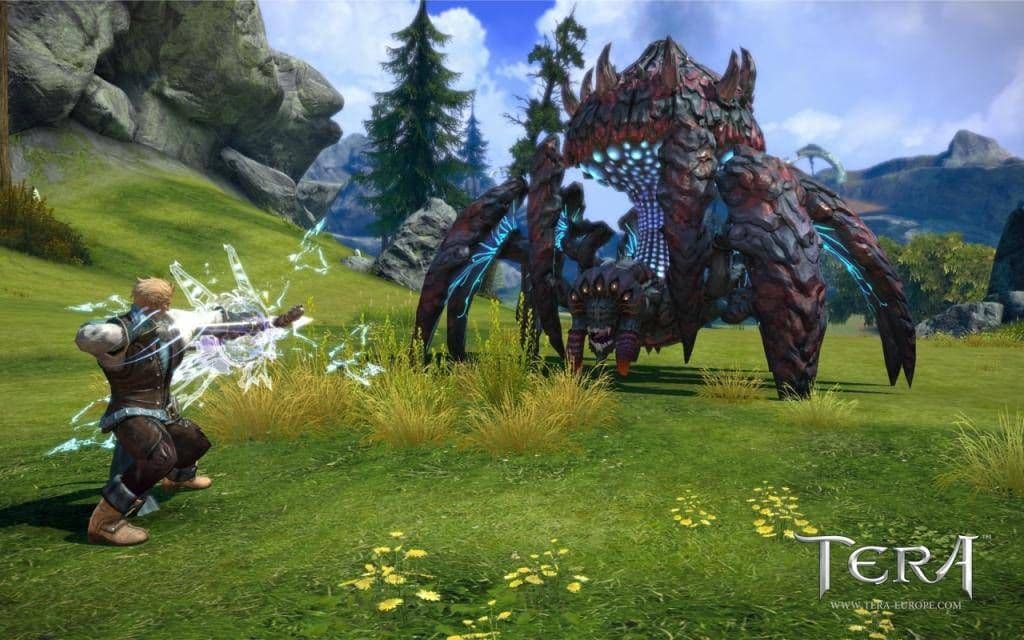
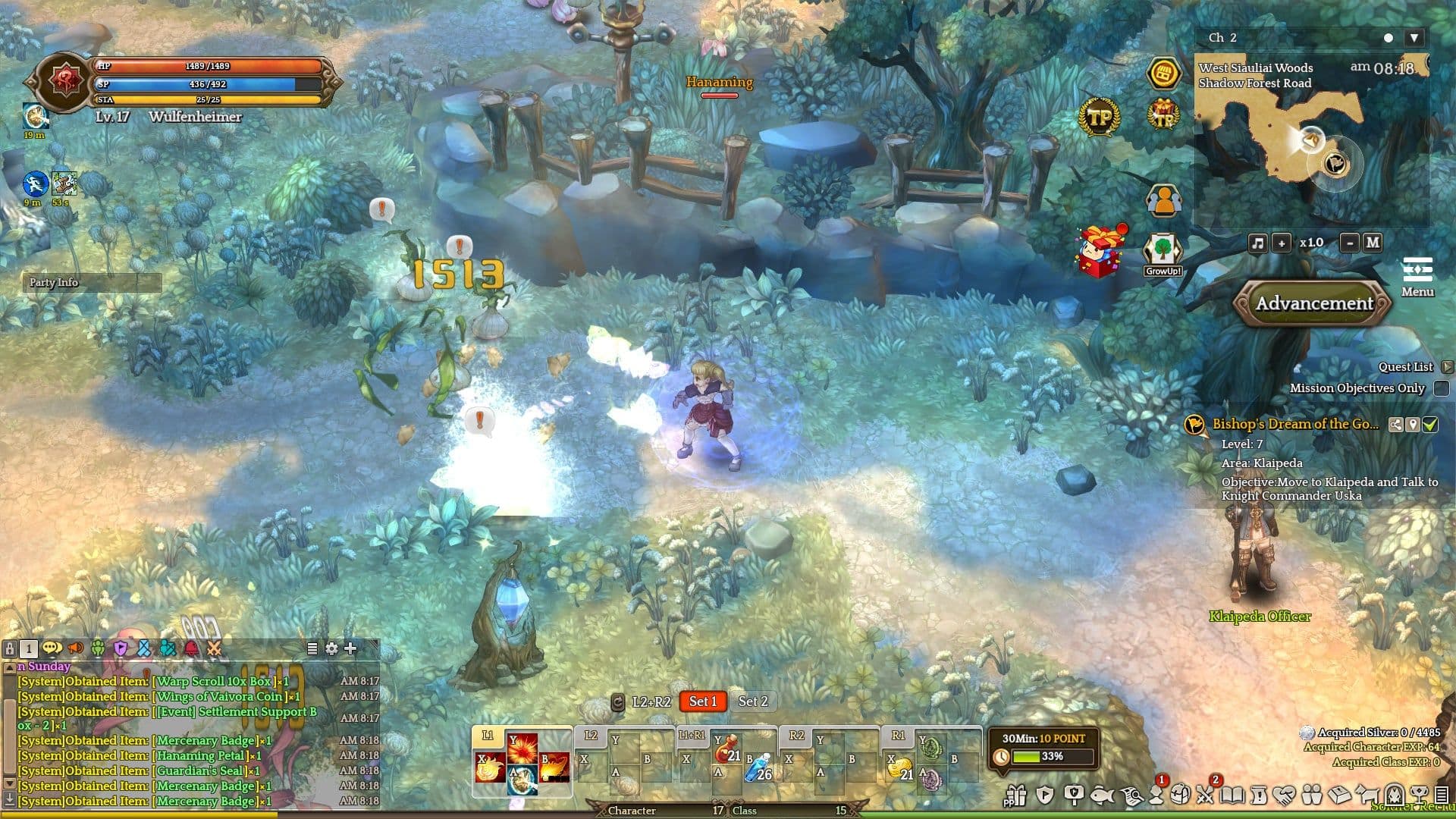
TERA (The Exiled Realm of Arborea) is a South Korean MMORPG developed by Bluehole Studio, now part of Krafton, and released in Korea on January 25, 2011, with North American and European launches following in May 2012. Built on Unreal Engine 3, it was one of the first major MMORPGs to ditch tab-targeting for genuine aim-and-dodge action combat, and for over a decade it ran a political layer where players, not developers, decided who ruled its provinces. The official PC servers shut down on June 30, 2022, after eleven years, but the game never fully disappeared — it splintered into a handful of community-run servers that are still active today. Later Korean MMORPGs picked up the same aim-based approach to combat, and TERA gets credit as one of the games that pushed the genre away from pure tab-targeting in the first place.
Quick take: TERA as a commercial product is dead — there is no official PC version, no publisher support, and no guarantee any private server survives the year. As a game you can still load up and feel that aim-based combat click, it's alive, just entirely in the hands of volunteers.
Bluehole Studio was founded in 2007 by former NCsoft developers who had worked on Lineage II, and the studio's early years were marked by a lawsuit as much as by development — NCsoft accused former staff of stealing early work on what would become Lineage III, and a Korean court partially sided with NCsoft in 2009. That legal cloud didn't slow TERA down. When it launched, the pitch was simple: an MMORPG where the cursor is a reticle, not a pointer. Landing a skill meant aiming it manually, and dodging an attack meant physically sidestepping it with a roll, not trusting a gear score to absorb the hit.
The setting, Arborea, grew out of the dreams of two sleeping titans, Arun and Shara. Twelve gods wage an ongoing war among themselves while the reptilian Argons dig up from underground, intent on wiping out gods, titans, and mortals alike — thin lore, mostly there to walk the player from one province to the next, but the world built on top of it held together well. New characters don't start with an abstract tutorial screen; the opening minutes drop straight into combat, teaching dodge timing and manual aim before a single line of quest text matters. From there, the leveling path runs through a string of provinces belonging to the Valkyon Federation, each with its own look and its own monster roster, so the climb to the level cap doesn't blur into one long identical field.
TERA's seven playable races each carry small starting bonuses rather than pure cosmetics, and the class list grew from nine at launch to twelve by the end, adding the Mystic, Reaper, Ninja, and Gunner along the way. A Lancer plants a shield and eats hits meant for the party; a Berserker swings a two-hander slow enough to punish bad positioning; an Archer lays traps and kites from range; a Priest hangs back and keeps the group standing. The genre's usual tank-healer-DPS triangle is there, but each role has enough internal variety that "pick a class" doesn't collapse into "pick a role."
The presentation held up better than most 2011 MMOs. Unreal Engine 3 gave Arborea painterly, saturated environments instead of chasing photorealism, and the soundtrack came from Inon Zur — the composer behind Fallout and Dragon Age, an unusual name for a Korean studio to bring on rather than lean on an in-house team.
The West didn't get TERA for free at first. North America and Europe launched on a subscription in May 2012, and it took until the "TERA: Rising" update in February 2013 for the game to drop the monthly fee and switch to the free-to-play model most players remember it by. The subscription option never fully vanished after that — it just stopped being required.
Once the campaign ended, TERA's actual hook kicked in. Open-world BAMs — the game's term for its giant field bosses — had to be staggered with precise hits to weak points rather than just tanked through, and raid dungeons like Manaya's Core and Kelsaik's Nest, offered in 10- and 20-player configurations, rewarded reading a boss's pattern over gearing past it. A solo instance like the Temple of Balder gave newer players a version of that same lesson without needing a full group to learn it in.
The PvP side stacked on top of that. Corsairs' Stronghold, added in July 2013, threw two twenty-player teams into a two-round siege — one side storming a fortress with siege engines, airships, and ladders, the other defending a crystal at its heart. Fraywind Canyon ran a smaller 15-vs-15 point-control format for years before it was quietly cut from the game in January 2019, a small but telling sign of a title starting to trim itself down rather than grow.
The system that made TERA's endgame genuinely distinct, though, was its politics. Provinces were originally ruled by elected Vanarchs, who could set taxes between 1% and 15%, issue province-wide announcements, and ride a white mount no one else could get — won either by popular vote or by settling the matter through guild-vs-guild war. Staying in office wasn't free, either: a sitting Vanarch had to fund their decrees with policy points, earned through public approval or by clearing brutal Vanarch-only quests that usually needed an army of subjects, not just the ruler, to finish. In August 2013, the Vanarch system gave way to Exarchs commanding entire continents, with alliances fighting over a resource called Noctenium to decide who held power. This wasn't a cosmetic title tacked onto a leaderboard: it changed prices, unlocked NPCs, and made the server's guild politics front-page news in a way most MMOs never manage.
Guilds in TERA weren't a social tab — they were the unit that actually ran the political game, fielded Corsairs' Stronghold teams, and formed alliances to hold entire continents. A server's real news cycle was who had just been voted out of the Vanarchy or which alliance had lost its grip on Noctenium, not a patch note.
The crafting loop stayed modest by comparison: gather materials in the field, refine them at workbenches, and craft gear or consumables through a broker that handled the bulk of player-to-player trade, from raw ore to full endgame gear sets. What mattered more for the game's long-term reputation was the cash shop, which stuck to cosmetics — weapon skins, costumes, companion pets — at a time when plenty of Korean MMOs were quietly selling power. An optional club membership added bonus experience and gold, but nothing behind that subscription ever gated content outright.
The warning signs showed up earlier in some regions than others. Russia's local publisher had already handed the game to Gameforge in 2020, folding its server into a new German-hosted one and losing part of the playerbase's characters in the transfer — a preview, in hindsight, of how little leverage regional publishers had left over a game this old.
Krafton announced the end in April 2022. New account creation and premium currency sales stopped on May 31, and at 10:00 CEST on June 30, every regional server went dark within the same hour — eleven years to the month after the Korean launch. The team ran farewell events up to the deadline, but the decision had already been made at the Korean studio level; every other regional publisher was simply carrying it out. Gameforge tore down forums, social channels, and most of the game's public footprint in under 48 hours, an unusually fast cleanup for an MMO shutdown, leaving almost no official archive behind. The only piece that kept running officially was the console version on PlayStation and Xbox, released in April 2018 and still receiving its own updates today, entirely separate from the story the rest of this review is about.
Some of TERA's private servers actually predate the shutdown. Menma's TERA launched in February 2021 and left beta that August, meaning it ran alongside the live official game for over a year before Krafton pulled the plug. It's the largest PvP-focused option today: new characters get a level 70 scroll and PvP gear tokens without a grind, and a proxy built into the launcher helps players outside its French hosting region with ping. It moved to the 64-bit patch 100 client in July 2022, right after the shutdown.
Players who want PvE without the arena pressure tend to land on TERA Starscape, a US West Coast server that revived dozens of old dungeons, boosted drop and enchant rates, and made PvP entirely opt-in through duels, guild wars, and battlegrounds — no open-world ganking. Russian-speaking players gravitate toward Akeron, running since March 2023 with two servers, RU1 and RU2; RU2 has repeatedly logged the highest concurrent population of any TERA private server, with peaks above 4,000 players online at once. TeraCZ, based in Miami, offers a level-65 classic-content experience for anyone curious about the older build rather than the game's final years.
The scene keeps shifting even now — a European project relaunched under the name "Tera Europe: plus" in the summer of 2026, one more sign that these servers rise, fall, and get rebuilt on a cycle that has nothing to do with any company's roadmap.
Getting in is straightforward but manual: pick a project, download its own launcher (often tens of gigabytes, since the assets are still from a full-sized MMO), register a separate account just for that server, and join its Discord, which usually doubles as the support desk since none of these teams run an official help line. No one guarantees the files are clean or that the server will still be running next month — that's the trade-off for the game being reachable at all.
Yes, if you're comfortable treating it as a hobbyist project rather than a live-service game: TERA's combat still holds up, several private servers are stable and populated, and joining one costs nothing but a launcher download. What you won't get is anything resembling official support, cross-server characters, or a promise that the server you pick will still exist in a year.
Yes, but only through unofficial private servers — the official PC version shut down permanently on June 30, 2022.
The original game was free-to-play with a cosmetic-focused cash shop, and every current private server is free to join; some accept optional donations for perks.
Yes — the PlayStation and Xbox version, released in April 2018, runs independently of the PC shutdown and continues to receive official updates.
Akeron's RU2 server has consistently reported the highest concurrent population among TERA private servers, with peaks above 4,000 players.
No — each project runs its own account system and its own client, so a character built on one server has no way to move to another.
If you want the PvP TERA was known for — sieges, guild politics, gear handed to you instead of ground out — Menma's is the obvious stop, and its head start on being playable before the shutdown even happened gives it the deepest bench of experienced players. If open-world ganking was always the part you tolerated rather than enjoyed, TERA Starscape's opt-in PvP and revived dungeon list make for a calmer version of the same combat. If a Russian-speaking community matters more than anything else, Akeron's RU2 server is the one with people actually online right now. And if you're just curious what the fuss was about in 2011 without committing to anything long-term, TeraCZ's classic build gets you there in an evening.
What none of these servers can offer is stability. TERA the product is gone, and nothing here comes with a warranty. TERA the game, aimed reticle and all, is still exactly as good as the volunteers keeping the lights on want it to be — and for now, in several places at once, that's good enough.