 Free To Play
Aion 2
MMORPGReleased
AION 2 brings NC's Elyos-versus-Asmodian war into Unreal Engine 5, with a seamless rebuilt Atreia, tactical flight combat, and faction sieges fought o...
If your PC can run this game, you'll also be able to play these:
Free To PlayAION 2 brings NC's Elyos-versus-Asmodian war into Unreal Engine 5, with a seamless rebuilt Atreia, tactical flight combat, and faction sieges fought o...
 Buy To Play
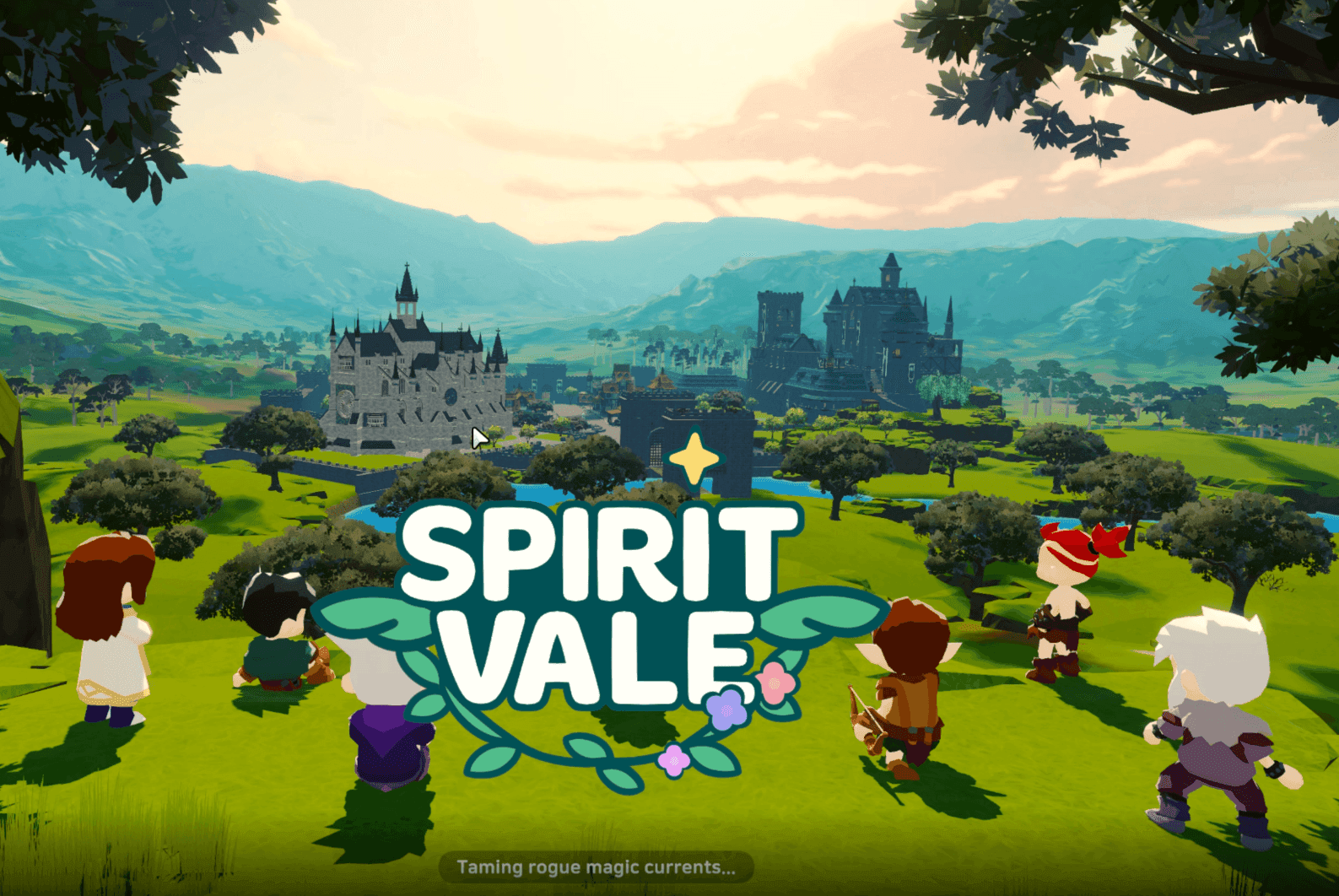
SpiritVale is a class-based action MMORPG from Australian indie studio Baikun Interactive, set in the fractured world of Nevaris. Choose from seven cl...
 Buy To Play
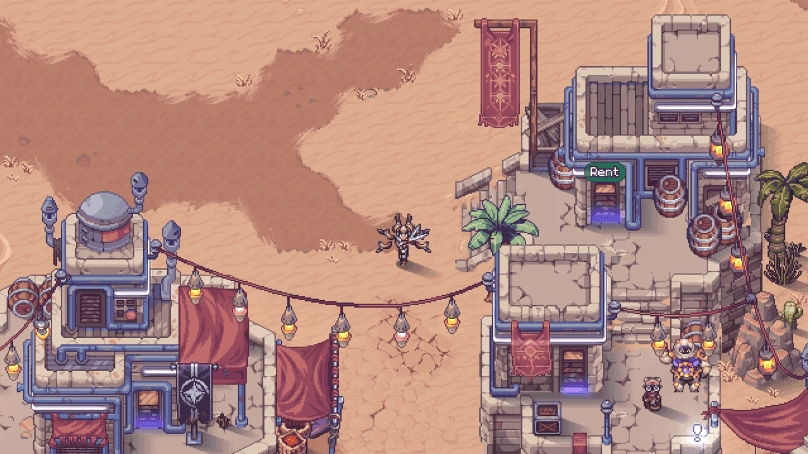
Soulbound: Online is a pixel-art action MMO where fast bullet-heaven dungeon runs sit alongside a peaceful overworld of mining, fishing, cooking and c...
ANANTA is engineered as a next-generation urban technological showcase utilizing an extensively customized Unity architectural framework — the Tuanjie Engine, purposefully targeted at contemporary high-performance desktop PCs, current-generation PlayStation 5 consoles, and modern flagship mobile devices. Transcending conventional cross-platform limitations, developer Naked Rain redesigned the rendering pipeline from scratch: the architecture harnesses modern low-level APIs (DirectX 12 and Vulkan), a sophisticated cel-shaded aesthetic coupled with physically based materials (PBR), dense volumetric lighting grids, and screen-space reflections across rain-soaked asphalt and neon shopfronts. With global launch scheduled for January 15, 2027, official configuration tables continue to undergo fine-tuning, yet the computational demands of the engine already outline clear hardware baselines across key PC components.
The Central Processing Unit (CPU) sustains exceptional computational workloads dictated by the continuous simulation of a living open metropolis: autonomous AI behavioral routines for hundreds of street pedestrians, complex multi-vehicle road traffic kinematics, rigid-body destruction calculations from telekinetic environmental impacts, and continuous network synchronization in four-player cooperative sessions. Preserving uncompromised frame pacing demands high single-thread instructions per clock (IPC). Modern multithreaded desktop processors featuring 6 to 8 physical cores on AMD Zen 4 / Zen 5 or Intel Core 13th–15th Gen architectures with substantial Level-3 cache serve as the essential baseline to prevent 1% and 0.1% low framerate dips during high-speed swings across Nova City's central avenues.
The Graphics Processing Unit (GPU) and dedicated Video RAM (VRAM) drive continuous rendering across thousands of localized dynamic neon light sources, heavy volumetric mist shaders, and dense particle effects from elemental detonations. Managing the high volume of draw calls inherent to dense multi-tiered skyscraper geometry requires a capable discrete graphics card supporting temporal upscaling algorithms (DLSS / FSR). For fluid performance at 1080p and 1440p resolutions on high visual presets, graphics hardware equivalent to the GeForce RTX 3060 / 4060 or Radeon RX 6700 XT / 7600 XT featuring 8 to 12 GB of VRAM represents the recommended threshold. Sub-8GB configurations will inevitably face severe texture streaming degradation and stutter during rapid perspective sweeps across high-altitude vantage points.
System Memory (RAM) functions as an indispensable high-bandwidth operational cache during uncompressed streaming of the seamless metropolis. Eliminating traversal stutter while piloting sports cars or web-swinging at speeds exceeding 100 km/h mandates a dual-channel configuration of at least 16 to 32 GB operating at high clock frequencies (DDR4-3600 or DDR5-6000). This ensures timely buffer availability for architectural geometry, vehicular high-polygon models, and complex character animation state machines, preventing the host operating system from paging memory to disk.
Storage architecture dictates an uncompromising prerequisite: installation strictly mandates high-speed NVMe SSD storage utilizing a PCIe interface. The game's seamless, loading-screen-free urban environment requires continuous, high-throughput asset delivery directly into memory subsystems. Attempting to deploy such a high-fidelity urban sandbox onto legacy mechanical hard disk drives (HDD) will result in severe asset pop-in, geometric voids during high-speed ground travel, and extended synchronization stalls upon transitioning into instanced Chaos Rifts.