 Buy To Play
SpiritVale
MMORPGEarly access
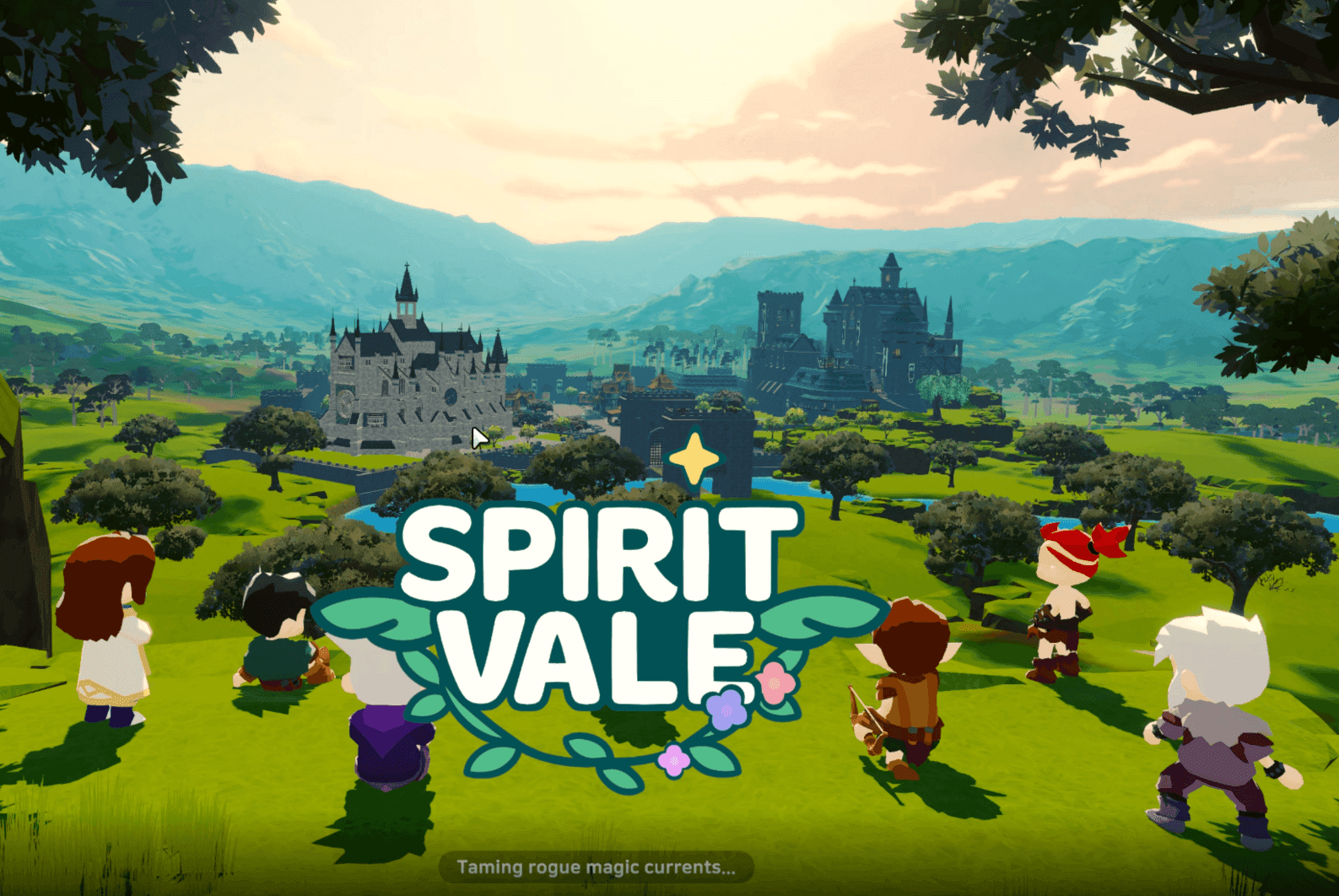
SpiritVale is a class-based action MMORPG from Australian indie studio Baikun Interactive, set in the fractured world of Nevaris. Choose from seven cl...
Minimum and recommended PC specs to run the game
← Back to game reviewIf your PC can run this game, you'll also be able to play these:
Buy To PlaySpiritVale is a class-based action MMORPG from Australian indie studio Baikun Interactive, set in the fractured world of Nevaris. Choose from seven cl...
 Free To Play
MapleStory is a free-to-play 2D side-scrolling MMORPG from Nexon that has run continuously since 2003, now home to more than 260 million registered ac...
 Free To Play
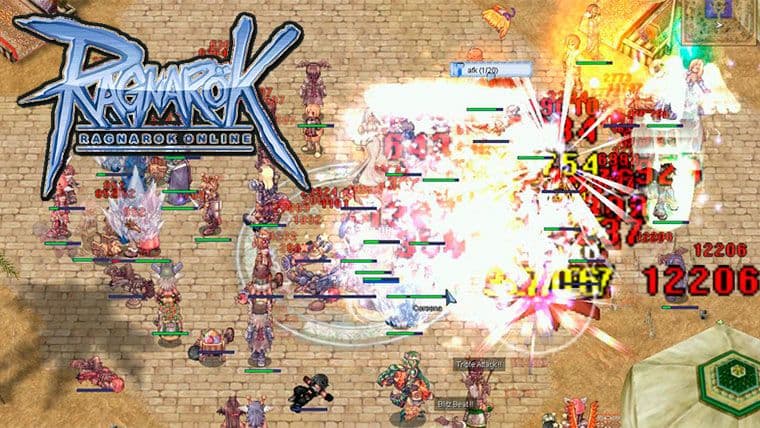
Ragnarok Online has been running since 2002, and the card system it introduced — socketing monster drops into weapons and armor — is still one of the ...
Blade & Soul NEO is engineered on a modern 64-bit Unreal Engine 4 architecture with full support for DirectX 11 and DirectX 12 APIs. Unlike the original 2012 client hampered by Unreal Engine 3 limitations and subsequent compromised Live-service engine ports, the NEO build was compiled from a clean, modernized codebase specifically optimized for multi-threaded processing. Epic Games' modern rendering pipeline leverages physically based rendering (PBR), dynamic volumetric shadowing, enhanced cloth physics simulation, and advanced post-processing particles, requiring a well-balanced hardware configuration to maintain consistent frame pacing during high-octane combat.
The Central Processing Unit (CPU) remains the primary computational pillar dictating combat responsiveness and hit-registration accuracy. The game's frantic action combat loop continuously calculates geometric crosshair raycasts, sub-second active parry windows, invulnerability frames (i-frames), aerial juggle physics, and multi-segment color-coded joint boss crowd control. The engine exhibits high sensitivity to single-core IPC and operating clock frequency. While a competent quad-core processor like an Intel Core i5 or AMD Ryzen 3 handles standard leveling, avoiding frame pacing hiccups during dense particle bursts in 4-player and 6-player dungeons requires a modern six-core or eight-core CPU boasting robust single-thread performance.
The Graphics Processing Unit (GPU) and Video Memory (VRAM) manage heightened environmental geometric complexity and character fidelity. The game's signature artistic style—featuring intricately rendered martial arts costumes, dynamic flowing silk physics, and dense elemental spell effects—places significant demands on draw-call throughput. Achieving stable framerates at medium settings in 1080p requires a dedicated graphics card in the tier of a GeForce GTX 1060 or Radeon RX 580 with at least 4 GB of VRAM. For an uncompromising 60+ FPS experience at maximum visual fidelity in 1440p or 4K resolutions, a modern GPU like a GeForce RTX 3060 or Radeon RX 6600 equipped with 8–12 GB of VRAM is essential to prevent memory bottlenecks during chaotic open-world faction skirmishes.
System Memory (RAM) serves as the indispensable operational buffer for client stability, mitigating memory fragmentation over extended gaming sessions. While an entry-level 8 GB RAM setup suffices for solo story progression in early zones, it pushes memory utilization near its threshold. For uninterrupted participation in competitive endgame dungeons and faction battlegrounds, a configuration of 16 GB RAM operating in high-frequency dual-channel mode is strongly recommended. Adequate headroom ensures seamless asset retention when moving through densely populated player hubs and prevents abrupt client crashes caused by caching hundreds of distinct player cosmetics.
Storage subsystem throughput is critical due to the implementation of Infinite Windwalk. The fully installed game client occupies approximately 70 GB of disk space. Installing the client on a high-speed Solid-State Drive (NVMe or SATA III SSD) is strictly necessary: maintaining sustained supersonic sprints and gliding across vast mountain vistas demands rapid background streaming of high-resolution textures and environmental geometry. Utilizing legacy mechanical hard drives (HDD) inevitably results in severe hitching across regional boundaries and intolerably protracted loading transitions when entering instanced dungeons.