 F2P · Live
Lineage 2
Aden's castles never stay in the same hands for long, and Lineage II has built an entire twenty-three-year…
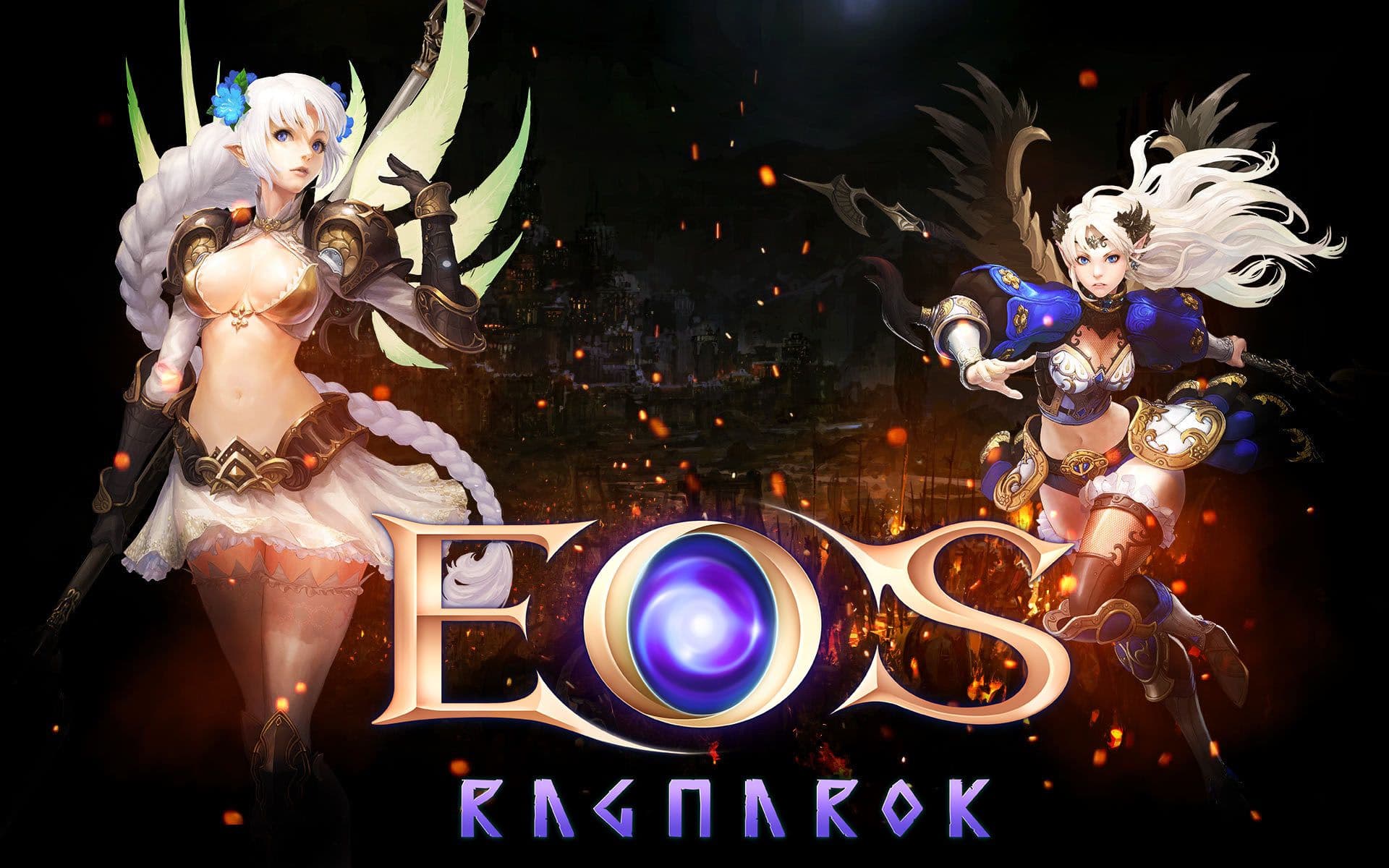
Echo of Soul is a Korean fantasy MMORPG developed by Nvius, a studio built by former Lineage II team members, running since 2013 and still active today under publisher Papaya Play. The game centers on...
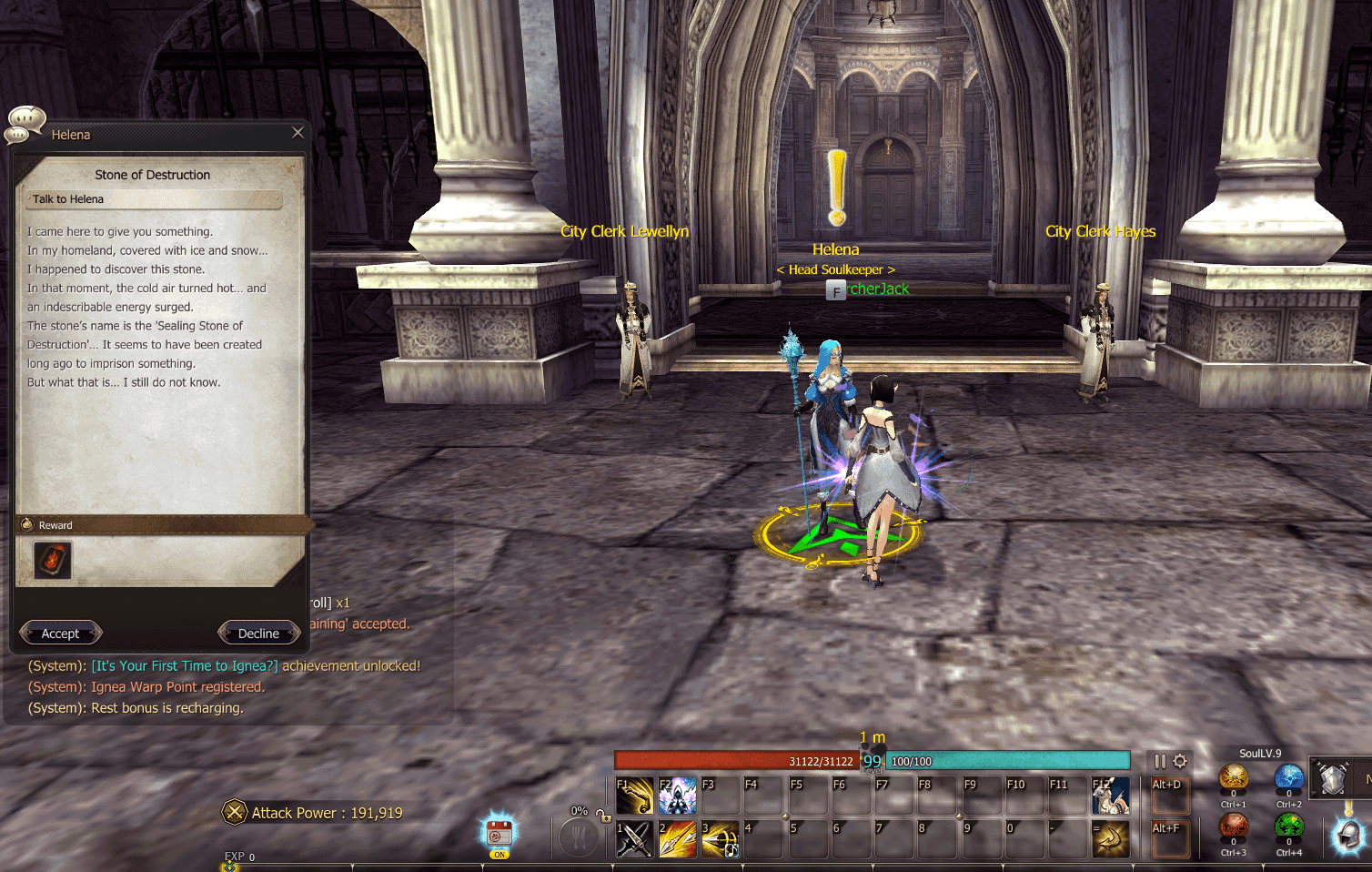
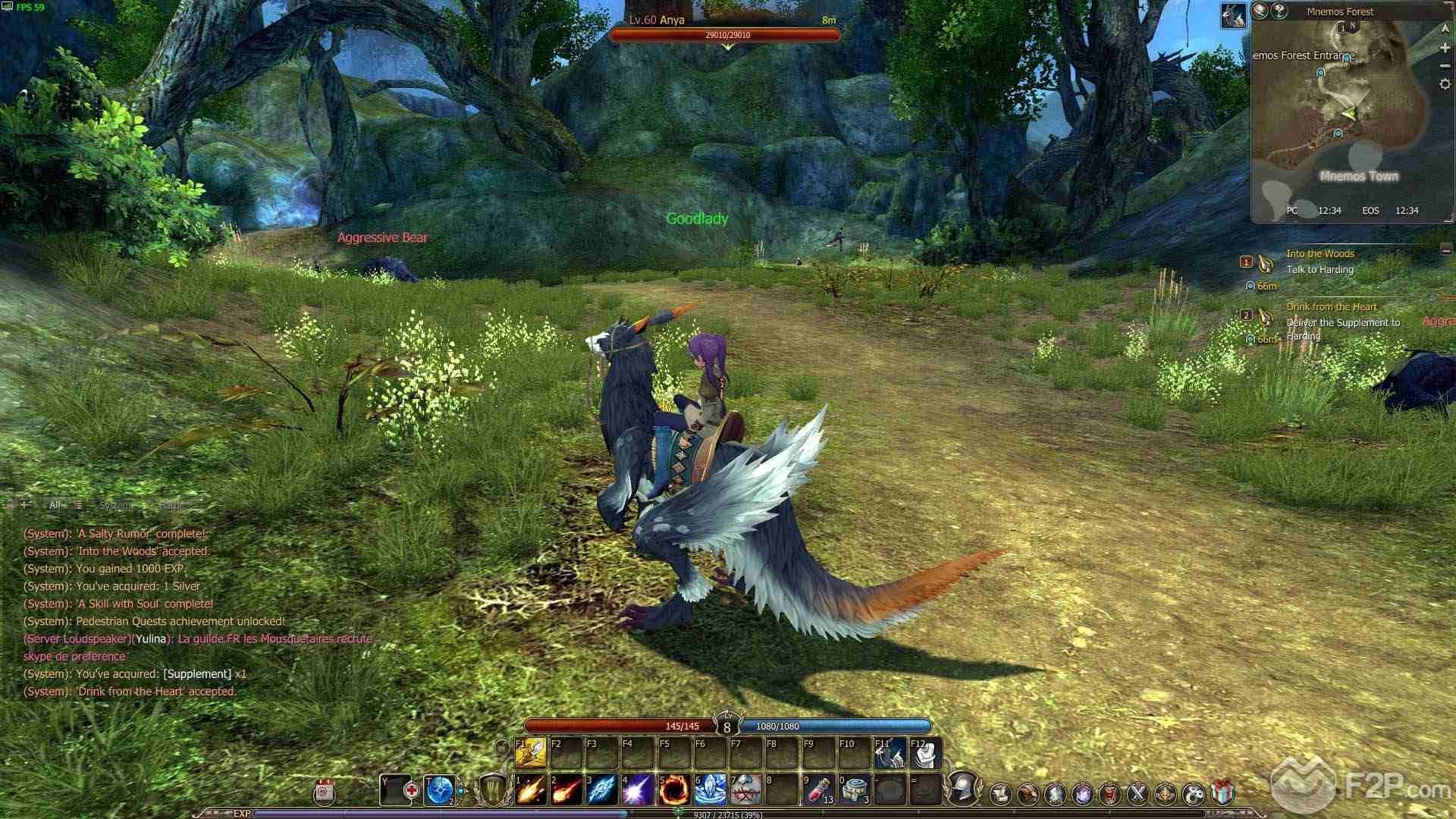
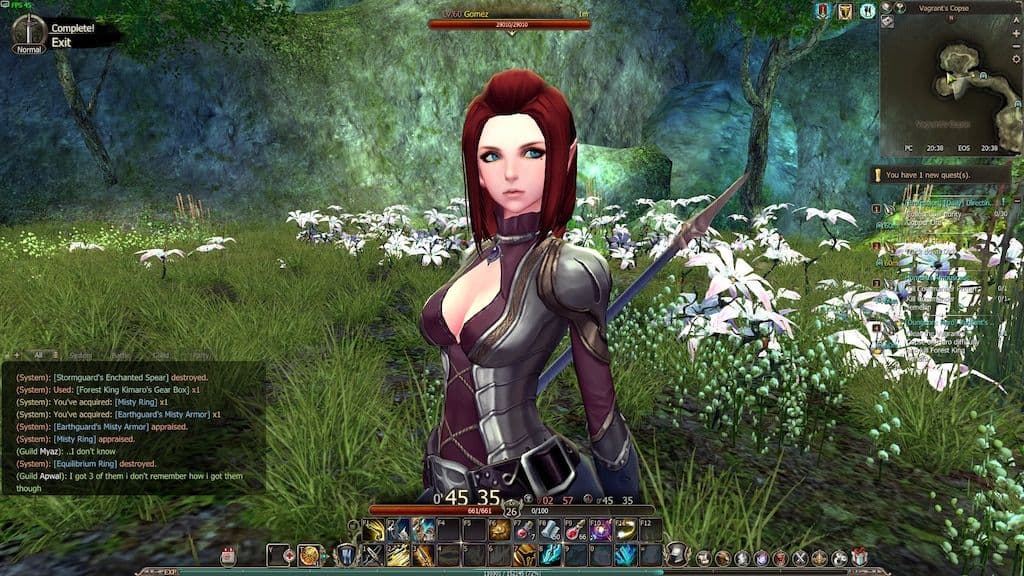
Echo of Soul is a Korean fantasy MMORPG developed by Nvius, a studio that counts former Lineage II team members among its ranks, running on Unreal Engine 3. The Korean version launched in September 2013, the Western release followed in May 2015, and more than a decade later the game is still active under publisher Papaya Play (Vertigo Games), having previously changed hands from Aeria Games to Gamigo along the way.
Quick take: Echo of Soul is a solid, unpretentious tab-target MMORPG that has quietly survived three publishers without ever reinventing itself. If you want a classic Korean questing loop with a genuinely distinct customization hook, it's worth an evening; if you need a living open world or fresh combat, look elsewhere.
The setting leans on familiar cosmic scaffolding: gods and giants once fought a war that nearly ended the world, and although the giants lost, the corrupted blood of their king Ymir survived as the Shadow, a force that keeps eating away at creation from the inside. Players step into the role of a Soulkeeper, chosen by the gods to push back against that rot, and gain the ability to harvest souls from defeated enemies rather than relying on gear alone for progression. That mechanic, the Soul System, is the one genuinely distinctive idea the game built its identity around.
The world itself is split across a handful of large regions, each carrying its own climate and architectural theme — coastal plains dotted with ruins from an older civilization, mountain passes where the Shadow's influence is most visible. It's not a huge map by modern standards, but the zones are built with enough visual variety that the early hours don't blur together the way they can in more repetitive theme-park MMORPGs.
There's no separate race system here — character options come down to class alone, and the opening story beats play out nearly identically regardless of what you pick, with only minor dialogue variation by specialization. It's a simplification that makes onboarding painless, though it also means Echo of Soul never develops the kind of racial texture that made contemporaries like Lineage II or Aion feel like they had multiple starting stories worth revisiting.
Visually, the game still holds up reasonably well for its age. Zones are built for wide panoramic shots, and character and armor models have gone through several rounds of retexturing over the years. Comparisons to ArcheAge and TERA circulated when Echo of Soul first launched, and the general fantasy aesthetic still earns that company — though Unreal Engine 3's limits show through the moment you look closely at draw distance or shadow edges rather than the wide establishing shots.
New Soulkeepers start with six base classes — Warrior, Guardian, Ranger, Rogue, Sorceress, and Warlock — with a seventh, Paladin, added in a later update. Combat runs on classic tab-target: click an enemy, watch it highlight, then work through a hotbar of abilities while tracking cooldowns. There's no dodge-rolling or manual aiming, and the game doesn't pretend otherwise; what it does offer is animation work clearly modeled on Lineage II's visual language, which still reads as polished rather than dated.
The early questing loop is a straight chain of story missions escorting the player from the tutorial zone through the first solo dungeons, introducing mounts and pets along the way. None of it tries to surprise a genre veteran, and the game is confident enough about that not to dress the loop up as something more ambitious than it is.
In practice, a fight boils down to a short rotation: open with a crowd-control effect, chain damage abilities as cooldowns allow, close with a hard-hitting finisher that then sits on a long recharge before the cycle starts again on the next target. A Sorceress clears trash packs with area spells, a Rogue picks off priority targets from stealth, and a Guardian holds aggro through a mix of taunts and shields. None of it reinvents the genre, but it's assembled with care — the abilities read clearly at a glance, cooldowns line up logically, and the rare moment a boss telegraphs a dangerous hit adds a beat of actual tension to what would otherwise be pure rotation management.
Classes each carry a claimed roster of more than sixty skills, which sounds enormous on paper. In practice, any given build settles on roughly a dozen active abilities, with the rest split between passives and situational cooldowns saved for specific fights. That's not a criticism so much as a description of how tab-target itemization tends to work once a genre has had over a decade to mature — depth lives in build choices and gear more than in an ever-expanding hotbar.
At level ten, every class branches into a specialization that meaningfully reshapes its kit — a Sorceress splits into fire and ice paths, for instance, while a Warlock becomes either a curse-focused damage-over-time specialist or a class built around draining the enemy's own life force directly. It's a familiar structure, but the execution holds up: the branch you pick at ten still defines how the character plays at level fifty.
This is also where the genre's usual trinity gets quietly rewritten. There's no dedicated healer class — recovery is distributed across the roster through self-sustain skills and temporary shields, so a party without a "pure" support isn't an emergency, it's just Tuesday. The tradeoff is subtle: instead of everyone watching one healer's mana bar, survival becomes a shared responsibility, which changes how group dungeons actually get played rather than just how they're advertised.
Mounts unlock around the same point in progression as the first PvP modes, and Echo of Soul doesn't try to dress that up as anything special either: movement speed goes up, cosmetic variants get sold through the shop and seasonal events, and that's about it — no functional variety, no flying mounts, nothing that changes how a mount actually works. Leveling speed itself has picked up considerably since launch, though. What took weeks of deliberate questing in 2015 now clears in a handful of evenings thanks to boosted experience on newer accounts and recurring acceleration events, which pushes the point where the game actually starts a lot closer to the beginning than it used to sit.
Gear improvement follows a familiar Korean-MMO pattern by this point: pour materials into an upgrade attempt, hit the button, and accept that failure is possible and gets more likely at higher tiers. A failed attempt doesn't destroy the item, but it does burn the materials — the publisher's own support pages list restoring gear lost to failed enhancement attempts as a standing FAQ entry, which says something about how often that mechanic frustrates people.
By the thirty-to-forty range, the leveling grind gives way to the actual endgame loop: group dungeons, PvP modes, and the first raids. Publisher figures — dating back to the 2022 Papaya Play relaunch but still a reasonable indicator of scale — put the total content at over 1,600 quests and roughly 60 solo and group dungeons, numbers that reflect years of accumulated content updates more than a single ambitious launch.
PvP splits into two formats: 5v5 arenas for quick tactical duels and 15v15 battlegrounds for larger, more coordinated fights. There's no open-world PvP and no realm-versus-realm territory control — every PvP mode here is instanced, so anyone hoping for siege warfare or contested zones is looking at the wrong game. Arena matches feel more like a warm-up between other activities than a discipline in their own right; there's no ranked ladder carrying real weight in the community, and the rewards lean cosmetic. The battleground, by contrast, actually rewards coordination — point captures and voice-chat callouts separate a organized team from a random queue far more clearly than anything happening on the arena floor.
It's worth being upfront about the raid content, too: nothing in Echo of Soul's endgame reinvents what a Korean MMORPG raid looks like. Boss phases, add spawns, floor-based damage zones — the toolkit is proven rather than novel. For a game its age, still receiving updates without any sharp difficulty spikes to alienate returning players, that reads more like honest restraint than a missed opportunity.
Echo of Soul offers a standard profession system for gathering and crafting upgrade materials without leaning entirely on monster drops, plus a pet-collecting track that gives companions passive bonuses to resource gathering or experience. What it doesn't offer is player housing of any kind — a gap that already looked dated in 2013 next to contemporaries like ArcheAge, and hasn't aged any better since.
Pets deserve a specific mention: they're tamed and collected rather than just cosmetic companions, and several species carry passive bonuses to resource gathering or experience, which turns collecting into a low-key but genuinely functional progression track rather than a pure vanity system.
The economy leans on drops, professions, and the cash shop rather than a player-driven market: there's no centralized auction house or personal-shop system here, which keeps the game simple for newcomers but strips out the layer of economic depth that later sandbox MMORPGs turned into a genre in itself.
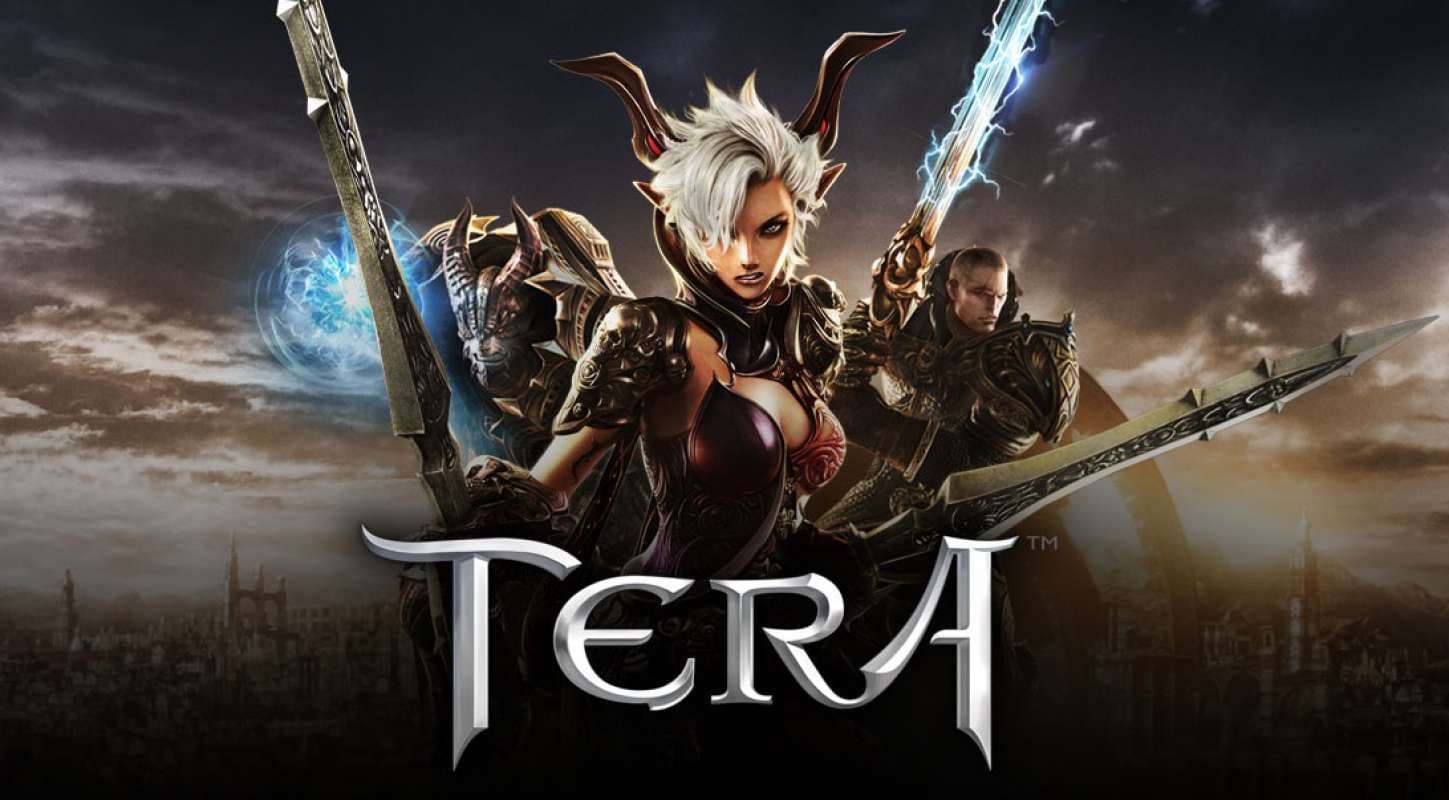
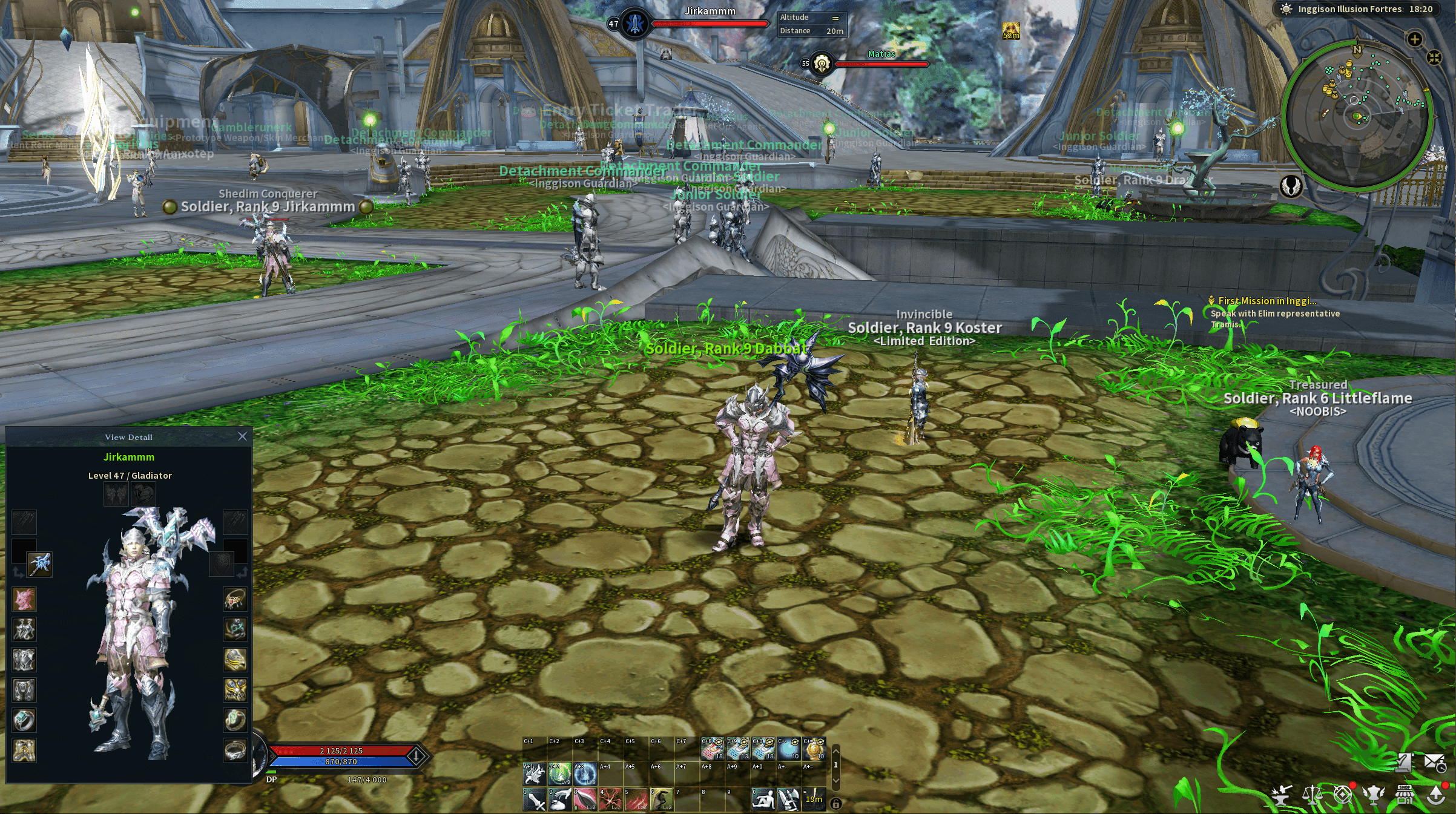
Set against its closest peers, Echo of Soul reads as the more conservative choice. TERA pushed the genre toward action combat around the same period Echo of Soul launched with tab-target; Aion Classic leans harder into its aerial combat and open-world PvP; Runes of Magic built its whole identity around a dual-class system that goes further than the Soul System does here. Echo of Soul doesn't try to out-innovate any of them — its case rests on the Soul System being genuinely different rather than on any single system being best-in-class, and on the fact that it's still here, still updating, while several of its direct 2013-era competitors have already gone dark for good.
Guild features cover the essentials — shared dungeons, coordination for endgame content, a group chat and a shared resource pool — without anything resembling guild-versus-guild warfare or large-scale territory fights. Community activity leans on regular events rather than competition over map control.
It would be dishonest to pretend the population hasn't shrunk over more than a decade and three publisher transitions; server counts are modest today, and that's simply the reality of a project this age. What stands out is how stable the remaining core looks — Discord activity and steady comment threads on patch notes suggest a real slice of the audience has been here since launch and has no plans to leave, however small the current server list looks next to the game's early years.
Support runs through Discord rather than an in-client ticket system, which is close to standard for a Korean-origin MMORPG operating outside its home region, but it can feel like an extra hoop for anyone used to reaching support without leaving the game. In-game communication itself is the usual toolkit — world, guild, and trade channels — without anything resembling a marriage system or collaborative construction, features that show up in some of Echo of Soul's contemporaries but never made it into this one.
No, not in any structural sense. Echo of Soul runs free-to-play with a cash shop for cosmetics and convenience items, and a short-lived attempt at a one-time-purchase Steam Early Access model in 2019 shut down when that Steam listing ended service in November 2020 — the game's only official access point today is Papaya Play's own launcher.
Enhancement risk aside, nothing about the shop pushes power directly — cosmetics, convenience items, and account services make up the bulk of what's for sale, and the publisher has kept that line steady across three ownership changes, which is more consistency than plenty of newer free-to-play launches manage in a single year.
Credit where it's due: for a project that's changed publishers three times, none of those transitions happened the way MMO shutdowns usually do. Each handoff — Aeria to Gamigo, Gamigo to Papaya Play — came with advance notice, character transfers, and compensation for lost premium currency. It's a rare example of ownership changing hands without a server going dark overnight.
Content releases follow a steady, unhurried rhythm rather than chasing reinvention: seasonal events, small balance passes, the occasional new dungeon. The winter "Snowflake Village" event that ran from December 18, 2025 through January 28, 2026 is a typical example — daily quests, login rewards, a themed area — the kind of thing that keeps a long-running MMORPG's lights on between bigger updates rather than announcing one.
None of this is framed as a comeback story or a reinvention arc, and that's arguably the healthiest thing about how Papaya Play talks about the game: no promises of an overhaul that never lands, no seasonal reset gimmick borrowed from other genres. For a player who's grown tired of MMORPGs announcing a "completely new experience" every six months and then quietly walking it back, that predictability might read as an unexpected relief — though anyone chasing a constant stream of fresh mechanics will likely find the pace thin within a couple of months.
Echo of Soul isn't chasing anyone's attention. The class-and-specialization system holds up, the Soul System is a genuinely different customization hook worth trying at least once, and the questing loop is honest about what it is rather than dressing itself up as something bigger. What it doesn't offer — housing, open-world conflict, a player-driven economy, anything resembling a modern combat overhaul — is exactly what's missing from a 2013 Korean MMORPG that never tried to become something else. Echo of Soul isn't a survivor by accident; it's a survivor by refusing to pretend it's anything other than what it's always been.
Yes. Echo of Soul runs on a free-to-play model with an optional cash shop for cosmetics and convenience items.
Yes, the game remains active under publisher Papaya Play, with regular seasonal events and ongoing support more than a decade after its Western launch.
Yes, but only in instanced formats — 5v5 arenas and 15v15 battlegrounds. There's no open-world PvP or territory control.
No. The game's Steam Early Access listing ended service in November 2020; the only current access point is Papaya Play's own launcher.
No, housing was never implemented, a gap present since the original 2013 release.