 F2P · Live
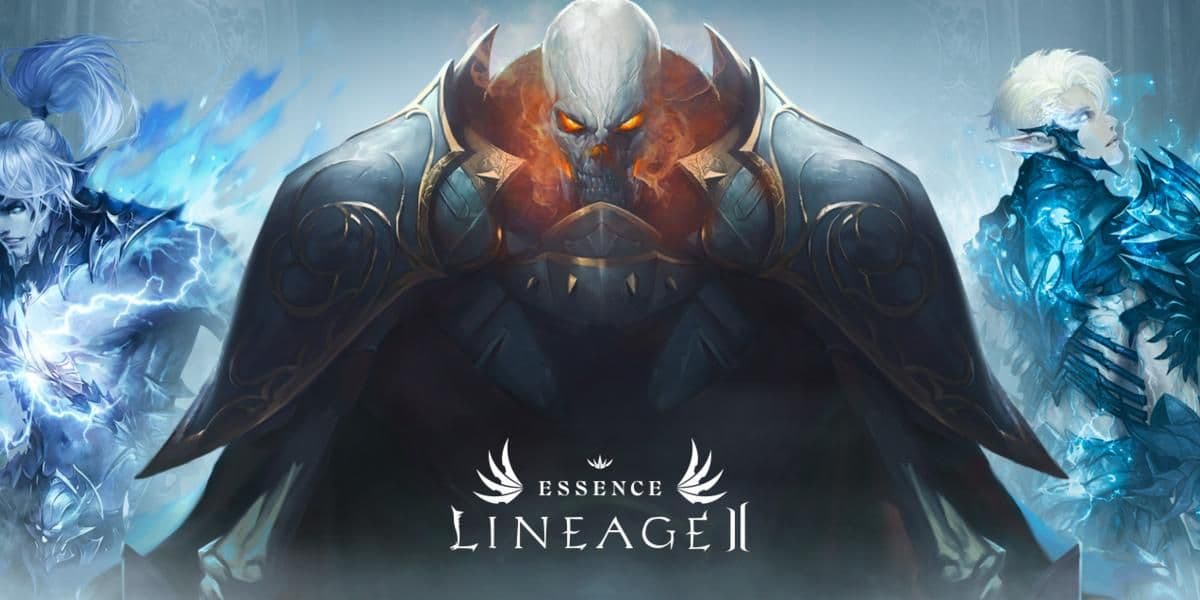
Lineage 2 Essence
Lineage 2 Essence is NCSoft's free-to-play take on the classic Korean MMORPG Lineage II, built around faster…
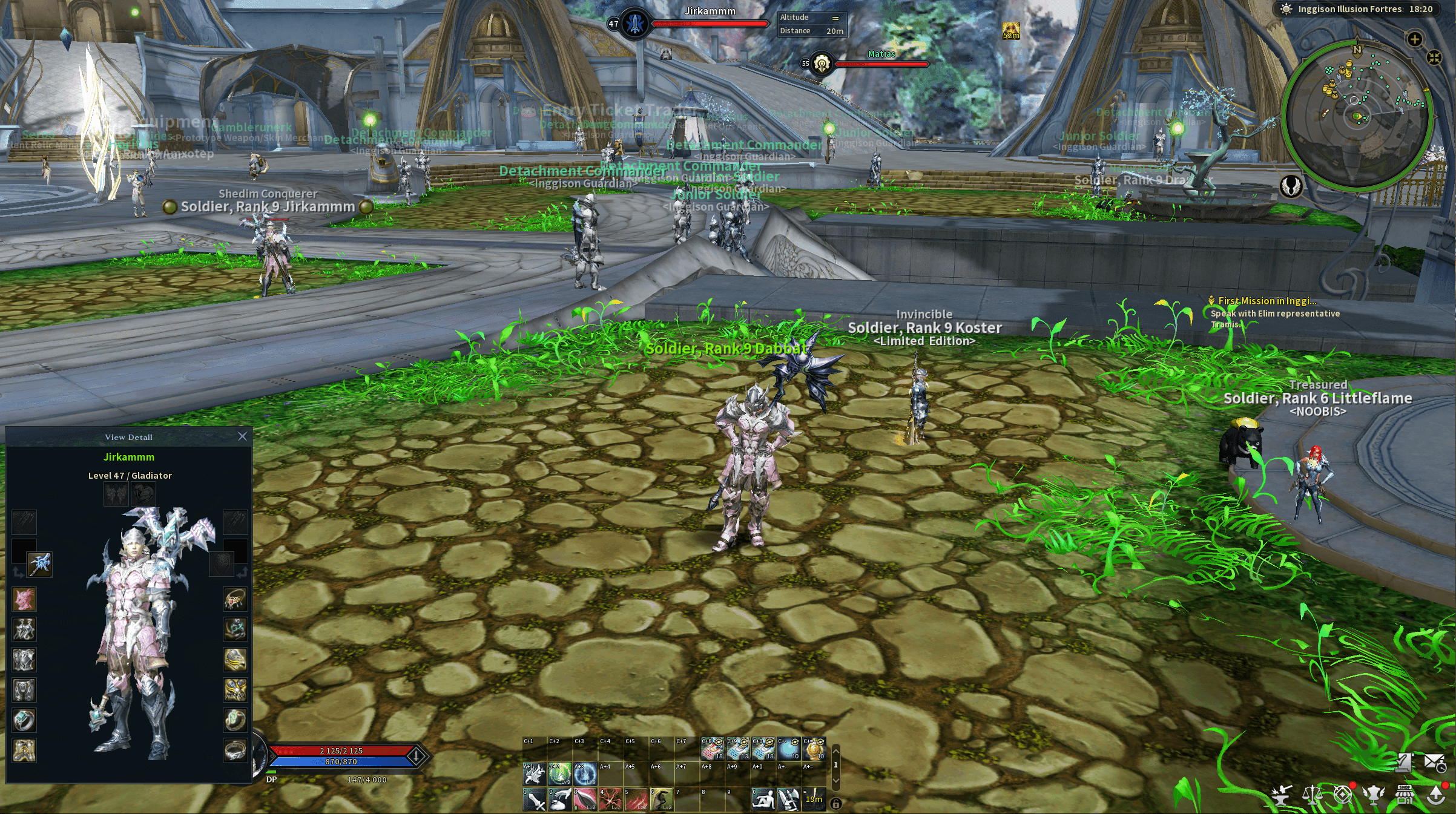
Aion Classic is a permanent legacy server for NCSoft's Aion, rebuilding the fantasy MMORPG's original 2009 launch of winged combat and open faction war between Elyos and Asmodians. Five years of updat...
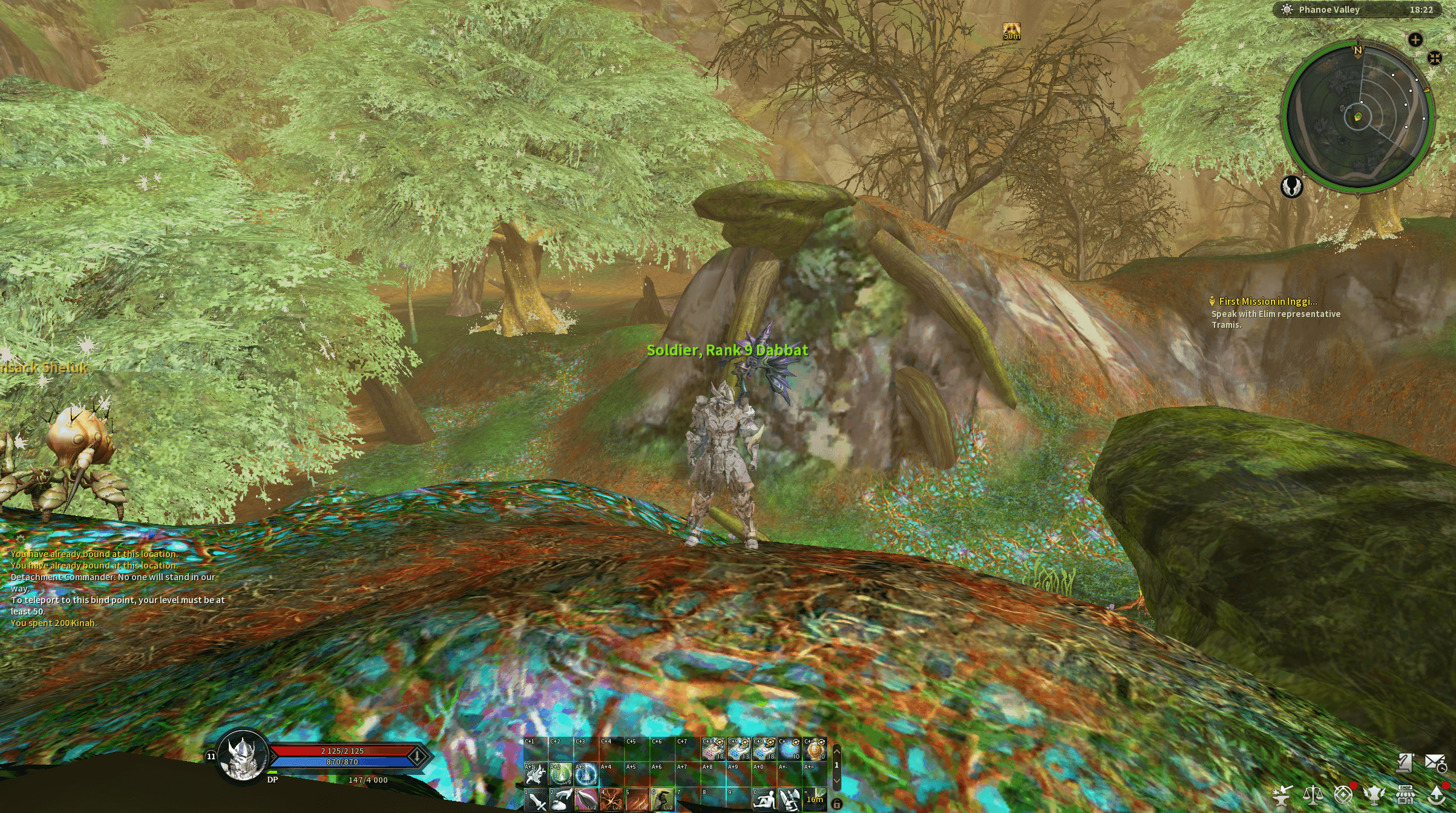
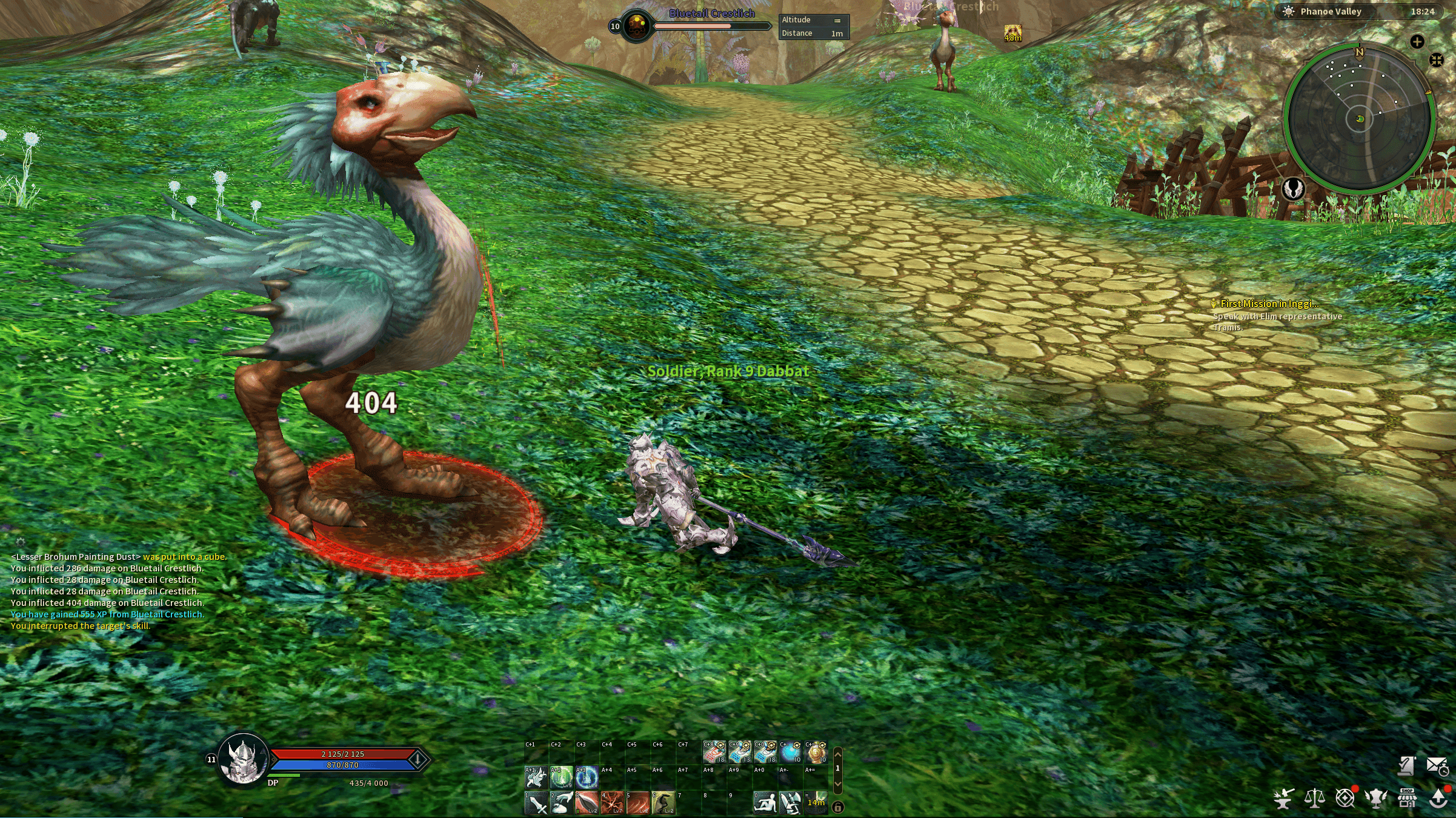
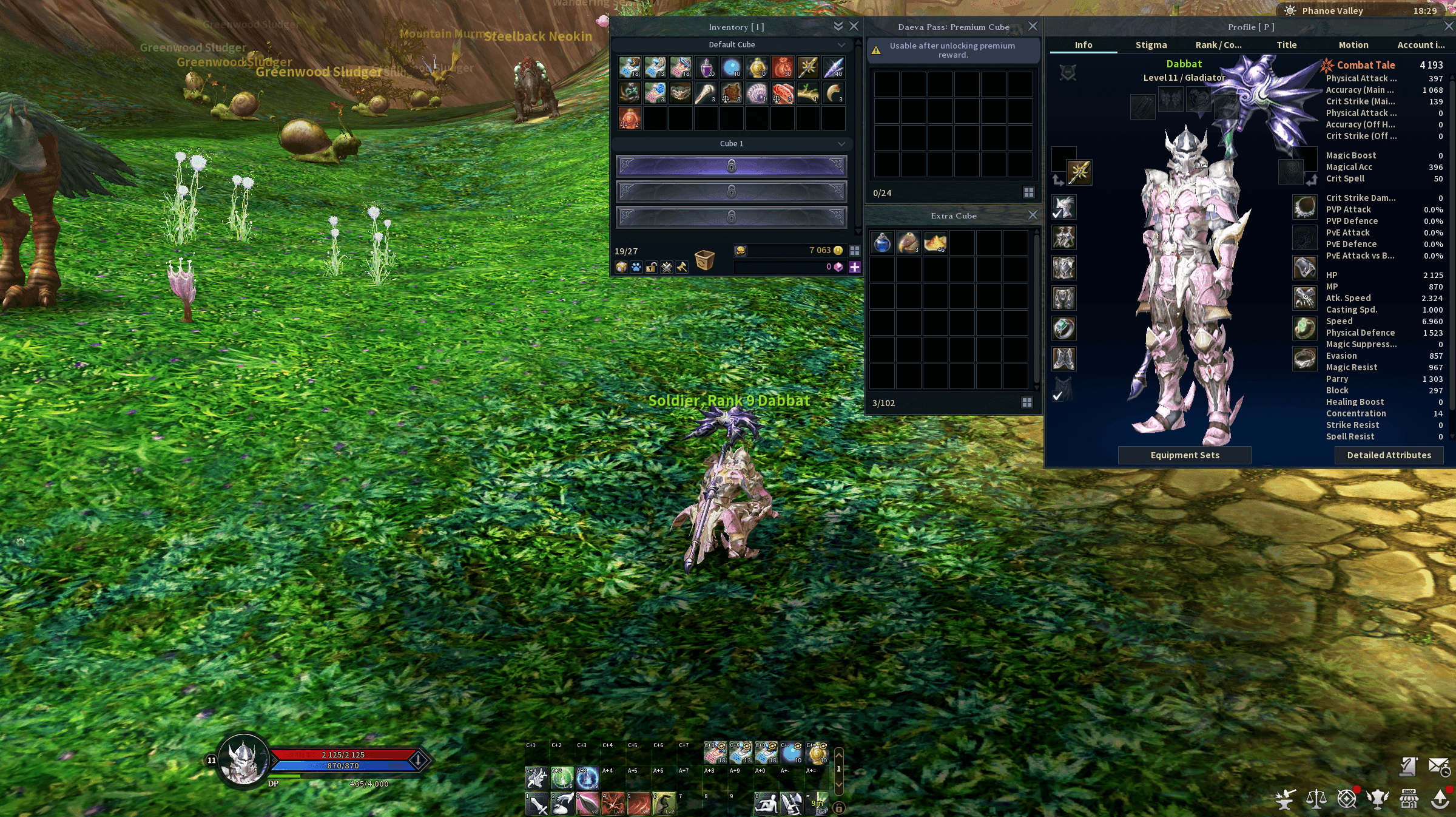
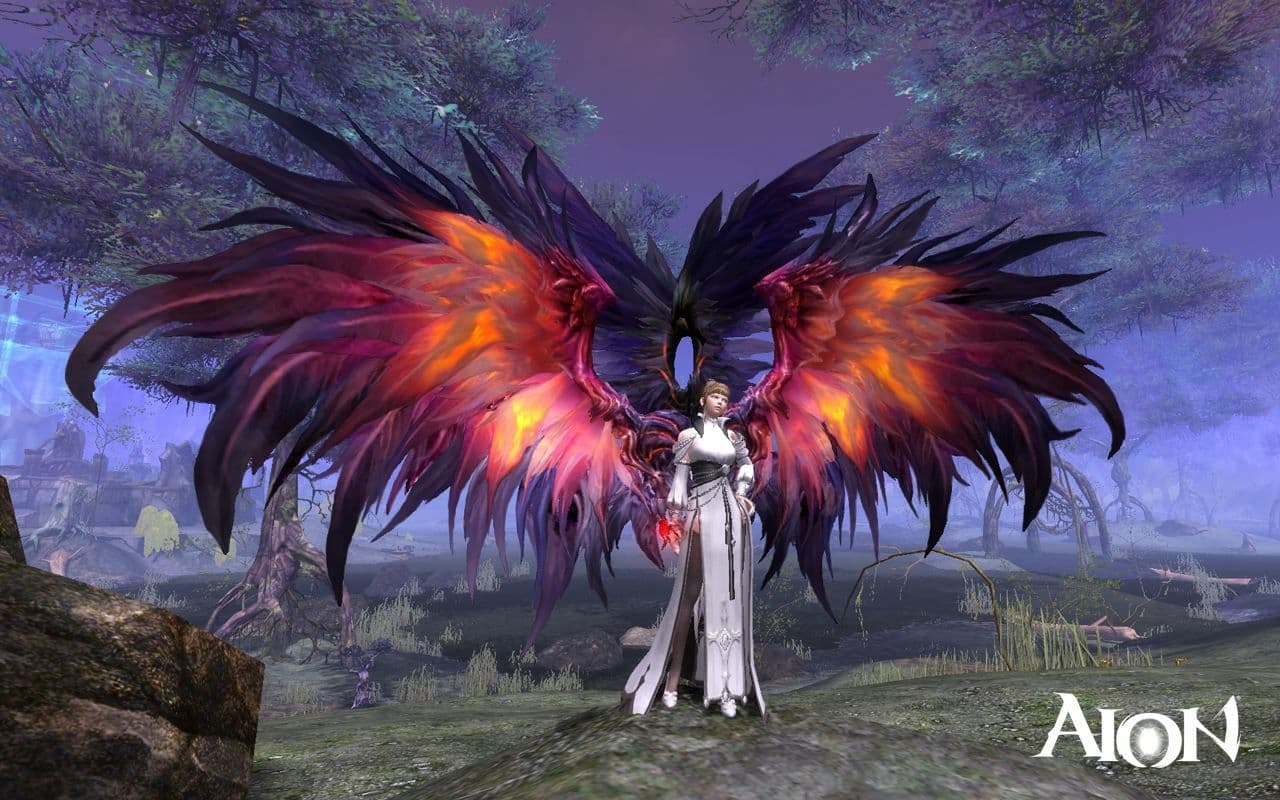
Aion Classic is NCSoft's permanent legacy server for Aion, the 2009 fantasy MMORPG built around winged combat and open faction war. Korea got it first in November 2020, North America followed on June 23, 2021, and Gameforge brought a European version online on April 12, 2023. Five years and more than a dozen major patches later, the server has grown well past the vanilla content it originally set out to recreate, and it's still being actively developed on three separate regional tracks.
A newcomer's first hour in Aion Classic is a straightforward pitch: the world of Atreia was torn apart by an ancient cataclysm, and you're born mortal before ascending into a Daeva, an immortal winged being sworn to one of two warring sides. Elyos hold the light half of the world, Asmodians the dark half, and both blame the other for the disaster that split it. It's angels-versus-demons without much interest in moral ambiguity, and that clarity is deliberate — this is a game that wants you picking a side in your first ten minutes, not weighing a faction reputation spreadsheet.
A returning player from 2009 will recognize the shape of it instantly — the same capital cities, the same rift between the two halves of the map known as the Abyss — but the texture has changed. Flight, always Aion's signature hook, now comes with generous unrestricted zones layered over the original stamina-drain system: hover over a capital city or several key instances and the timer simply stops ticking. It's a small concession to a game that used to punish you for enjoying its best feature, and it says something about how the team has been quietly softening the edges of the original design without touching what made it distinctive.
New players choose from four starting archetypes — Warrior, Scout, Mage, and Priest — then commit to one of two specializations around level 10, right after the wing-ascension ritual. The first few hours are pure MMO fundamentals: clear a field of boars outside the starting village, run a letter to an NPC, gather herbs for the local healer. None of it is inventive, but the pacing is noticeably slower than a modern live-service MMORPG on purpose — quests don't shovel experience at you, and grinding a hunting ground is still a legitimate way to close the gap to the next level.
Warrior splits into the Gladiator, who trades a two-handed weapon for wide multi-target damage, and the Templar, who holds a shield and pulls aggro to protect the group. Scout becomes the Ranger, who kites and controls distance with a bow, or the Assassin, who opens fights from stealth with poison and a dagger pair. Mage branches into the Spiritmaster, who spends half of every fight directing a summoned elemental rather than attacking directly, and the Sorcerer, who deals raw elemental damage at range. Priest divides into the Cleric, a dedicated healer capable of pulling a group back from near-death, and the Chanter, a support caster who buffs allies while still holding their own in a fight. Each pairing plays distinctly enough by level 20 that the choice at level 10 genuinely shapes how the rest of the leveling experience feels.
Around this point a system called Stigma comes into play — special stones that slot into a separate profile page and grant extra passive and active abilities on top of a class's base kit. Stigma stones are found or purchased from dedicated vendors using a separate in-game currency, and the interface for managing them, along with the quest log's split between campaign story, side quests, and repeatable daily "orders," is dense by modern standards but explains itself the first time you open each window.
Combat runs on classic tab-target: pick a target with a click or the tab key and trade hits on cooldown rather than aiming manually. What's changed over the years is the pacing — skill chains link into short combos, several attacks stun or knock enemies down, and casters juggle debuffs as fluidly as melee classes juggle stances. Each class plays to a distinct identity: the Gladiator leans on raw pressure, the Templar baits aggro and tanks behind a shield, the Ranger keeps distance and finishes from range, and the Spiritmaster spends most of a fight directing a summoned elemental instead of attacking directly.
Here's where a veteran gets caught off guard. Those eight classes stopped being the ceiling years ago. Aion Classic has added five entirely new professions that never existed in the original 2009 build — the Revenant, a dash-based melee-and-ranged hybrid; Brawler, a fast martial artist built around Qi combos; Luminess, a mobile spellblade with a low health pool and high attack speed; Phoenix, a mid-range gunslinger dual-wielding flame revolvers; and Dread Blade, billed as the franchise's first true hybrid class, splitting its power between a soul sword and magic. As of an August 2026 patch, Europe added a sixth: Soul Reaper, a melee class that harvests "soulforce" mid-fight to fuel its heaviest hits, wielding an exclusive weapon called the Soulblade. Eight classes have quietly become fourteen, and the newest arrivals owe nothing to the game's original design brief.
That expansion comes with a catch worth flagging before you commit to a server. Class rollout is not synchronized across regions — Europe got Soul Reaper first in August 2026, while North America's most recent addition was Dread Blade back in April, and the two regions have even reused the same patch number ("5.0") for entirely different updates. Check the current class roster on your specific server before you build expectations around a trailer or a screenshot from elsewhere.
Progression outside combat runs on kinah, the universal trade currency used to buy gear from other players through the broker or private stalls, hire crafters, and pay for teleports. Crafting itself follows familiar professions — blacksmithing, tailoring, alchemy, cooking — and a typical chain looks like this: mine ore in an open-world node, smelt it into ingots yourself or hand it to a dedicated crafter, then hammer those ingots into a weapon blank that still needs a separate finishing pass before it's sellable. Professions aren't locked to combat class, but juggling more than one on a single character is genuinely hard — in practice, you specialize the same way you specialized at level 10.
Around the mid-twenties, contested territories like Tiamaranta start pulling both factions into the same hunting grounds for the same rare resources, and this is where Aion Classic's PvP identity first shows up unannounced: a quiet round of grinding can turn into a skirmish the moment a rival squad wanders in chasing the same chest. It's a preview of the fortress war waiting at the level cap, delivered without a tutorial pop-up explaining what just happened.
Once you clear the leveling curve — which has grown from a level 50 cap at launch to level 70 on some servers — the entire endgame reorganizes itself around fortress control. Holding a fortress isn't a trophy; it unlocks vendors selling blueprints and crafting materials that exist nowhere else, which means the fight over territory directly shapes what the whole server can build and sell. Rifts let small squads teleport straight onto enemy ground to hit a lone farmer or a supply caravan and vanish before backup arrives, while a full siege is a different animal entirely — dozens of players breaking gates with rams and siege engines while defenders answer from the walls. Players who'd rather skip the ambush-anywhere chaos of open PvP have fixed-team battlegrounds instead, where the outcome comes down to composition and coordination rather than who happened to be farming nearby.
On the PvE side, scheduled field bosses draw crowds, group dungeons scale to their level bracket, and the Dredgion instance sends two full squads from opposing factions into the same flying prison simultaneously — nominally a PvE run, but one where groups keep colliding in the corridors and have to decide, on the spot, whether to fight or let it go. The story campaign sits in its own quest-log tab and slowly unpacks why Atreia split and what the dragon-kin Balaur actually want, though it's fair to say plot takes a back seat to the moment-to-moment loop of hunting, crafting, and territory war — a genre trade-off more than a flaw specific to this game.
Not in the way its 2021 Western launch earned that reputation, though the shop still sells enchantment stones, and that history is worth being upfront about. The game is technically free — you can download it, make a character, and explore without spending anything — but without a subscription (branded Siel's Aura), experience gain gets cut in half after an hour of play each day, and player trading stays locked. Layer a monthly Daeva Pass and a cosmetics-and-boosters shop on top, and the criticism that dogged the 2021 Western debut — long queues, inflated prices, real money visibly swaying PvP outcomes — starts to make sense even years later, even if today's version is considerably calmer than launch week was.
NCSoft's own answer to that history is the Ascend server, launched in North America in summer 2025 on the Classic client. Nearly every progression resource there — enchantment stones, manastones, gear upgrades — can be bought with earned in-game currency instead of cash, flight is unlocked from level one, and leveling moves noticeably faster. It's the same world of Atreia running under friendlier rules for anyone who doesn't want a subscription deciding how fast they progress, and it's a reasonable landing spot for anyone who tried Classic once and bounced off the cash shop.
Legions — Aion's guilds — remain the social backbone: fortress sieges and raid instances are difficult to organize without one. Loot from a raid goes into a legion vault and gets distributed either through an internal auction or by tracked contribution, and the game frames that transparency as a selling point in its own right — in a genre where loot disputes routinely break up otherwise stable groups, it isn't an empty claim. Personal housing ranges from a modest studio to a full apartment, doubles as a teleport point, and can be furnished at leisure. Pets are mostly cosmetic and rarely affect combat directly, but character customization has always punched above its weight in this franchise, and Classic kept that intact almost unchanged from 2009.
What Aion Classic isn't trying to do is reinvent anything. It's a tightly built, immediately recognizable late-2000s MMO skeleton that's had five years of new muscle grafted onto it. Players used to instant fast travel and auto-grouped queues will find the deliberate pacing and reliance on manual group hunting dated by comparison. But that same unhurried rhythm is exactly what's kept a loyal core playing — people aren't here for innovation, they're here for a cadence modern MMOs mostly stopped offering. The honesty worth adding: no reliable public player counts exist for any Aion Classic region, so treat population claims — including anyone's — with a healthy dose of skepticism and judge server health by your own experience during peak hours instead.
Visually, Aion Classic runs on the same modified CryEngine the original shipped with, and in 2026 it shows its age up close — wall and ground textures don't hold up next to newer MMORPGs, and facial animation in dialogue scenes still looks stiff. Where the engine still earns its keep is the sky: cloud layers, lighting, and the sheer scale of open airspace remain a genuine strength, and flying over a sunset skyline is still one of the better reasons the game has held onto its longtime players for this long.
Yes, downloading, creating a character, and playing costs nothing. Without a subscription, though, experience gain is halved after an hour per day and player-to-player trading is locked, so a free account is genuinely playable but noticeably slower.
Extensively — open-world rift raids, fortress sieges with rams and siege engines, and fixed-team battlegrounds for players who'd rather skip ambush encounters entirely. Fortress control also feeds directly into crafting and vendor access, so PvP shapes the server's economy as much as its politics.
If the appeal is a slower, group-hunting MMO with real territorial PvP and a genre pedigree that goes back to 2009, yes. If the appeal is nostalgia specifically for that original 2009 build, it's worth knowing going in that five years of new classes and systems have moved the game noticeably past where it started.
None of this is groundbreaking on its own — a subscription model, faction warfare, fortress sieges, none of it is new to the genre. What is unusual is watching a "legacy" server keep adding entirely new classes half a decade after it promised only to bring the old ones back. Aion Classic never stopped being a return to 2009. It just quietly stopped being only that. Somewhere between the Revenant and the Soul Reaper, the wings that once defined the game's whole identity became less the point in themselves and more the thing carrying you toward whatever gets added next.