 F2P · Live
Lineage 2
Aden's castles never stay in the same hands for long, and Lineage II has built an entire twenty-three-year…
Released by Runewaker Entertainment in 2009, Runes of Magic built its identity around a dual-class system that lets players combine any two of ten classes into over forty-five distinct builds. Sixteen...
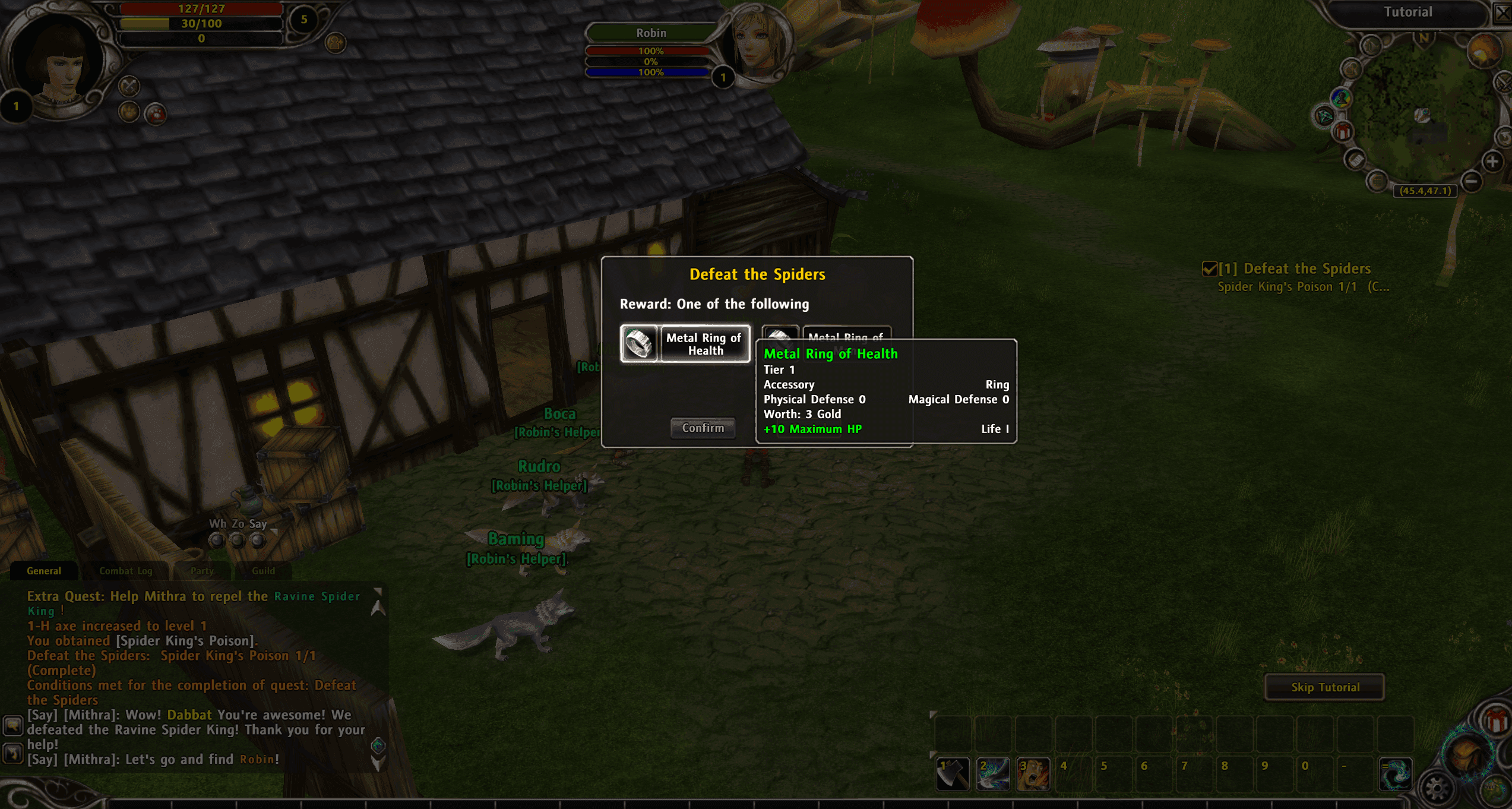
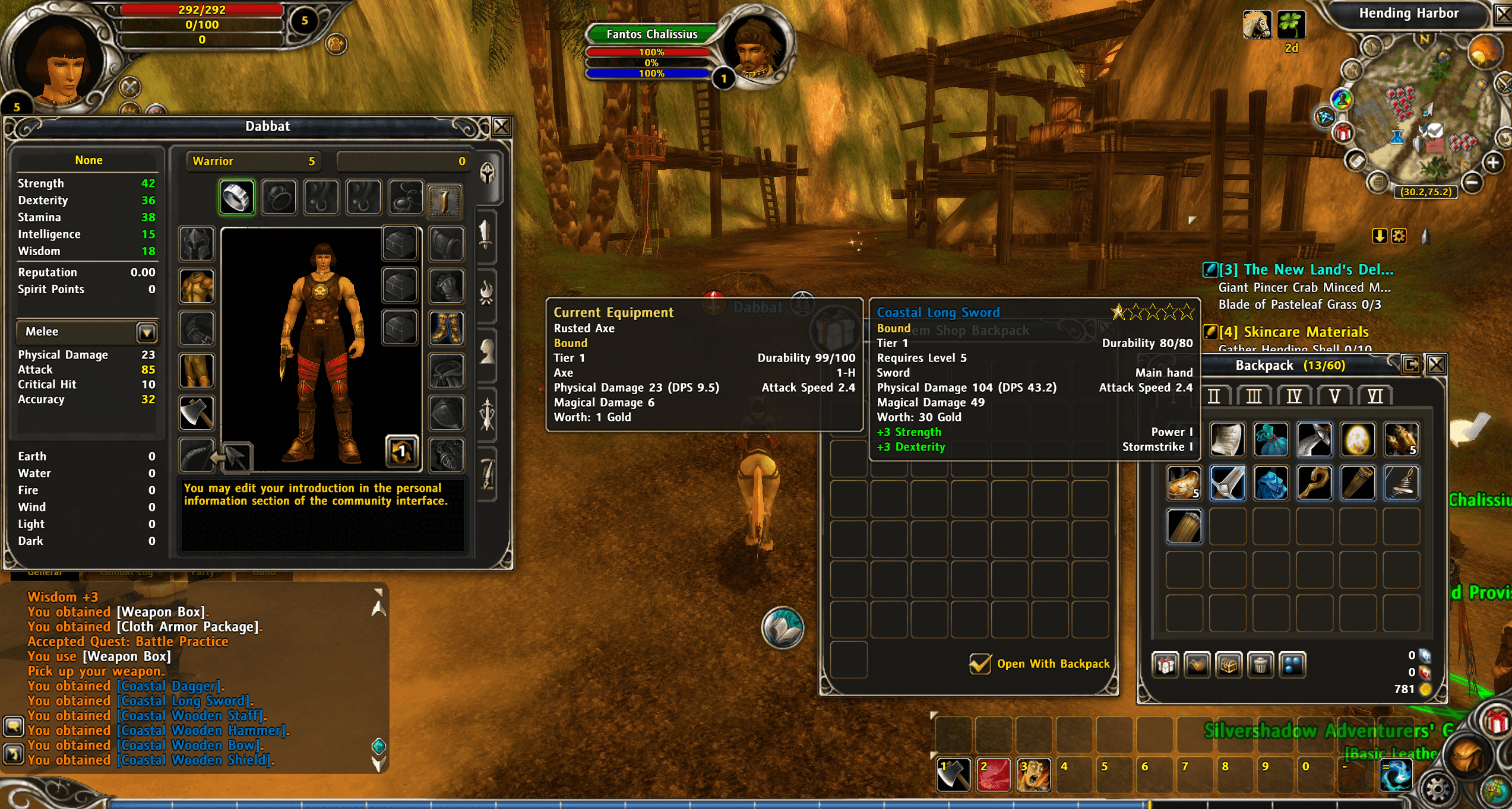
Runes of Magic is a fantasy MMORPG developed by the Taiwanese studio Runewaker Entertainment, founded in Taichung in 2004, and released on March 19, 2009, after an open beta that started in December 2008. The European and North American versions were originally published by Frogster Interactive, whose stake was later bought out by Gameforge, which still runs the game today. Its defining feature is a dual-class system that lets players mix any two of ten classes into a single character — a rare setup for its time, and still one of the more thorough versions of the idea in the genre. Sixteen years and a proprietary engine later, Runes of Magic is still updating, if slowly, and 2026 is shaping up to be a bigger year than most.
The setting is Taborea, a world whose history is written into a divine book by the god Ayvenas. According to the lore, the book shattered into scattered runes, and the player's job is to recover them while getting pulled into conflicts between humans, elves, and dwarves. All three races are available from character creation, and the choice isn't cosmetic — it gates access to certain classes and determines the starting zone. The Druid class, for instance, is elf-exclusive, so anyone set on nature magic and healing starts there or not at all; dwarves lean toward crafting bonuses and a stockier build, while humans stay the unrestricted default.
Over five thousand quests form a continuous story across chapters that rolled out for years after launch: Chapter II — The Elven Prophecy in September 2009, Chapter III — The Elder Kingdoms in 2010, Chapter IV — Lands of Despair in 2011, and Chapter V — Fires of Shadowforge in 2012, with smaller content updates continuing well past that. Early chapters lean close to the standard theme-park MMORPG formula of their era; later ones lean harder into bigger dungeons and tougher boss encounters, which tracks with how the studio's ambitions clearly grew alongside its player base.
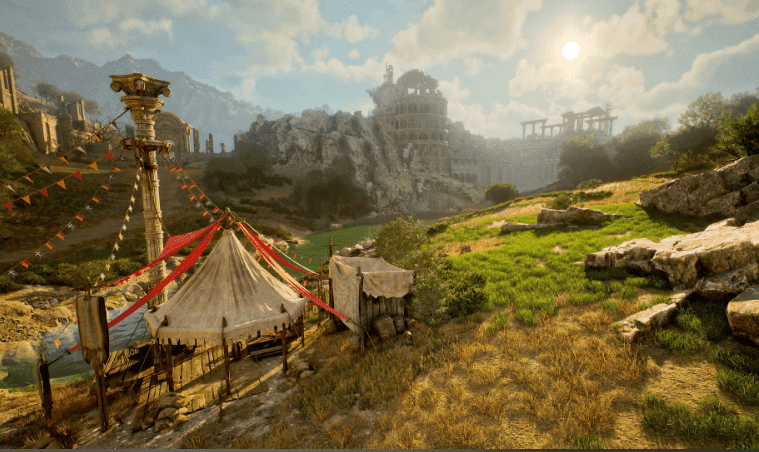
Taborea isn't one continuous map — travel between major regions loads a new zone — but each zone keeps a distinct visual identity, from the sunlit capital of Varanas to frost-locked northern ranges and scorched southern wastes. Flying mounts unlocked later in progression turn what used to be a multi-minute run between cities into a short hop, which matters more than it sounds like once quest hubs start spreading across half the map.
The first hour plays out the way most 2009-era MMORPGs did: pick a race, pick one of ten starting classes, kill things, gather things, get handed a starter weapon that will be obsolete by the next zone. Nothing about it is confusing on its own — the early quest chain hands out clear objectives, marks the next NPC on the map without fail, and doesn't expect much prior knowledge of the genre.
The real shift happens at level 10, when a second class slot opens up. This is the point where Runes of Magic stops looking like a generic 2009 fantasy MMORPG and starts looking like the one thing it's actually known for.
Runes of Magic splits its class roster into six physical classes — Warrior, Scout, Rogue, Knight, Warden, and Champion — and four magical ones: Mage, Priest, Druid, and Warlock. Any class can serve as a main, and starting at level 10, a second class attaches to it as a secondary. Only two are active in combat at once, but their skill pools blend together, and specific pairings unlock Elite Skills that neither class gets on its own. A Rogue paired with a Mage gets heavy auto-attack damage layered with magic bursts; a Warrior with a Mage gets elementally charged melee weapons; a Knight with a Mage becomes a tank with magic resistance built in. That's over forty-five combinations before counting the third, "spare" class slot, unlocked through a level-20 quest with an NPC named Johnny Dutin in Varanas.
Here's the honest complaint: a brand-new player has no realistic way to figure out which pairing suits their playstyle without outside help. Community guides and forum threads dedicated to "best tank combo" exist for a reason — the in-game class descriptions explain the system's mechanics but never recommend a build. For someone who's put in the hours, though, the same complexity reads as depth rather than clutter. A Warlock/Champion pairing plays nothing like a Knight/Mage, and switching a secondary class changes how a character feels almost as dramatically as switching the primary would. In siege PvP specifically, that spread shows up fast: Warlock/Champion gets picked for speed and burst in short trades, Knight/Mage holds a line through magic resistance and raw survivability, and Rogue/Priest can vanish mid-fight while healing through the escape — three completely different fighters built from six shared parts.
Elite Skills matter here because they're tied to a specific pairing rather than handed out automatically the moment the second class slot opens — each combination gets its own set, which is part of why respeccing into a completely different pairing late in the game is a real decision and not a five-minute detour.
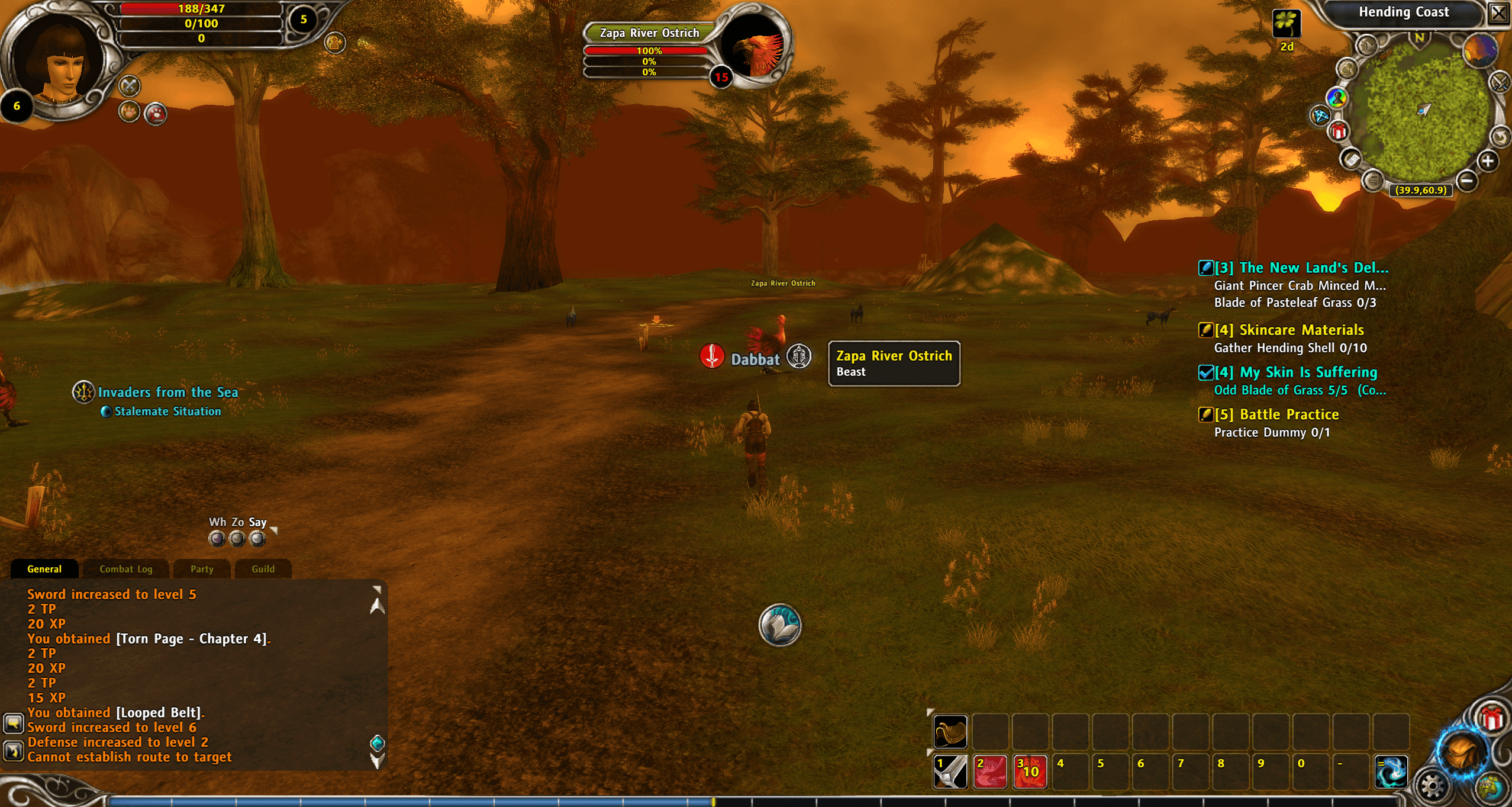
Combat runs on straightforward tab-targeting: click an enemy, fire off a skill, wait for the cooldown. There's no dodging or manual aiming — the design puts the weight on character preparation rather than reflexes. Gear is where that preparation shows up. Equipment gets upgraded by slotting in stats pulled from other items and by adding the runes the game is named after, and higher-level gear opens up more slots for those upgrades.
New characters won't notice any of this — early drops replace themselves without much thought. At the level cap, the gap between correctly optimized gear and a random equivalent item stops being incremental and starts being categorical, which is exactly why so much of the endgame economy revolves around fusion stones and rune slotting rather than raw loot. A veteran will happily spend more time tuning a single weapon than clearing an entire dungeon run, because on paper-thin margins at the top end, that tuning is the difference that actually shows up on a damage meter.
The crafting side splits into three gathering professions and eight or nine crafting professions covering everything from blacksmithing to alchemy. Players can pick up multiple trades at once, following the genre-standard loop: gather ore or herbs, refine them into materials, craft gear or consumables. Finished goods move through the Auction House, present in every major city, where listings run for up to three days before payment lands in the in-game mailbox. Nothing about the loop reinvents crafting as a genre, but it's complete enough that a dedicated crafter can stay useful to a guild without ever setting foot in a dungeon.
Diamonds and Rubies — the premium currencies — can't be traded through the Auction House directly; Gameforge disabled that path years ago, leaving the gift function as the only way to hand premium currency to another player. The item shop also runs a Wheel of Destiny gacha alongside its regular listings, the kind of feature that's become standard across the genre rather than a Runes of Magic invention.
Not entirely, but it isn't neutral either. High-level gear only reaches its full potential after applying refined fusion stones, and getting those without spending real money takes considerably longer — usually with guild support to speed things along. Players who've reached endgame without paying a cent aren't hard to find in the community, so the game doesn't lock progress behind a paywall outright. It just sells time savings more generously than most players would like to admit, and the gap between a well-funded character and a patient one is real enough to notice in a siege, even if it isn't wide enough to make the patient character useless.
PvE content covers a solid handful of instanced dungeons and larger raid instances that scale with character level, with new zones arriving alongside most major content updates. But the centerpiece of the late game is guild castle sieges: clans fight for control of fortresses, and holding one comes with tangible perks, from market tax cuts to access to restricted areas. For a fresh player, sieges are something guildmates talk about, not something they're ready for. For a veteran, it's a weekly fixture that keeps a guild's roster and its activity level intact. Away from the sieges themselves, the game also runs a long list of minigames — races, puzzles, small team contests — open to solo players and groups alike, which does a decent job of breaking up the grind between dungeon runs.
On top of the level cap sits the Peak Level system — a secondary experience track that opens once a character hits 100, with its own reward structure layered on top of regular gear and skill progression. It's been a point of long-running frustration over lost progress during technical issues and server downtime, and it's also the system Gameforge is planning to overhaul alongside the incoming level cap increase, since the current setup was never designed to keep stacking indefinitely as new content pushes the cap higher.
Every character gets a personal home that can be furnished freely, right down to a small workshop for crafting, and every guild gets a castle that doubles as headquarters and siege trophy. There's also a pet system — some companions fight alongside the player, others are purely cosmetic, and certain rare pet eggs have become Auction House commodities in their own right, occasionally trading for more than a full set of gear. None of it reinvents the genre, but all of it has kept working, mostly without major incident, for sixteen years.
Runewaker built its own engine, RENA, alongside the game itself, and it hasn't been rebuilt from the ground up since — the interface still leans on Flash for some elements, and several underlying systems date back to design choices made before the studio had shipped anything else. New players clock this immediately in the visuals: angular models, flat textures, interiors lit without much depth. Veterans deal with the other side of the same coin — periodic crashes tied to memory leaks that the community has been asking the official team to address in detail for years. The likely reason is unglamorous rather than dramatic: Runewaker's current focus sits with mobile titles, and Gameforge hasn't funded a deep engine rewrite for one long-running game.
There's an upside buried in that same age, though: the client runs on hardware that would choke on most current MMORPGs, which keeps the barrier to entry low for anyone who just wants to try it on an older laptop.
Population figures for Runes of Magic have never been officially published, and the closest public signal dates to 2021, when low concurrent numbers pushed Gameforge to merge the EU and NA server lists down to a fraction of what they used to be. Update pace has slowed further over the past couple of years — a late-2025 producer letter openly admitted to the gap between releases and pointed to background work on larger systems as the reason. The most recent content drop was Pasper's Shrine, timed to the game's 16th anniversary in August 2025.
For 2026, Gameforge has announced a level cap increase from 100 to 108 in a new region called Oneiros, along with a rework of the Peak Level system: current peak progress will convert into a starting advantage at the new cap using a peak-divided-by-four formula, so a character at Peak Level 20 would begin the new content at level 105. No release date has been confirmed — the target is summer 2026 — and the studio has been upfront that plans could still shift before launch based on player feedback during testing.
If what you want is depth in character building and a PvP endgame built around guilds actually fighting over something real, Runes of Magic still delivers — the dual-class system alone offers more build variety than most modern releases bother with, and castle sieges give that variety somewhere to matter. If what you're after is current-generation visuals or a system you can learn without opening a wiki tab, this isn't the game to open first; forty-five class combinations is a wall before it's an invitation. Runewaker built something dense back in 2009, and Gameforge has kept adding to it rather than letting it calcify — which, for a project this old, counts for more than it sounds like.
Yes, though at a slower pace than in past years. The most recent content is Pasper's Shrine from August 2025, and a level cap increase to 108 is planned for summer 2026.
Early leveling and most quest content work fine solo, but guild castle sieges and the higher-tier group dungeons expect a guild behind you.
Windows PC only, through Gameforge's own client and account system.
Yes. There's no subscription requirement — the game is funded entirely through its Diamond and Ruby item shop, and the level cap, dungeons, and PvP content are all reachable without paying.
Harder than it needs to be. The game explains what dual-classing does but not which pairings work well together, so most new players end up leaning on community-written guides before settling on a build.