 F2P · Live
Lineage 2
Aden's castles never stay in the same hands for long, and Lineage II has built an entire twenty-three-year…
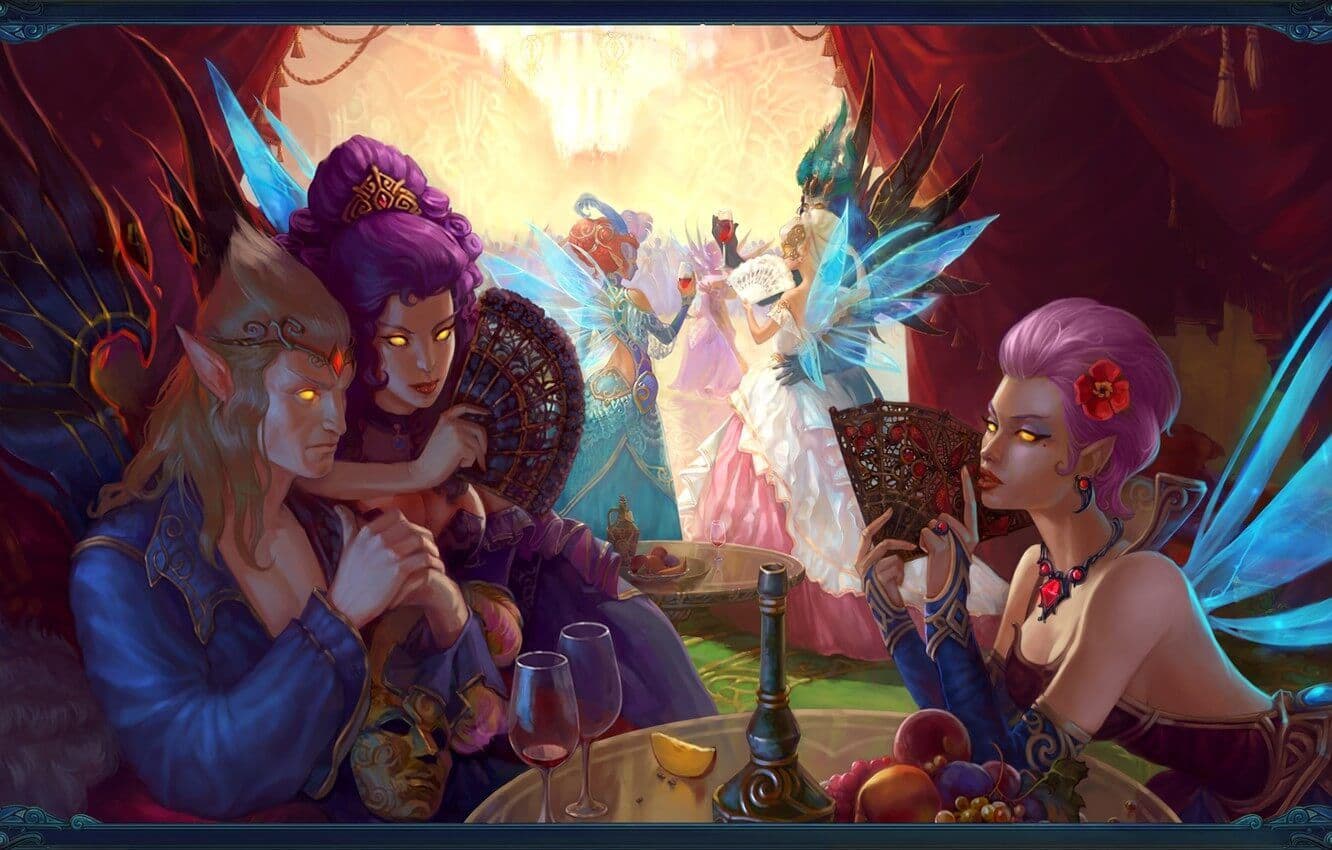
Flying ships that sail between floating islands called Allods, connected through a mystical dimension known as the Astral, give Allods Online its name and its signature way of getting around Sarnaut. ...
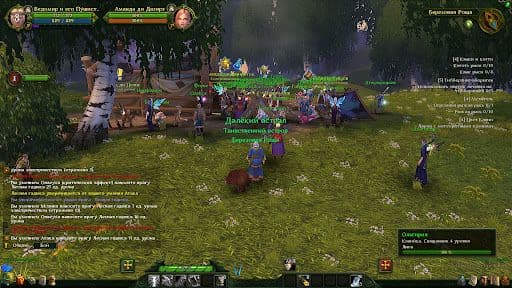
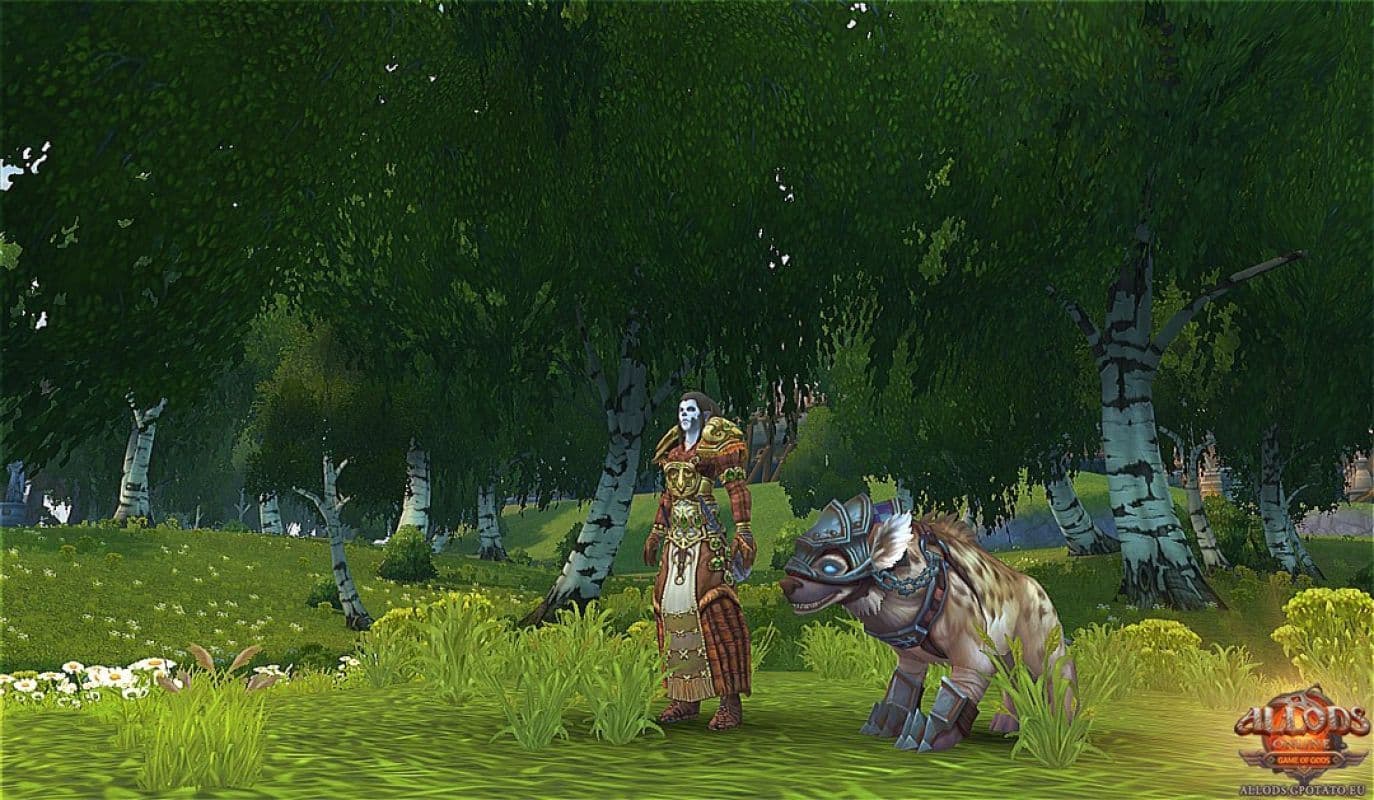
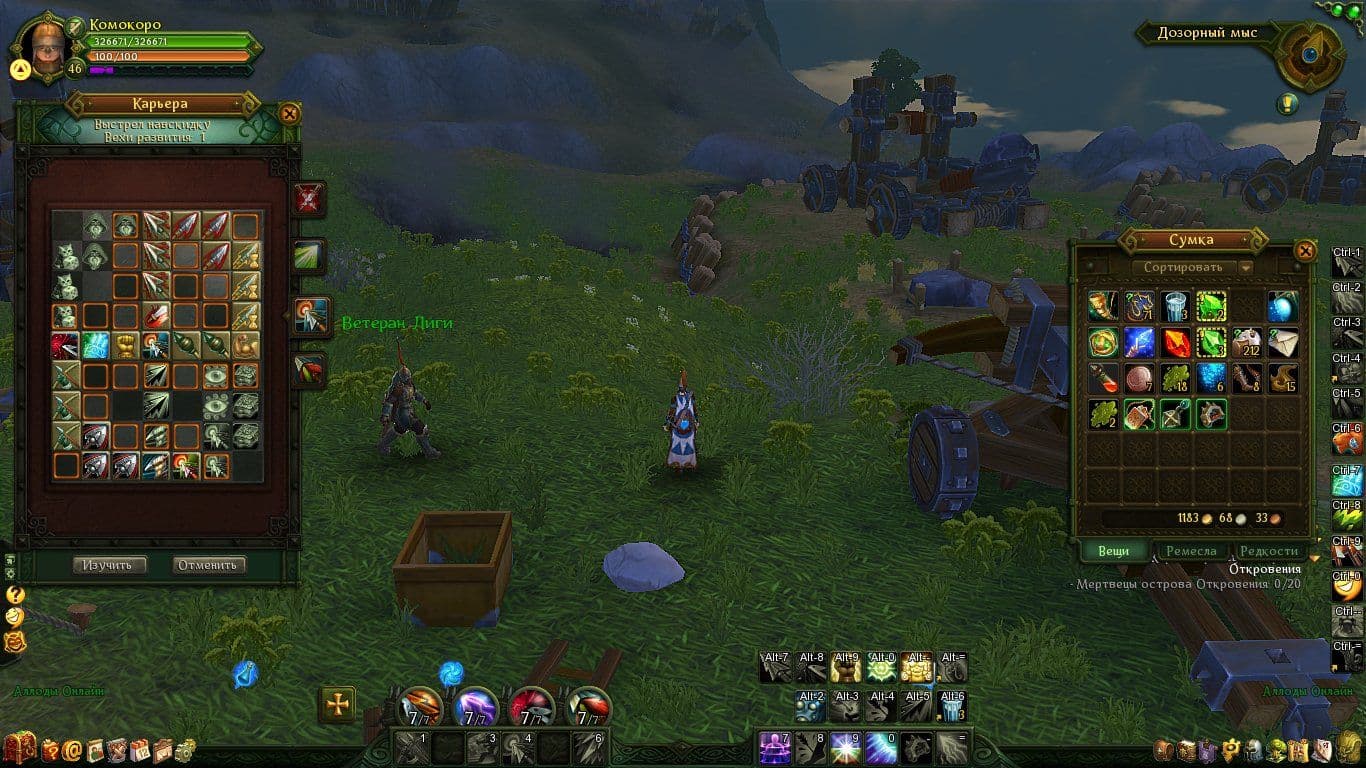
Allods Online is a free-to-play fantasy MMORPG developed by Allods Team (formerly Astrum Nival) and published globally by MY.GAMES, with Astrum Lab handling a separate Russian-language build on Steam. It launched in Russia on October 21, 2010, reached North America and Europe in May 2011, and is still receiving numbered content patches sixteen years later — the most recent major one, 15.2, landed in March 2025 with class reworks and a new Heroic Adventures season. This Allods Online review looks at what's kept a game this old on life support, and whether that's a reason to install it or a reason to let it rest.
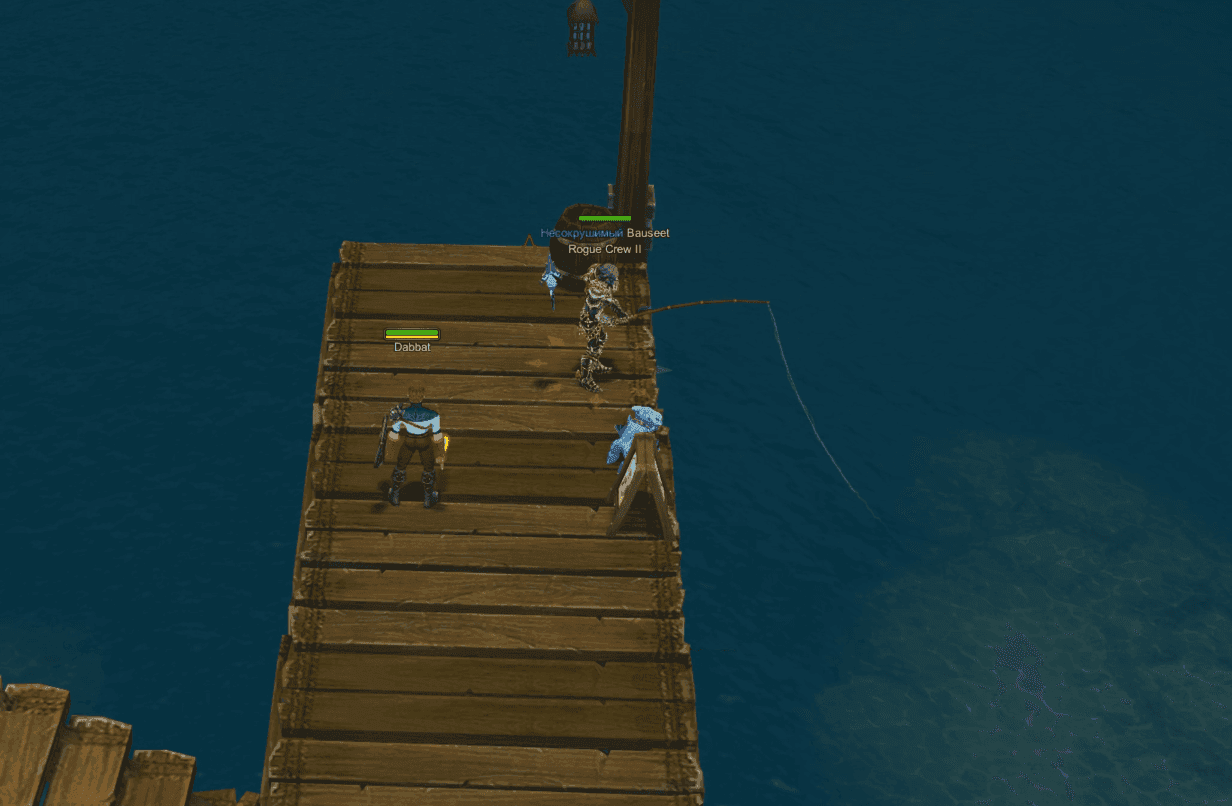
Start at the part of Allods Online that nobody else in the genre quite replicated: the Astral. Around level 35, every character earns a quest chain that ends with a personal Astral ship, and that ship changes what kind of game you're playing. Sarnaut isn't a single continent — it's the wreckage of one, a thousand floating allods scattered through a hostile magical void, and the only way between them is to sail. There's no autopilot. You plot a manual course through storms and anomalies that can relocate entire islands between sessions, which means the map you memorized last week might already be wrong.
Loot recovered from an allod doesn't go straight into your bags — it sits in your ship's hold until you dock, and that detail alone restructures the risk calculus of every run. An enemy crew that spots your ship limping home, low on hull integrity and loaded with treasure, can board it, sabotage your systems, or strip the cargo outright. Astral PvP is built entirely around that tension: ship-to-ship broadsides, grappling and boarding actions, and the specific dread of watching a rival vessel change course toward yours forty allods from the nearest dock. Guild-level Astral Confrontations scale that same idea up to fleet engagements, and they're the closest Allods Online gets to feeling like the pitched faction warfare its marketing has always promised.
Ground-based endgame runs alongside it rather than replacing it. Raid instances rotate through seasonal content — the current Heroic Adventures season, introduced with patch 15.2, layers conclave mechanics on top of the usual boss-and-loot structure — while PvP players who never want to leave dry land have the Trial of Blood arena ladder and large-scale Arenas of Death, which support matches as big as 24 versus 24. None of it demands you engage with the Astral if ship combat isn't your thing, but the ship is the system every marketing beat and every long-term player conversation eventually circles back to, which is why it's worth understanding before anything else in this review.
The world beneath all that ship traffic has real weight to it. A thousand years before the game begins, the Great Cataclysm shattered the planet Sarnaut into the floating islands that give the game its name, and the surviving nations regrouped into two permanent enemies: the League and the Empire. The League fields Elves, Kanians, and Gibberlings and leans toward a Kievan Rus-flavored aesthetic and a more idealistic self-image; the Empire fields Xadaganians, Orcs, and the undead-adjacent Arisen, and its capital of Nezebgrad reads as industrial and militaristic, with more than a passing resemblance to Soviet-era iconography. Neither side is written as simple heroes or villains — the Empire in particular gets more nuance than its "evil faction" framing initially suggests — and you're free to roll characters on both sides of the war if the setting's politics interest you more than any single allegiance does.
Character creation ties race tightly to identity. Ten class archetypes exist across the roster — Warrior, Mage, Healer, Paladin, Scout, Warden, Psionicist, Summoner, and Bard among them — but availability depends on race, and the same archetype often gets a completely different name and flavor depending on who's playing it. A Kanian ranger becomes a Trickster if rerolled as a Gibberling; Elves have no scout-type class at all. It's a small system with an outsized effect on how varied sixteen years of alt-leveling can feel, since every race/class pairing carries at least one unique ability nobody else in the game has access to.
The first several dozen levels are conventional theme-park questing — kill lists, escort chains, and story beats that gradually widen from your starting island out toward the rest of your faction's territory. It's serviceable rather than gripping, and the game knows it: quest indicators on the map and in the log do the heavy lifting so you're rarely lost, and the pacing keeps escalating toward that level-35 ship quest as the actual finish line of the leveling experience. Reaching it is less a formality than a rite of passage, since it's the point where solo questing gives way to guild logistics, Astral navigation, and the sense that your character finally has somewhere real to go.
A concrete taste of that early pacing: a Kanian recruit's first real story beat has them escorting a wounded scout back through a bandit-held pass, fighting off ambushes in twos and threes while a wagon of League refugees limps along behind — competent, guided, and entirely forgettable next to what's waiting at level 35. That's the honest trade-off of the early game. It's not bad, it's just clearly a runway.
One system worth flagging for anyone coming from a more conventional MMORPG: reincarnation. Once you've built up a character, Allods Online lets you switch that character to a different class entirely while keeping mounts, most cosmetic unlocks, and a meaningful chunk of prior progress intact. It softens the commitment of a first class choice considerably, and it's the kind of quality-of-life system that a lot of newer MMOs still don't bother offering.
Combat itself is tab-target, hotbar-driven, and built on cooldown management rather than positioning or reflexes — closer in feel to a 2010-era WoW-adjacent MMORPG than to anything from the current action-combat wave, and that's worth setting expectations around before anything else. A Warrior opens a pull with a threat-generating strike, cycles rage-cost abilities to hold aggro, and leans on a defensive cooldown when the pull goes sideways; a Mage kites at range, layering damage-over-time effects while managing a mana bar that punishes careless spending. Psionicists occupy an unusual niche as a hybrid caster built around mental damage and crowd control rather than straight burst, and Bards function as a genuine support-caster archetype rather than the pure-buff role the name might suggest elsewhere. None of this reinvents genre fundamentals, but the class kits are distinct enough from each other that swapping via reincarnation genuinely changes how a fight feels moment to moment, not just what numbers show up in the combat log.
Professions exist and matter, though they're built more around gear enhancement than freestanding item creation. Runes are the backbone: socketed into weapons and armor, they push a character's core stats well past what quest rewards alone provide, and serious PvP and raid builds are defined as much by rune tier as by the gear underneath them. Crafting professions produce a meaningful slice of that equipment and its upgrade materials, which keeps a player-facing economy alive even on a sixteen-year-old game — auction house prices for high-tier runes and artifact components are one of the more honest indicators of how active a given server actually is.
Guilds are where Astral Confrontations, large-scale raid content, and coordinated PvP actually happen, and a well-run one is close to essential once you're past the leveling curve. Faction membership matters just as much on a social level as a mechanical one — leaving your starting zone into contested territory with your Flag of War raised is an explicit choice with in-game bonuses attached, and open-world skirmishes still break out in traditional friction points like Asee Teph in the Holy Land. None of this is forced; a cautious player can quest, craft, and raid largely without ever raising that flag. But the game is clearly built assuming you eventually will.
Here's the direct answer, because it deserves one: on the free server, yes, meaningfully. Allods Online popularized what its own developers once called a "hidden subscription" — a free-to-play structure where the cash shop sells power rather than cosmetics, and where competitive PvP and top-end raid gear have historically required either a serious grind or serious spending. That reputation dates back to a specific 2010 monetization shift that drove away a large slice of the original playerbase, and while the shop's exact contents have changed many times since, the underlying design philosophy hasn't been walked back.
The honest counterweight is the subscription server, and it's not a minor footnote — it's the version of Allods Online most veteran players will actually recommend. For a flat monthly fee, the cash shop is disabled outright. Mounts, bag space, and every other quality-of-life unlock come from playing rather than paying, XP gain runs faster to offset the time spent earning what F2P players buy, and gear progression is determined by who plays smarter, not who spent more. If you're asking whether Allods Online is worth trying in 2026, the subscription server is close to a different game from the one that earned the pay-to-win reputation in the first place, and it's the version this review would point a new player toward first.
What can be said with more confidence: this is not a crowded game by 2026 standards, and anyone installing it should expect a modest population rather than a bustling one, particularly outside Russian-language servers. Steam review sentiment splits along a similar line to the population data — the English-language listing sits at Mostly Positive across 859 reviews, while the separate Russian-language build runs Mixed across a larger pool of 1,688, a gap that tracks with exactly the free-server frustrations described above. Development hasn't stopped, though; VK confirmed continued investment through 2025's fifteenth-anniversary roadmap, and 15.2's class reworks landed on schedule in March of that year. A small, aging population isn't the same thing as an abandoned game, and Allods Online is closer to the latter description than the former.
Sixteen years is a long time for a mid-budget MMORPG to keep receiving numbered patches, and Allods Online has earned that longevity through one system rather than broad polish: nothing else on the market makes losing a cargo hold of loot to a rival crew forty allods from home feel quite the way it does here. That's worth experiencing on its own terms, and it's worth experiencing on the subscription server specifically, where the game's actual design can be judged without a cash shop leaning on the scale. The free server tells a different story — one about a decade-old monetization decision the studio never fully walked back, and about a population that's thinned out enough to make finding a fight, or a fleet, harder than it used to be. Go in expecting a smaller, older game than its ambitions once promised, pay the subscription if you're serious about it, and the Astral still has something worth sailing into.