 Buy To Play
SpiritVale
MMORPGEarly access
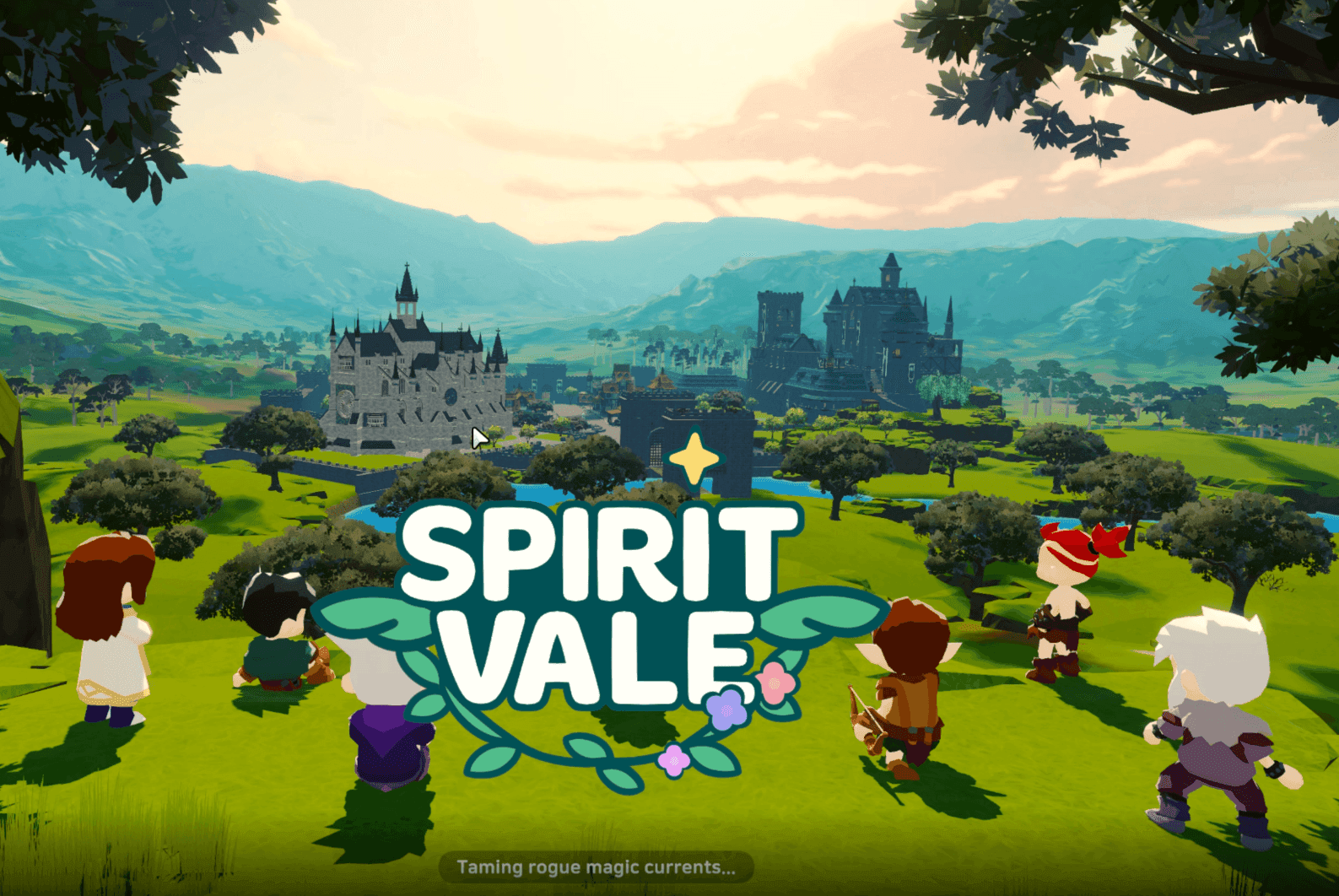
SpiritVale is a class-based action MMORPG from Australian indie studio Baikun Interactive, set in the fractured world of Nevaris. Choose from seven cl...
Minimum and recommended PC specs to run the game
← Back to game reviewIf your PC can run this game, you'll also be able to play these:
Buy To PlaySpiritVale is a class-based action MMORPG from Australian indie studio Baikun Interactive, set in the fractured world of Nevaris. Choose from seven cl...
 Free To Play
MapleStory is a free-to-play 2D side-scrolling MMORPG from Nexon that has run continuously since 2003, now home to more than 260 million registered ac...
 Free To Play
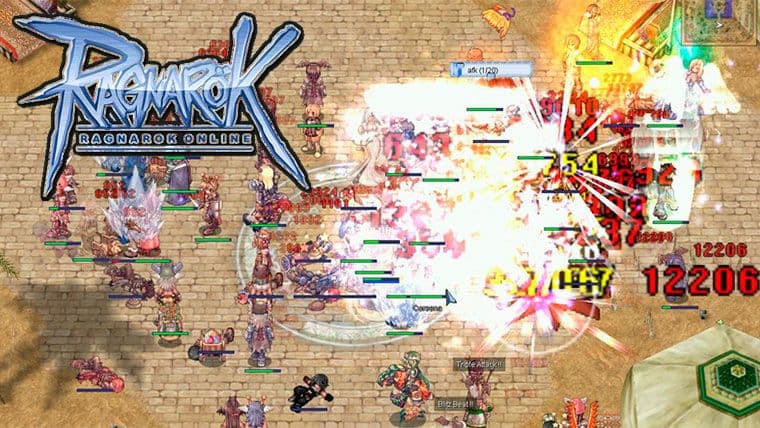
Ragnarok Online has been running since 2002, and the card system it introduced — socketing monster drops into weapons and armor — is still one of the ...
Helldivers 2 is engineered on an extensively overhauled proprietary fork of the Autodesk Stingray engine (originally known as Bitsquid). Official development of this Swedish engine was discontinued by Autodesk back in 2018, obligating Arrowhead Game Studios to independently rewrite rendering pipelines, multithreaded task schedulers, and physics modules. The official system requirements directly reflect the demanding mathematical nature of the game, bridging cinematic post-processing with complex physics simulations involving hundreds of concurrent battlefield agents.
First, the Central Processing Unit (CPU). The baseline configuration mandates a 4-core, 8-thread processor such as the Intel Core i7-4790K or AMD Ryzen 5 1500X, whereas optimal performance highlights native 8-core solutions like the Intel Core i7-9700K and AMD Ryzen 7 3700X. The processor represents the primary system bottleneck. During relentless breach defenses on maximum difficulty tiers (such as Super Helldive), the CPU must continuously evaluate navigation meshes and behavioral pathfinding for dozens of swarming scavengers, hunters, and berserkers, compute true ballistic trajectories for every fired round, determine armor deflections, process limb destruction, and synchronize ragdoll impulses from heavy orbital ordnance. High instruction-per-clock (IPC) throughput and generous L3 cache capacity are vital to prevent frame pacing stutter during dense enemy spawns.
Second, the Graphics Processing Unit and Video Memory (VRAM). Targeting 1080p at 30 FPS on low presets requires an entry-level discrete GPU equipped with 4 GB of VRAM (such as the NVIDIA GeForce GTX 1050 Ti or AMD Radeon RX 470), while smooth 60 FPS gameplay on medium-to-high settings necessitates 6–8 GB of VRAM delivered by cards like the GeForce RTX 2060 or Radeon RX 6600 XT. The graphic pipeline is heavily taxed by volumetric fog, dynamic lighting storms, flame tornado illumination, weapon ricochet sparks, and dense Automaton laser barrages generating substantial draw call overhead. Stepping up to 1440p or native 4K rapidly saturates video memory buffers with high-resolution planetary meshes, demanding 10–12 GB of VRAM and the utilization of built-in render scale upsamplers.
Third, System Memory (RAM). The bare minimum is pegged at 8 GB of RAM, though standard modern recommendations mandate at least 16 GB of dual-channel memory operating at high frequency. Helldivers 2 aggressively leverages system RAM to buffer procedural map seeds, environmental biomes, spatial audio banks, and enemy animation hierarchies. Adequate system memory headroom eliminates micro-stutters when sweeping the camera across sprawling vistas or during sudden weather transitions across forty-minute combat sorties.
Finally, the substantial 100 GB storage footprint paired with a mandatory Solid State Drive (SSD) requirement. This substantial install size is dictated by uncompressed environmental textures, destruction state meshes, and sweeping multi-channel orchestral audio scores. An SSD is a fundamental requirement rather than an optional luxury: the engine relies on high-speed asset streaming during the supersonic descent of the Hellpod drop sequence, and legacy mechanical hard drives (HDDs) fail to stream terrain geometry in time, causing extended loading sequences and world streaming hitches.