 Free To Play
Ragnarok Online
MMORPGReleased
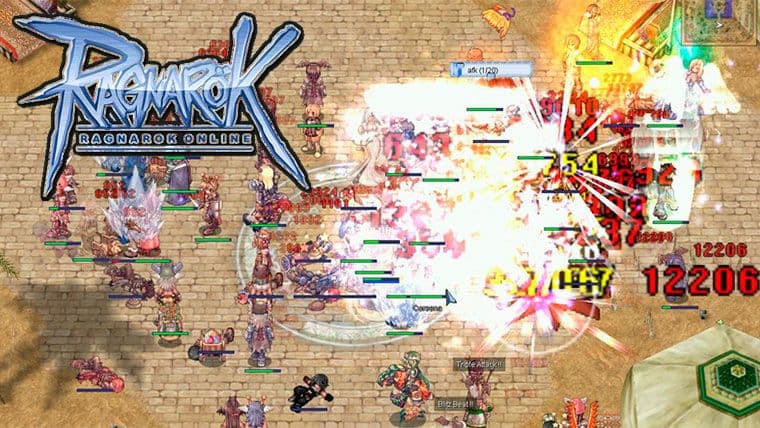
Ragnarok Online has been running since 2002, and the card system it introduced — socketing monster drops into weapons and armor — is still one of the ...
If your PC can run this game, you'll also be able to play these:
Free To PlayRagnarok Online has been running since 2002, and the card system it introduced — socketing monster drops into weapons and armor — is still one of the ...
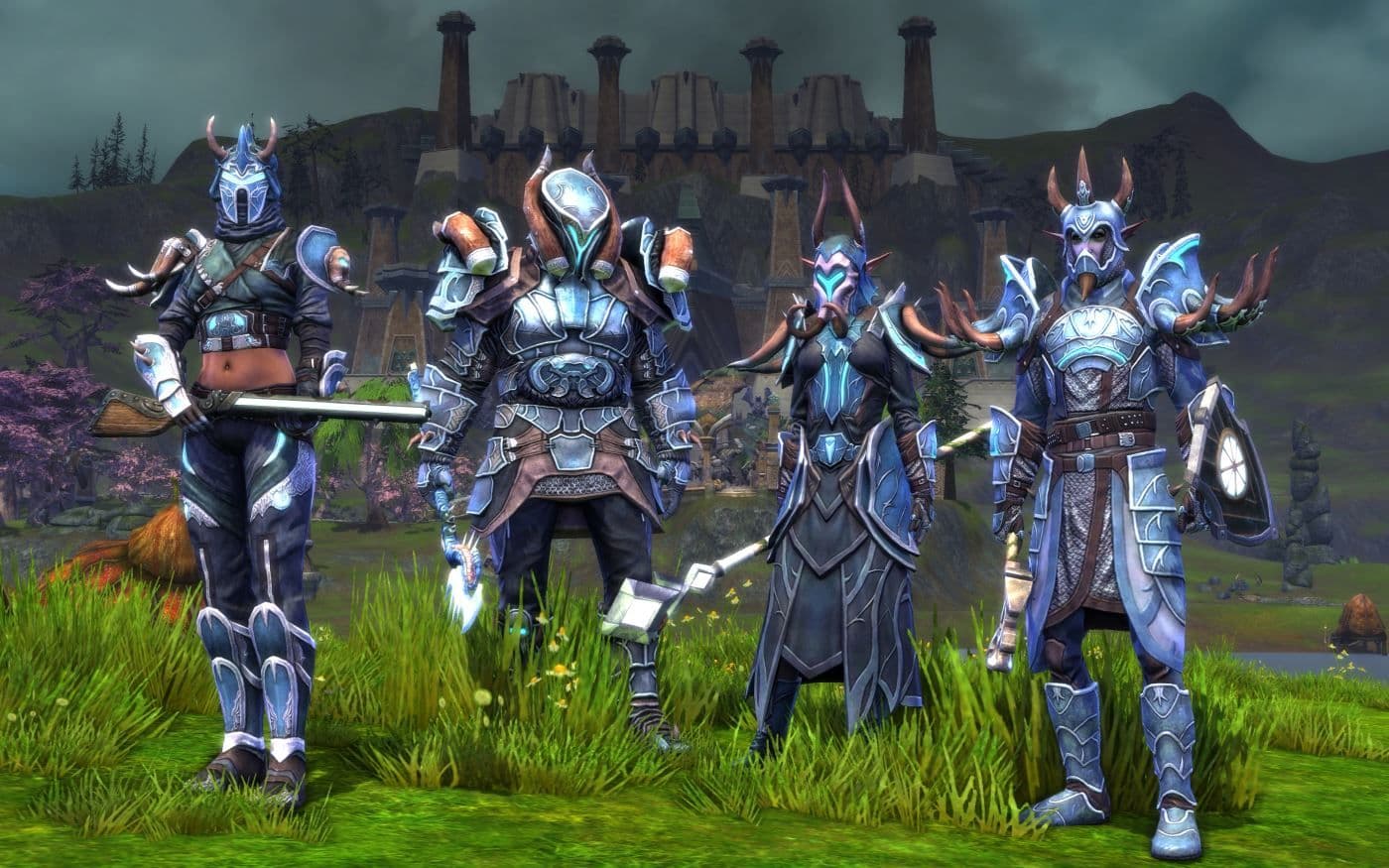
Rifts tear open across the sky at random, spilling elemental invaders into Telara and forcing nearby players to drop what they're doing and fight them...
 Free To Play
Aden's castles never stay in the same hands for long, and Lineage II has built an entire twenty-three-year game around the fight to take and hold them...
Mabinogi stands as one of the longest-running active virtual worlds in online gaming history, powered by the proprietary Pleione engine since 2004. While the official system requirements appear modest by modern blockbuster standards, they precisely illustrate the architectural quirks of classic 32-bit Korean MMO engine design.
First, the Central Processing Unit (CPU). The baseline minimum specifies a dual-core Core i3, while recommended configurations call for a capable 4-core processor. Because Pleione was originally architected during the single-core Pentium 4 era, the engine cannot effectively multithread game logic across 8 or 16 threads. Primary performance hinges strictly on single-core clock frequency and instruction throughput (IPC). The CPU continuously crunches simulation tick-rates, avatar position tracking, and high-frequency network packets transmitted from Erinn's unified megaserver. Recommending four physical cores is primarily designed to prevent background operating system tasks from starving the game's critical main thread. Upgrading to an extreme flagship processor will not exponentially boost framerates in crowded hubs due to the engine's internal draw-call limits.
Second, Graphics Processing and Video Memory (VRAM). Erinn's stylized cel-shaded aesthetic and low-polygon geometry do not demand volumetric ray tracing or heavyweight 4K photorealistic textures. Consequently, the game functions smoothly on a mere 1 GB of VRAM (GeForce 9600GT). However, stepping up to 2 GB of VRAM (GTX 660) is critical due to draw-call overhead and avatar customization. In social trading centers like Dunbarton or intense raid lobbies, dozens of players congregate on screen, each adorned in multi-layered outfits, animated wings, floating visual titles, custom RGB dye palettes, and active combat pets. Two gigabytes of dedicated video memory act as a mandatory buffer, housing these customized player assets without triggering severe hitching when rotating the camera.
Third, System Memory (RAM). A modest 4 GB of RAM is sufficient for solo Generation campaigns and quiet woodland gathering. However, the recommended 8 GB pool is essential for aggressive asset caching. To shield the client from constant disk read thrashing whenever fresh adventurers sprint into view, the game aggressively buffers character meshes and audio banks into system memory. Ample RAM headroom ensures smooth transitions between regional gateways and protects the 32-bit executable from memory exhaustion crashes during peak evening hours.
Finally, the 30 GB storage footprint. For a title that originally shipped on a single CD-ROM, this footprint might seem surprisingly large. It represents the cumulative sedimentary deposit of more than twenty years of uninterrupted live-service updates: over 25 epic Generation story campaigns, hundreds of dungeon maps spanning Uladh and Iria, thousands of cosmetic wardrobe pieces for Fashionogi, and an extensive uncompressed soundfont library essential for synthesizing live player-composed MML music.