 F2P · Live
Lineage 2
Aden's castles never stay in the same hands for long, and Lineage II has built an entire twenty-three-year…
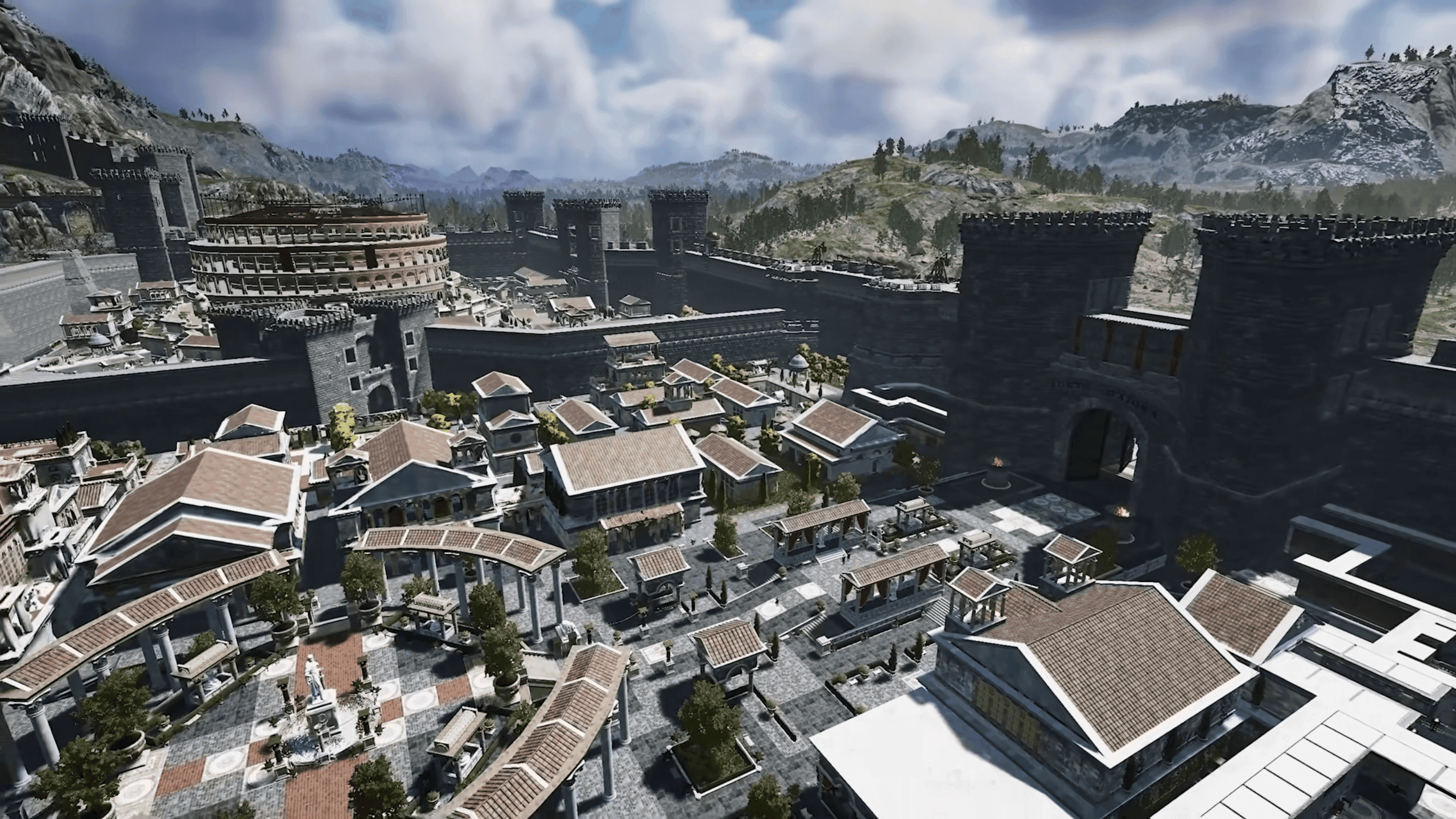
Every fight in Mortal Online 2 is full-loot and first-person, with skill-based combat replacing levels or gear checks entirely, so a new character can genuinely beat a veteran in the right circumstanc...
Mortal Online 2 is a first-person, full-loot sandbox MMORPG developed and published by the Swedish studio Star Vault, which entered early access in November 2021 and launched fully in January 2022 as a sequel to 2010's cult original. Four and a half years on, it's still the game that gaming forums bring up whenever someone asks what happened to the genre's unforgiving old guard: a classless skill system, directional melee combat with no auto-attack to lean on, and a single persistent world where anything you're carrying can end up in someone else's inventory the moment you die. July 2026 brought its biggest addition yet, a new desert continent called Sarducaa, and that timing makes this as good a moment as any to ask whether Mortal Online 2 has grown into the game it always wanted to be.
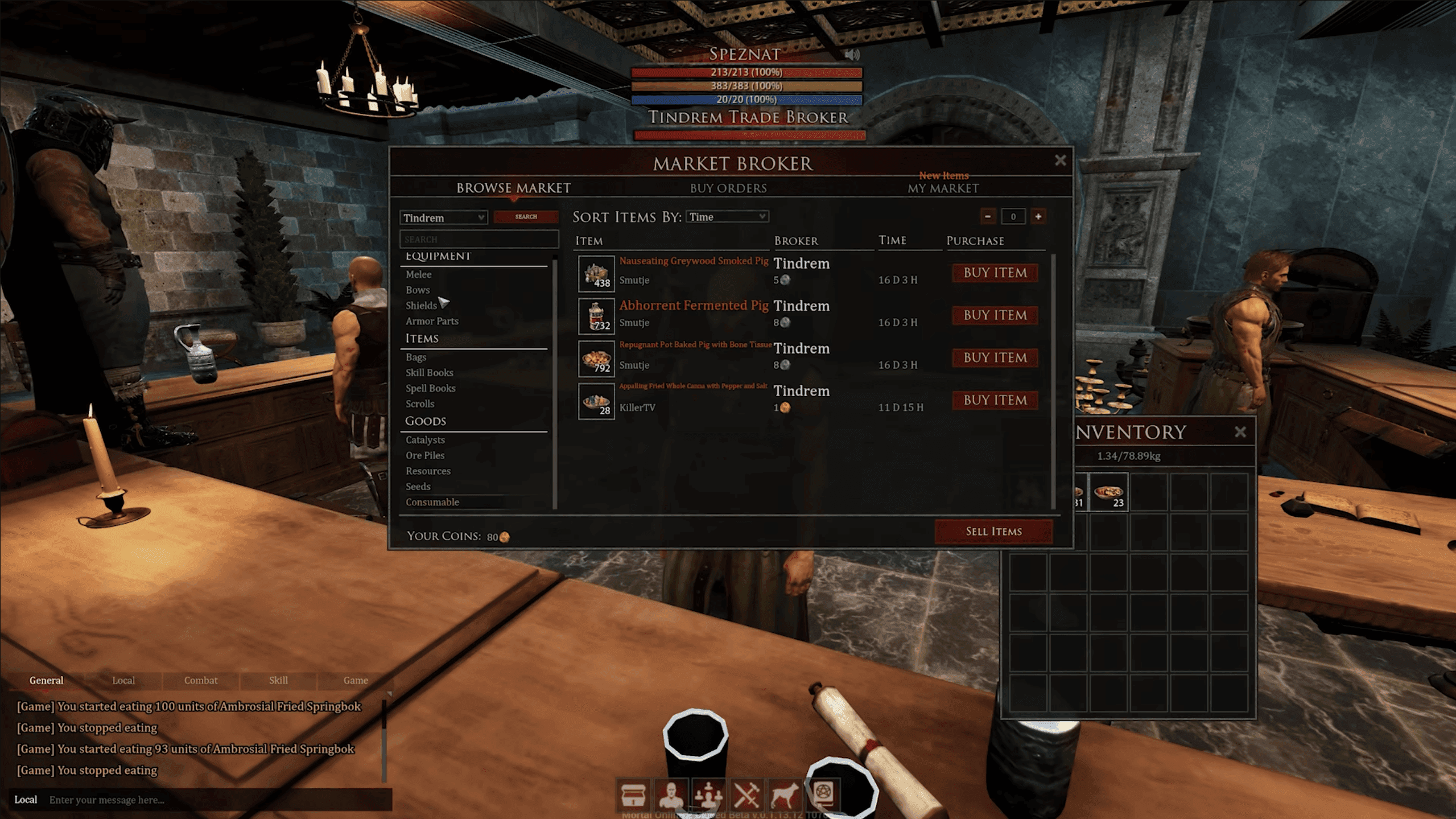
The world is called Nave, and until this month it had exactly one door in: Myrland, a single seamless continent running on one London-hosted server, stretching from the marble streets of Tindrem to volcanic wastes and fogged bamboo forests. There's no channel-hopping, no instancing between zones, no queue-free copy of the world to retreat into — everyone who plays shares the same map, the same economy, and the same risk. That singularity is the whole point: a keep that falls to a guild siege stays fallen, a road known for banditry stays dangerous because the same players keep working it, and a rare ore vein gets fought over because there's nowhere else to mine it.
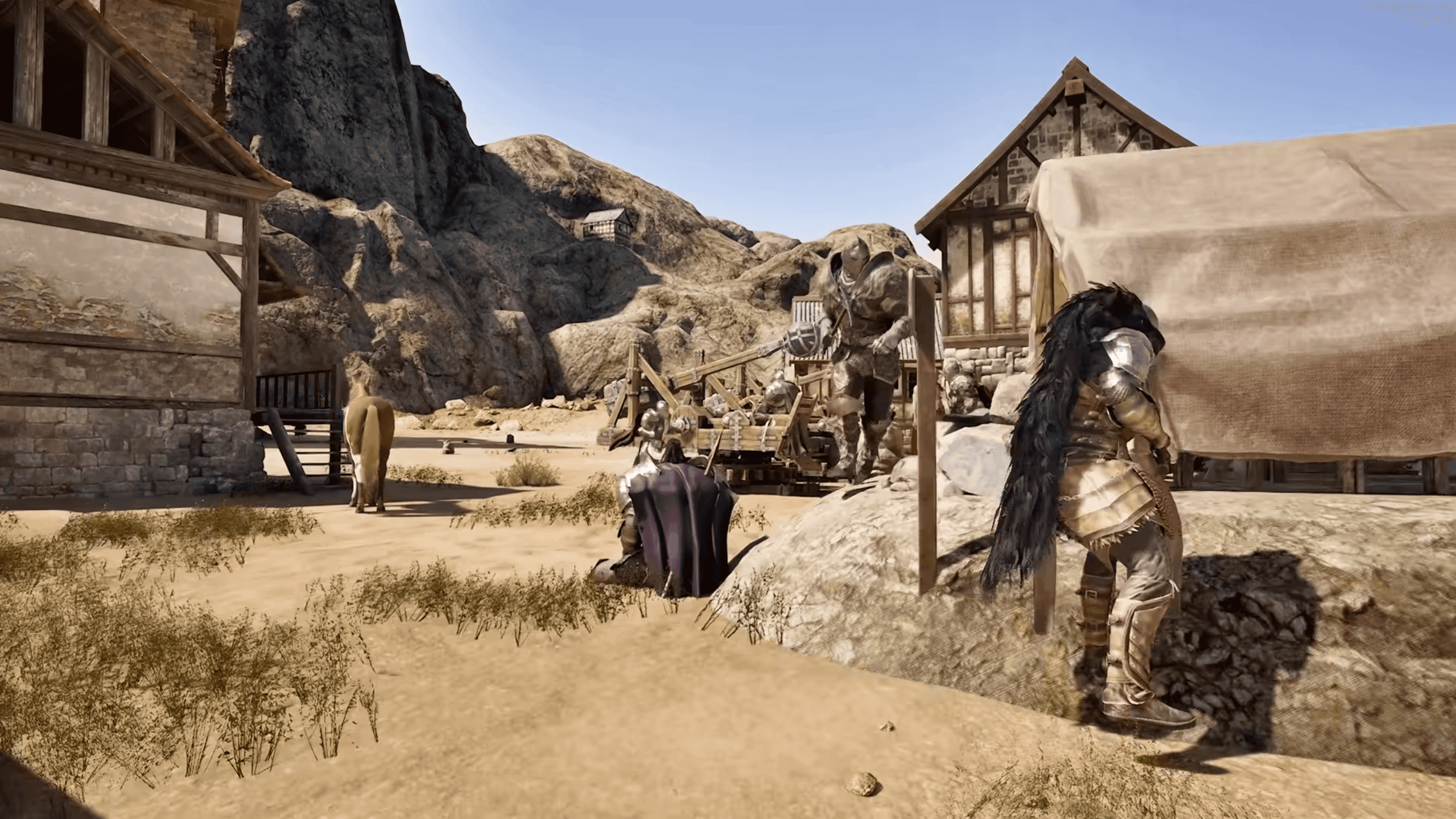
Sarducaa changes that arithmetic slightly. The new continent, described by Star Vault as a vast dry ocean of breathing dunes, launched on July 1 on its own server physically located near Montreal — the game's first real move toward North America after years of EU-only hosting. It arrived as a soft wipe: nobody could bring an existing character over, so everyone heading to Sarducaa started from zero alongside players who'd never touched the game before. Star Vault paired the launch with a housing rule change, restricting upkeep payments to house owners only, aimed at stopping players from hoarding property they no longer actively use. It's a deliberate reset button on a decade of accumulated inequality, and whether that's a fresh start or a fractured population depends entirely on which side of the Atlantic you already lived on.
Character creation here does more work than in most MMOs, and it starts before you've picked a single skill. You choose a clade, then a bloodline within it, and that decision shapes your attribute pool, your height range, and which Clade Gifts — passive and active perks like faster reading or a mounted-combat bonus — you'll be able to select later. Height, weight, and age all feed directly into your stats: a taller frame means more health and melee reach but heavier carry weight, and your build is something you sculpt rather than a preset you tick. None of that is cosmetic flavor text. It's math the game runs every time you swing a weapon or sprint from a fight, and only your race and starting Clade Gifts are locked in once you leave the tutorial island.
From there, skill points do the rest. A new character gets 1,100 free points for combat skills and 1,200 for crafting skills, spread across hundreds of individual skills with no classes to funnel you into a template. Want to be an armored duelist who also forges his own plate? Nothing stops you except the finite pool of points, which means real specialization comes from what you choose not to learn as much as what you do. A newcomer's first hours are spent inside Haven, a safe tutorial island where nobody can be killed, learning the basics of the skill wheel before the game lets them anywhere near Myrland or Sarducaa proper — a rare concession to gentleness in a game that otherwise offers none.
Step outside Haven and the reason Mortal Online 2 has the reputation it does becomes obvious within a few swings. Combat is directional — mouse movement controls the angle a melee strike travels, and a well-placed feint can bait an opponent into blocking the wrong line entirely. There's no tab-target lock-on, no auto-attack ticking away in the background; every hit lands or misses based on what you actually did with your mouse in that half-second. Mounted combat adds its own math on top, since mounted weapons demand roughly double the strength to hit full damage, which is why so many veteran builds are engineered around exactly that threshold.
A new player's first proper fight looks nothing like a veteran's. Someone fresh out of Haven is still learning to read a feint and probably hasn't grasped that armor weight changes stamina drain mid-swing; a ten-year Mortal Online veteran is thinking three exchanges ahead, baiting an overextension, and tracking their opponent's stamina bar like a poker tell. That gap is real, it's steep, and the game does very little to soften it — but it's also the entire reason the combat has outlasted a decade of prettier, more forgiving alternatives. Nobody wins a fight here because a gear-score number told them they would.
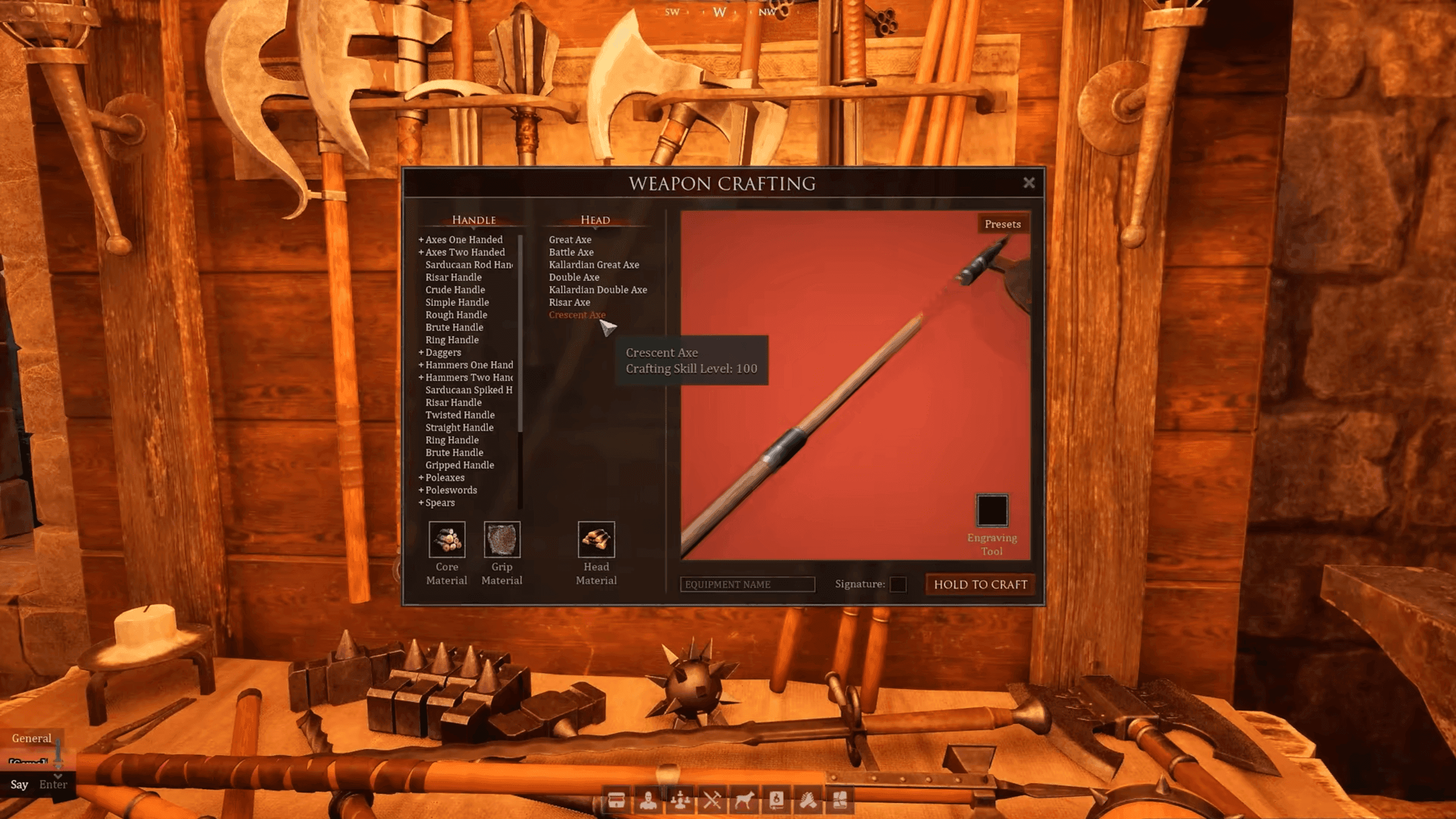
Crafting and combat aren't separate hobbies in Mortal Online 2 — the weapon you're swinging was probably built by someone (possibly you) who spent hours learning which materials actually work together, because the game refuses to just hand you a recipe list. You mine or gather raw material, refine it through an extraction chain into usable alloys and cuts, and only then combine those refined materials on a crafting station, where the specific combination determines the weapon's weight, damage, and durability. There's no shortcut to that knowledge beyond trial, error, and leaning on a guild or a community-built calculator, and the payoff for getting it right is a weapon genuinely better than anything sold at a vendor, because nothing is sold at a vendor in the way other MMOs mean it.
Housing plugs into the same loop. Claiming a plot means buying a deed, and building on it — from a modest cottage to a guild stronghold with defensive walls — ties directly into the territory-control systems that make Sieges matter. It's a slow, deliberate kind of progression, closer to a real-world trade apprenticeship than a skill tree with a level-up chime, and it rewards patience over grinding speed.
Here's the sentence that answers most search queries about this game directly: yes, Mortal Online 2 is a full-loot PvP sandbox, meaning anyone can kill you outside the safety of a guarded town and take everything you were carrying off your corpse. The flagging system tries to give that lawlessness some structure — kill enough innocent players and you accumulate a murder count, eventually turning red and landing in the pool that bounty hunters can be sent after — but the system has a long, well-documented history of confusing new players about who's actually safe to fight, and Star Vault has rebuilt pieces of it more than once without fully silencing the debate. Veterans have made peace with the ambiguity, or exploited it; someone who just left Haven usually hasn't, and that mismatch produces some of the community's oldest and least resolved arguments.
The upside of that danger is a world where actions carry weight that a themepark MMO simply can't replicate. A trade caravan moving goods between cities is a real target, not a scripted escort quest. A guild that controls a keep controls the resources around it, and losing that keep in a siege is a loss the whole guild feels, not a raid lockout that resets next Tuesday. Star Vault's current roadmap leans further into this with a planned overhaul of thievery and assassination playstyles, and Sarducaa already shipped a genuinely detailed lockpicking minigame that rewards understanding real pin-tumbler mechanics rather than a simple skill check. Taming exotic beasts as companions or mounts rounds out the list of ways to carve out a niche that has nothing to do with killing other players at all — the world doesn't force you into PvP, it just never promises you'll avoid it.
Solo play is possible here, but it's a harder road than the game needs to make it, and most of what defines the endgame runs through guilds. Territory-control buildings, supply storage, and keep defense all scale with guild tiers, and a Siege is the moment all of that infrastructure gets tested at once — attackers battering walls, defenders coordinating from towers, and the outcome permanently changing who controls that patch of Nave. A guild with a functioning economy and a disciplined roster can genuinely project power across the map; a scattered group of solo players mostly ends up as resources for someone else's economy. That's a blunt way to put it, but it's also honest about where the game's real center of gravity sits.
Mortal Online 2 is buy-to-play plus subscription — a roughly forty-dollar purchase that includes thirty free days, followed by a recurring fee in the neighborhood of fourteen dollars a month. There's no cash shop, no cosmetic microtransactions, and no way to spend real money on anything that touches gameplay; every piece of gear you'll ever see on another player was built or found in the world exactly the way you'd have to build or find it yourself. Is Mortal Online 2 pay to win? By design, no — Star Vault has stuck to that principle since before launch specifically to avoid the trap. The fair criticism runs the other direction: a subscription on top of a box price is a genuinely unusual ask in 2026, and the community's own forums are full of players who point out that the sub was introduced only after launch, and that population numbers dipped hard once the initial free month ran out. It's an honest monetization model, just not a painless one for a niche audience already skeptical of recurring costs.
Concurrent numbers on the original Myrland server have settled in the low hundreds most months this year, a long way down from the roughly 9,600-player peak the game saw in its opening weeks back in January 2022 — the natural trajectory for a hardcore niche title four years past launch, not a sign of a game on its deathbed. Steam's aggregate reviews sit at a Mixed rating, with lifetime positivity hovering around 60 percent across thousands of reviews; the most recent 30-day window has run cooler than that, which tracks with a community still working through opinions on the Sarducaa soft wipe and the new NA server split. Whether that population recovers the way earlier content pushes have shown it can, or simply divides an already small player base across two servers, is the open question hanging over the rest of 2026.
Mortal Online 2 has never been interested in making itself easy to love, and that hasn't changed with Sarducaa. What has changed is that Star Vault is clearly still building toward something rather than coasting on a finished product, and a new continent, a new server region, and an incoming thievery overhaul are real signs of a studio still investing in its own hardcore niche rather than milking it. If you want a world where death has actual stakes, where the weapon in your hand was built by real hands rather than pulled from a loot table, and where a guild siege can end with someone else owning the ground you used to call home, this is one of the only places left running that experiment at this scale. If full-loot PvP, a steep learning curve, and a monthly fee on top of the box price sound like friction rather than flavor, the genre has gentler doors in — this one was never meant to be gentle, and it isn't pretending otherwise.