 F2P · Live
Lineage 2 Essence
Lineage 2 Essence is NCSoft's free-to-play take on the classic Korean MMORPG Lineage II, built around faster…
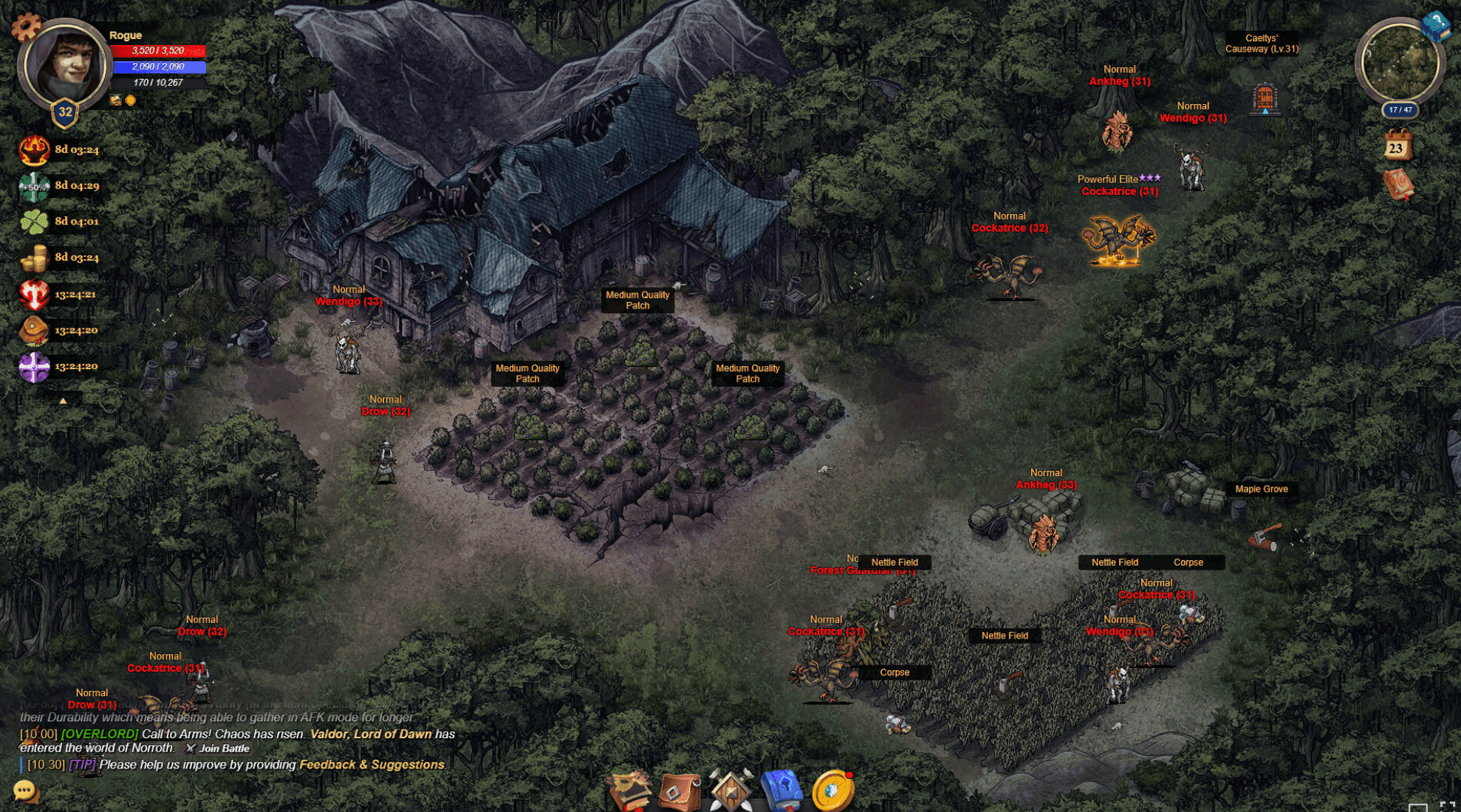
Norroth is a tile-based MMORPG that one independent developer has been building since 2018, and it's adding a Steam client alongside a version 1.0 update on October 16, 2026. Combat is fully turn-base...
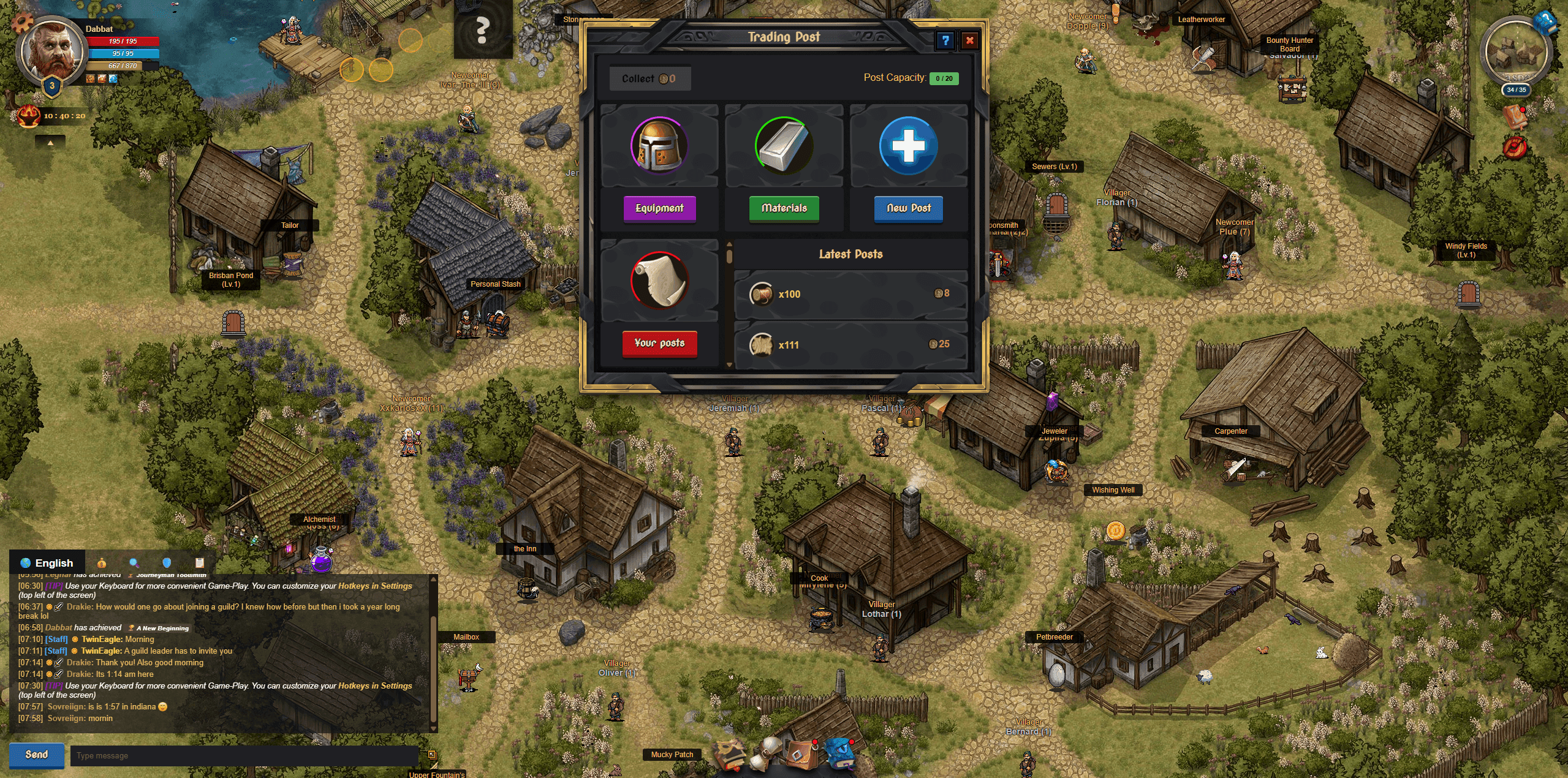
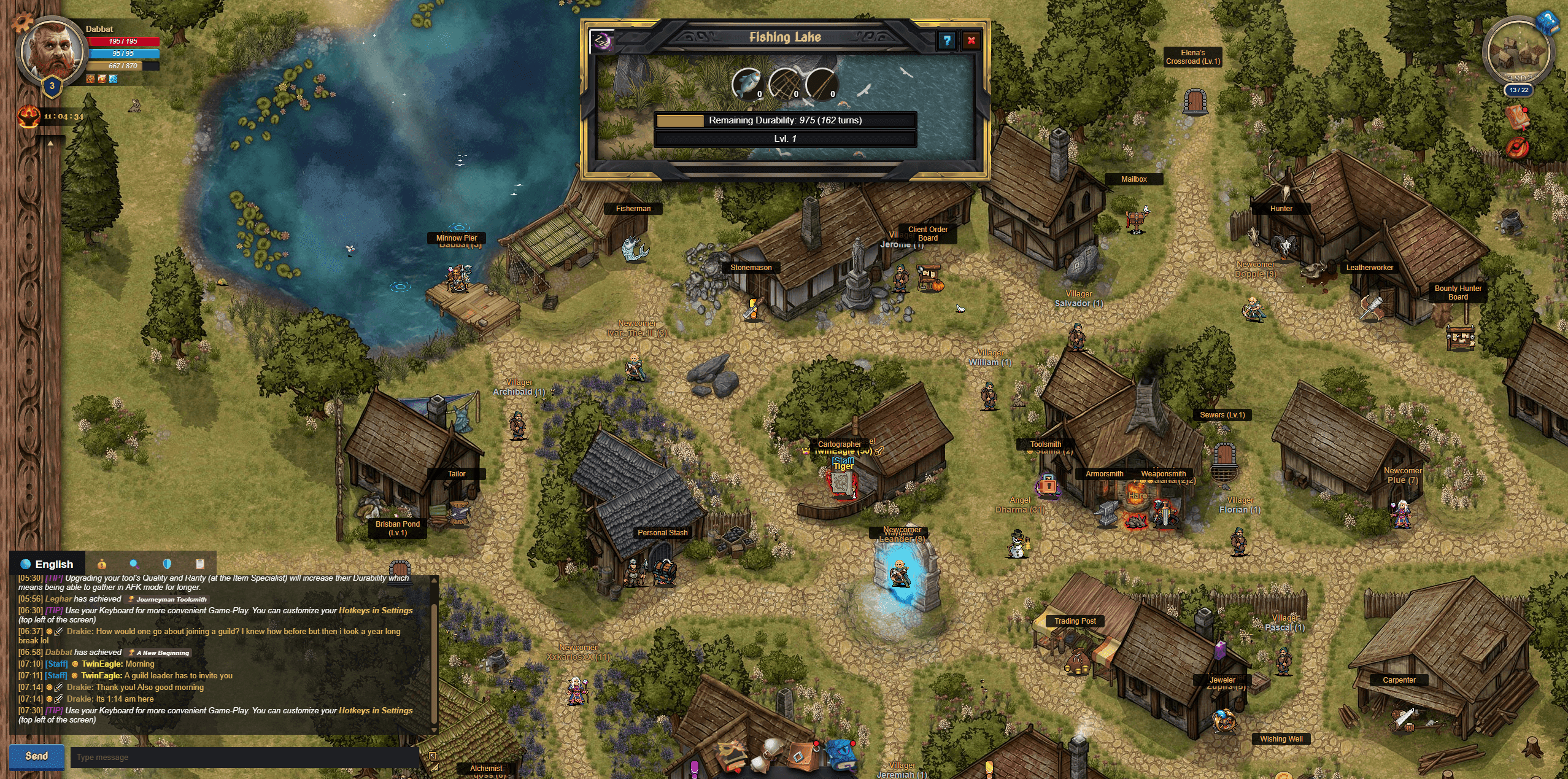
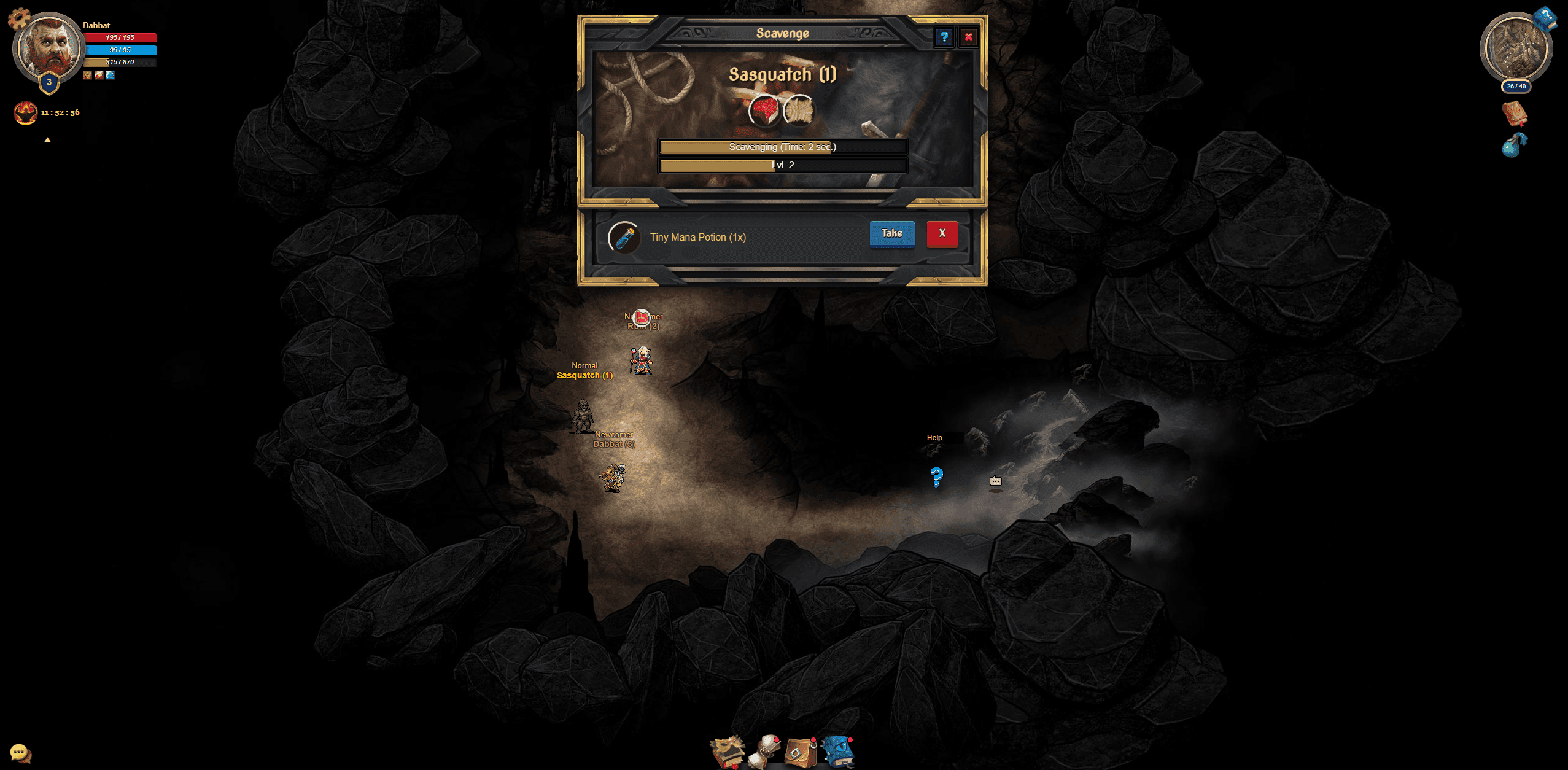
Norroth is a tile-based MMORPG built and maintained solo since 2018 by Dutch developer Rob "Twineagle" de Wit. The free browser version has been live since February 28, 2021, and the game is scheduled to add a Steam client alongside a version 1.0 update on October 16, 2026. Its identity rests on turn-based combat, seven gathering professions feeding a hand-crafted world, and player-built ships that reach islands the mainland can't.
The world is built from over 300 hand-crafted areas — coastal villages, mines, ruins, and islands reachable only by water. It's fantasy without much interest in grimness or political intrigue: forests, monster camps, and small towns that slowly grow player-built infrastructure around them. The top-down tile grid is a deliberate throwback to browser MMOs from the 2000s, and the developer doesn't pretend Norroth is chasing modern AAA visual fidelity — each province instead carries a small, self-contained story explaining why something is actually happening at that spot on the map, rather than scattering quest markers by template. The pace throughout stays deliberately calm: nothing here punishes a player for logging off mid-task, and several long-time community members specifically cite that lack of pressure as the reason they've stuck around for years rather than weeks.
A new character starts with a class choice tied to weapon type, and each class branches into three combat styles depending on what's in hand rather than what's on a talent sheet. From the first minutes, quests are tied to a specific province's own small conflicts — help a local with a hunt, deliver herbs to an alchemist, clear out a nearby monster camp — and each one at least tries to explain why the character in question has a stake in it.
Combat runs on strict turns: pick an action, then the enemy responds. There's no reaction-speed pressure and no timer running in the background — a fight reads closer to a board game than an arcade brawl, and it's the single most-praised quality in player feedback on other platforms, since a session can be mentally paused between turns and picked back up whenever convenient. The trade-off is depth: three weapon-bound branches per class is a compact toolkit that's easy to learn in an hour, not a build system with dozens of interacting stats.
Minimum system requirements are notably light for a 2026 release — 4 GB of RAM and an Intel HD Graphics 4000-class GPU cover the Windows, macOS, and SteamOS/Linux builds alike. That's not an afterthought; it's a design choice aimed at players on old laptops with limited time to spend, not just players chasing deep progression systems.
The core loop runs on collection and processing. Norroth has seven resource-gathering professions — mining ore, chopping wood, harvesting crops — and raw materials get turned into finished goods at crafting stations, from gravel and planks to jewelry, weapons, and tools. The chain is familiar for the genre (mine ore, smelt it, forge a sword) but implemented without much extra complexity, which fits the game's generally unhurried tone.
The advanced version of that loop is shipbuilding. The world doesn't end at the coastline: a player-built ship opens expeditions to islands unreachable on foot, each with resources and biomes the mainland doesn't have, so a ship pays for itself through repeated supply runs for higher-tier crafting recipes rather than a single trip. Housing sits alongside this — claiming a plot and furnishing a home doesn't require ever setting sail — but it's the ship-plus-home combination that turns settling into Norroth into an expanding project instead of a one-time purchase.
Guild progression follows the same slow-build logic. A guild starts as a modest camp and grows into an actual town as members pour in resources and coordinated effort — the process is stretched over time and requires ongoing cooperation, not a single treasury deposit. Dungeons and monster camps are built for groups, and individual world bosses give a reason to gather a wider roster for rare loot and achievements. Once a season, holiday-themed world events add limited-time activities tied to the calendar.
Norroth also has pets, but turning one into a genuinely useful companion is not a task for someone logging in for thirty minutes a day — player reviews on other platforms describe the taming system as demanding a noticeable amount of grinding without always paying off proportionally. Worth keeping in mind if collecting creatures is a big part of the appeal for you.
No. Player reviews on other storefronts consistently point out that Norroth sells no gameplay advantages, and the developer funds the project mostly through Patreon and cosmetic purchases. For a game one person has been pulling forward since 2018, that's a reasonable balance between project sustainability and not squeezing players who won't pay. The same transparency shows in how the game is developed: de Wit posts regular progress updates, answers questions personally on Discord, and invited the community to test class balance ahead of major updates — a public balancing pass ran through the summer of 2026, shortly before the Steam release date was announced.
PvP exists in Norroth, but it doesn't set the game's pace — it reads as an optional side activity rather than a required progression step, and the developer's attention is visibly on PvE content and shared construction instead. Trading runs without a centralized auction house: gathered and crafted goods change hands directly between players or through town vendors, so a price in Norroth is the outcome of a specific deal rather than an automatically posted listing. Cross-platform multiplayer is also part of the plan — character and progress stay shared whether you're logging in through the browser now or through the Steam client after October, so the version change won't mean starting over.
Language support on the Steam listing covers 31 languages, including English and Russian, with interface and subtitles present for all of them; full voice acting exists only in English, a gap shared across every localization rather than something specific to any one language. That level of translation coverage is unusual for a one-person project, and it signals the developer is thinking about an international audience well beyond the small circle that already knows the browser version.
Yes, with no purchasable gameplay advantages; development is funded through Patreon and cosmetic sales.
Not on Steam — the client and version 1.0 launch October 16, 2026. The browser version is already free to play right now.
Not officially yet; Valve hasn't assigned a compatibility rating because the Steam release hasn't happened.
If turn-based, low-pressure play appeals to you, yes — the browser version already has the full feature set the Steam client will ship with.
Norroth isn't trying to compete with large-scale MMOs on budget or systemic ambition — it's aiming at a narrower audience that misses the unhurried, tile-based worlds of the late 2000s and doesn't want leisure time bent around timers or raid schedules. Turn-based combat, crafting across seven professions, and player-built ships work together as one modest but coherent ecosystem, even if the combat system stays simple and the pet-taming grind asks more than it gives back. Five years of solo development is a rare case where a long browser-based run turned into an asset rather than a source of frustration: the game picked up real content over that time without losing the simplicity that defines it. The October 2026 Steam launch will be the real test of whether that formula can find players beyond the small circle of longtime browser MMO fans who already know it.